DbcultAccessing Vault...
Cult Review
Senior Film Conservator
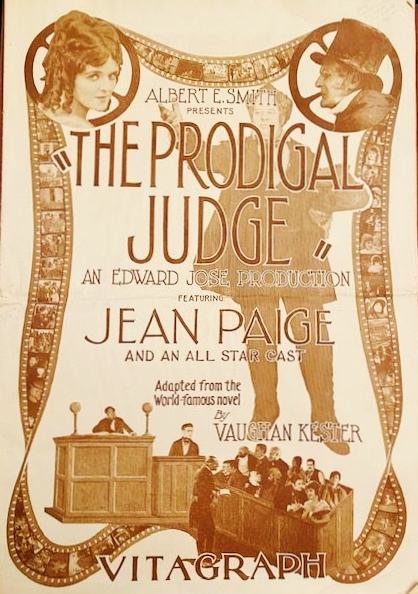
A chloroform-laced love letter to the ante-bellum fever dream, The Prodigal Judge surfaces from 1922 like a river-logged steamer, barnacled yet opulent, smelling of wet hemp and gunpowder perfume.
Edward José’s direction—equal parts daguerreotype and delirium—treats every inch of North Carolina celluloid as though it were a blood-blotted manuscript. Earle Foxe’s Judge Price is no mere jilted husband; he is a parliamentarian turned vagabond Hamlet, coat collar upturned against moral contagion. Watch his pupils dilate when he first spies Hannibal: recognition registers not as melodramatic swoon but as micro-earthquake, the sort of fault-line shift that swallows reputations whole.
Counterfeit money becomes the film’s sly thesis: value minted from thin air, trust betrayed by paper whims—mirroring the domestic forgery that unmoor’d Price in the first frame.
Vaughn Kester’s intertitles—calligraphic grenades—detonate with Biblical cadence. When Fentress hisses “The river keeps secrets but never graves,” the letters quiver like gallows rope. Cinematographer Jules Cronjager lenses the Mississippi as mercury swirls, a mercury that hardens into mirror whenever a conscience is searched. The night rescue of Hannibal from a drifting skiff is staged in chiaroscuro so tactile you expect mildew on your fingertips.
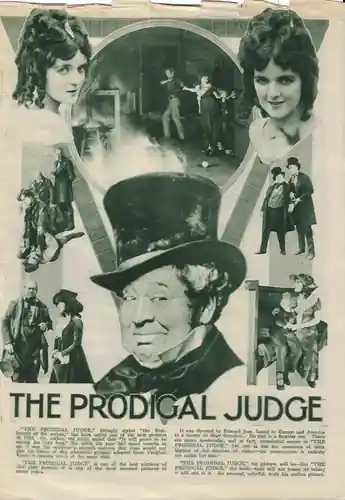
Arthur Edmund Carewe’s Colonel Fentress deserves anthologizing: part river-god, part raconteur of rot, his silk neckerchief flutters like a pirate ensign yet his smile belongs at Saratoga Springs. Every frame grants him the leisure to sip menace from a cut-crystal tumbler, proving villainy is best digested between ice cubes.
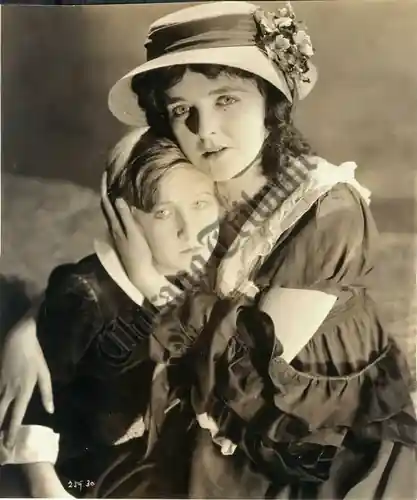
Charles Eaton’s Hannibal is the axis on which destinies pivot—eyes wide as riverboat chandeliers, voice (via title card) pitched at cracked-choirboy yearning. The kid’s chemistry with Jean Paige’s Betty Malroy sparks an undercurrent of pre-teen melancholia, a hothouse bloom that the narrative wisely refuses to sexualize.
The wedding-day assassination—black powder confetti—transmutes marital bliss into widow’s weeds within twelve flickers of the shutter. It is the silent era’s answer to Journey into the Night, minus expressionist corridors but with twice the emotional heft.
Macklyn Arbuckle’s Solomon Mahaffy is the film’s bruised guardian angel, a raconteur whose girth belies fleet-footed loyalty. His sacrificial duel—standing in for Price—ranks among the most poignant self-immolations this side of The Life of Adam Lindsay Gordon. Note how José withholds the fatal impact: we cut from Solomon’s stunned blink to a heron lifting off the river, implication blooming louder than gun-flash.
The climactic rapids sequence—miniatures merged with full-scale skiff—anticipates the mythic spectacle later refined in Melting Millions yet retains artisanal charm: you sense strings, yes, but also the breath of artisans kneeling over tubs of indigo dye.
Sound would have vandalized this universe; the silence invites us to supply the creak of rope, the mosquito whine, the soft plop of a body surrendered to current.
Compare the film’s gender politics to its contemporaries: whereas His Naughty Wife frolics in marital schadenfreude and His Wife’s Friend titters at triangular innuendo, The Prodigal Judge grants Betty agency over romantic re-calibration. After Charley’s corpse cools, she does not wilt into ornamental grief; rather, the rapids become baptismal, her hand finds Bruce Carrington’s, and the fade-out feels less like patriarchal hand-off than sovereign choice.
Yet for modern palates the racial optics chafe: Solomon, though valorized, is still the sacrificial Black retainer echoing Beware!’s troubling archetypes. One could argue the film atones by gifting Solomon the moral final word, but the trope’s historical baggage clings like river-mist.
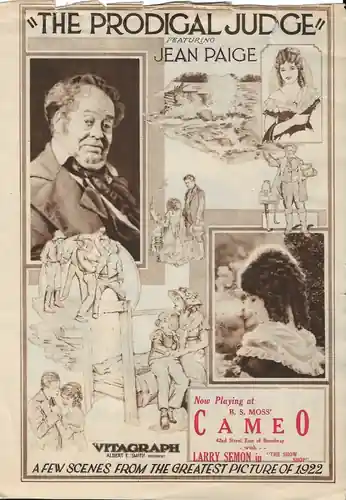
What lingers is the film’s olfactory memory—wet cedar, moonshine mash, the iron stink of contested blood. The restoration (Kino’s 4K, harvested from a Czech nitrate print) preserves cigarette burns that resemble smallpox scars, reminding us art itself is mortal.
If you binge silents for spectacle alone, proceed to Bound and Gagged. If you crave emotional cataracts, let The Prodigal Judge sentence you to its waterlogged poetry.
Should contemporary remixologists seek inspiration, glance at how José cross-cuts between duel prep and wedding vows—emotional counterpoint worthy of a master-class. Or note the color-tint strategy: amber for nostalgia, cobalt for peril, rose for fleeting innocence. You half expect the celluloid to flake into your popcorn.
Verdict: mandatory viewing for aficionados of river-gothic, pre-Code moral ambiguity, and those who believe every estranged father eventually recognizes his own heartbeat in a stranger’s ribcage. Stream it before the sole print sinks back into silt.
Runtime: 70 min | Grade: A- | Accessibility: Kino Cult (rent), MoMA archive (35 mm), YouTube gray-market (abridged)

IMDb 6
1930
Community
Log in to comment.