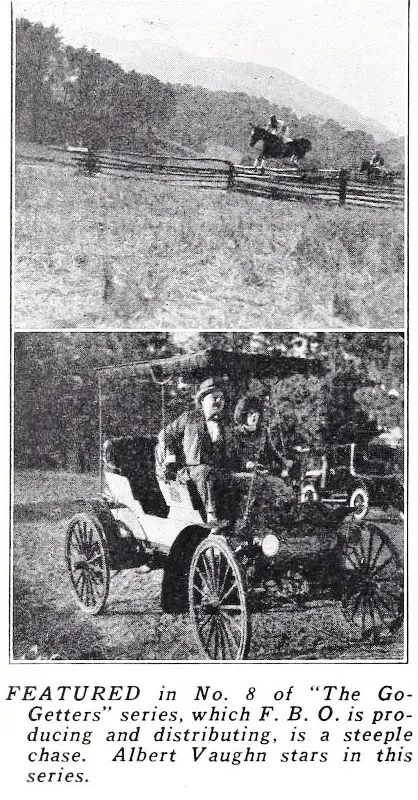
The silent film era has gifted us with numerous cinematic treasures, each telling a unique story that captivates audiences with its simplicity and charm. 'Who's Hooligan?' stands out as a particularly intriguing piece, weaving a narrative that centers around a steeplechase, an event that tests courage, skill, and determination.
At the heart of this story is George O'Hara, who plays Ted Adams, a character whose life takes an unexpected turn when he makes a seemingly innocuous comment about wanting to ride one of the horses participating in the steeplechase. This casual remark, made in the presence of his sweetheart Alberta Vaughn (played by the talented Alberta Vaughn), and Stanley Taylor, an expert horseman, sets off a series of events that challenge Ted's resolve and force him to confront his deep-seated fear of horses.
The narrative deftly portrays Ted's frantic attempts to avoid being assigned as a jockey, a role that would require him to mount a horse and participate in the race. His lack of experience and phobia of these majestic creatures create a sense of urgency and hilarity, as he navigates through various failed attempts to escape his fate.
The film boasts a talented cast, including Kit Guard, Al Cooke, and of course, Stanley Taylor, who not only co-stars but also contributes to the screenplay alongside George Marion Jr. Their collective effort results in a story that is both
entertaining and engaging, with characters that add depth and warmth to the narrative.
One of the most striking aspects of 'Who's Hooligan?' is its ability to convey emotion and tell a compelling story without the use of complex dialogue. The actors bring their characters to life through
expressive facial expressions and body language, a testament to the skill and artistry of silent film performers.
Comparing 'Who's Hooligan?' to other films of its era, such as
The Morals of Hilda and
Tainted Money (1924), it becomes clear that this film holds its own in terms of storytelling and cinematic technique. While each film has its unique plot and themes, they all share a commonality in their ability to captivate audiences with their
timeless stories and memorable characters.
In
Der Rächer von Davos and
The Reclamation, we see films that explore more dramatic and serious themes, showcasing the versatility of silent cinema in portraying a wide range of stories. On the other hand,
A World of Folly and
'Twas Henry's Fault offer lighter, more comedic narratives, similar to 'Who's Hooligan?' in their attempt to entertain and engage viewers through humor and relatable situations.
The film's portrayal of Ted's journey from an unwilling participant to a
triumphant jockey is both inspiring and entertaining. It serves as a reminder of the power of perseverance and the importance of facing one's fears. As Ted navigates through his challenges, the audience is treated to a cinematic experience that is as
emotionally resonant as it is visually captivating.
In conclusion, 'Who's Hooligan?' is a charming and captivating film that showcases the best of silent cinema. Its engaging narrative, talented cast, and
timeless themes make it a must-watch for film enthusiasts and historians alike. As we look back on the silent film era, movies like 'Who's Hooligan?' remind us of the enduring power of cinema to tell compelling stories that continue to resonate with audiences today.