DbcultAccessing Vault...
6.4/10
Senior Film Conservator
A definitive 6.4/10 rating for a film that redefined the boundaries of cult cinema. The Valley of the Giants remains a cornerstone of transgressive art.
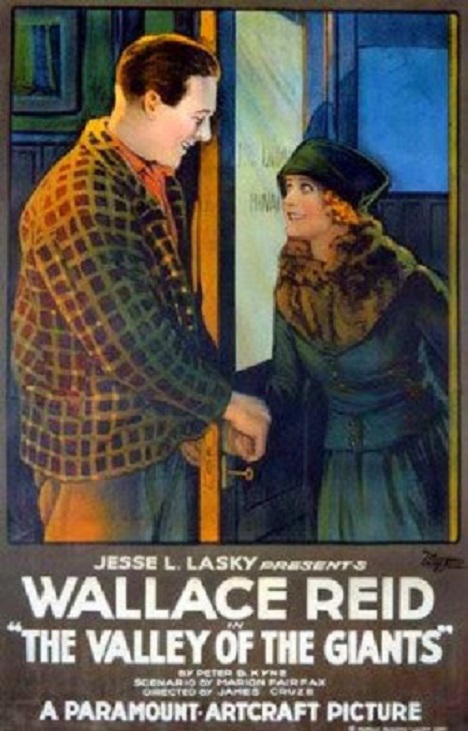
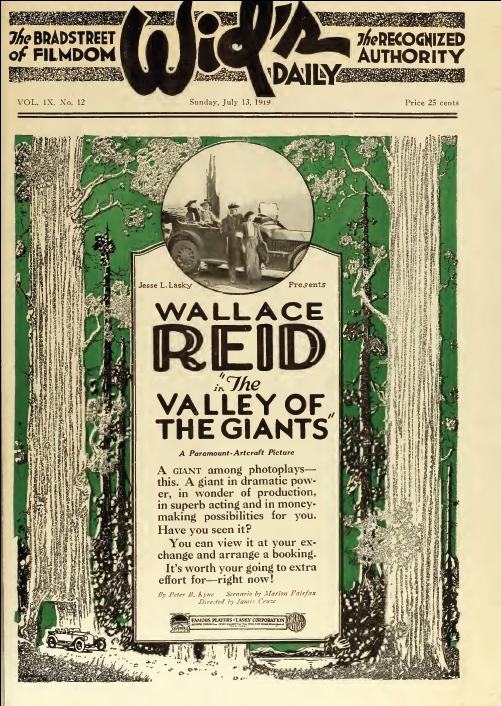
Stepping back into the cinematic landscape of 1919, one encounters a fascinating artifact of early American filmmaking: The Valley of the Giants. More than just a simple melodrama or an adventure tale, this film, adapted from Peter B. Kyne’s popular novel and brought to the screen by the talented Marion Fairfax, unfurls as a grand, sweeping narrative that pits man against nature, man against man, and perhaps most compellingly, the individual against the inexorable tides of progress and personal loyalty. It’s a silent epic that resonates with themes still pertinent today, wrapped in the raw, untamed beauty of California’s redwood forests. The sheer scale of the conflict, both environmental and interpersonal, lends the film a gravitas that elevates it beyond mere entertainment, transforming it into a poignant commentary on the forging of a nation and the often-brutal cost of ambition.
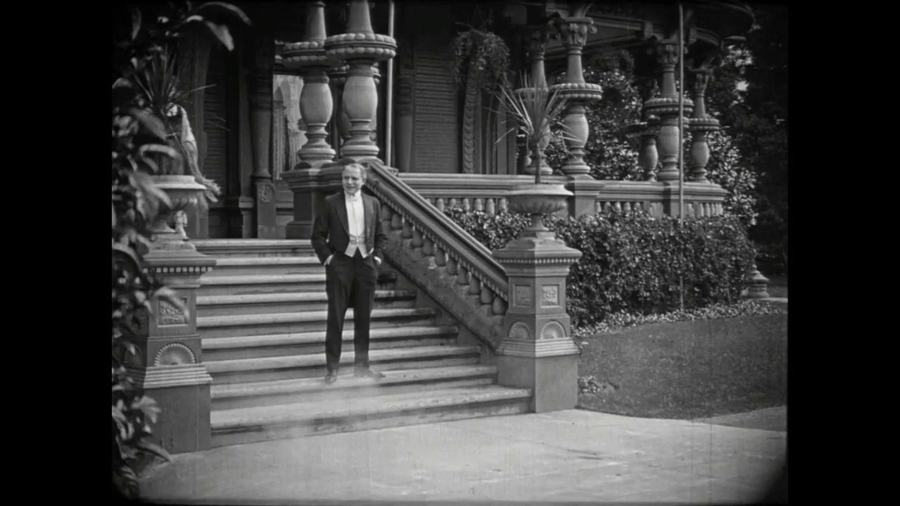
At its heart, The Valley of the Giants is a story of dominion – over land, over resources, and ultimately, over one's own destiny. The narrative thrust is initiated by David Braden, portrayed with earnest vigor by Wallace Reid, a young engineer whose return to his childhood home marks the beginning of an epic struggle. His father’s logging company, a venerable institution in the lumber-rich region, faces existential threat from the formidable Colonel Seth Peavy, a ruthless magnate whose ambition knows no bounds. Peavy, a character etched with a formidable blend of cunning and arrogance, embodies the relentless, often predatory, spirit of early 20th-century industrialism. The "Valley of the Giants" itself, a sanctuary of ancient redwoods, becomes the prize, a silent, majestic third party in this human drama, its towering sentinels bearing witness to the escalating conflict.
David’s mission is clear: construct a revolutionary new rail line, an engineering marvel designed to transport the colossal logs from the valley’s depths to the hungry maw of his father's sawmill. This endeavor is not merely a technical challenge; it is a declaration of war against Peavy's monopoly, a desperate bid to preserve his family’s legacy and, implicitly, a more ethical approach to the exploitation of natural resources. The stakes are profoundly personal, yet simultaneously represent a microcosm of the larger societal debates surrounding conservation and industrial expansion that were beginning to simmer at the time. The film masterfully intertwines these grand themes with the intimate struggles of its characters, ensuring that the spectacle of the logging operations never overshadows the deeply human core of the story.
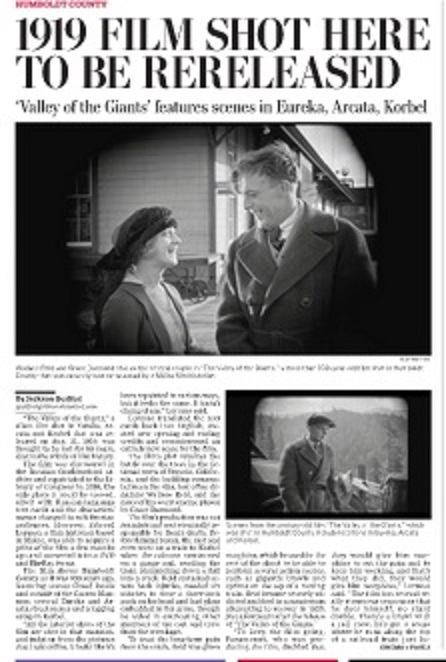
As if the corporate skirmish weren't enough, the narrative introduces a compelling layer of romantic intrigue that complicates the already fraught situation. Shirley Sumner, played with captivating grace by Alice Terry, is not merely a damsel in distress but a woman of spirit and conviction, and crucially, the niece of the very man David is sworn to oppose. Their burgeoning affection is a testament to the power of human connection transcending artificial boundaries, a delicate bloom in a landscape dominated by steel and timber. This forbidden romance is not merely a subplot; it is a catalyst, injecting emotional volatility into the corporate battleground. Shirley finds herself torn between familial loyalty to her uncle, however morally dubious his actions, and a burgeoning love for David, whose vision and integrity offer a stark contrast to Peavy's avarice. This internal conflict grants her character a depth that was not always afforded to female leads in films of this era, making her a truly memorable figure.
The chemistry between Reid and Terry, even in the silent medium, is palpable, conveyed through nuanced glances and gestures that speak volumes. Their relationship develops amidst the backdrop of roaring machinery and the constant threat of sabotage, making their moments of tenderness all the more precious and precarious. The film navigates the complexities of their bond with a delicate touch, allowing the audience to feel the weight of their choices and the inherent conflict that their love introduces. It's a classic setup, certainly, but executed with a sincerity that elevates it beyond cliché, rooting it firmly in the harsh realities of their world.
The technical achievements of The Valley of the Giants are particularly noteworthy for its time. The cinematography, while constrained by the technology of the early 20th century, manages to capture the awe-inspiring grandeur of the redwood forests. The sheer scale of these ancient trees is conveyed with a sense of reverence, establishing them not just as resources, but as characters in their own right, silent observers to human folly and triumph. The sequences depicting the logging operations are particularly impressive, showcasing the immense physical labor and the nascent industrial machinery involved in felling and transporting these giants. There’s a raw authenticity to these scenes that immerses the viewer in the arduous reality of the lumberjack's life, a stark contrast to the more polished, studio-bound productions of the era.
The direction, presumably by James Cruze although the provided credits list Marion Fairfax and Peter B. Kyne as writers, demonstrates a keen understanding of pacing and visual storytelling. The narrative unfolds with a steady rhythm, building tension through the escalating rivalry and the dangerous construction of the rail line. Action sequences, including daring feats of engineering and moments of peril, are staged with a clarity that belies the limitations of silent film, relying on dynamic camera work and expressive performances to convey excitement and danger. The film avoids being bogged down by exposition, instead allowing the visuals and the actors' powerful expressions to carry the emotional weight of the story, a hallmark of effective silent cinema.
Beyond the thrilling narrative, The Valley of the Giants offers a rich tapestry of thematic exploration. The central conflict between David Braden and Colonel Peavy is more than just a business dispute; it's a clash of ideologies. David represents a more principled, perhaps even a nascent conservationist, approach to industry, striving for efficiency without succumbing to rapacious greed. Peavy, conversely, embodies unchecked capitalism, viewing nature as a mere commodity to be exploited for maximum profit. This tension, between sustainable development and relentless extraction, remains profoundly relevant today, giving the film an unexpected contemporary resonance.
The corporate machinations and the struggle for dominion over vast resources in The Valley of the Giants bear a fascinating, albeit geographically distinct, kinship with the thematic undercurrents found in films like The Lion and the Mouse. Both narratives, in their own unique ways, delve into the intricate dance of power, ambition, and the ethical compromises often demanded by the pursuit of wealth and influence, albeit one in the boardroom and the other amidst the towering arboreal sentinels of the American West. The film also subtly touches upon the concept of progress – the building of the rail line is a symbol of human ingenuity and the conquering of formidable natural barriers, yet it also represents the irreversible alteration of pristine wilderness. The viewer is left to ponder the true cost of such advancement.
Loyalty, both familial and romantic, forms another crucial thematic pillar. David’s unwavering dedication to his father’s legacy, even when facing overwhelming odds, is a powerful driving force. Similarly, Shirley’s internal struggle to reconcile her affection for David with her allegiance to her uncle adds a layer of moral complexity. The film suggests that true loyalty is not blind adherence but a conscious choice, often requiring difficult sacrifices. These human dilemmas, played out against the backdrop of an epic struggle for land and resources, give the film its enduring emotional power.
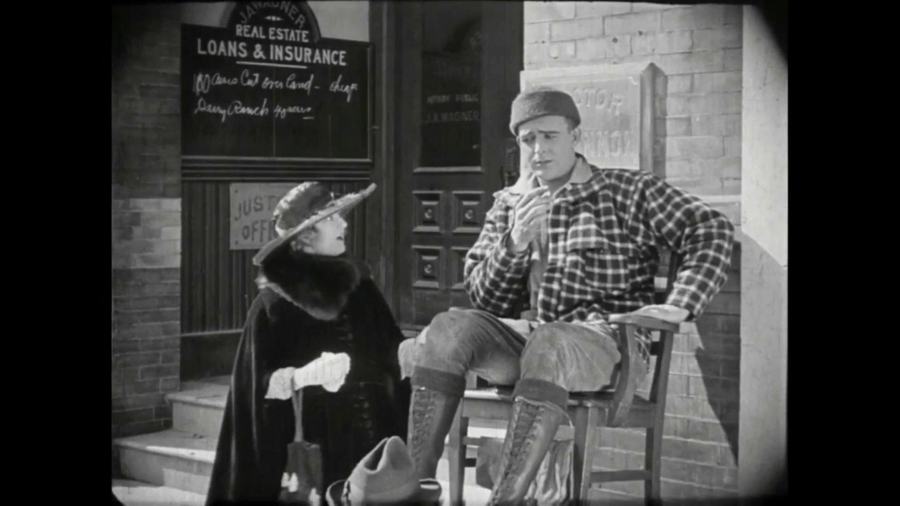
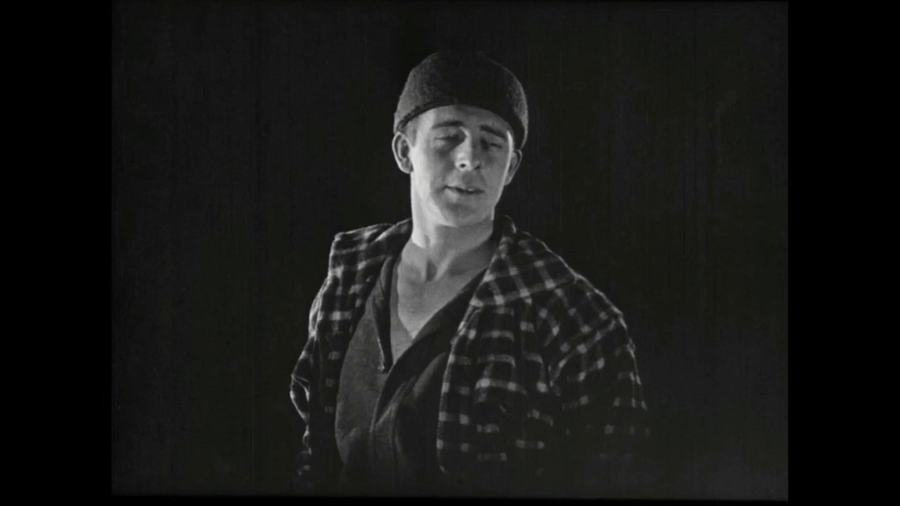
The cast of The Valley of the Giants delivers performances that are deeply evocative, a necessity in the silent era where every gesture and facial expression had to convey a wealth of emotion. Wallace Reid, a major star of his time, brings a compelling blend of youthful idealism and determined resolve to David Braden. His portrayal is nuanced, showcasing not only his character’s physical strength and engineering acumen but also his vulnerability and moral compass. He embodies the heroic archetype without descending into one-dimensionality, making David a character easy to root for.
Alice Terry, with her striking screen presence, imbues Shirley Sumner with intelligence and resilience. She is far from a passive love interest; her internal conflict and agency are conveyed with remarkable clarity, making her choices impactful and her character arc genuinely engaging. The supporting cast, including Aleth Hansen, Virginia Foltz, Richard Cummings, and the formidable Noah Beery, each contribute to the rich texture of the film's world. Beery, in particular, often excelled at playing formidable antagonists, and his presence undoubtedly adds menace and weight to the character of Colonel Peavy, making him a truly memorable villain whose ambition feels both palpable and threatening. The collective strength of these performances ensures that the human drama remains at the forefront, even amidst the grandeur of the setting and the spectacle of the logging operations.
The Valley of the Giants stands as a significant, if sometimes overlooked, entry in the canon of early American cinema. It captures a specific moment in time – the era of industrial expansion, the silent film's artistic zenith, and a burgeoning awareness of environmental impact. Its blend of high-stakes adventure, poignant romance, and compelling ethical dilemmas ensures its continued relevance. For cinephiles and historians alike, it offers a window into the narrative sophistication and technical ambition that characterized filmmaking over a century ago. The film is a powerful reminder that even without spoken dialogue, stories can convey immense depth, emotion, and intellectual challenge.
The enduring power of The Valley of the Giants lies not just in its thrilling plot or its stunning visuals, but in its ability to tap into universal human experiences: the struggle for survival, the pursuit of love, and the complex relationship between humanity and the natural world. It is a film that, much like the ancient redwoods it so beautifully depicts, stands tall against the test of time, its roots deeply embedded in the soil of cinematic history, continuing to offer shade and substance to those who seek it out. A true gem that deserves to be rediscovered and appreciated for its artistry and its timeless message, proving that some stories, much like certain trees, are simply built to last. It remains a testament to the power of early cinema to tackle grand themes with both spectacle and heart, leaving a lasting impression long after the final reel has spun its course.
IMDb 4.8
1926
Community
Log in to comment.