DbcultAccessing Vault...
7.6/10
Senior Film Conservator
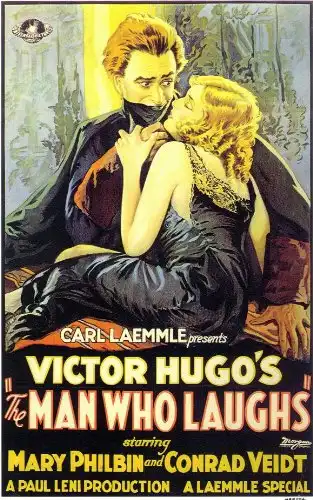
A definitive 7.6/10 rating for a film that redefined the boundaries of cult cinema. The Man Who Laughs remains a cornerstone of transgressive art.
If you come to The Man Who Laughs expecting a proto-slasher or a traditional Universal monster movie, you will be surprised. While it provided the visual DNA for the Joker, Paul Leni’s 1928 film is actually a sprawling, high-stakes melodrama about class cruelty and the burden of being a spectacle. It is absolutely worth watching today, not just as a historical curiosity, but as a masterclass in how silent cinema could communicate complex internal pain. It is for anyone who appreciates the dark, angular aesthetics of German Expressionism. It is probably not for those who find silent-era theatricality or slow-burn political subplots tedious.
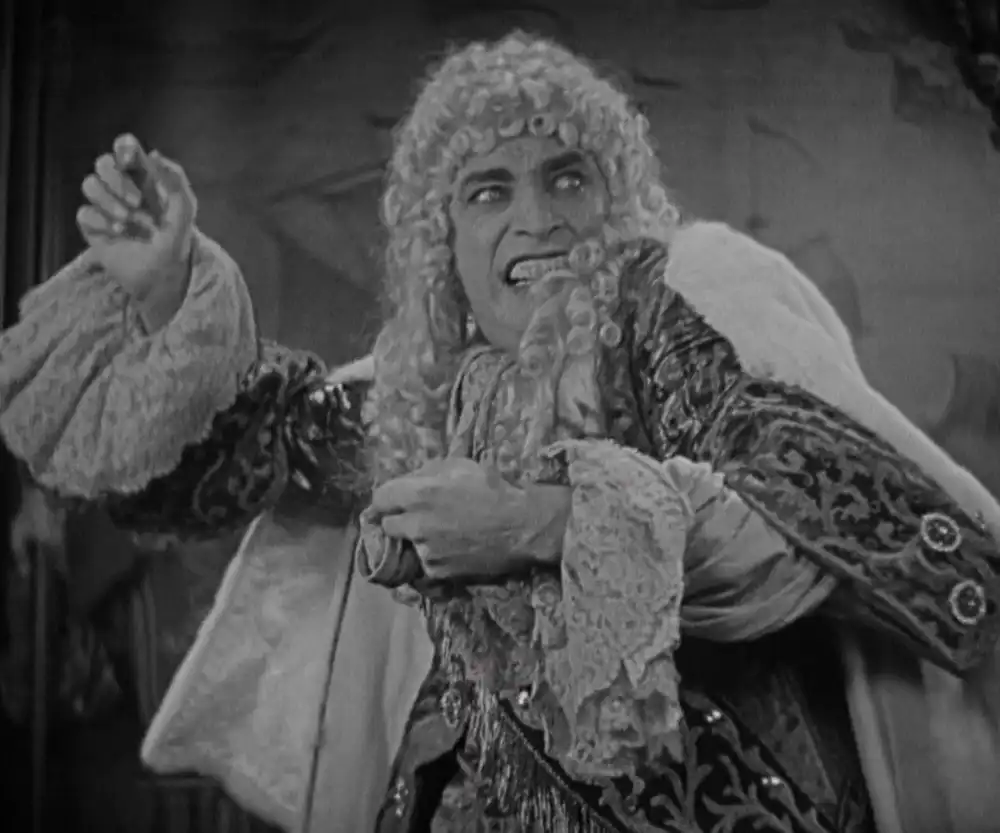
The film lives and dies on Conrad Veidt’s performance as Gwynplaine. It is a staggering physical feat. Because his character’s mouth is hooked into a permanent, toothy leer, Veidt is forced to act entirely with his eyes and his brow. There is a specific scene mid-way through the film where he is being mocked by the House of Lords; the camera stays tight on his face, and you can see the genuine exhaustion in his eyes as they well up with tears while the mouth remains frozen in a laugh. It is deeply uncomfortable to watch. It isn't 'scary' in the way modern audiences expect—it's pathetic in the classical sense of the word. You feel his shame.
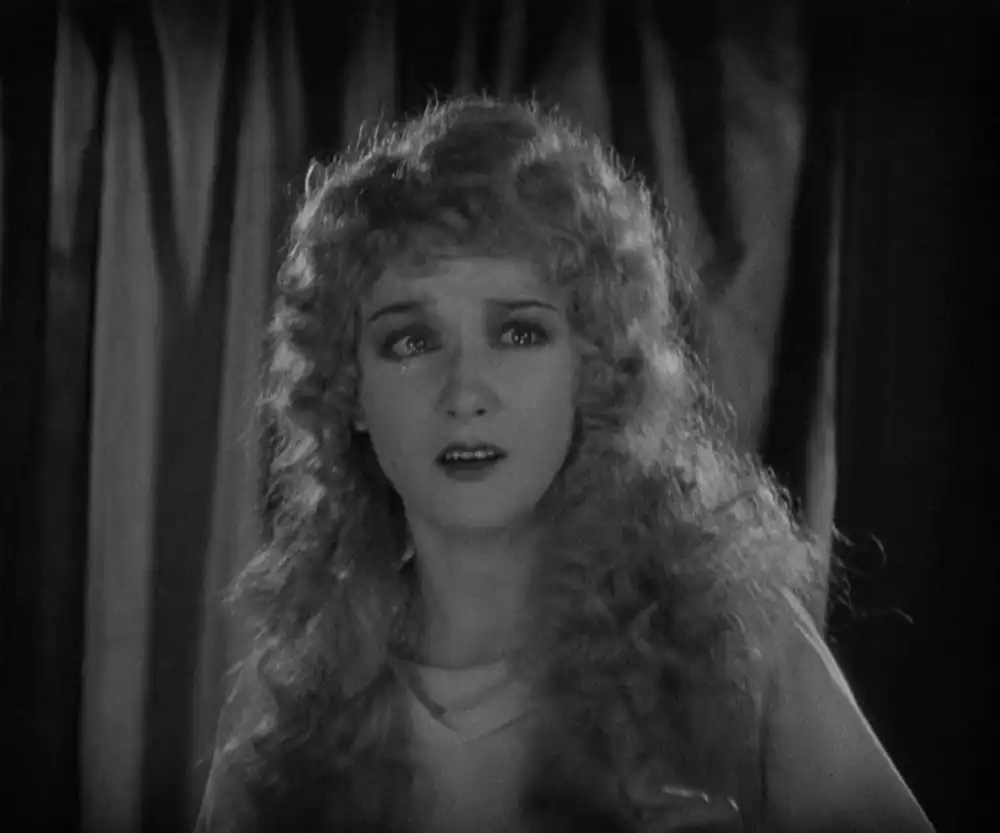
The makeup itself, designed by Jack Pierce (who later did Frankenstein), looks remarkably painful. In high-definition restorations, you can see the tension in the wires used to pull Veidt’s cheeks back. This physical reality adds a layer of grit to the performance that CGI could never replicate. When Gwynplaine tries to cover his mouth with his hand or a heavy cloak, the gesture feels like a reflex of a man who has been stared at for twenty years.
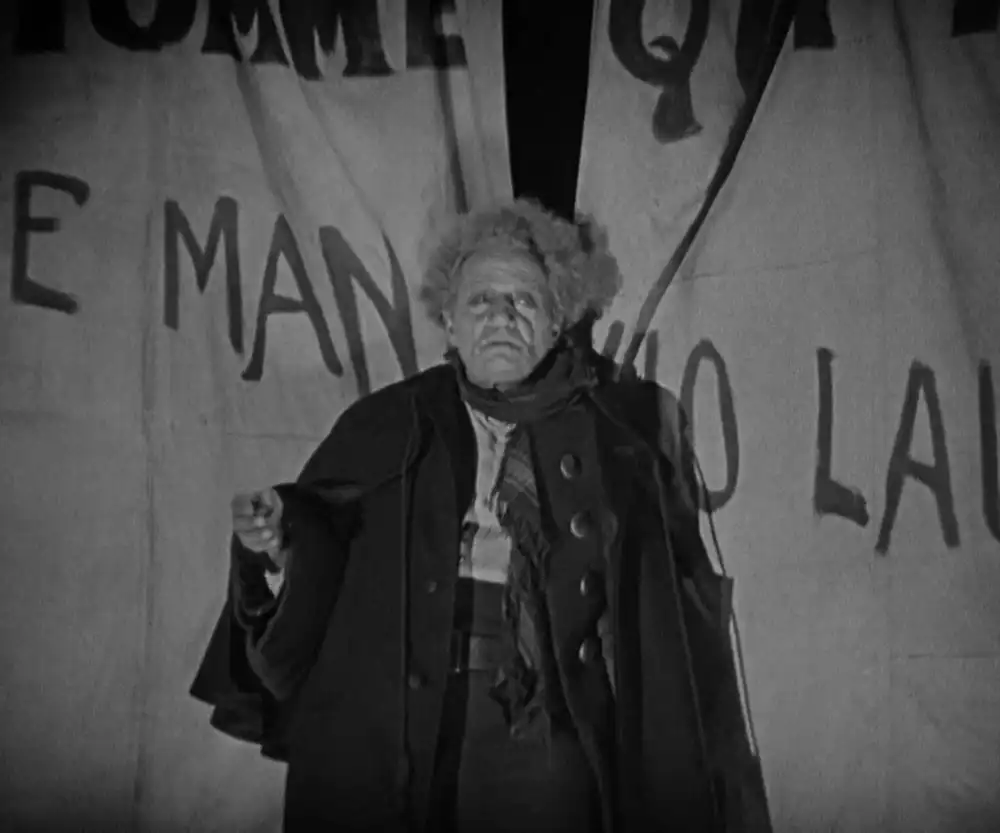
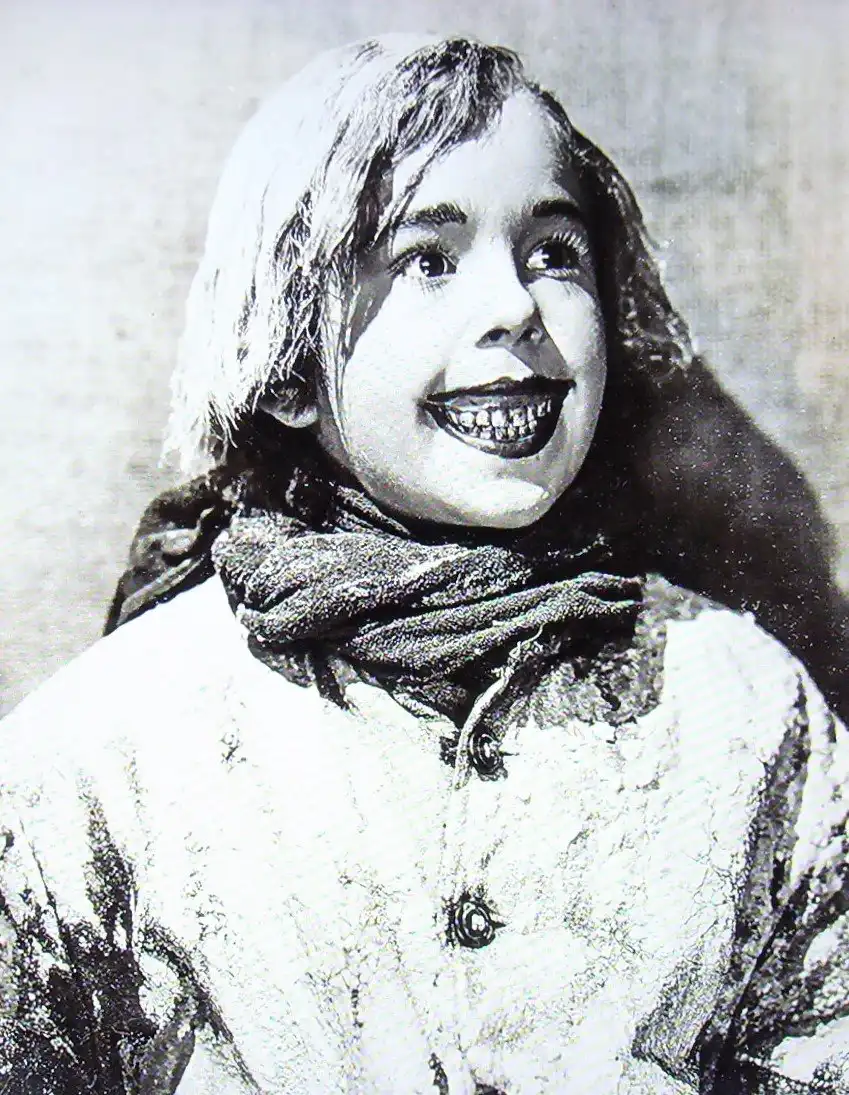
Director Paul Leni brought the shadows of the German UFA studios to Hollywood, and the result is a film that looks far more expensive and atmospheric than its contemporaries. The lighting choices are aggressive. Look at the early scenes in the snowstorm where the young Gwynplaine finds the infant Dea. The high-contrast blacks and whites make the landscape look like a charcoal drawing. The way the wind whips the heavy period costumes makes the environment feel genuinely hostile.
The set design of the London streets and the royal courts is equally impressive. There is a sense of scale here that feels oppressive. The House of Lords is depicted as a cold, cavernous hall where the individual is swallowed by the architecture. Leni uses these spaces to emphasize Gwynplaine’s isolation; even when he is surrounded by a crowd, the framing often places him at the bottom of the shot, dwarfed by the shadows of the elite.
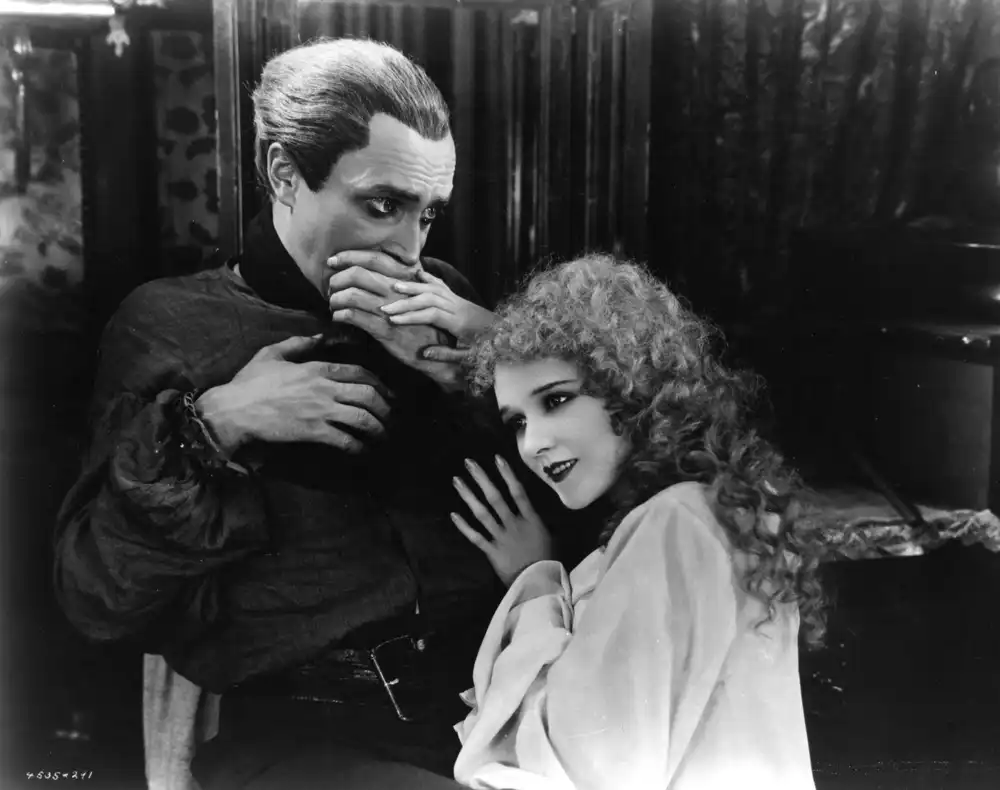
While the romance between Gwynplaine and the blind Dea (Mary Philbin) is the emotional core, the film is at its most interesting when it focuses on the villainy of the bored rich. Olga Baclanova plays the Duchess Josiana with a wonderful, predatory energy. There is a scene where she receives a letter while in a bathtub—a moment of surprisingly frank pre-Code sensuality—and her reaction to hearing about Gwynplaine’s deformity is one of twisted erotic curiosity rather than horror. She represents a society that views the suffering of the lower classes as a cure for boredom.
The pacing does hit a few snags in the second act. The political maneuvering regarding Gwynplaine’s inheritance and the machinations of the villainous Barkilphedro (Brandon Hurst) can feel a bit dry compared to the heightened emotion of the circus scenes. Hurst plays the villain with a permanent, oily smirk that rivals Gwynplaine’s surgical one, but his scenes sometimes drag out the exposition longer than necessary.
One detail that only someone who sits through the full cut will notice is the performance of Zimbo the Dog. In many silent films, animals are just props, but Zimbo is used effectively as a barometer for the film’s tension. During the chaotic final chase across the docks, the dog’s frantic energy actually helps drive the pacing when the editing starts to feel a little repetitive.
Another striking visual is the use of the 'Iron Maiden' in the prologue. It’s a brief, brutal moment that sets the tone for the King’s cruelty. The film doesn't shy away from the physical reality of 17th-century torture, which makes Gwynplaine’s later 'gentle' life in the circus feel like a fragile sanctuary.
The Man Who Laughs is a heavy film, both visually and emotionally. It lacks the campiness of later horror cycles and instead opts for a sincere, often exhausting exploration of social exclusion. It isn't a 'fun' watch, but it is a powerful one. The ending, which deviates significantly from Victor Hugo’s much darker novel, might feel a bit like a Hollywood concession, but by the time you get there, you’ll likely find yourself rooting for the characters to have some semblance of peace. It remains a pinnacle of the silent era, proving that the most effective monsters are usually the ones created by other people.
IMDb —
1922
Community
Log in to comment.