
DbcultAccessing Vault...
5.7/10
Senior Film Conservator
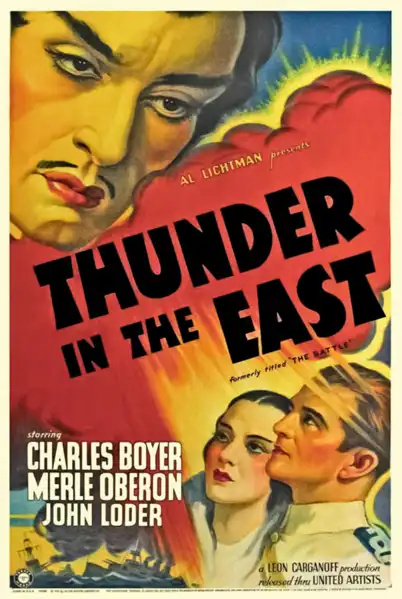
A definitive 5.7/10 rating for a film that redefined the boundaries of cult cinema. Thunder in the East remains a cornerstone of transgressive art.
If you have a soft spot for black-and-white dramas where everyone speaks in measured, slightly stiff sentences, you might get a kick out of this. It is definitely not for anyone who needs a fast pace or a plot that isn't mostly people standing around in rooms looking worried.
Honestly, watching Thunder in the East feels a bit like digging through a dusty attic. You find some real treasures in the acting, but you also trip over a lot of dated tropes.
There is this one scene where the tension is supposed to be sky-high, but the camera just kind of sits there. It lingers on Merle Oberon’s face for so long I started wondering if the projector had jammed. It’s awkward, but in a way that feels oddly human.
Charles Boyer plays the Japanese officer with this intensity that feels like he’s trying to hold back a dam with his bare hands. He’s the best part of the whole thing, mostly because he looks like he’s having a nervous breakdown in every single frame. 😬
The whole premise—the husband pimping out his wife for state secrets—is treated with this weird, 1930s-style detachment that is hard to sit through today. It’s not that the movie is "wrong" for doing it, but it creates this barrier where you can’t quite root for anyone.
It reminds me a little of the pacing issues in The Love of Sunya, where the silence starts to feel heavier than the dialogue. You can feel the directors pushing the drama, but it lacks that spark to make the stakes actually feel dangerous.
It’s not a masterpiece, and it’s definitely not for everyone. But if you’re a fan of early international co-productions like Paris-Cinéma, you’ll probably find enough here to keep you watching. Just don't expect it to change your life.