Charlotte Stevens
actress
- Born:
- 1902-08-25, Chicago, Illinois, USA
- Died:
- 1946-10-28, Los Angeles, California, USA
- Professions:
- actress
Biography
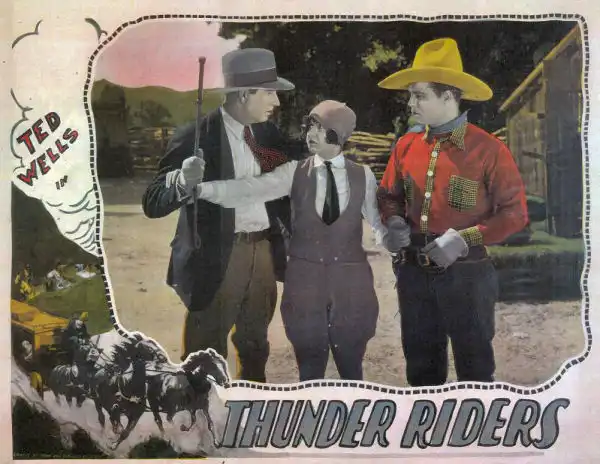
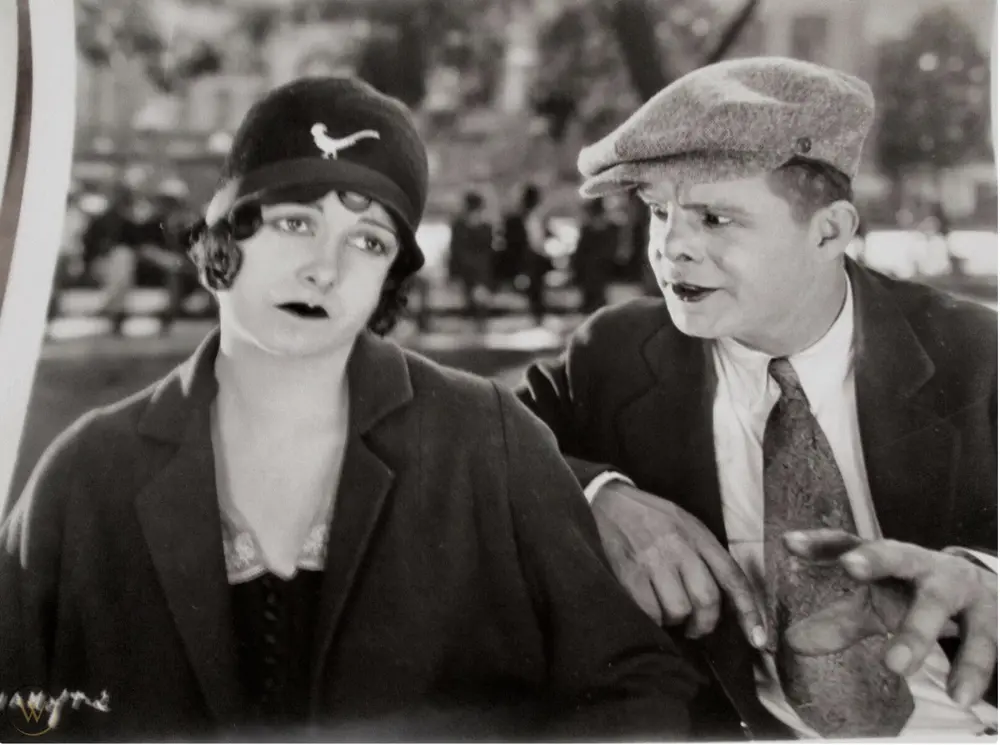
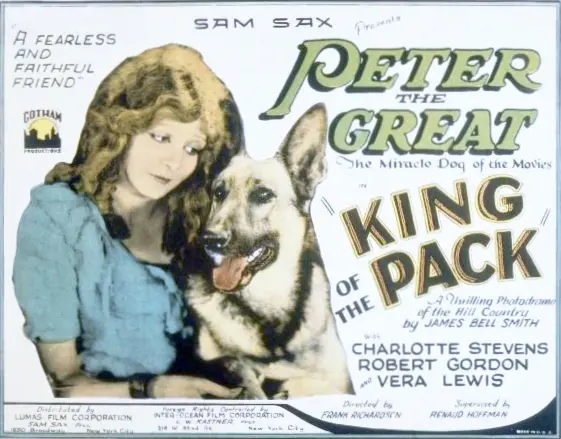
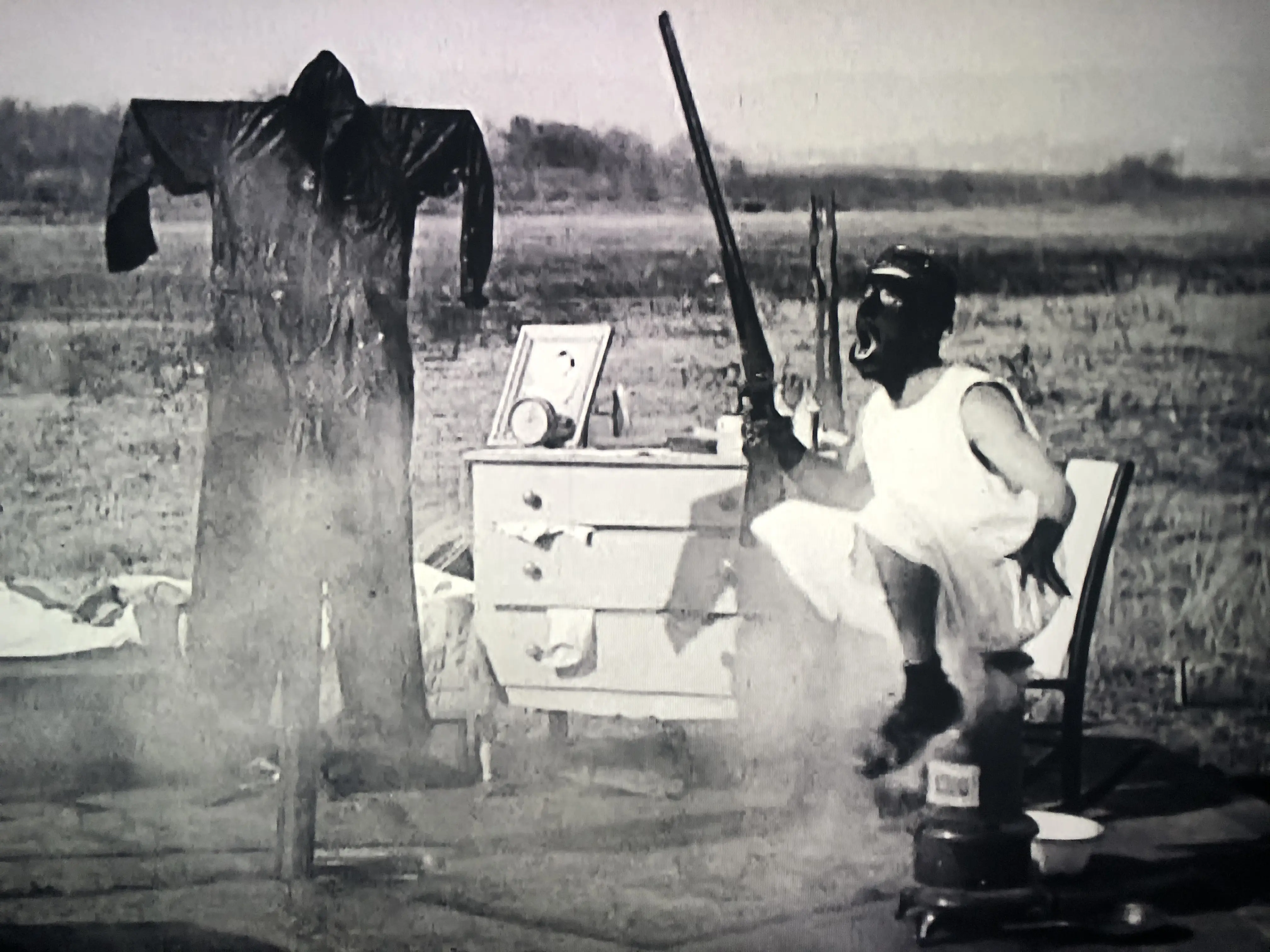
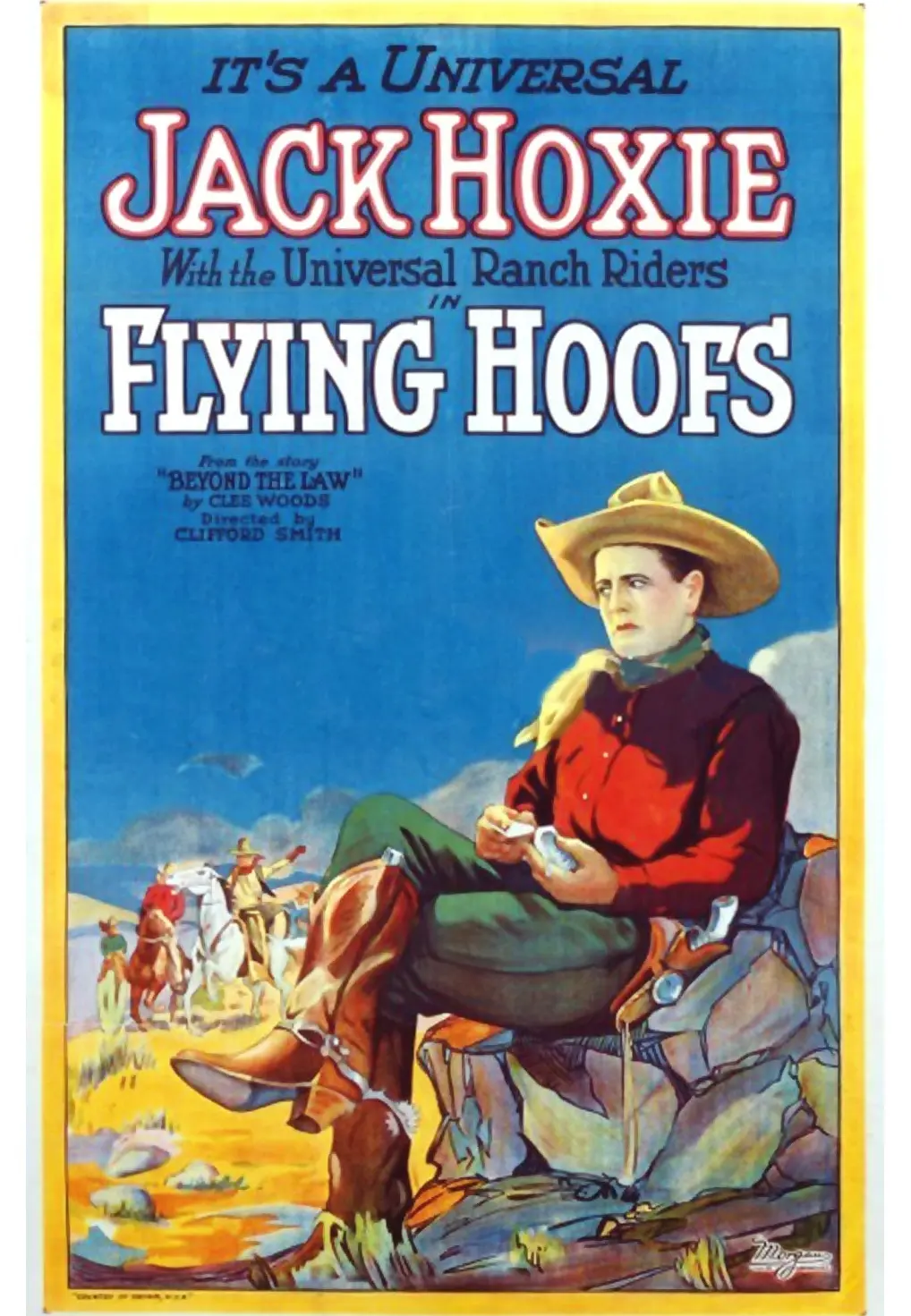
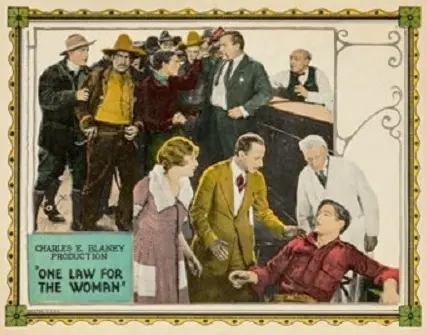
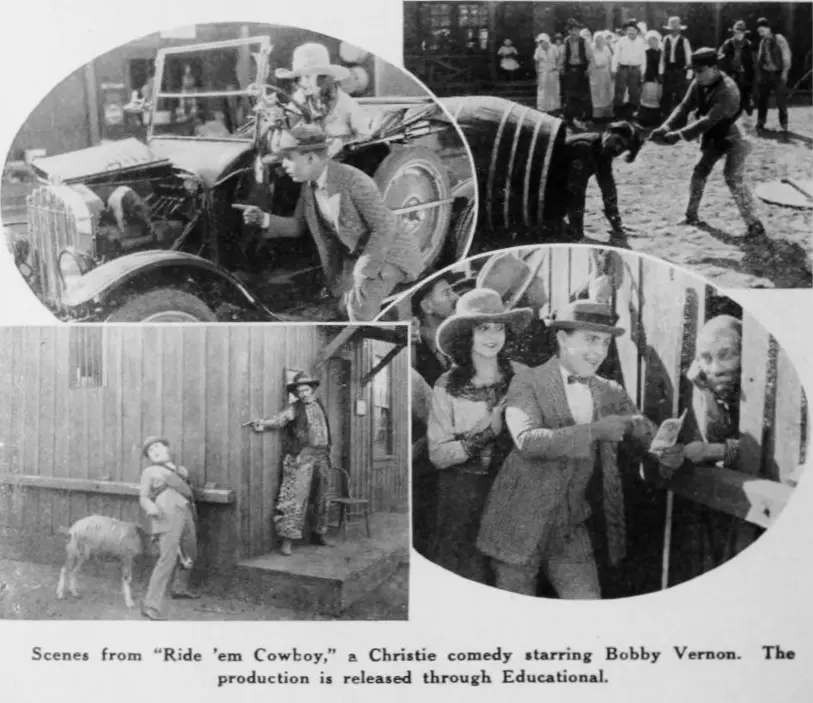
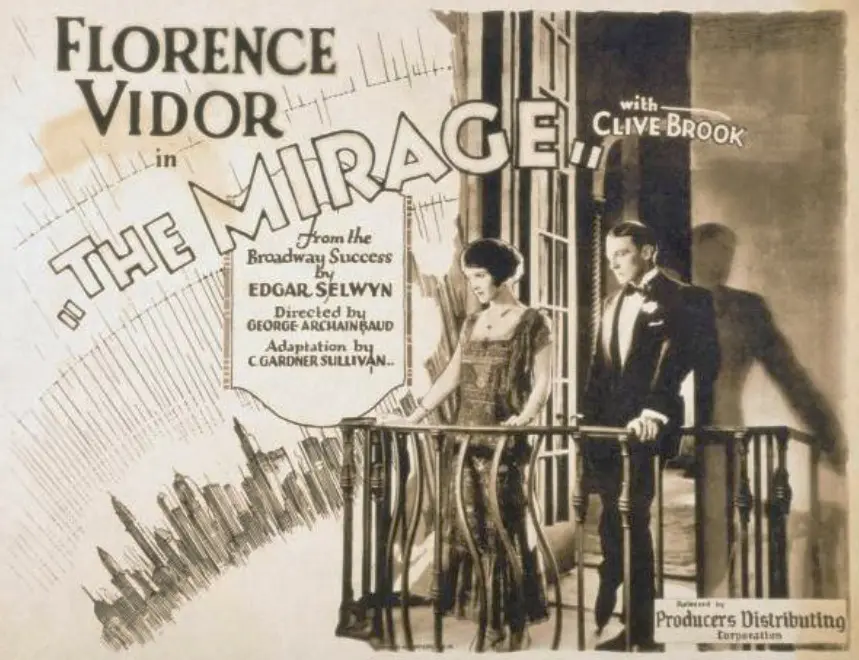
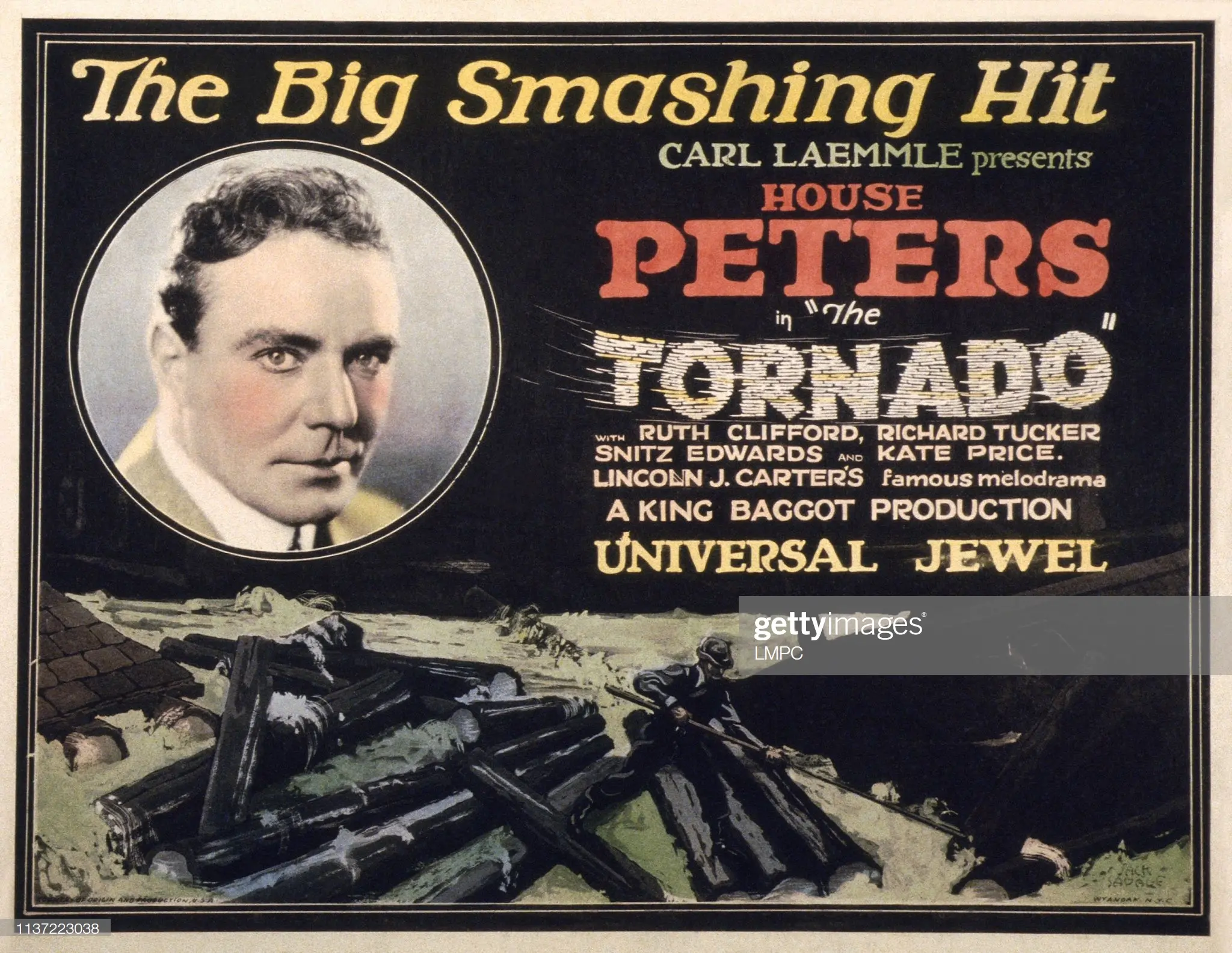
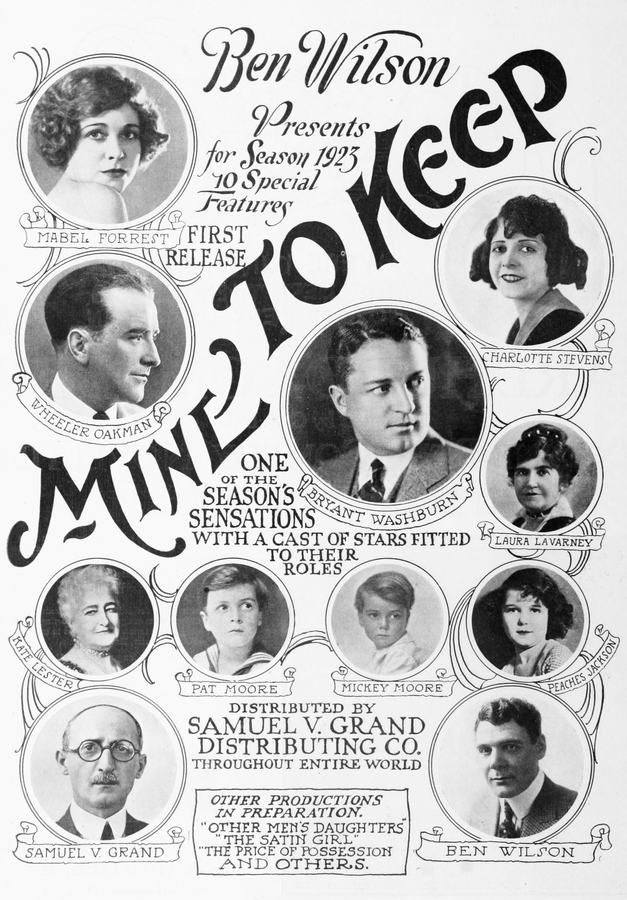
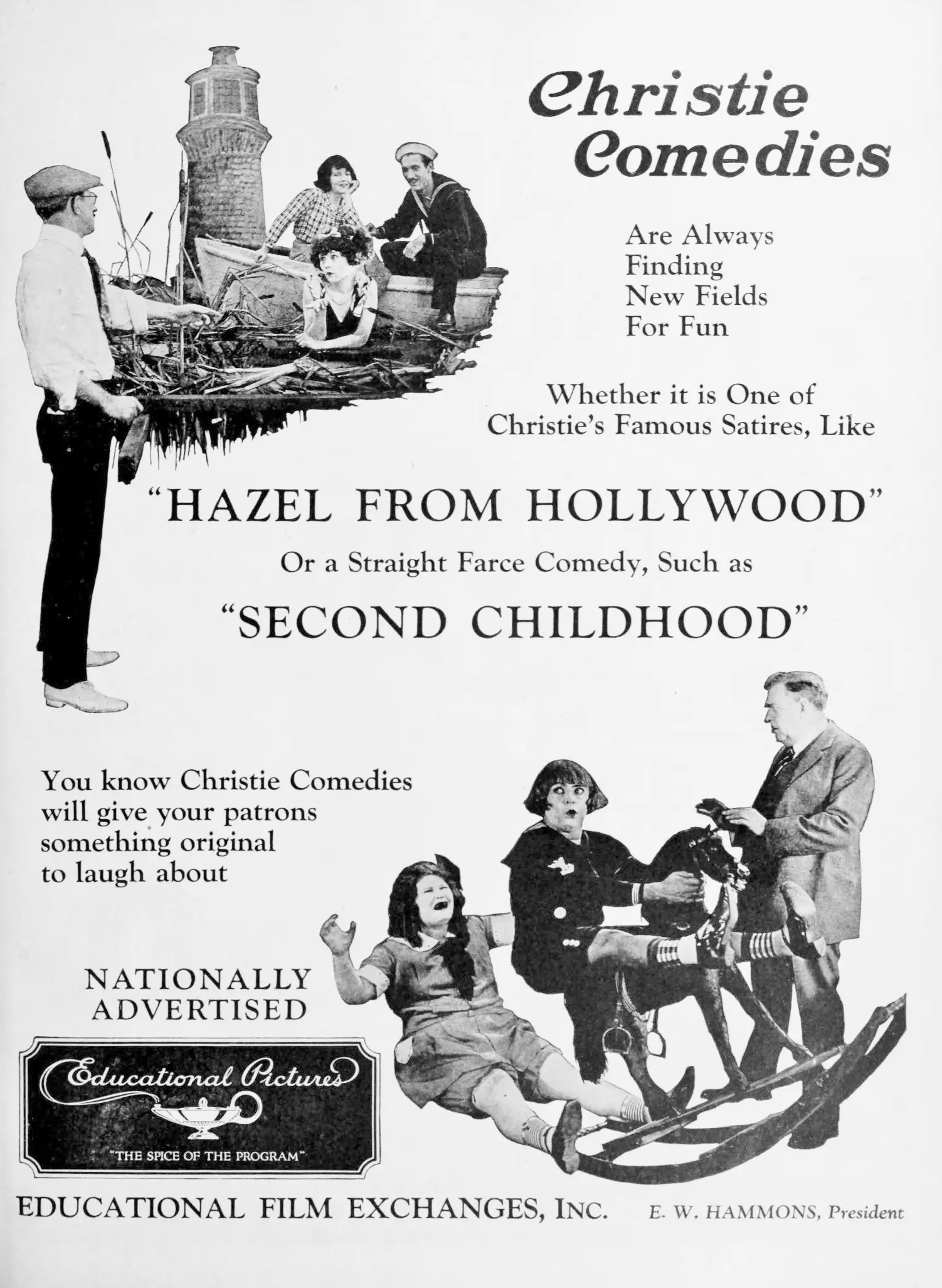
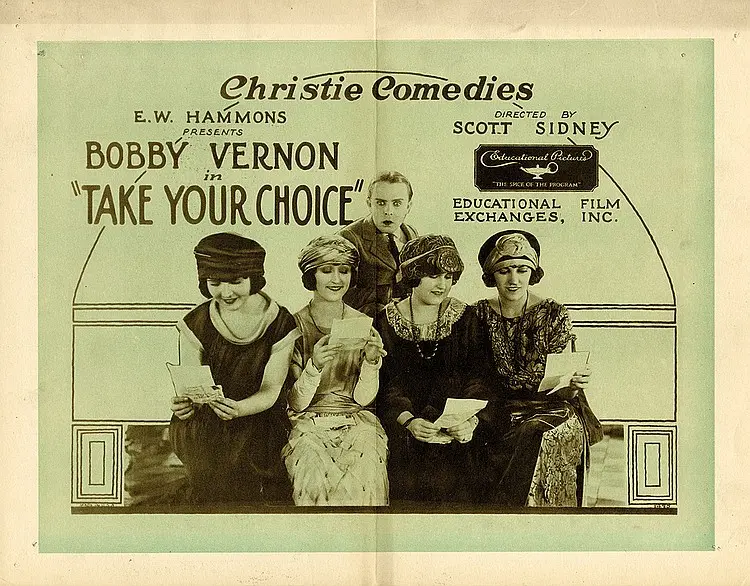
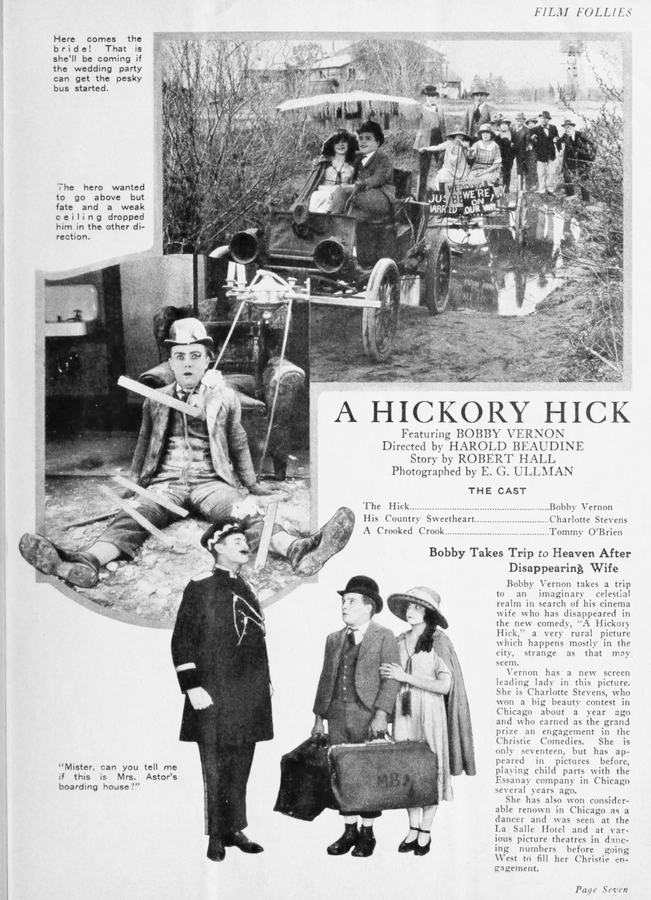
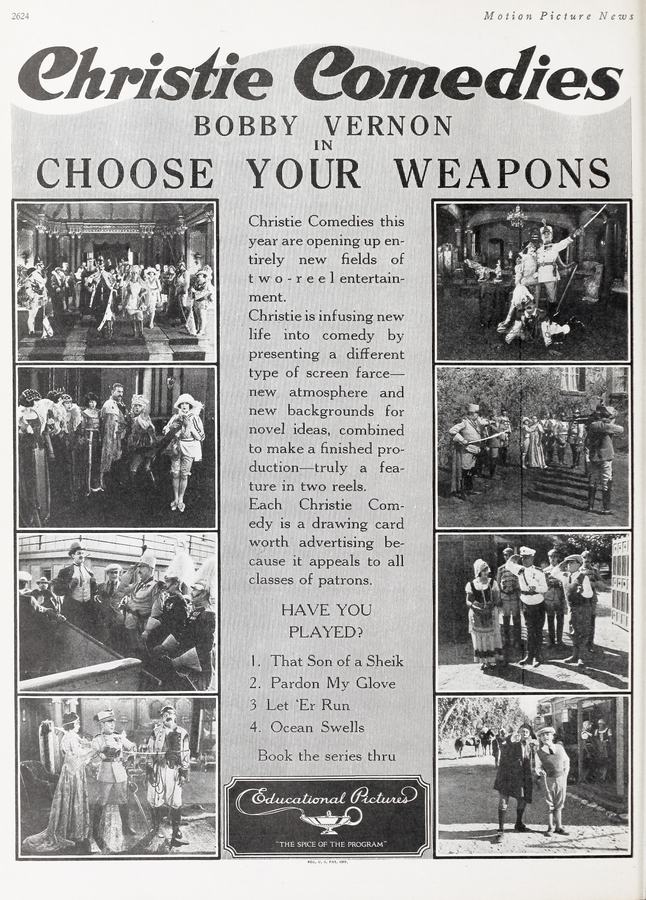
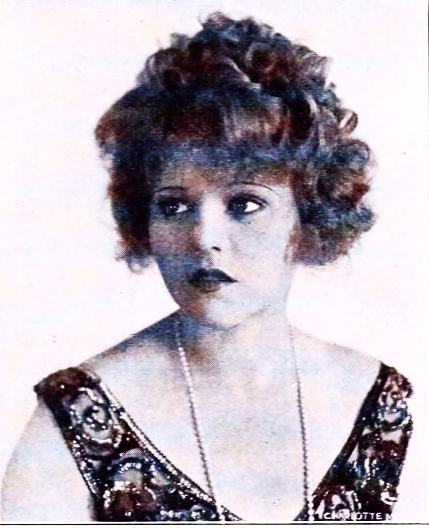
In the bustling city of Chicago, Illinois, Margaret Charlotte Stevens was born on August 25, 1902, to a family that would soon be marked by separation and sporadic reunions. Her father, Frederic H. Stevens, worked abroad in the Philippines, leaving Charlotte to see him only once a year, a circumstance that would shape her early life. Despite this, she found solace in the arts, taking dancing and singing lessons as a child, which would eventually propel her into the spotlight. At just twelve years old, Charlotte made her film debut in the Chicago-filmed movie Your Girl And Mine, a precursor to the bright lights and big screens that awaited her. As she blossomed into a young woman, Charlotte's beauty and charm caught the attention of the Chicago Journal, which crowned her the winner of a beauty contest in the spring of 1921. The prize was a contract with Christie Studios in Hollywood, the epitome of cinematic glamour. It was here that she met Bobby Vernon, with whom she would star in the 1922 comedy A Hickory Hick, the first of seven films they would make together over the next year, including Take Your Choice, Second Childhood, and Choose Your Weapons. This prolific partnership would cement her status as a rising star. Charlotte's subsequent move to Universal studios brought her supporting roles in the dramas The Tornado and The Mirage, alongside the illustrious Florence Vidor. Critics praised her performances, drawing comparisons to the revered Norma Talmadge. Standing at just five feet three inches tall, with dark brown hair and eyes, Charlotte's petite frame belied a larger-than-life presence on screen. In 1925, Charlotte reunited with Bobby Vernon for the comedy Air Tight, a collaboration that would prove to be a fleeting highlight in a career that was beginning to lose momentum. Her final film role was in the 1928 western Thunder Riders, a swan song that marked the end of her cinematic aspirations. On December 6, 1928, she married salesman Paul F. Madden, but the union was short-lived, ending in divorce in April 1931 due to his struggles with alcoholism, a problem that would also come to haunt Charlotte. Though her film career had stalled, Charlotte continued to tread the boards, appearing in plays such as That Ferguson Family and The Butter And Egg Man in Los Angeles. However, her personal struggles eventually took their toll, and she abandoned the stage to start anew as a dietitian. A second marriage to salesman Fred Brown brought a measure of stability, and the couple settled into a house on Flower Street in Los Angeles. Tragedy struck when Charlotte's only brother, Lee, was killed in action during World War 2, leaving her heartbroken. In the end, it was Charlotte's own demons that would prove to be her downfall. She died on October 28, 1946, at the tender age of forty-four, with her death certificate attributing her passing to either cirrhosis of the liver or an esophageal hemorrhage, both grim consequences of chronic alcoholism. She was laid to rest at Forest Lawn Memorial Park in Glendale, California, a poignant reminder of a life that had burned brightly, but all too briefly.
Filmography
In the vault (22)