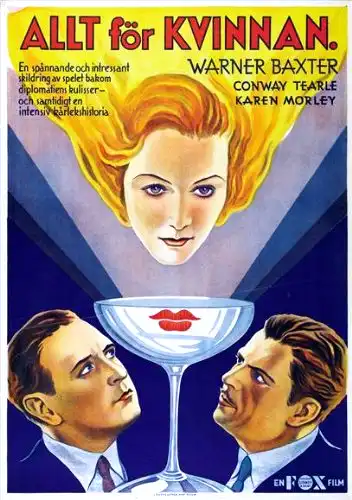
Conway Tearle
actor, writer
- Birth name:
- Frederick Levy
- Born:
- 1878-05-17, New York City, New York, USA
- Died:
- 1938-10-01, Hollywood, California, USA
- Professions:
- actor, writer
Biography
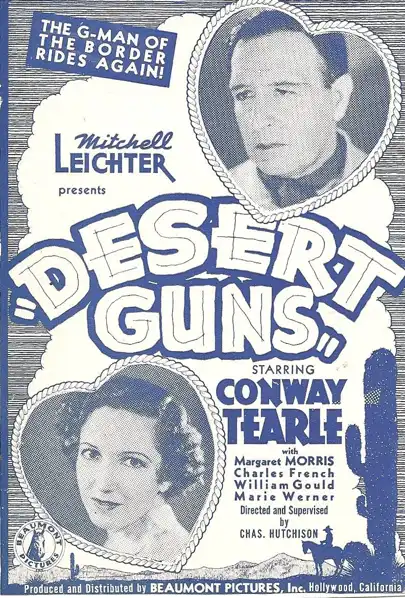
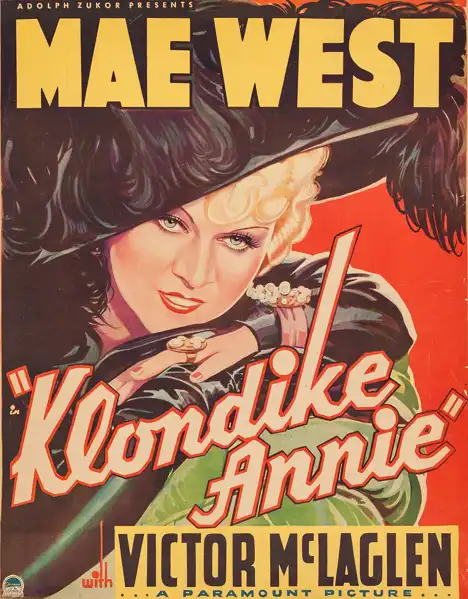
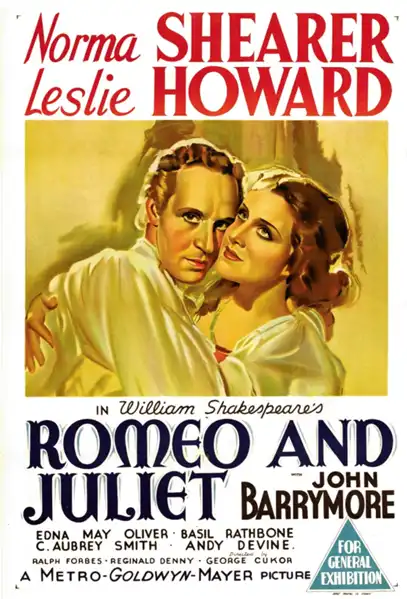
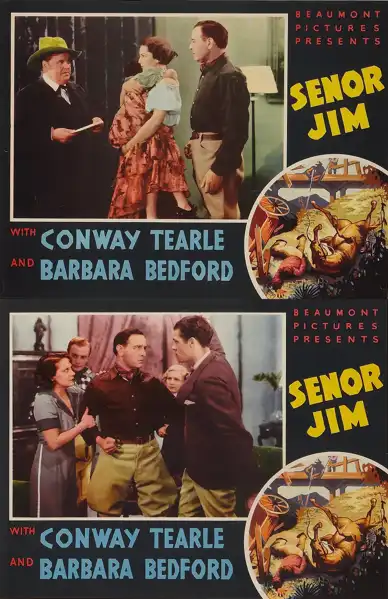
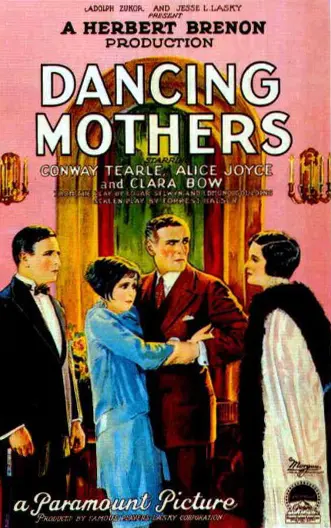
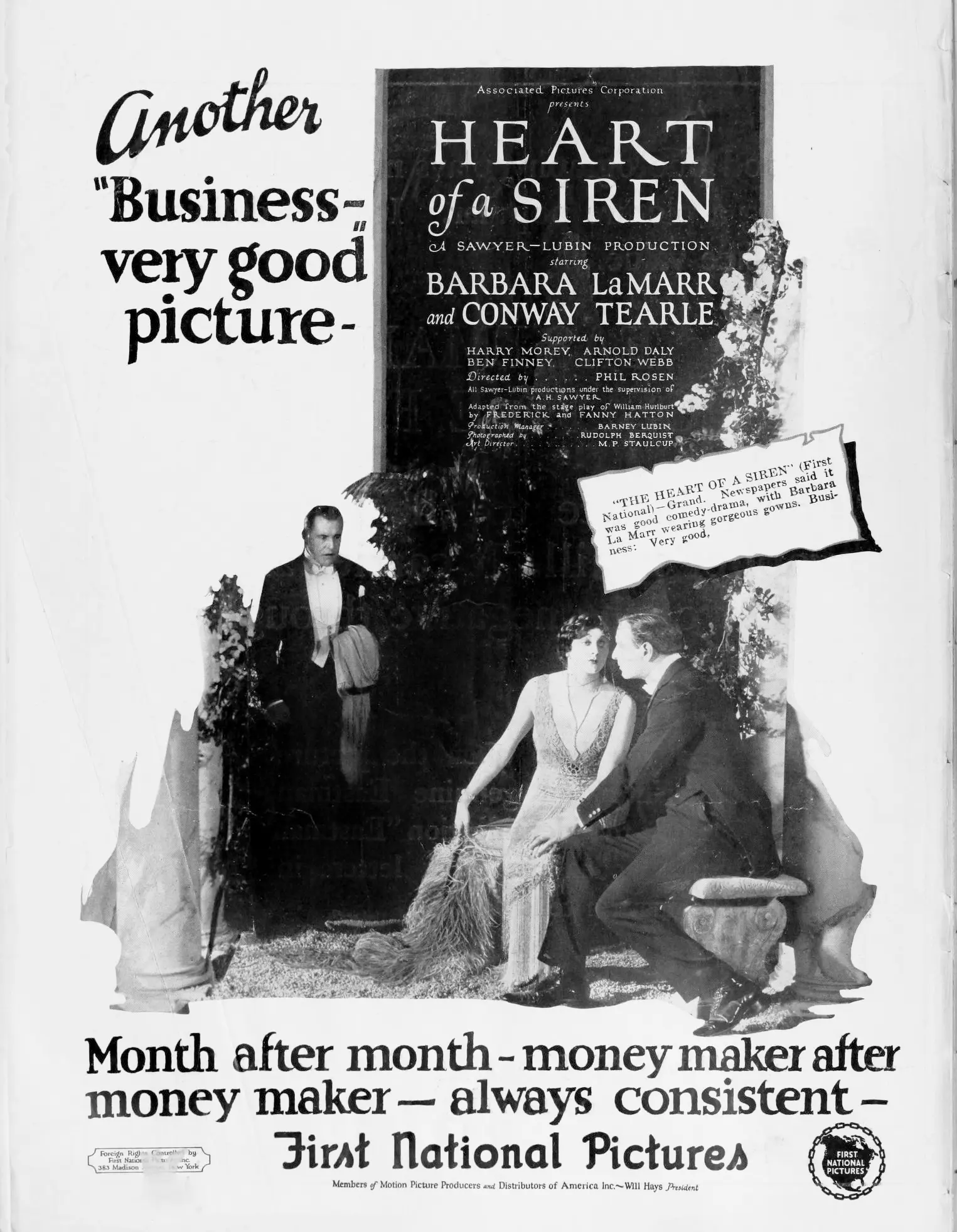
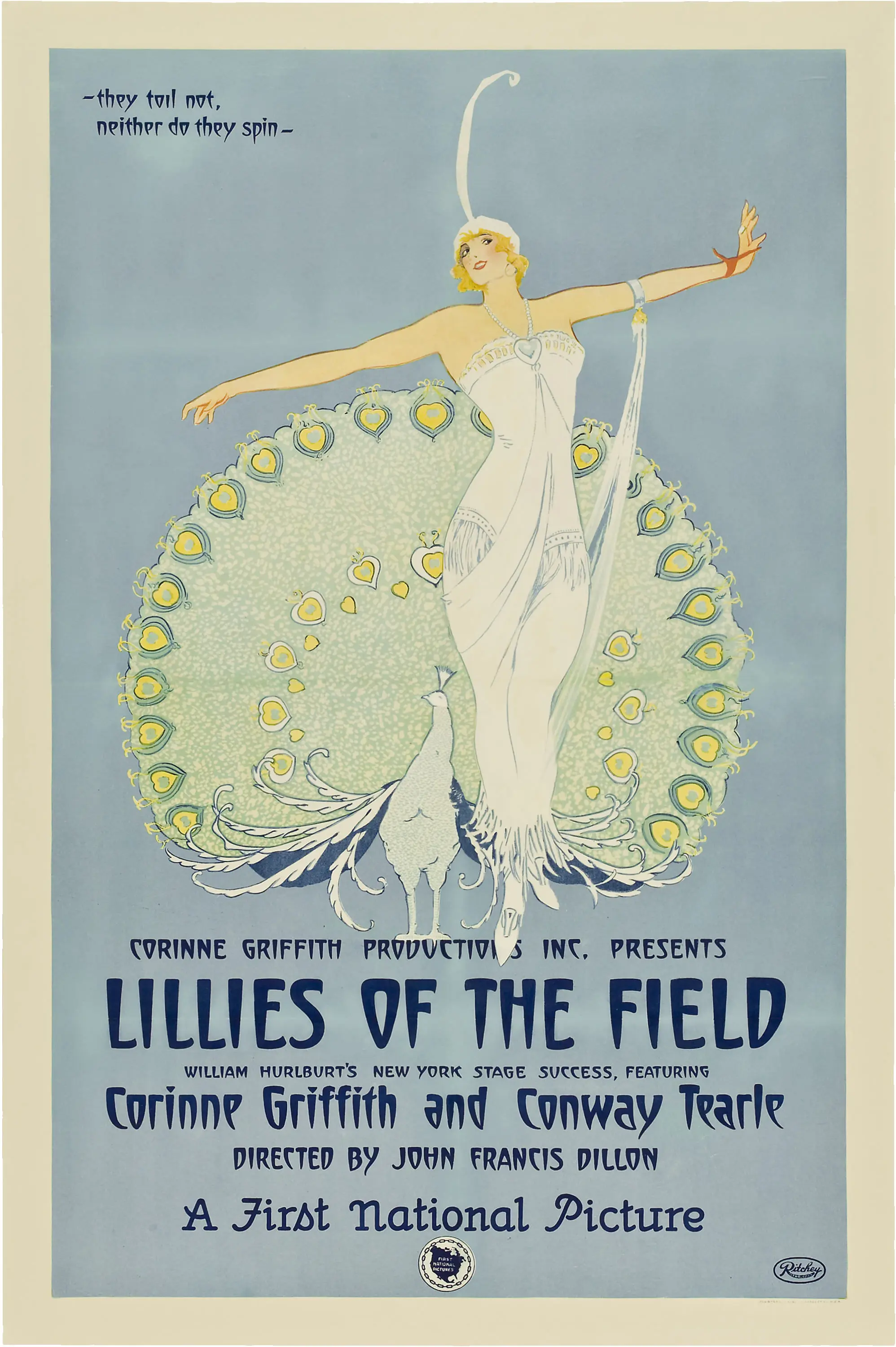
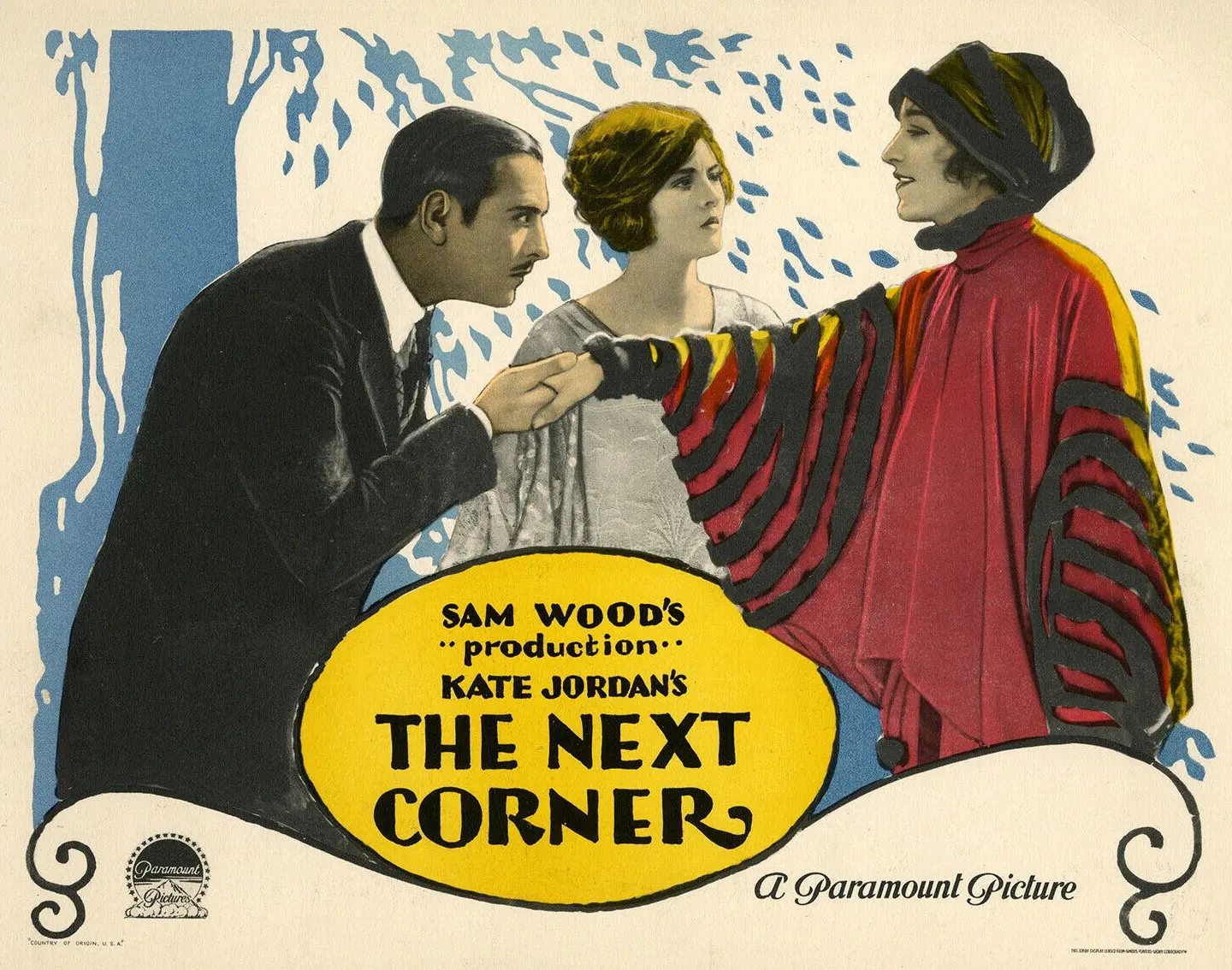
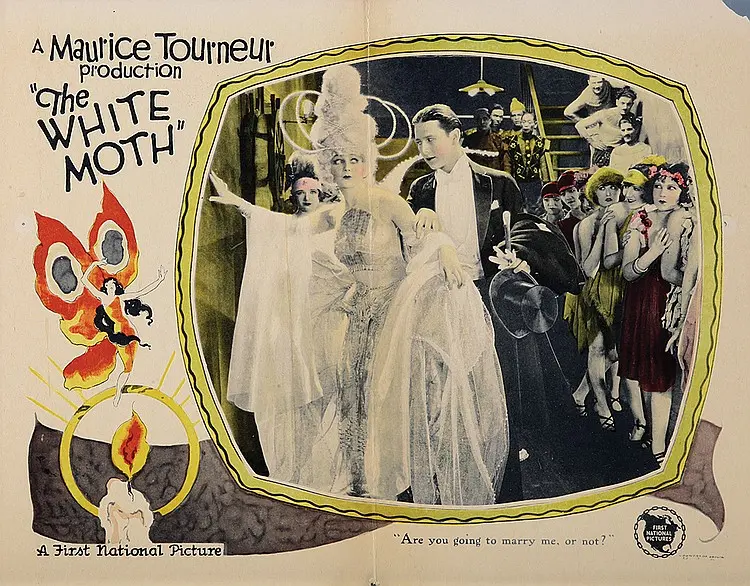
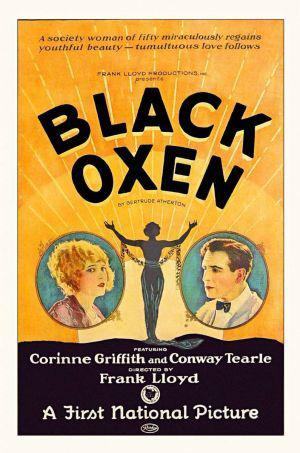
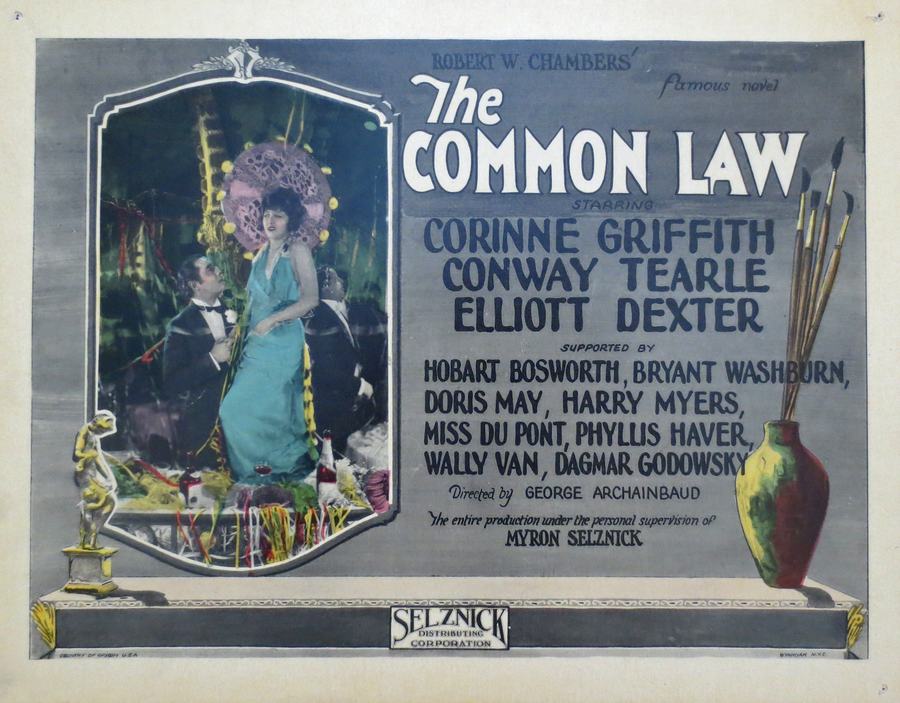
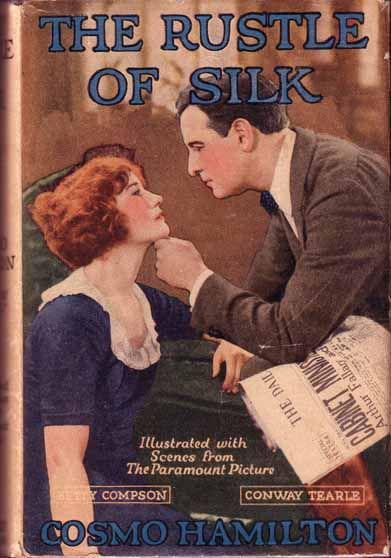
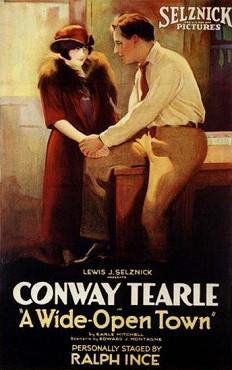
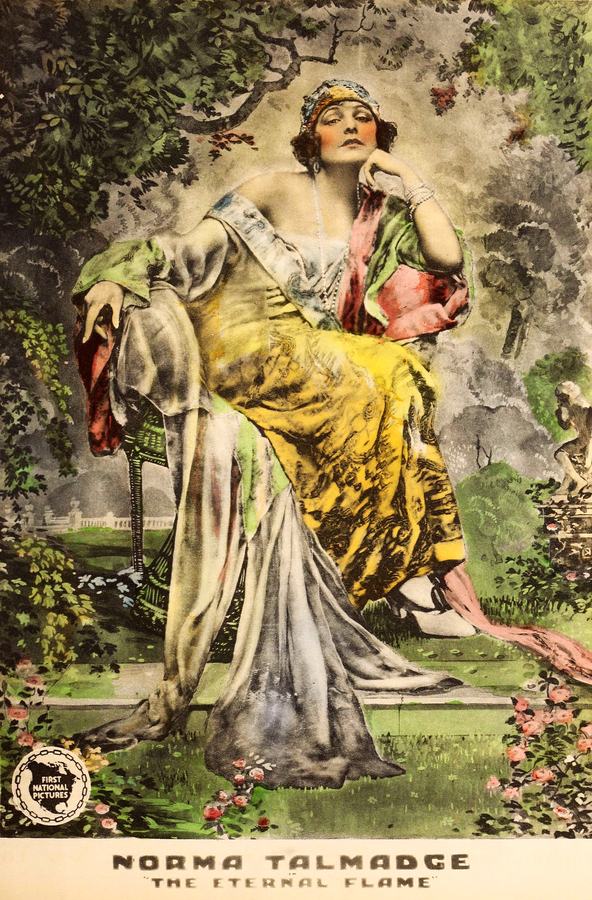
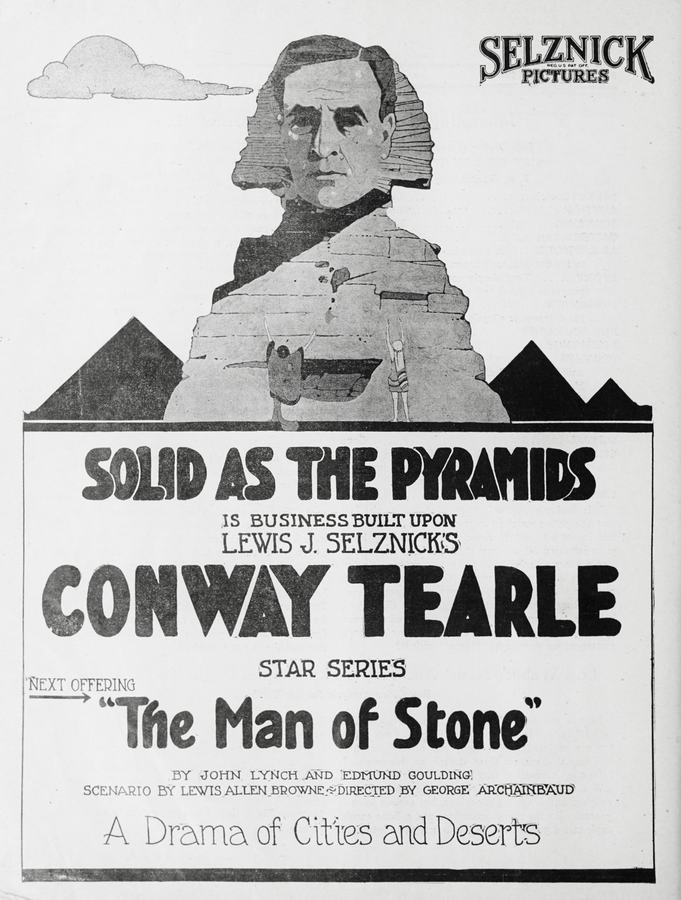
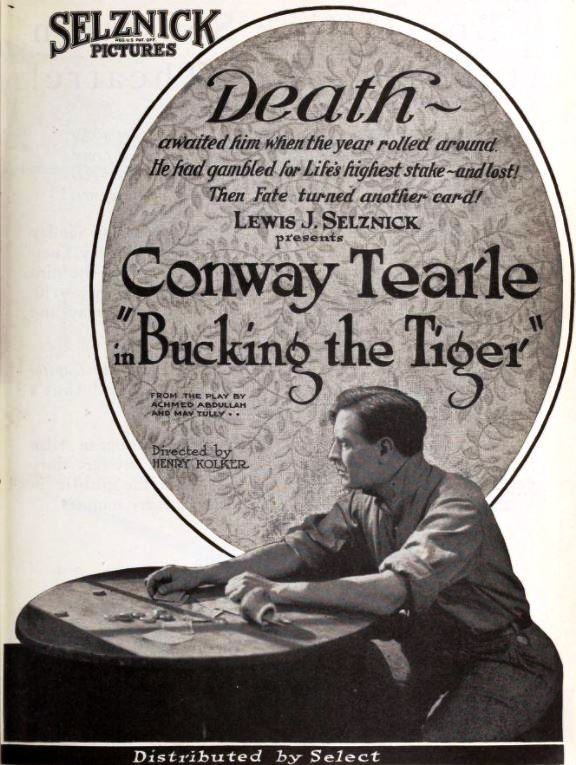
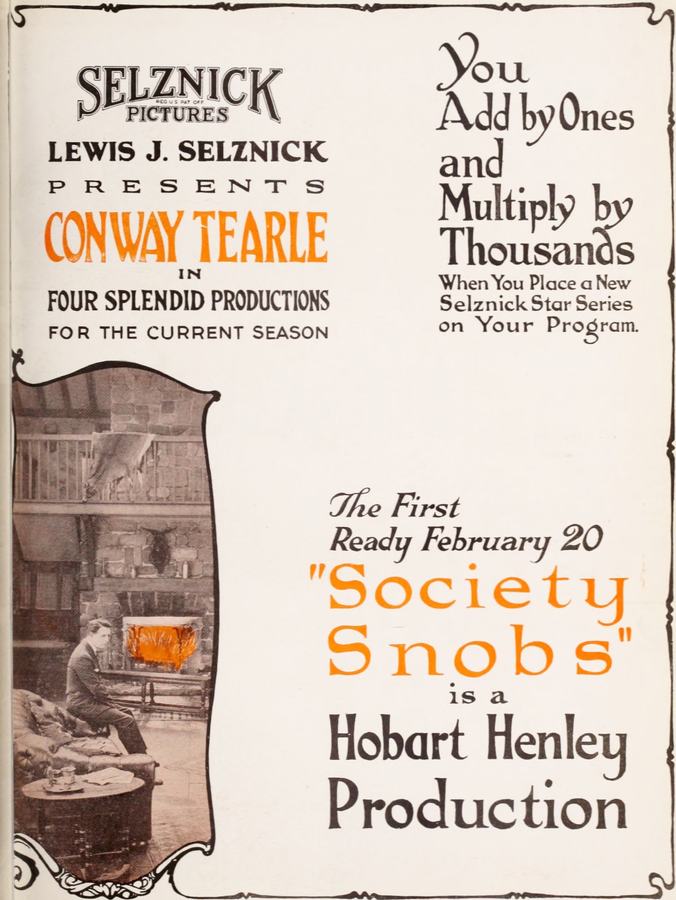
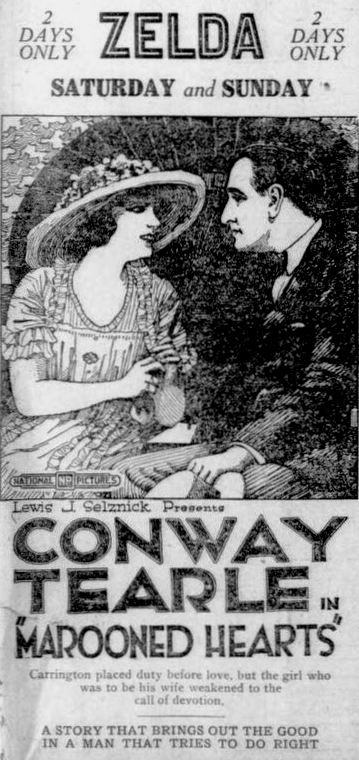
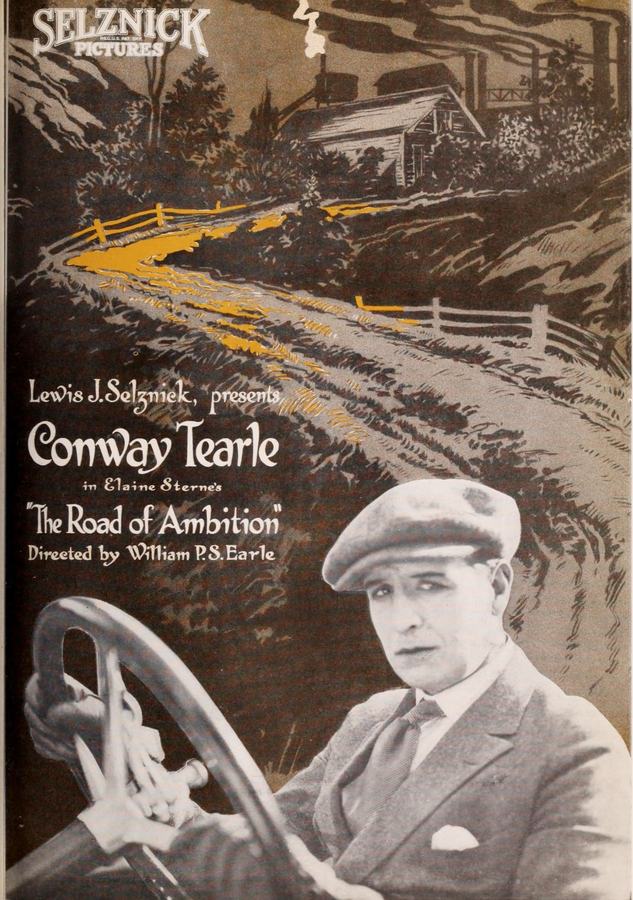
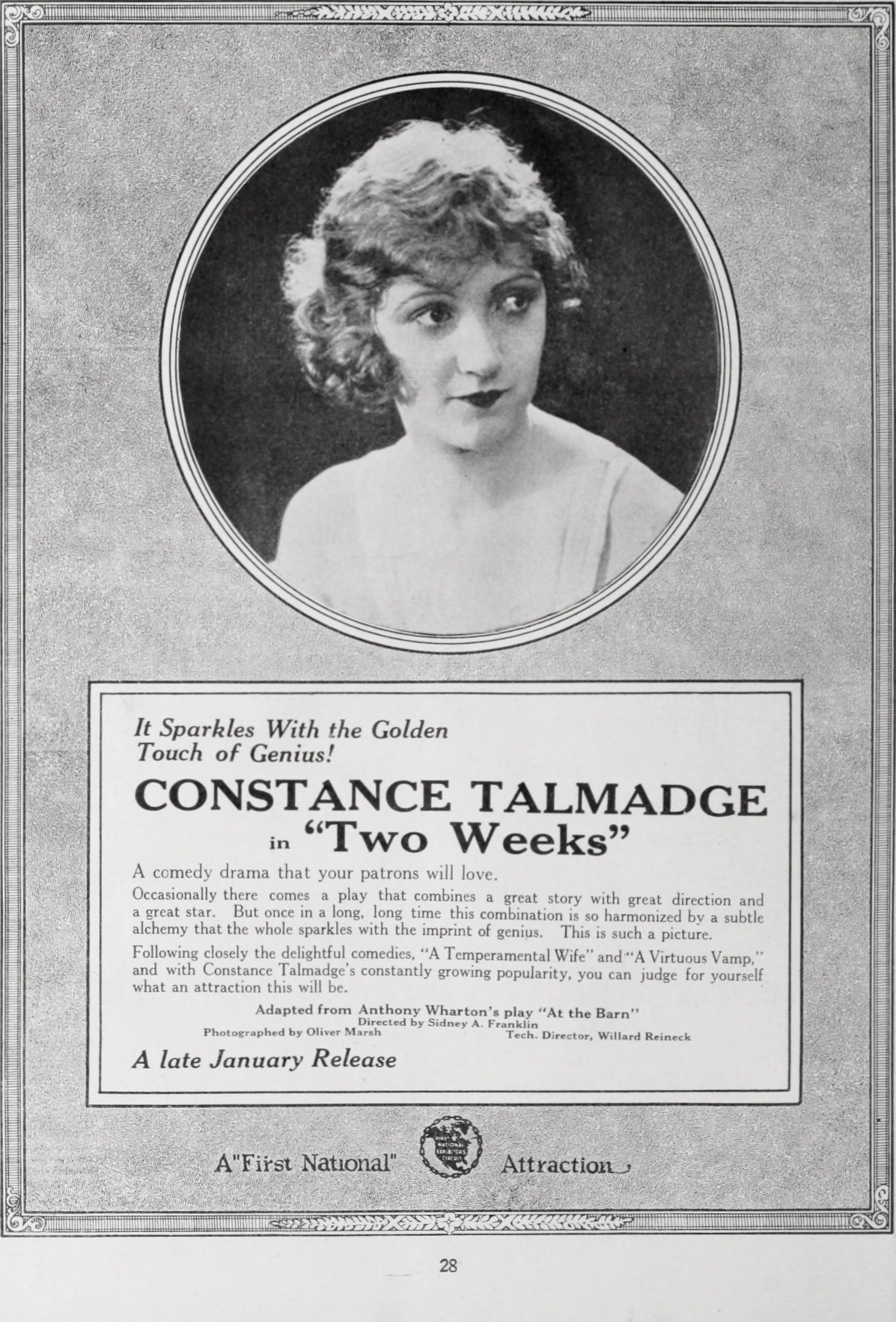
In the city that never sleeps, a dashing figure emerged to captivate the hearts of silent film's most revered leading ladies. Born on May 17, 1878, in New York City, Frederick Conway Levy, later known as Conway Tearle, was destined for stardom. His parents, Jules, a jazz musician, and Marianne Conway, a talented American actress, instilled in him a passion for the performing arts. Following his parents' divorce, Conway's mother married the esteemed British Shakespearean actor and theatre manager Osmond Tearle, and the young boy was whisked away to England at the age of 10 to be raised amidst the thrill of the theatre. As he honed his craft on his stepfather's stage, Conway experimented with various monikers, eventually settling on the name that would become synonymous with romance and drama: Conway Tearle. His return to the United States in 1905 marked the beginning of a remarkable journey, with his Broadway debut in "Abigail" that same year. For nearly a decade, he proved himself to be a dependable and charming leading man, before making his foray into the world of cinema in 1914. His half-brothers, Godfrey and Malcolm Tearle, would also follow in his footsteps, gracing both stage and screen with their talents. Conway's filmography is a testament to his ability to effortlessly embody the roles of dashing heroes and ardent lovers, often in "women's pictures" that showcased his versatility. Notable performances include his turns in Helene of the North (1915) alongside Marguerite Clark, The Foolish Virgin (1916) and The Common Law (1916) with Clara Kimball Young, Stella Maris (1918) opposite the incomparable Mary Pickford, A Virtuous Vamp (1919) with the charming Constance Talmadge, She Loves and Lies (1920) and The Eternal Flame (1922), both alongside the captivating Norma Talmadge, Lilies of the Field (1924) featuring the lovely Corinne Griffith, and Dancing Mothers (1926) starring the effervescent Clara Bow. As the film industry transitioned to sound, Conway seamlessly adapted, continuing to shine as a leading star and supporting actor in a string of "B" level pictures. Conway's cinematic career drew to a close with a memorable appearance in Klondike Annie (1936), where he was spurned by the sultry Mae West, and a lesser role in the grand production of Romeo and Juliet (1936), starring the illustrious Norma Shearer and Leslie Howard. His final stage performance came in 1937, with the comedy "Hey, Diddle Diddle," which, due to his failing health, was forced to close prematurely in Washington, D.C. before it could make its Broadway debut. On October 1, 1938, at the age of 60, Conway Tearle's remarkable life came to an end, as he succumbed to a heart attack in Hollywood, leaving behind a legacy of romance, drama, and a trail of broken hearts on the silver screen.
Filmography
In the vault (62)