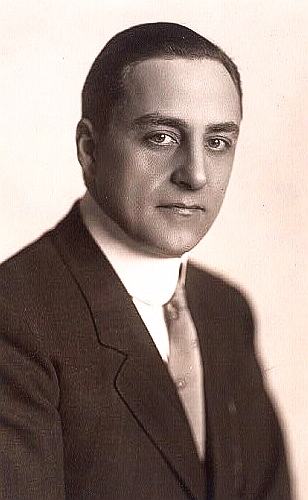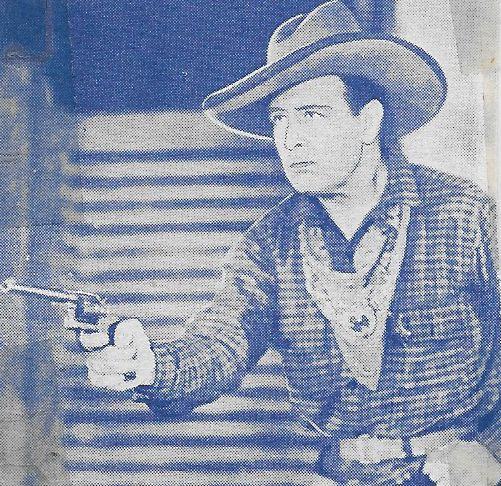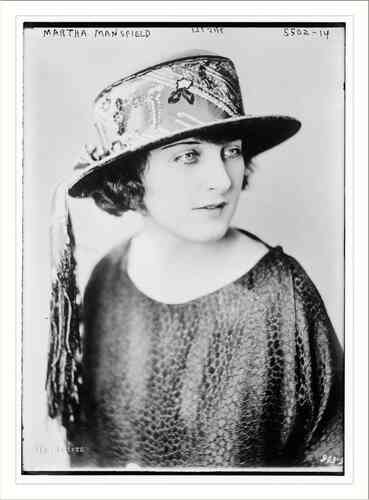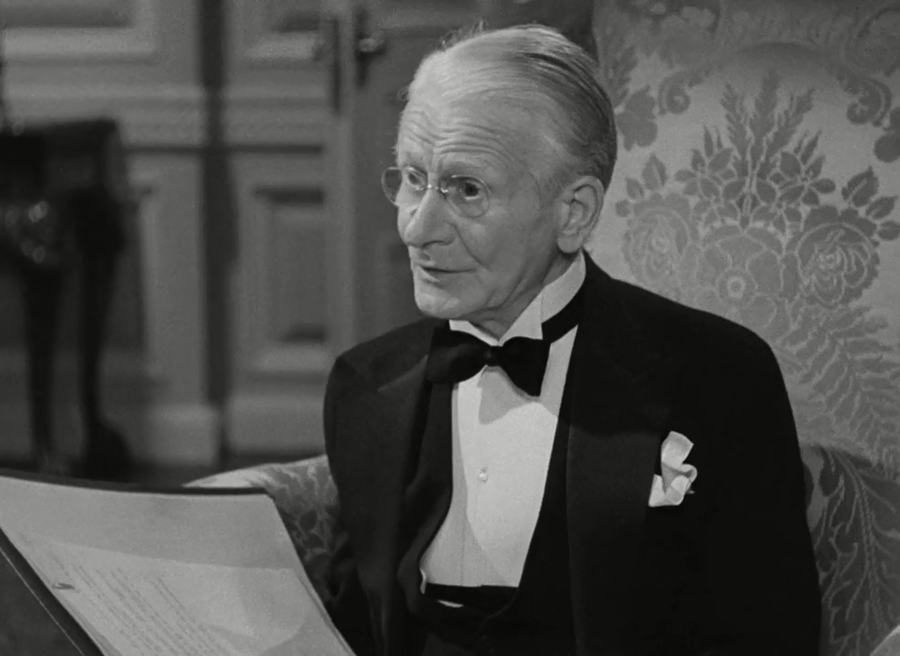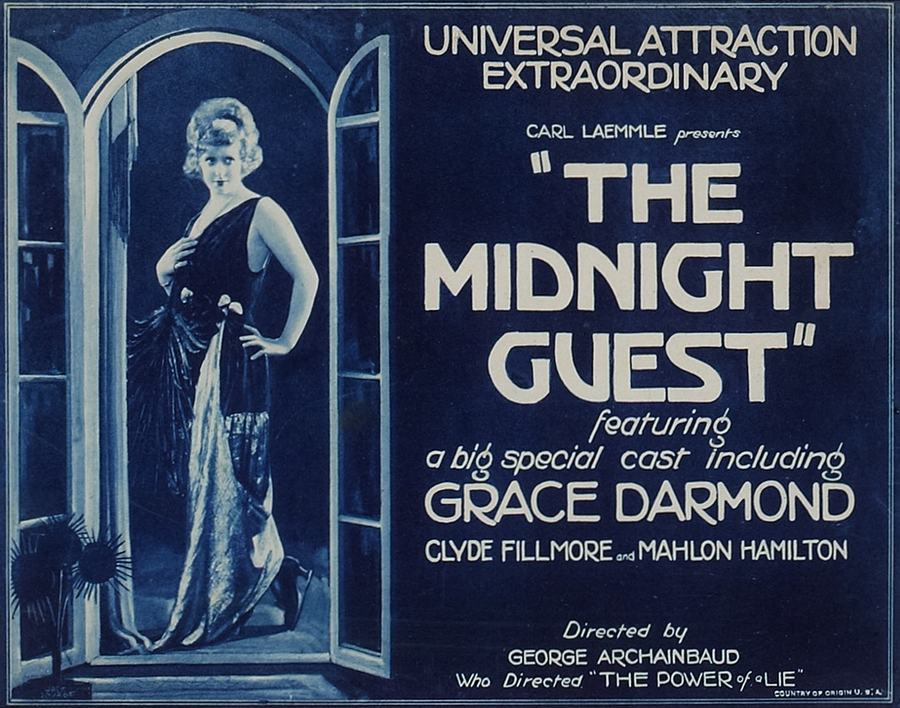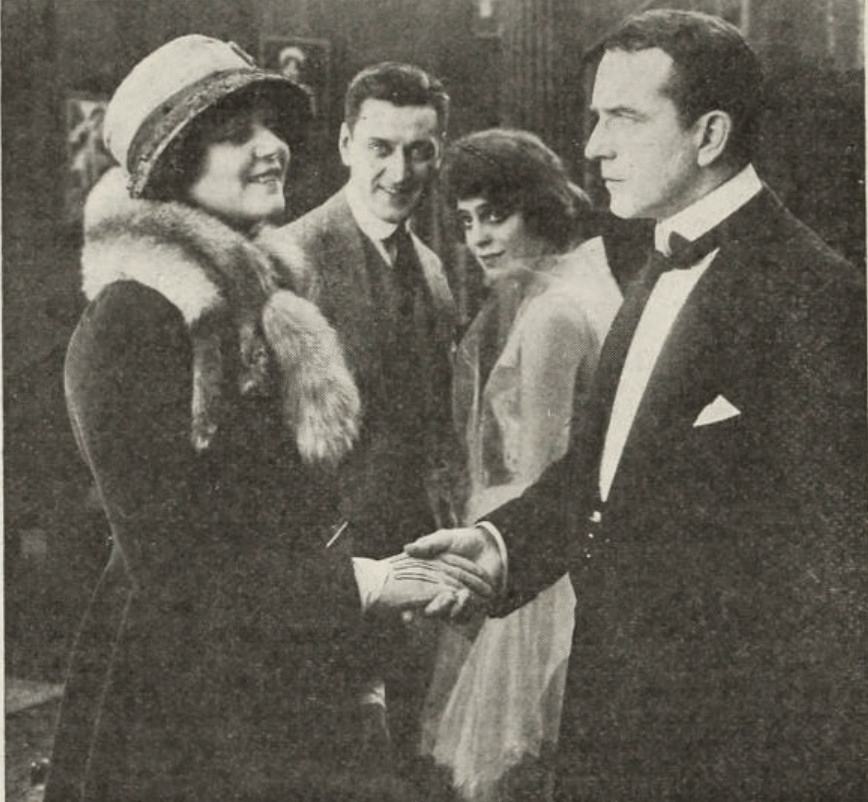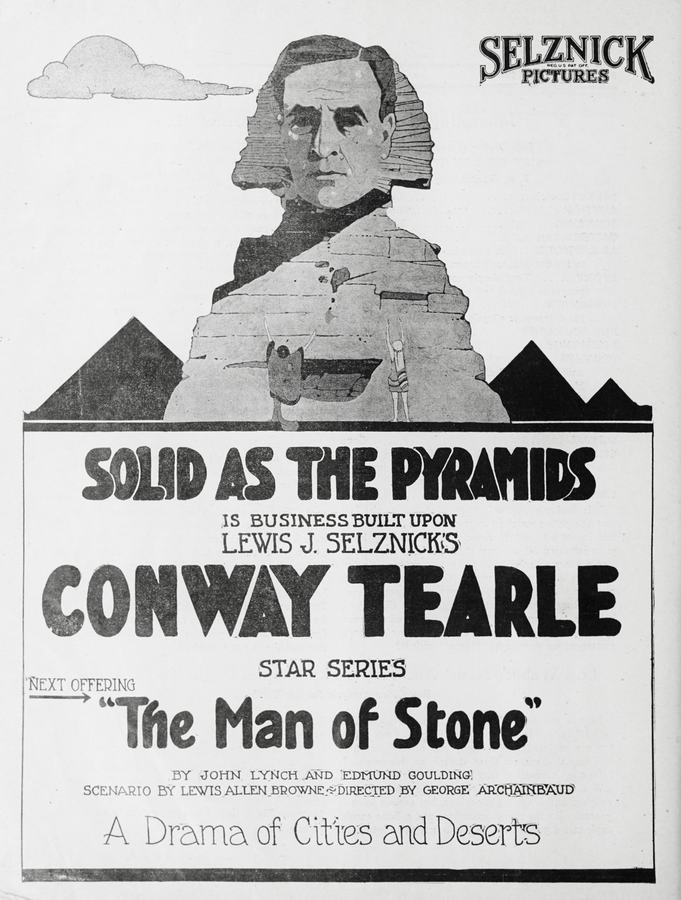
Capt. Deering, a British war hero whose exploits in the Arabian desert have earned him the nickname "The Man of Stone", returns home to London to discover that his fiancé, the wealthy Lady Mary Fortescue, has left him for another man.
/* inline CSS to avoid external calls */ blockquote{border-left:4px solid #0E7490;padding-left:1rem;margin:1.5rem 0;font-style:italic;color:#EAB308} h2{color:#C2410C;font-size:1.6rem;margin-top:2rem} h3{color:#EAB308;font-size:1.25rem;margin-top:1.5rem} p{margin-bottom:1rem} ul{list-style:square inside;margin-bottom:...
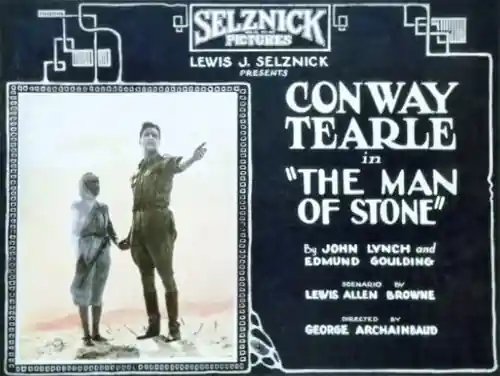
still_frame

still_frame
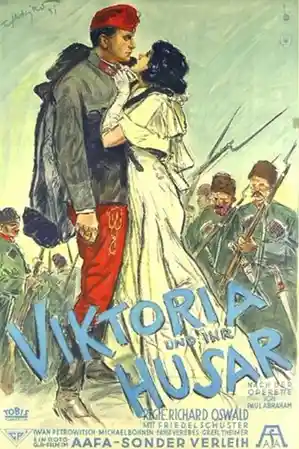

Comparing the cinematic DNA and archive impact of two defining moments in cult history.
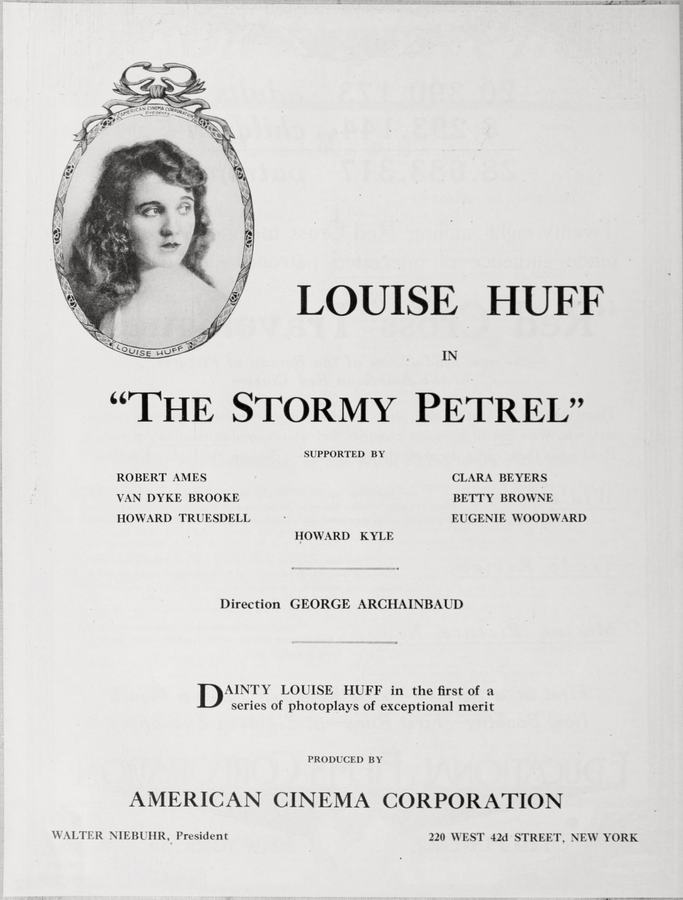
George Archainbaud
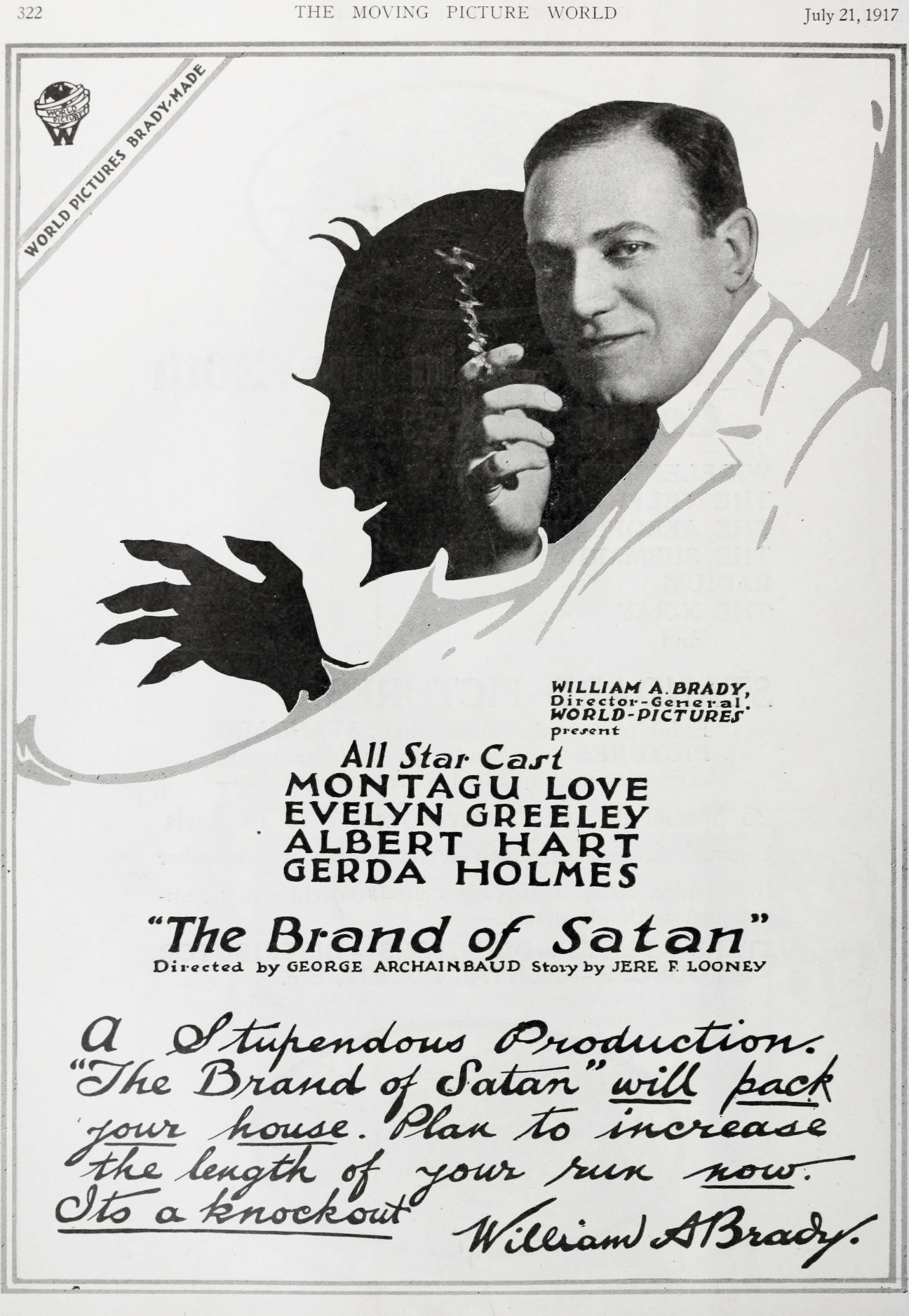
George Archainbaud
Community
Log in to comment.
" /* inline CSS to avoid external calls */ blockquote{border-left:4px solid #0E7490;padding-left:1rem;margin:1.5rem 0;font-style:italic;color:#EAB308} h2{color:#C2410C;font-size:1.6rem;margin-top:2rem} h3{color:#EAB308;font-size:1.25rem;margin-top:1.5rem} p{margin-bottom:1rem} ul{list-style:square inside;margin-bottom:1rem} strong{color:#C2410C} em{color:#EAB308} a{color:#0E7490;text-decoration:underline} a:hover{color:#EAB308} Marble Cracks in the Desert Wind There is a moment—wordless, becau..."
Colin Campbell
Lewis Allen Browne, Edmund Goulding, John Lynch
United States

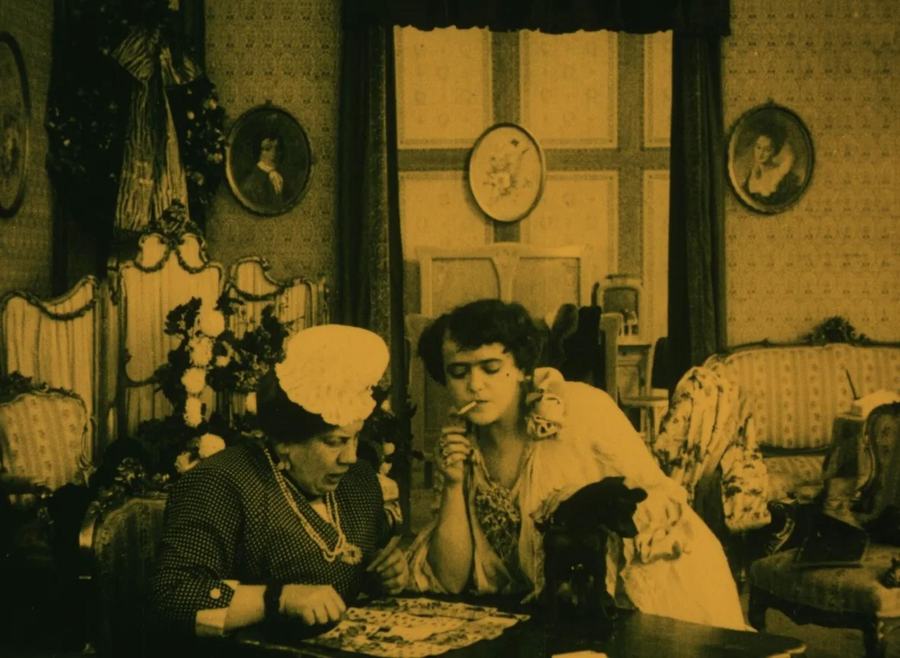
Deep dive into the cult classic
Discover similar cinematic experiences
A Directorial Spotlight on George Archainbaud