Dorothy Dalton
actress
- Born:
- 1893-09-22, Chicago, Illinois, USA
- Died:
- 1972-04-13, Scarsdale, New York, USA
- Professions:
- actress
Biography
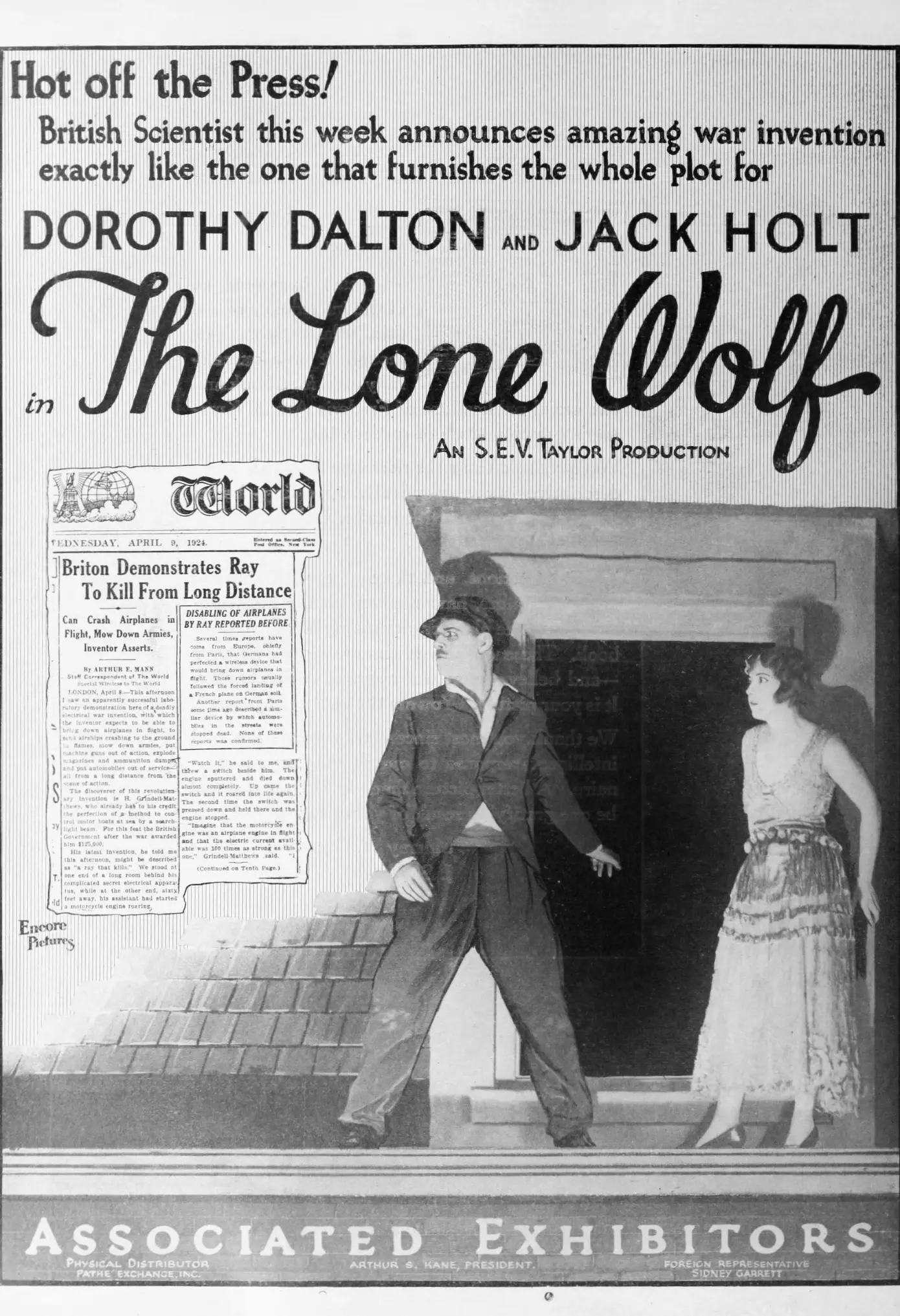
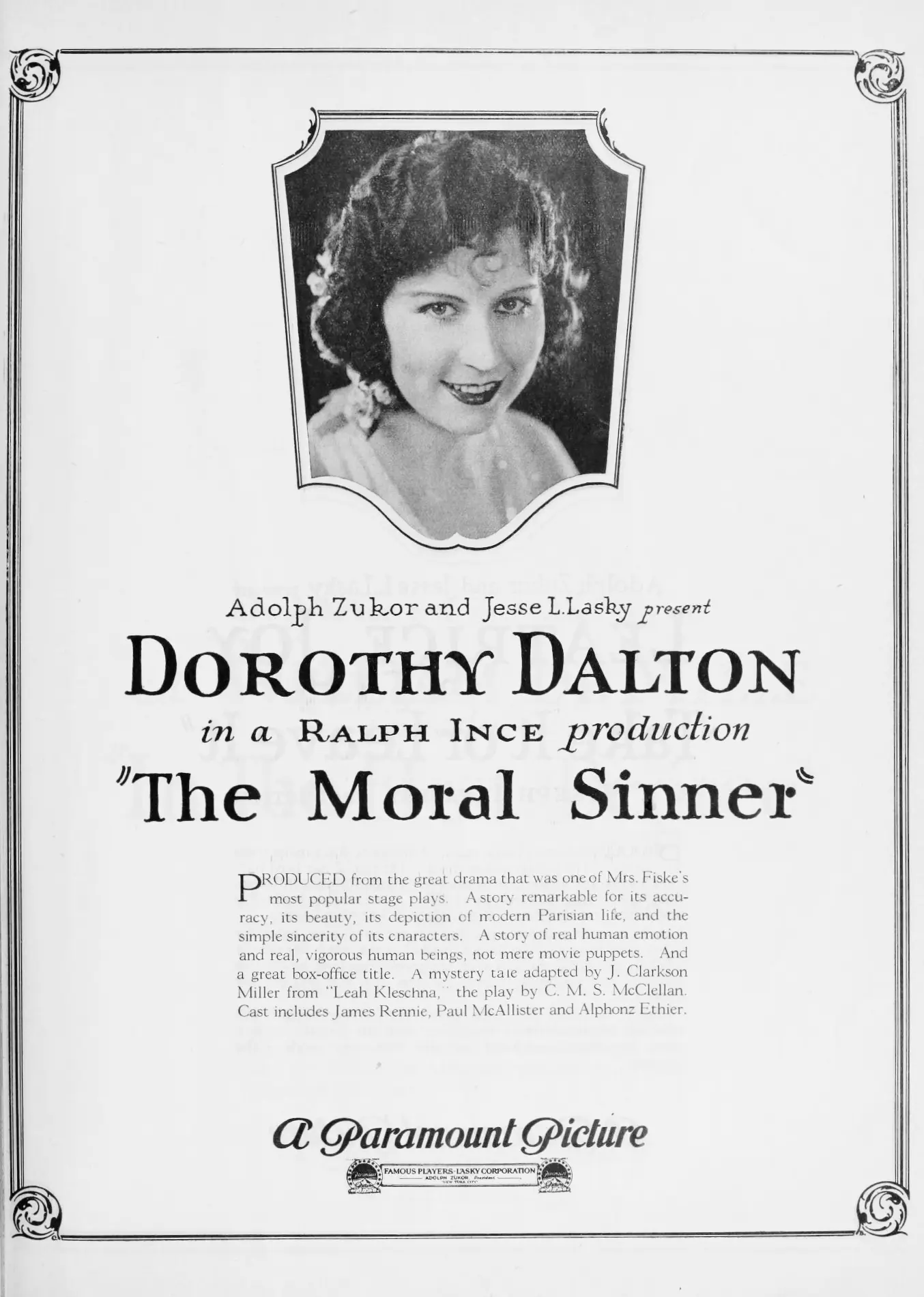
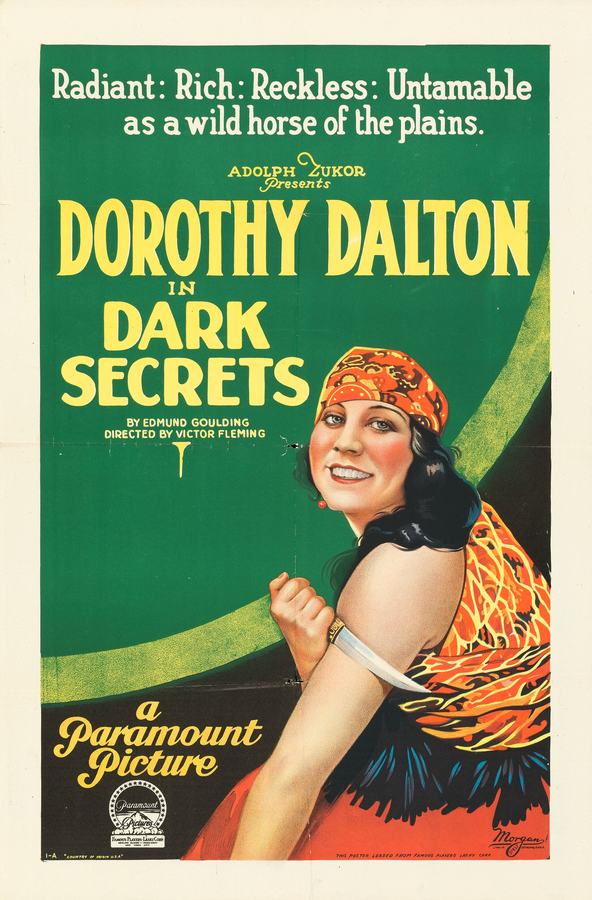
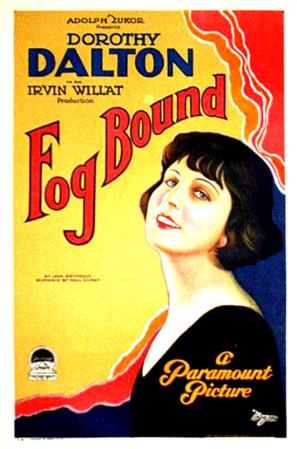
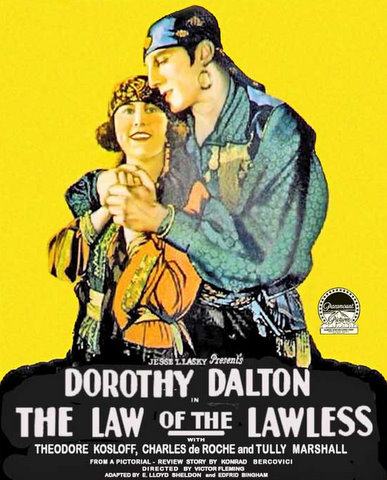
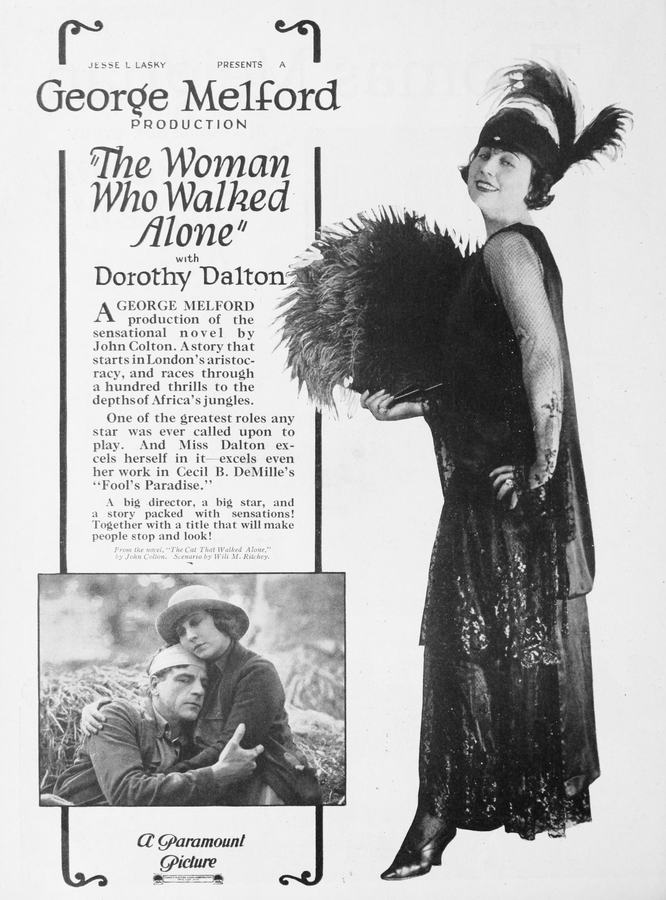
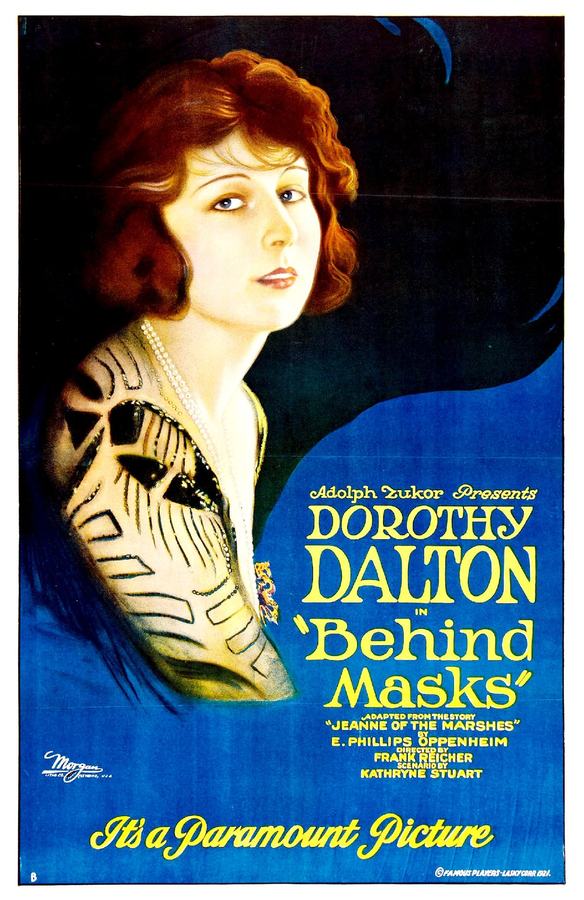
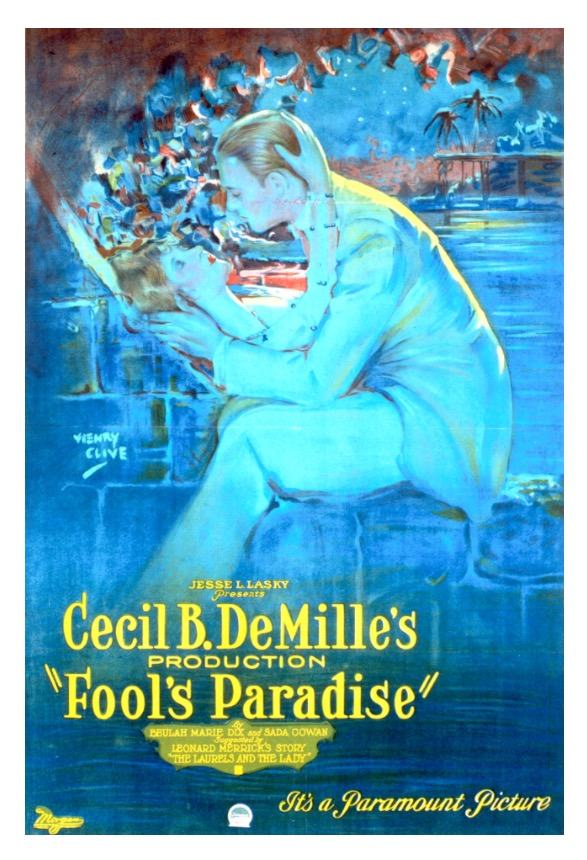
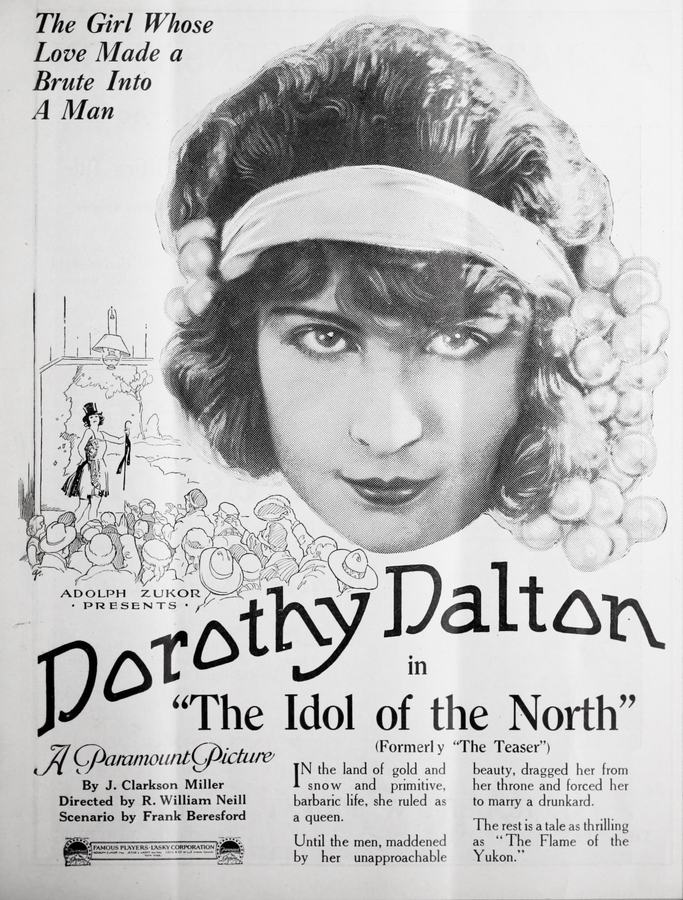
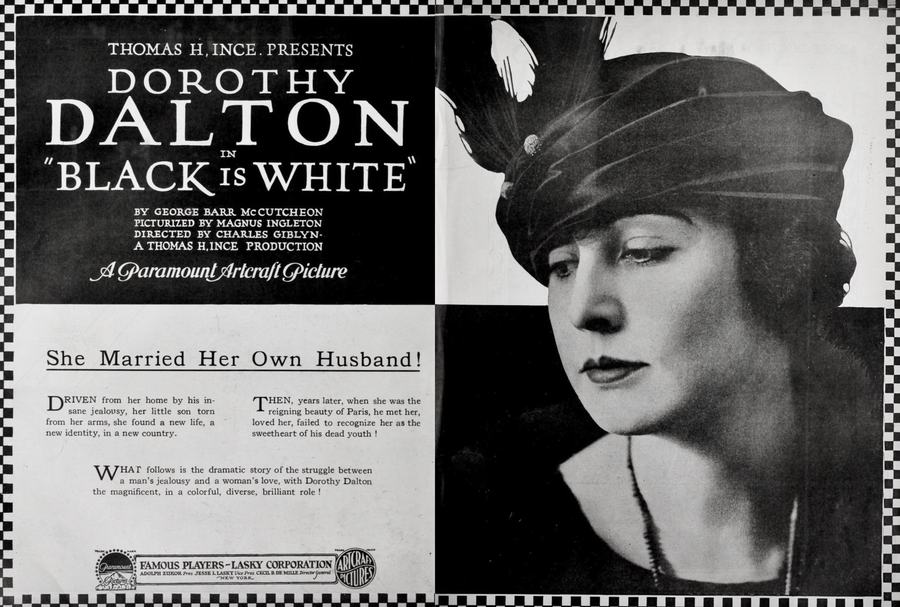
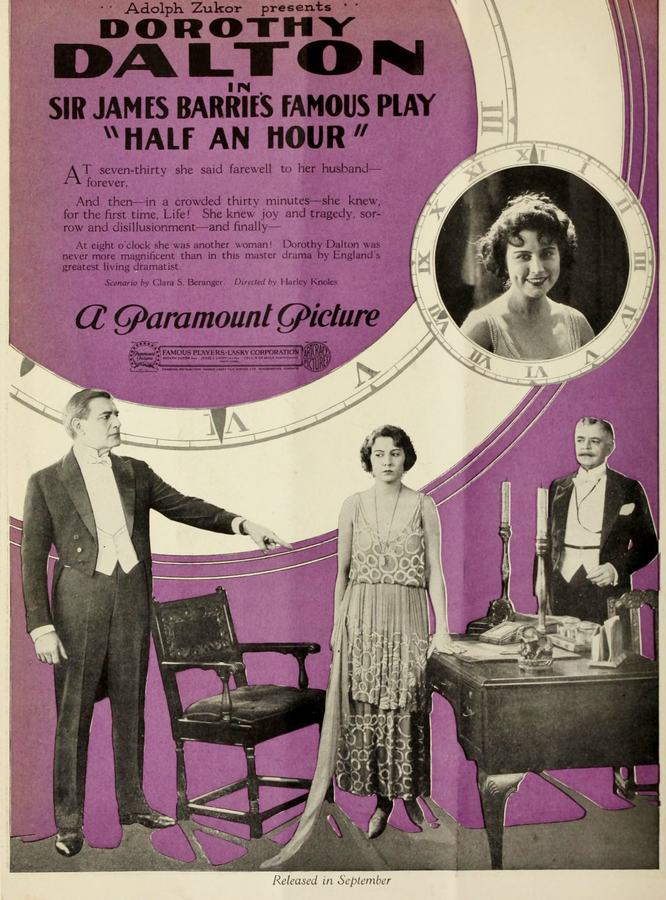
Dorothy Dalton, a luminous star of the silent screen, carved her path from the humble beginnings of a stock theatrical company to a flourishing career in motion pictures. Her cinematic journey commenced in 1914 with her debut in Pierre of the Plains, sharing the marquee with Edgar Selwyn, and swiftly followed by an appearance in Charles E. Blaney's Across the Pacific that same year. It was the astute producer-director Thomas H. Ince who recognized her nascent talent, successfully persuading her to transition from the footlights to the camera. Under Ince's direction, she starred in The Disciple (1915) and The Three Musketeers (1916), both produced for Kay-Bee Pictures and the New York Motion Picture Co., with distribution handled by Triangle Distributing Corp. The years 1916 and 1917 marked a period of intense productivity, as Dalton headlined 15 additional films for Kay-Bee/New York Picture/Triangle, with Ince guiding her through nine of these projects. Her esteemed co-stars during this prolific era included screen legends like William S. Hart, Jean Hersholt, William Conklin, and a young John Gilbert. Following her role in Ten of Diamonds (1917) for Triangle Films, Dalton made a strategic move, joining Ince's newly formed Thomas H. Ince Corp., which released its features through Paramount. Her inaugural project with Ince's new venture was The Price Mark (1917), quickly followed by Love Letters (1917), both of which again featured William Conklin opposite her. Her collaboration with Ince's company continued through L'apache (1919), a co-production with Famous-Players Lasky, and Black is White (1920), a sole Thomas H. Ince Corp. production released via Famous-Players and Paramount. She also lent her talent to The Dark Mirror (1920) for Famous-Players, a film supervised by Ince. In total, their dynamic partnership yielded an impressive 31 pictures between 1915 and 1920. Throughout her career, Dalton consistently commanded top billing, aligning herself with leading talent and compelling narratives. Her notable projects included Guilty of Love (1920), an adaptation of Avery Hopwood's 1909 Broadway success "This Woman and This Man"; Cecil B. DeMille's visually stunning Fool's Paradise (1921) and Moran of the Lady Letty (1922), where she memorably shared the screen with Rudolph Valentino; and Victor Fleming's gritty Law of the Lawless (1923). With the exception of her penultimate film, The Lone Wolf (1924)—a John McKeown production distributed by Associated Exhibitors, co-starring Tyrone Power Sr.—all her subsequent films were made for Famous-Players-Lasky and Paramount. Having previously been married to actor Lew Cody, the divorced Dalton embarked on a new chapter, marrying theatrical impresario Arthur Hammerstein, the esteemed uncle of Oscar Hammerstein II. This union prompted her graceful retirement from the silver screen. Her final film, The Moral Sinner (1924), was directed by Ralph Ince, the younger brother of her long-time collaborator, Thomas H. Ince. Her marriage to Hammerstein endured for more than three decades, lasting until his passing in 1955. Dorothy Dalton Hammerstein passed away at the age of 78.
Filmography
In the vault (13)