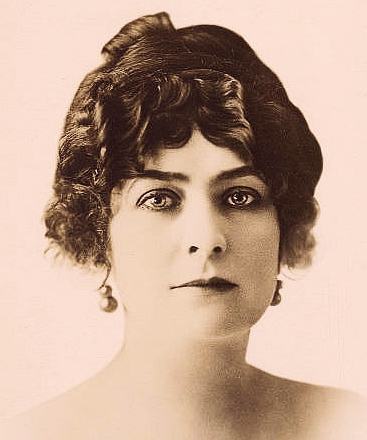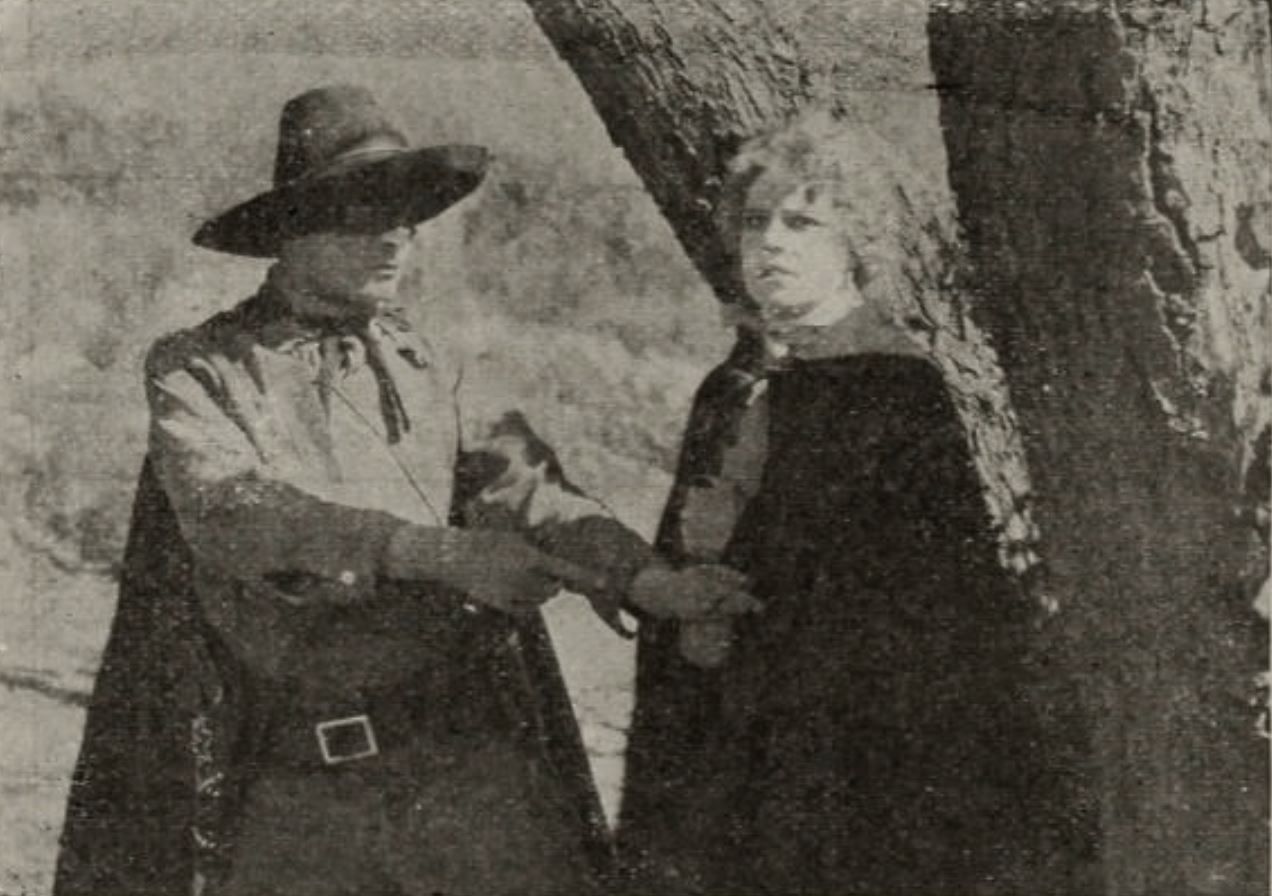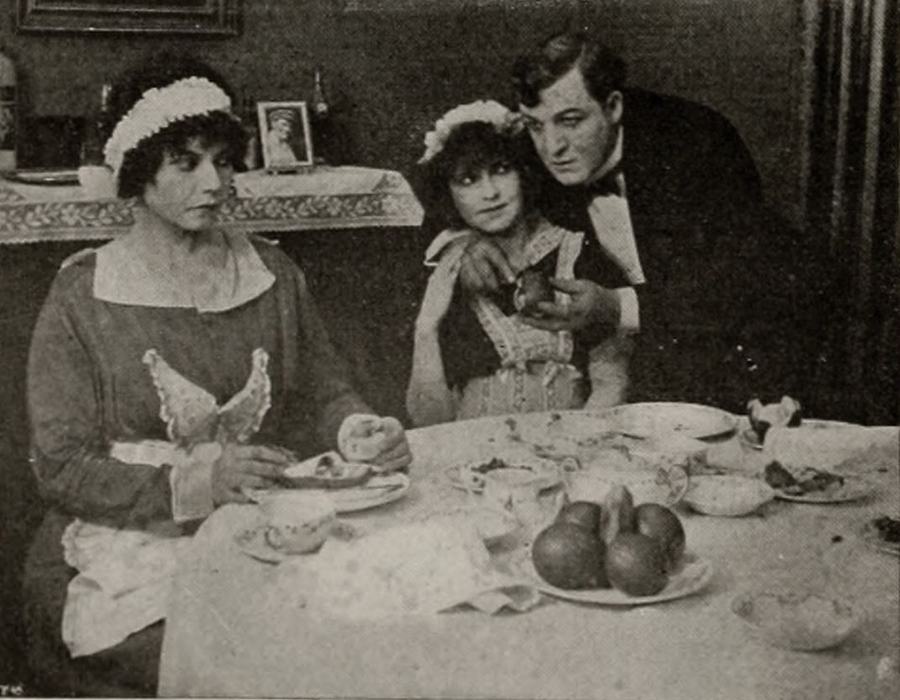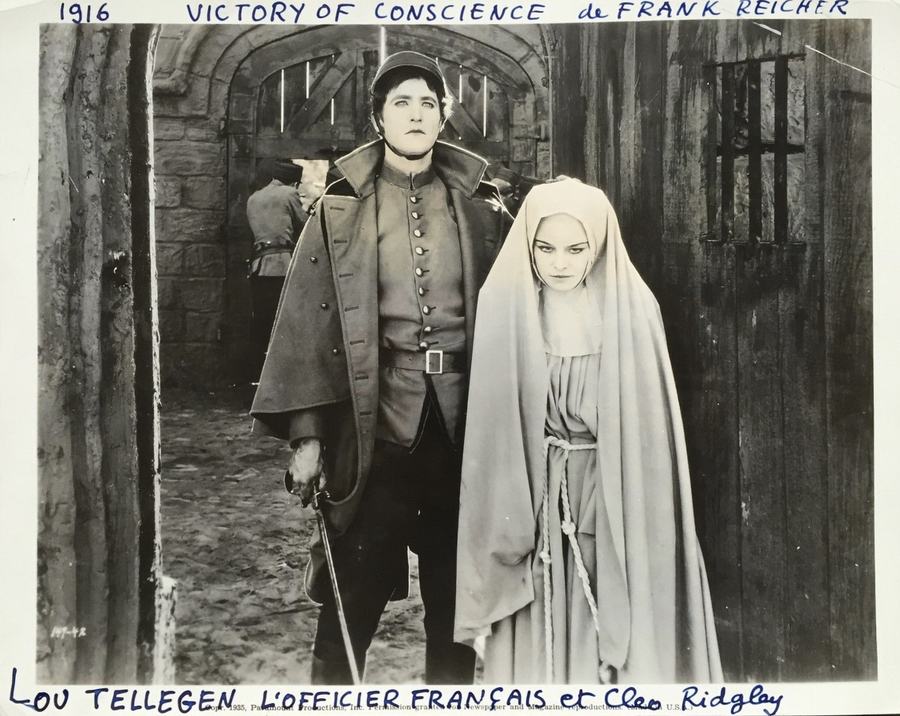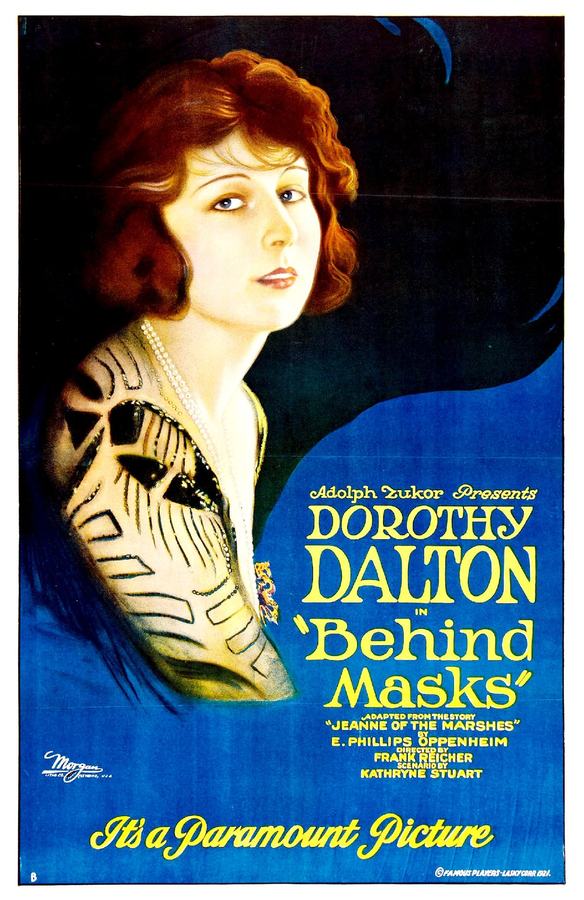
Jeanne, an orphaned young heiress, is about to be married off to an elderly man by her scheming aunt, who stands to make money on the marriage, a fact of which Jeanne is unaware. Jeanne is also unaware that her aunt heads a ring that runs crooked card games, and one night Jeanne attends a fixed bridge game at which her aunt hopes to cheat a wealthy young man out of his money.

Jeanne’s silhouette, framed by stained-glass demons, is the first visual haiku this film inks into your retina. Cinematographer Lucien Andriot wrings sulfurous blues from nitrate stock, letting sea-blue (#0E7490) shadows crawl across brocade like guilty thoughts. Each iris close-up feels surgical; you swear you can ta...
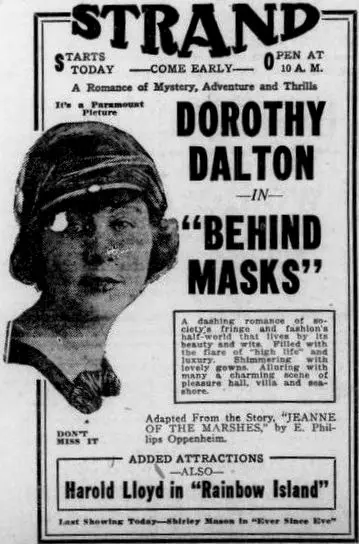
production_art
Comparing the cinematic DNA and archive impact of two defining moments in cult history.
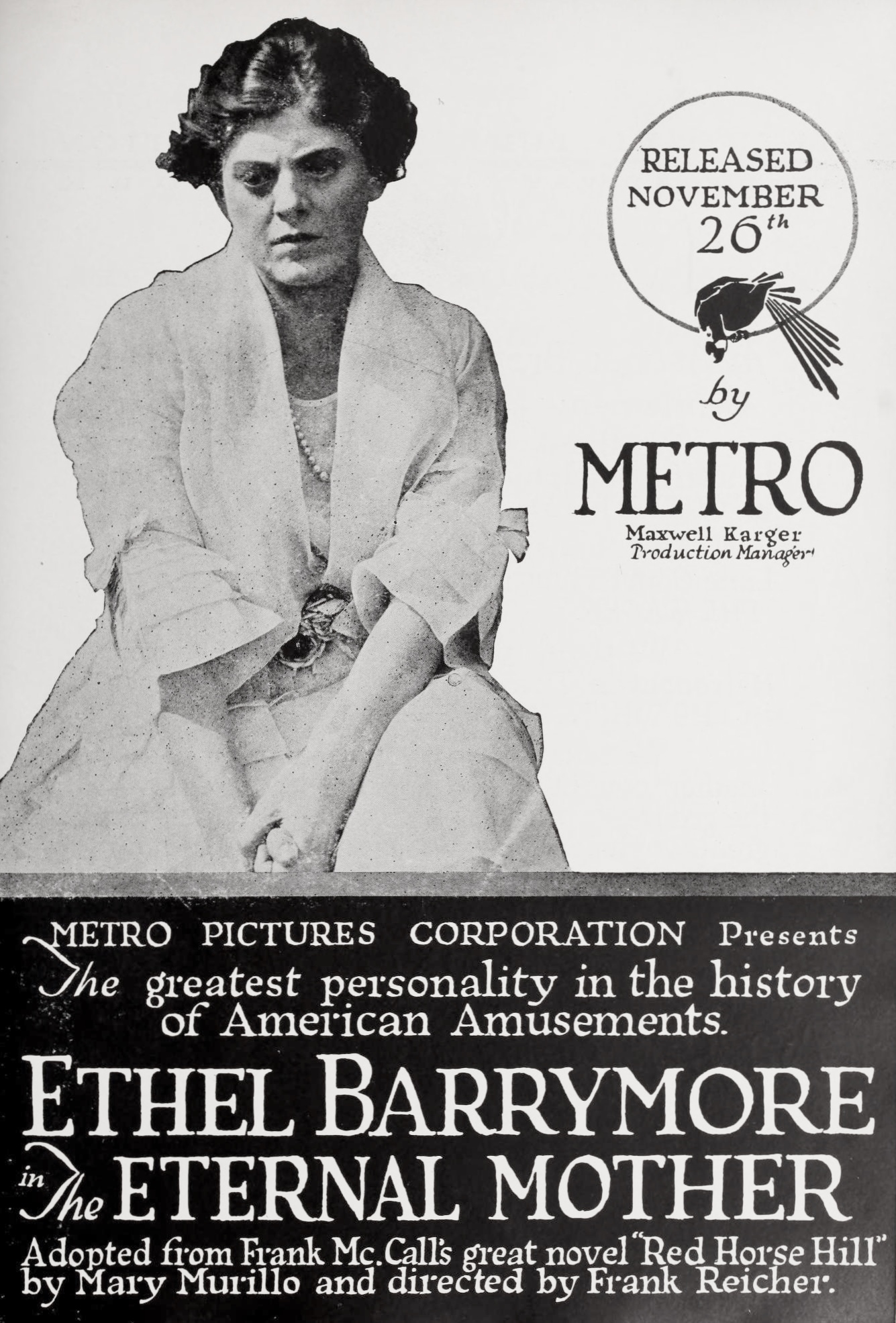
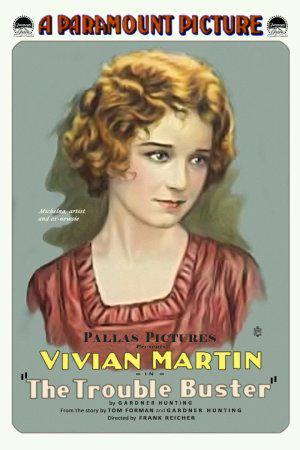
Frank Reicher
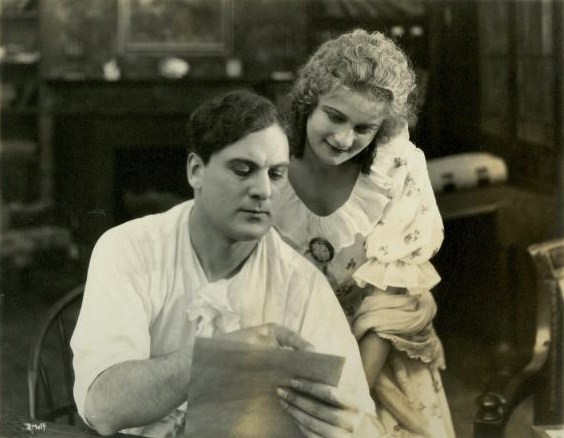
Frank Reicher
Community
Log in to comment.
" Jeanne’s silhouette, framed by stained-glass demons, is the first visual haiku this film inks into your retina. Cinematographer Lucien Andriot wrings sulfurous blues from nitrate stock, letting sea-blue (#0E7490) shadows crawl across brocade like guilty thoughts. Each iris close-up feels surgical; you swear you can taste the potassium of her tears. Julia Swayne Gordon’s matriarchal aunt is no mustache-twirling ogre—she’s worse: a pragmatist. Watch how she fondles the rope of pearls at her thro..."

Dorothy Dalton
E. Phillips Oppenheim, Kathryn Stuart
United States