Douglas Fairbanks
actor, producer, writer
- Birth name:
- Douglas Elton Thomas Ullman
- Born:
- 1883-05-23, Denver, Colorado, USA
- Died:
- 1939-12-12, Santa Monica, California, USA
- Professions:
- actor, producer, writer
Biography
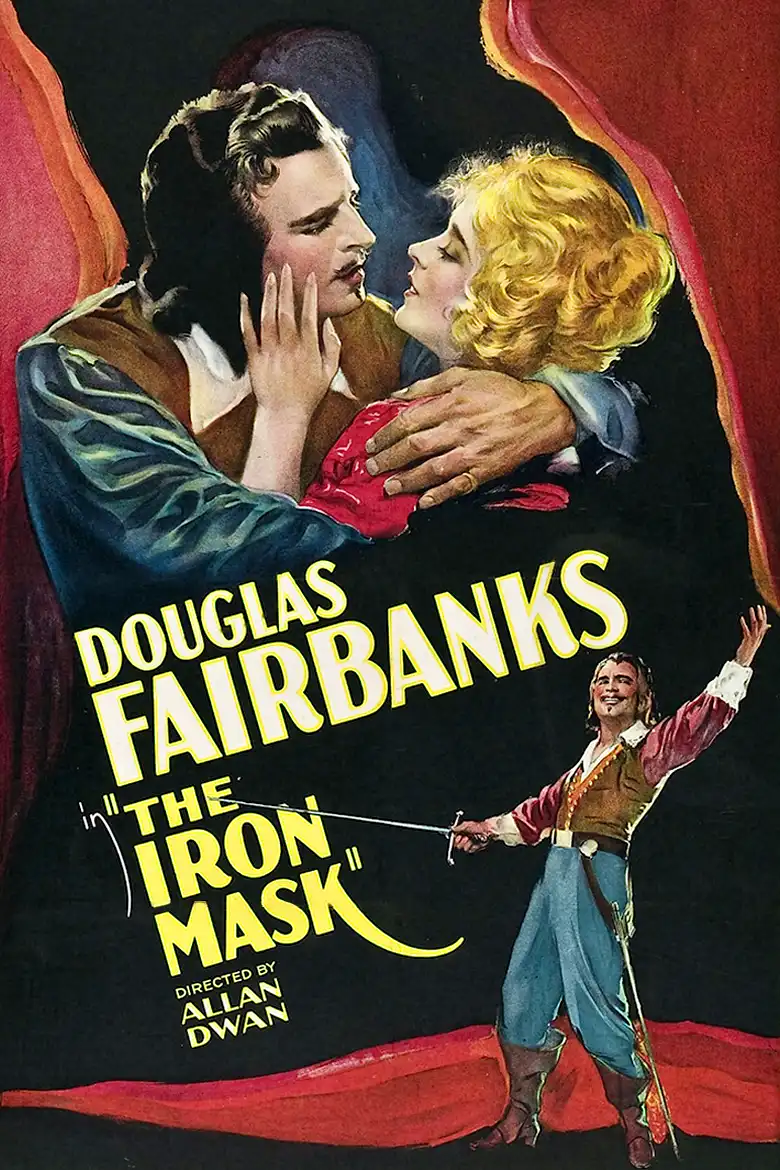
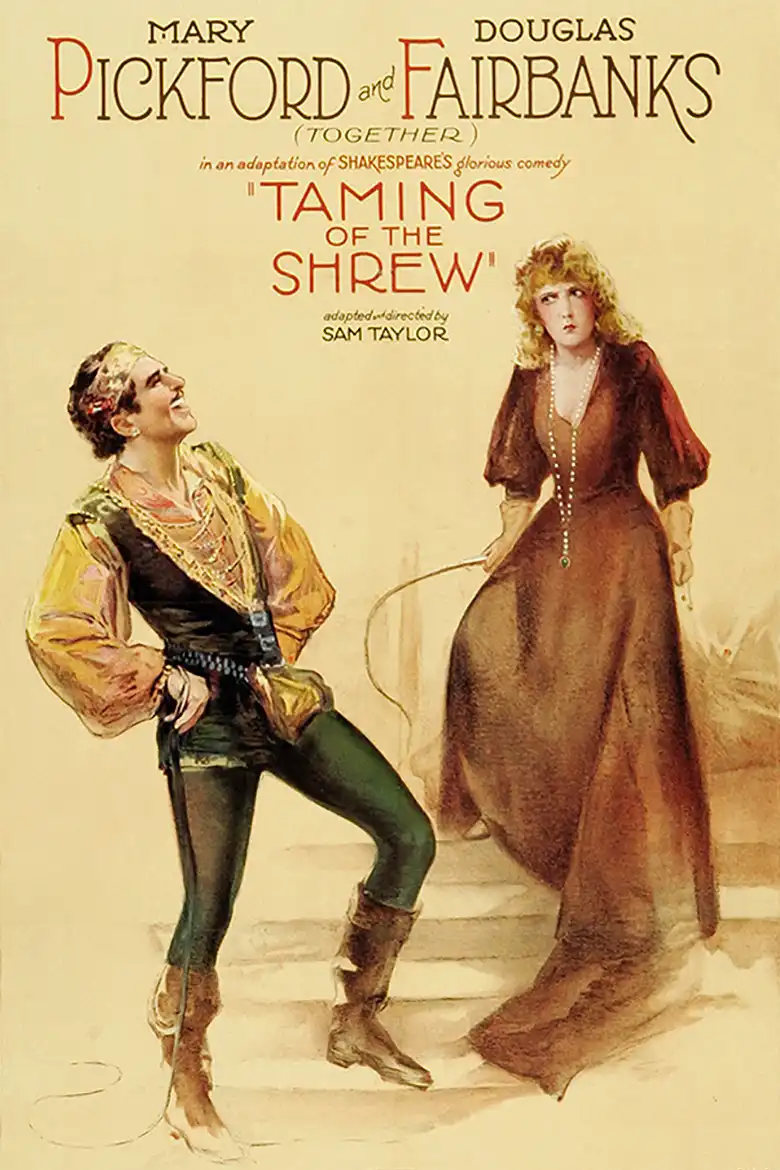
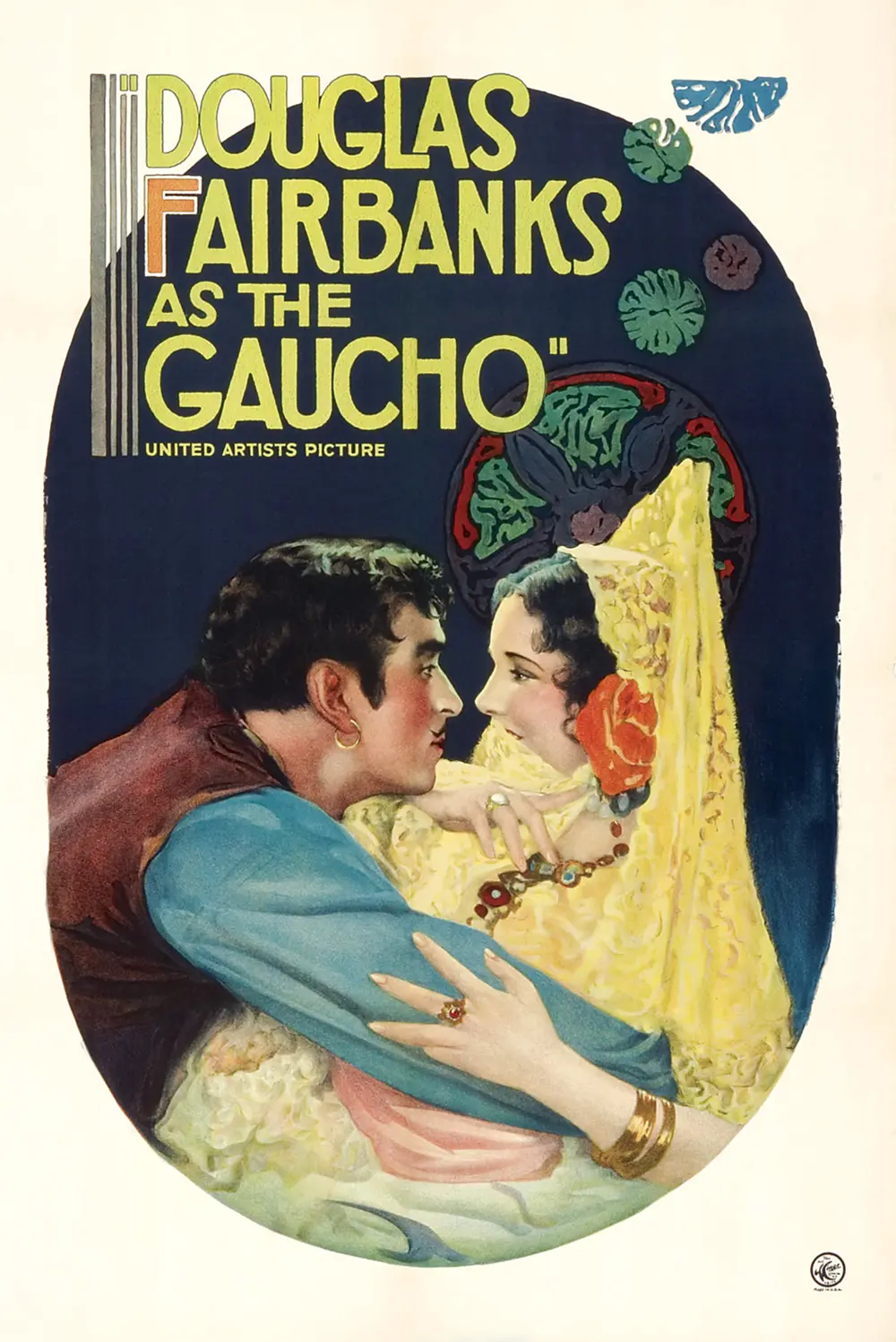
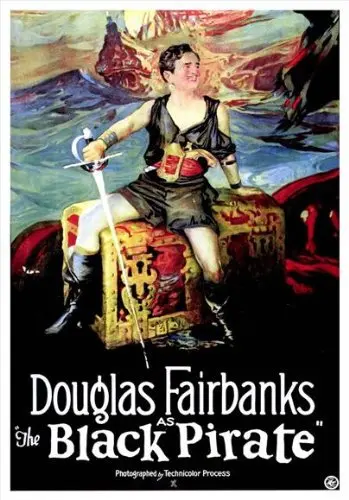
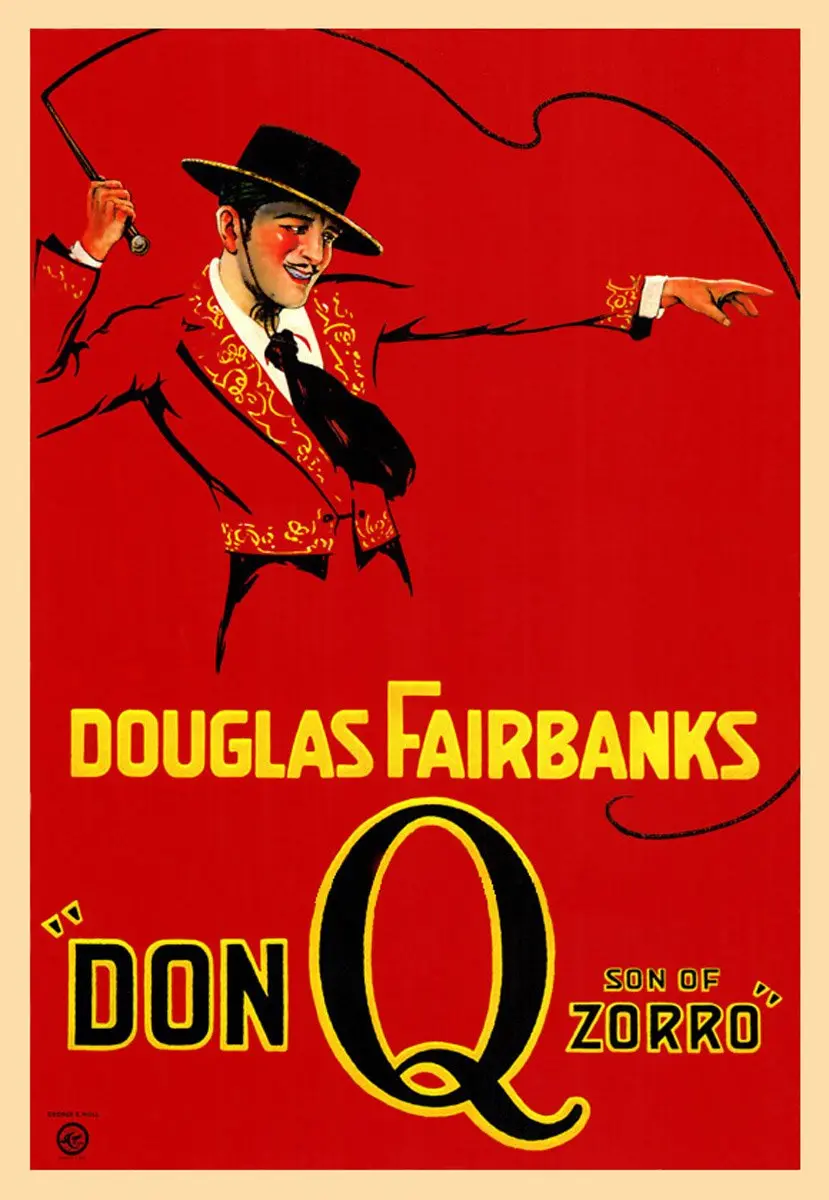
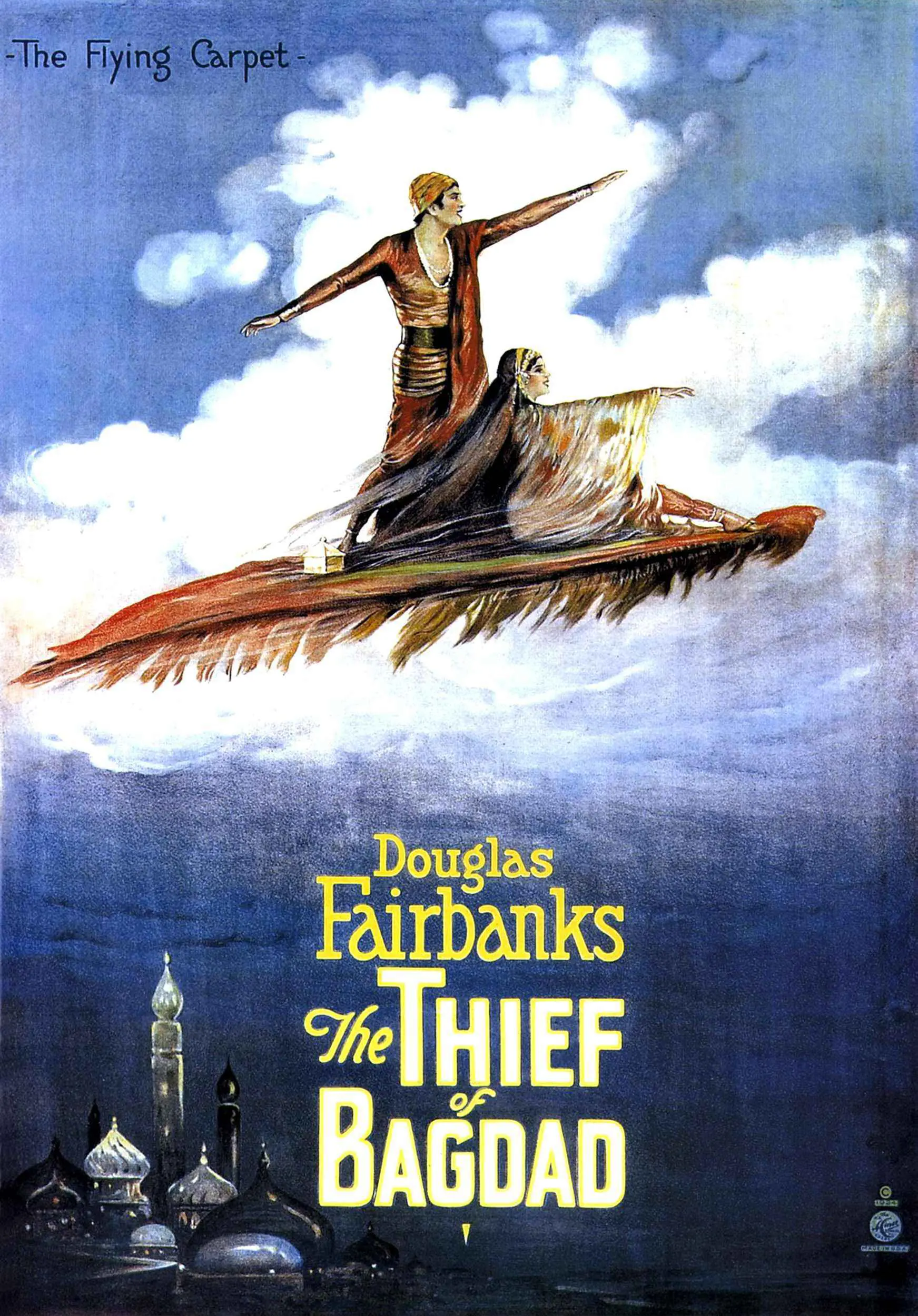
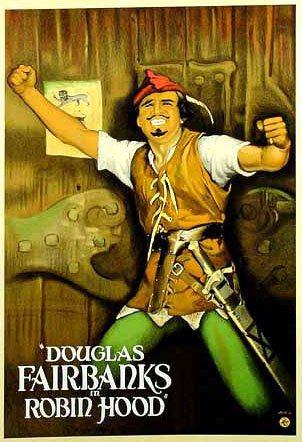
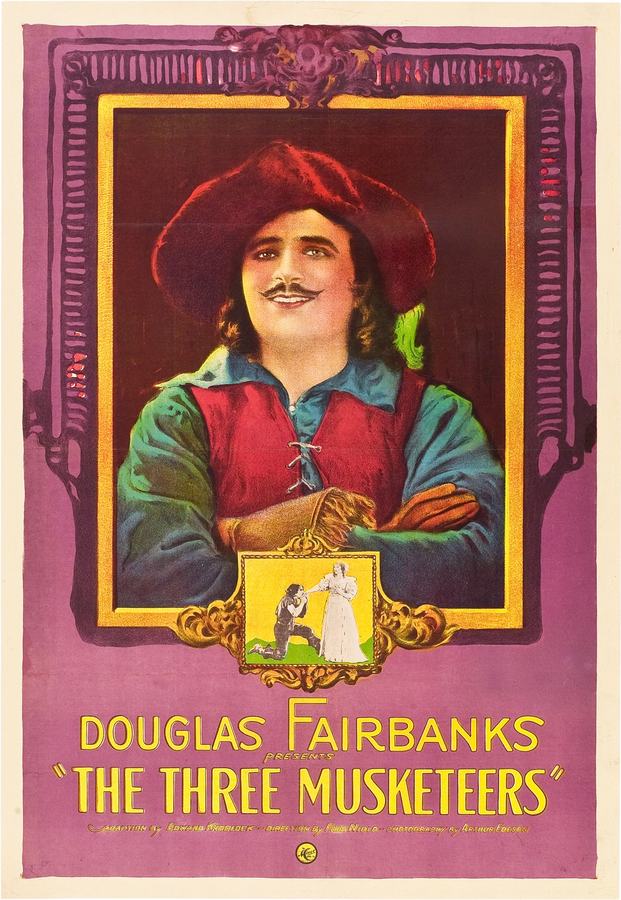
Douglas Fairbanks—born Douglas Elton Thomas Ullman—first opened his eyes in Denver, Colorado, on 23 May 1883, the son of Ella Adelaide Marsh and Hezekiah Charles Ullman, a Pennsylvanian attorney who had once worn Union blue as a Civil War captain. Behind the family name lay a mosaic: German-Jewish grandparents on his father’s side, and, on his mother’s, the lilt of Louisiana and Georgia drawls wrapped in British Isles ancestry. When his father vanished, five-year-old Douglas and his brother were whisked into a new life. Ella reclaimed her first husband’s surname—Fairbanks—and quietly folded their Jewish lineage into the drawer marked “never spoken of.” By twelve he was hijacking school recitals with stolen scenes from Shakespeare; by seventeen he was juggling ore studies at the Colorado School of Mines with night-time hijinks on local stages. In 1900 the Fairbanks duo—mother and son—landed in Manhattan. Harvard lectures, a cattle freighter pitching across the Atlantic, a hardware-store apron, and a Wall Street ledger all vied for his attention before the footlights won. A Broadway curtain rose for him in 1902; five years later he exited stage left to wed Anna Beth Sully, heiress to an industrial fortune. When her father’s empire collapsed twelve months later, Fairbanks rediscovered the theater with the zeal of a man repaying a debt. The flicker of celluloid lured him west in 1915. D.W. Griffith, unimpressed, assigned him bit parts, but Fairbanks already carried his own spotlight. In 1916 he incorporated himself—Douglas Fairbanks Pictures Corporation—and became his own boss. While selling Liberty Bonds beside Charlie Chaplin in 1917, he tumbled into love with “America’s Sweetheart,” Mary Pickford. Together with Chaplin and Griffith they unfurled United Artists in 1919, a renegade banner for independent storytellers. Audiences first roared at his modern, athletic social comedies, then gasped at the flashing rapier and rooftop leaps of Robin Hood, Zorro, the Thief of Bagdad, and the Black Pirate—films that turned the 1920s into one long, irresistible grin. Pickfair, their palatial estate, glowed with parties until the marriage cracked; the pair separated in 1933 and signed the final papers in 1936. That March, Fairbanks married socialite Sylvia Ashley, closed the door on acting, and sailed into a sunset of private years.
Filmography
In the vault (14)