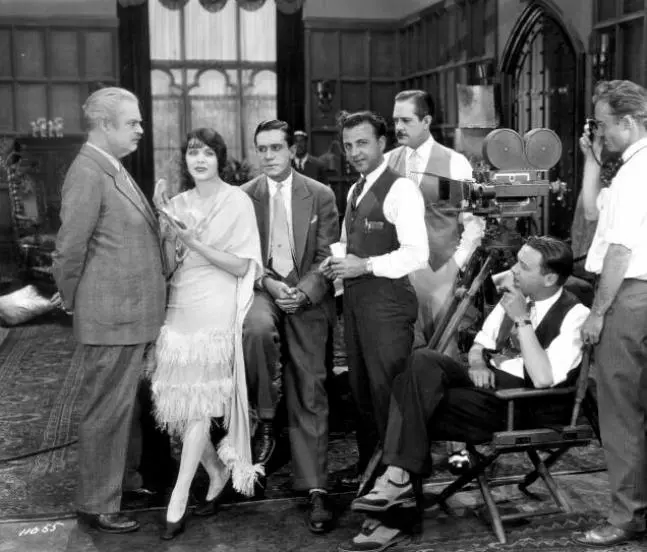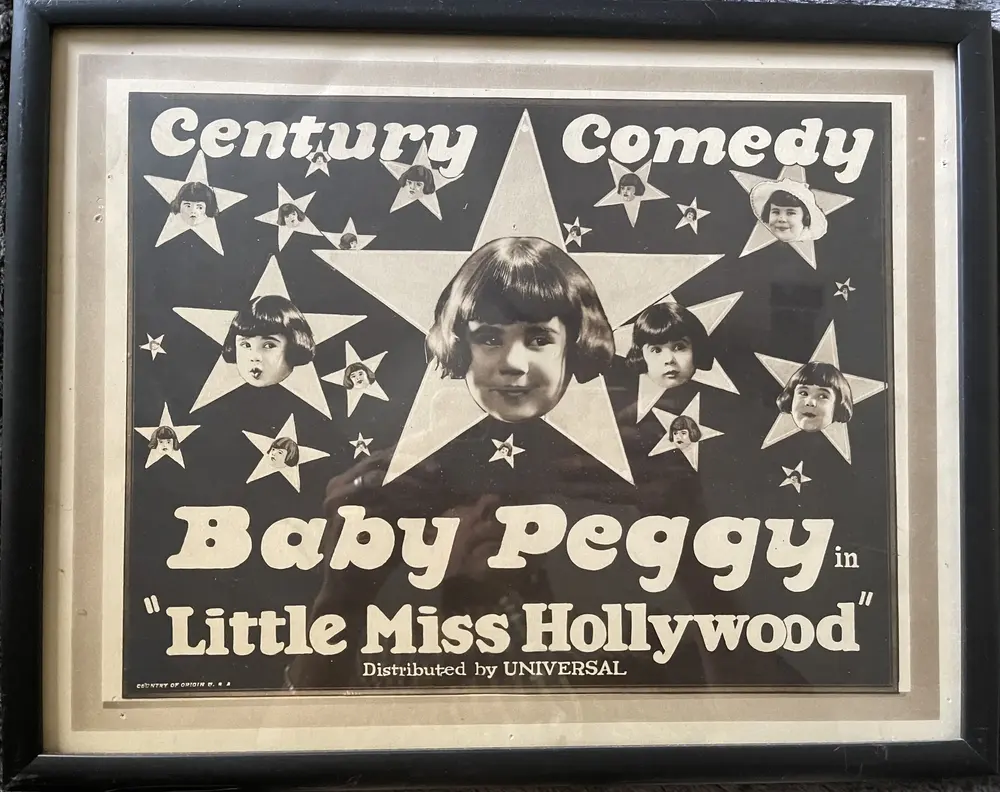
A Glimpse Into the Dream Factory The opening frames of Little Miss Hollywood are a kaleidoscopic montage of bustling streets, neon‑lit marquees, and the relentless clatter of typewriters, establishing a city that throbs with ambition. Al Herman’s script does not merely set a scene; it sketches a metropolis where e...
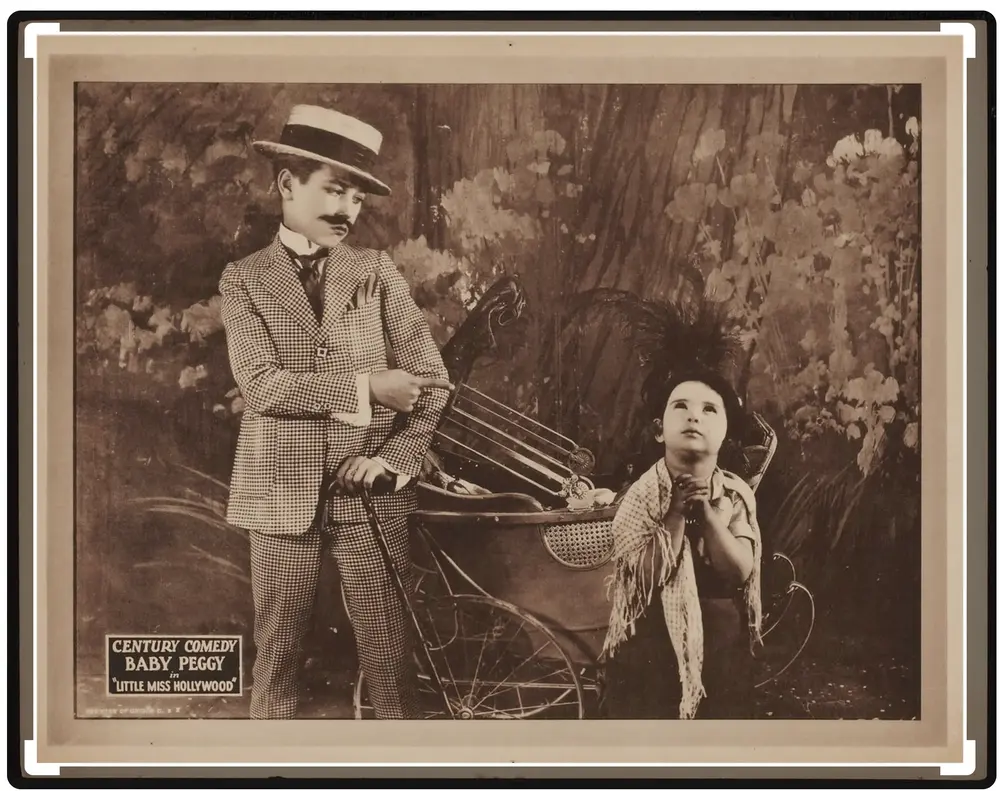
still_frame
Comparing the cinematic DNA and archive impact of two defining moments in cult history.
Al Herman
Reggie Morris
Community
Log in to comment.
" A Glimpse Into the Dream Factory The opening frames of Little Miss Hollywood are a kaleidoscopic montage of bustling streets, neon‑lit marquees, and the relentless clatter of typewriters, establishing a city that throbs with ambition. Al Herman’s script does not merely set a scene; it sketches a metropolis where every sidewalk crack could conceal a future star. The camera, guided by Billy Condon’s nascent eye, lingers on the dust‑caked shoes of a child dancing for spare change, an image tha..."
Billy Condon
Al Herman
United States

1927 · IMDb 6.3

Deep dive into the cult classic
Discover similar cinematic experiences
A Directorial Spotlight on Al Herman