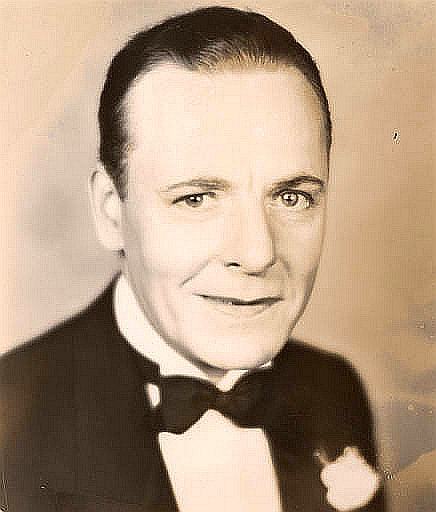
Edward Earle
actor, writer
- Born:
- 1882-07-16, Toronto, Ontario, Canada
- Died:
- 1972-12-15, Woodland Hills, Los Angeles, California, USA
- Professions:
- actor, writer
Biography
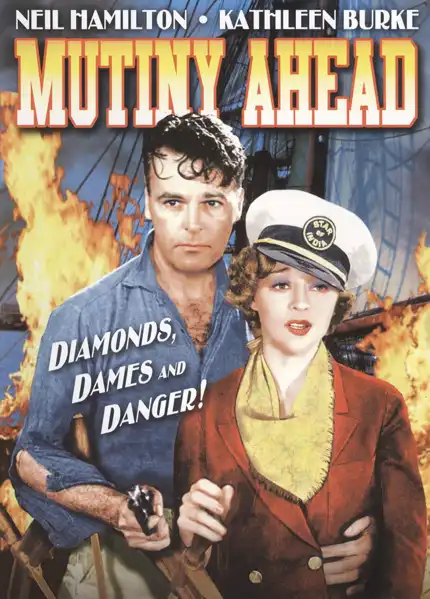
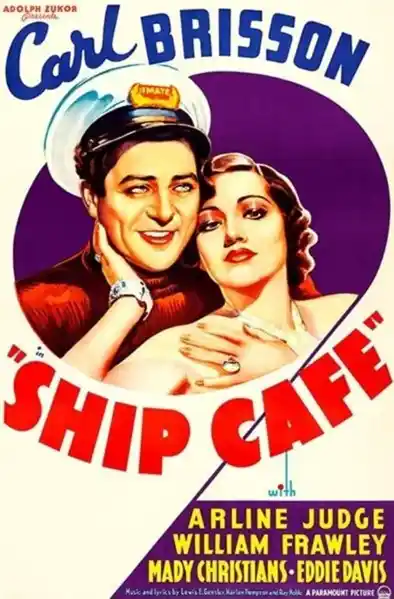
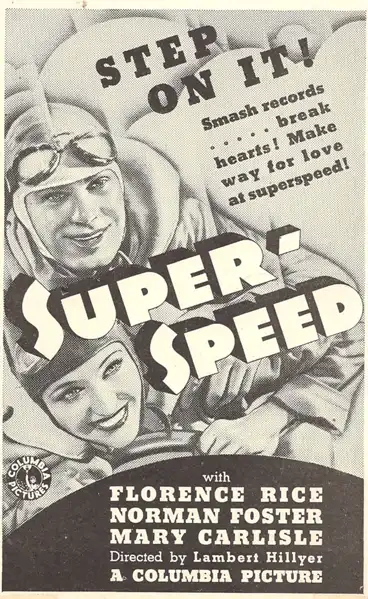
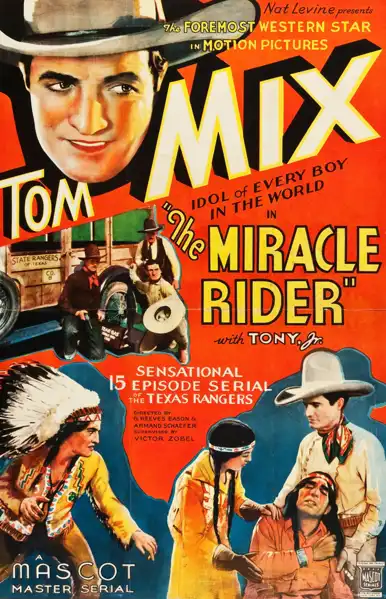
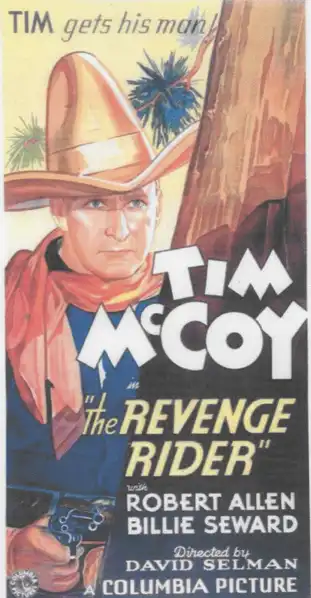
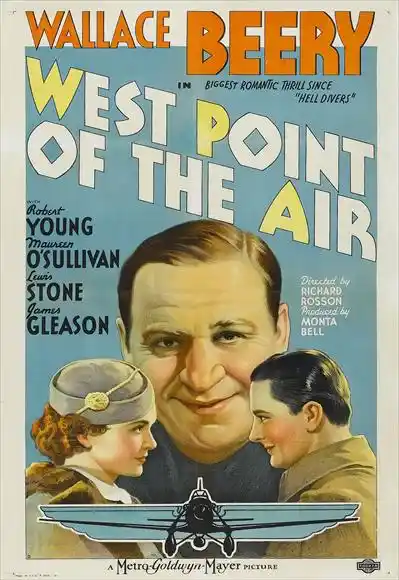
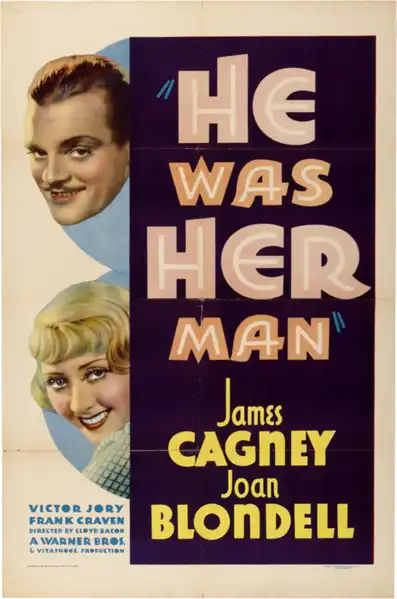
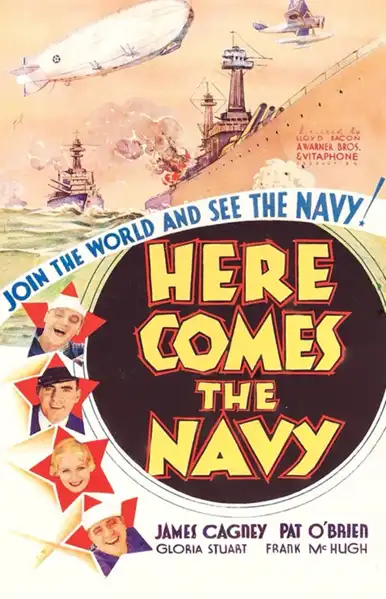
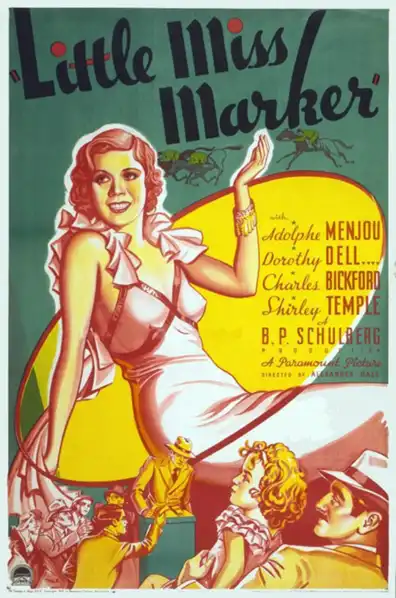
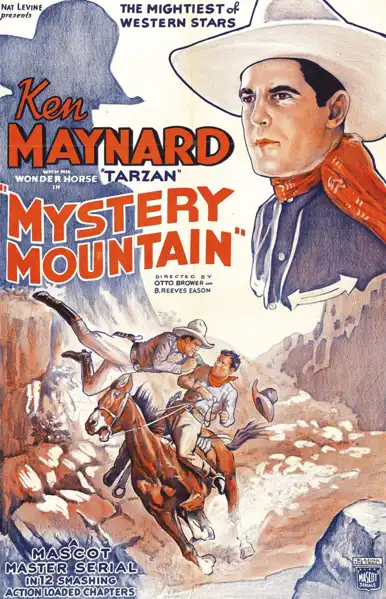
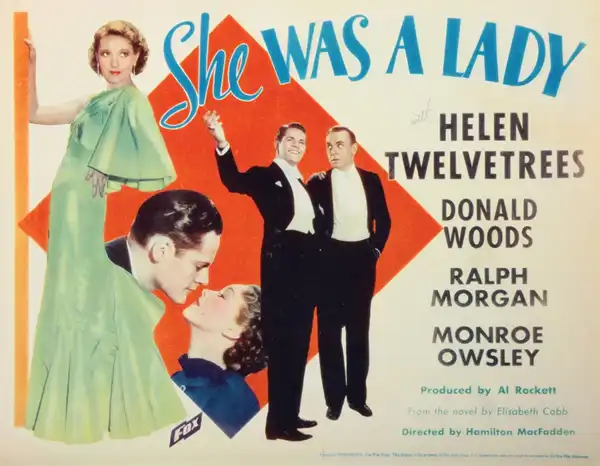
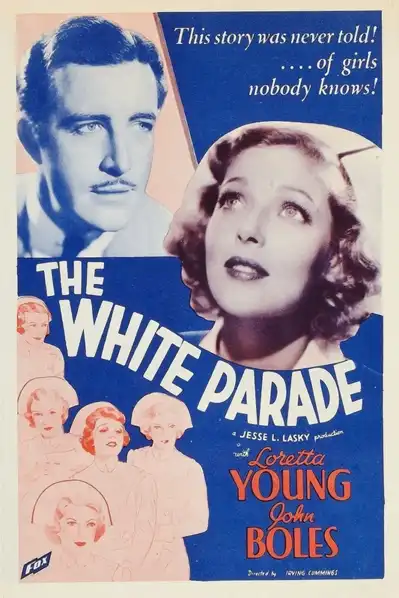
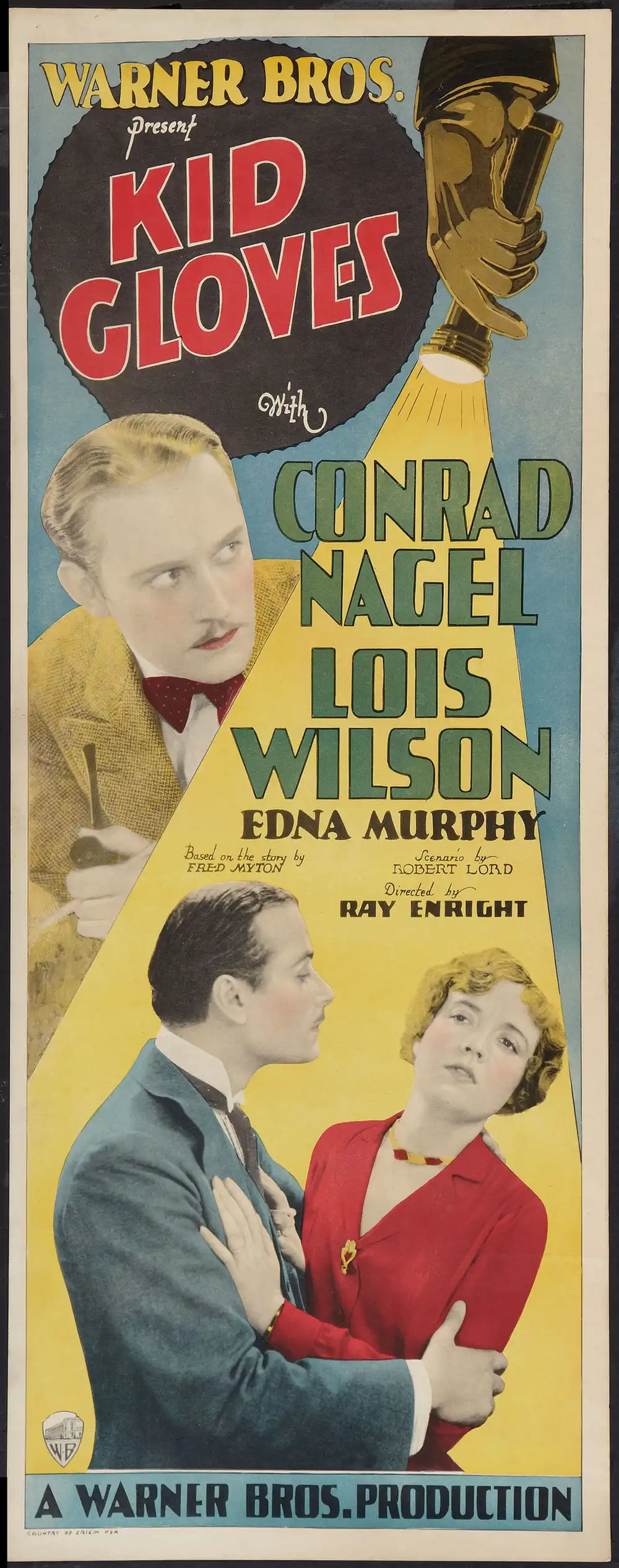
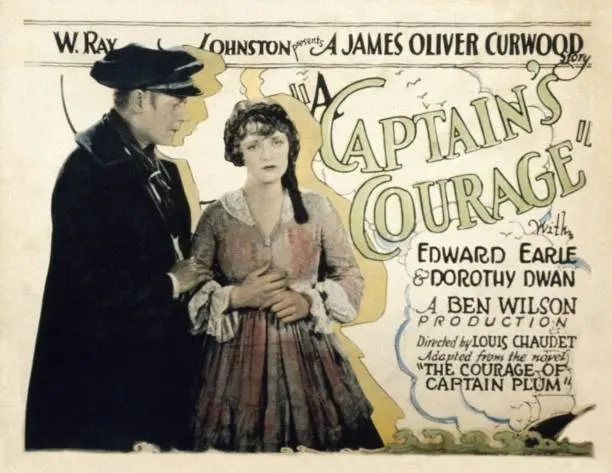
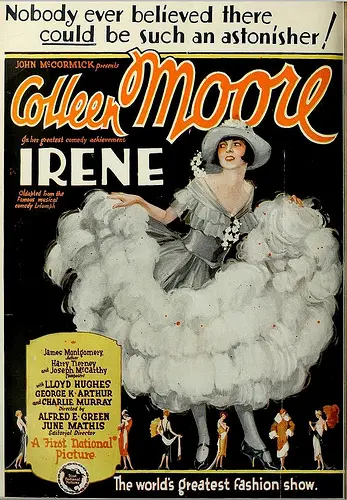
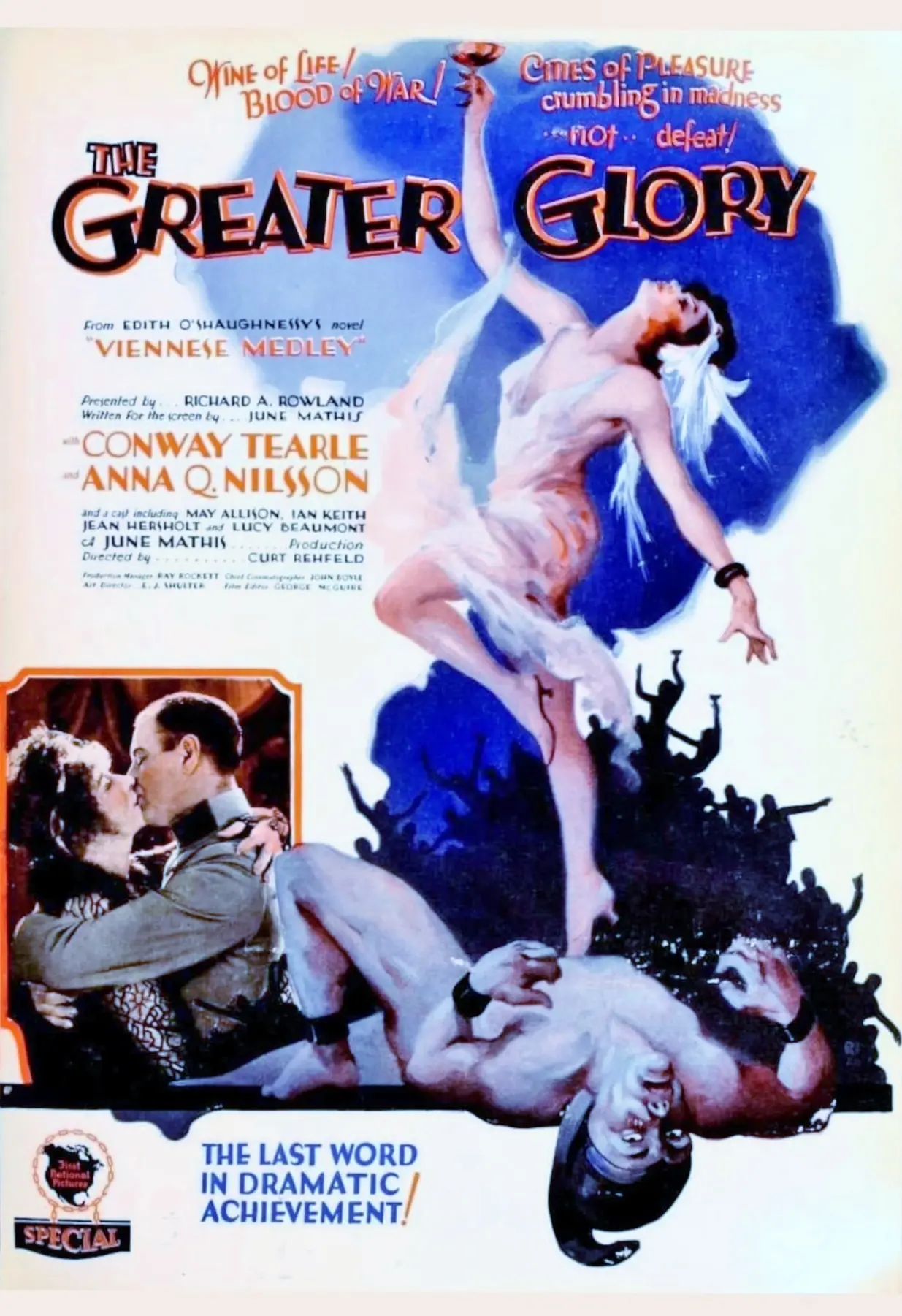
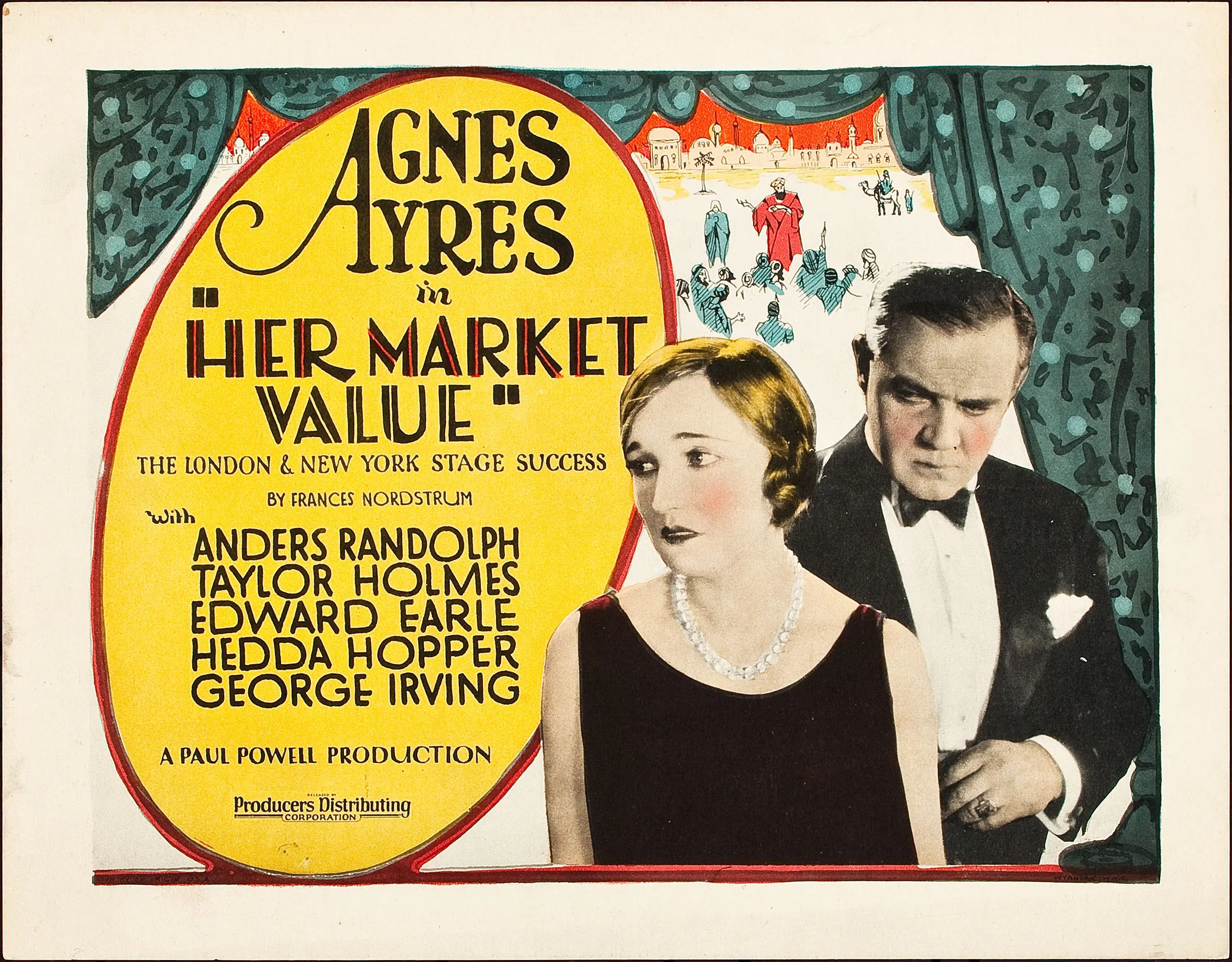
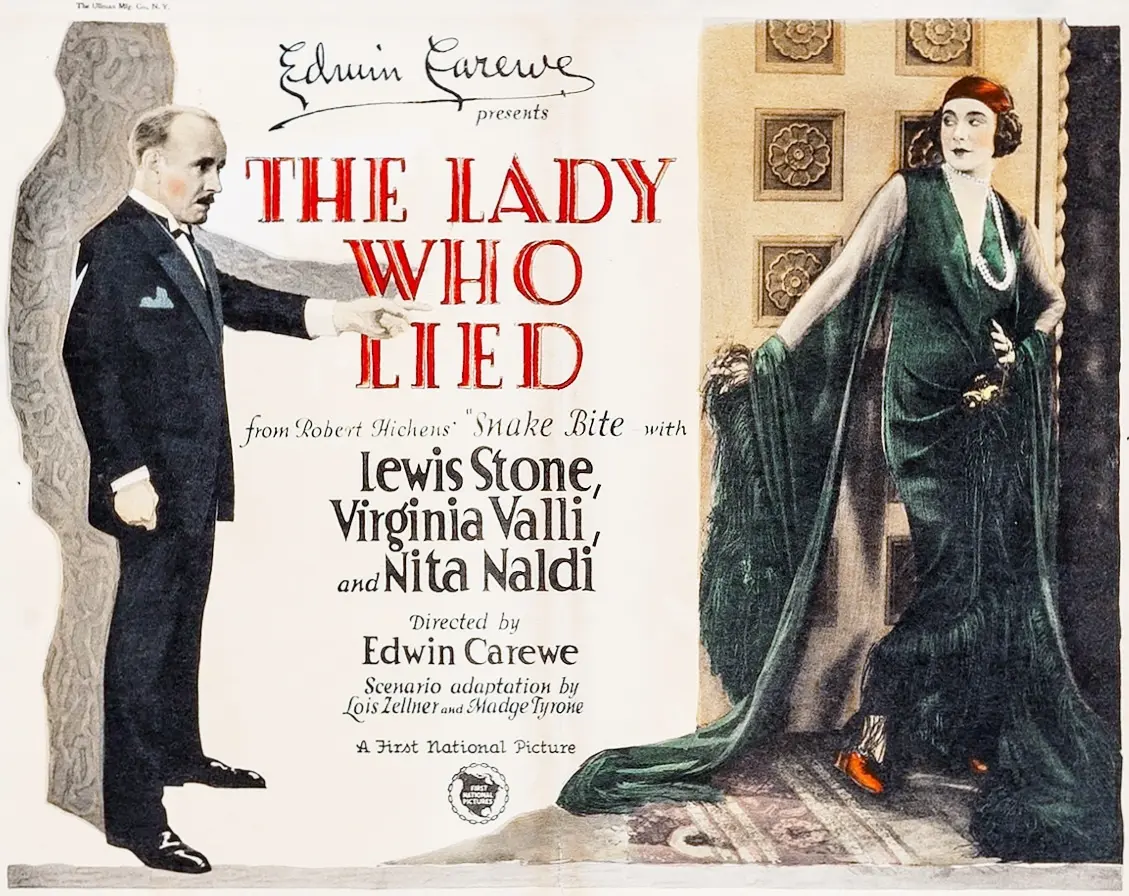
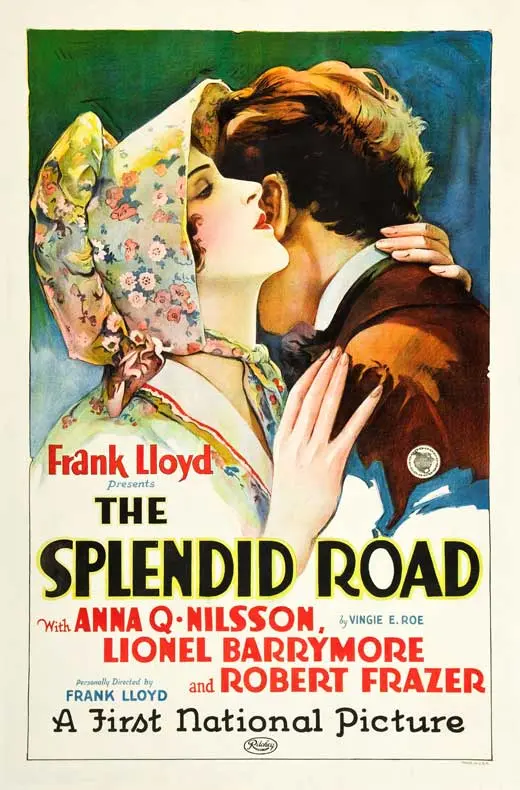
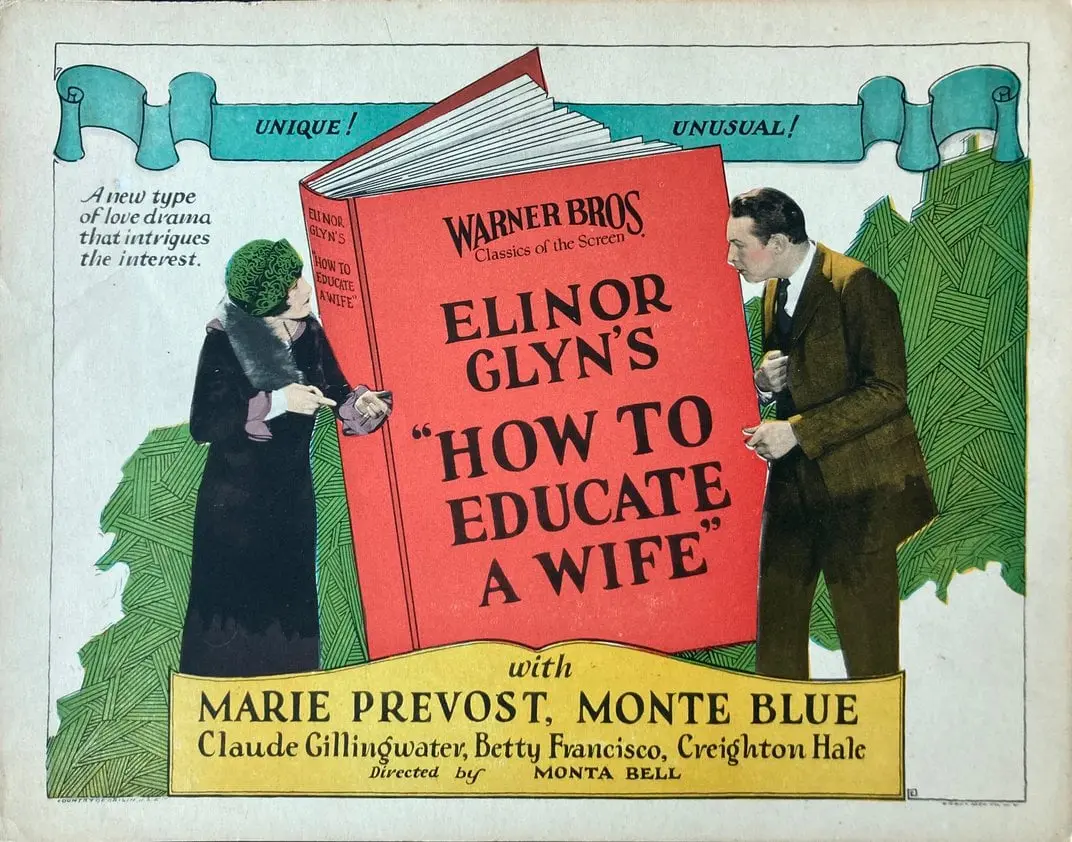
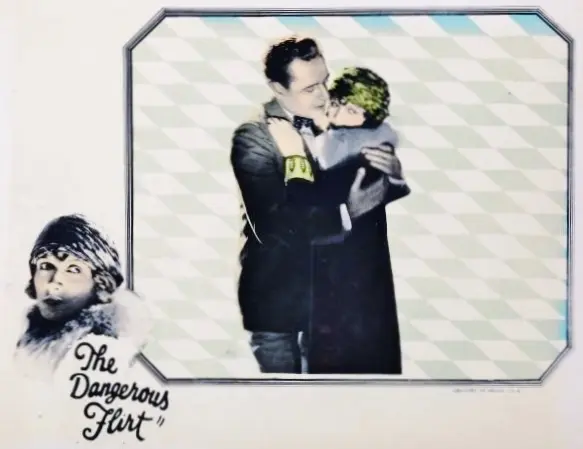
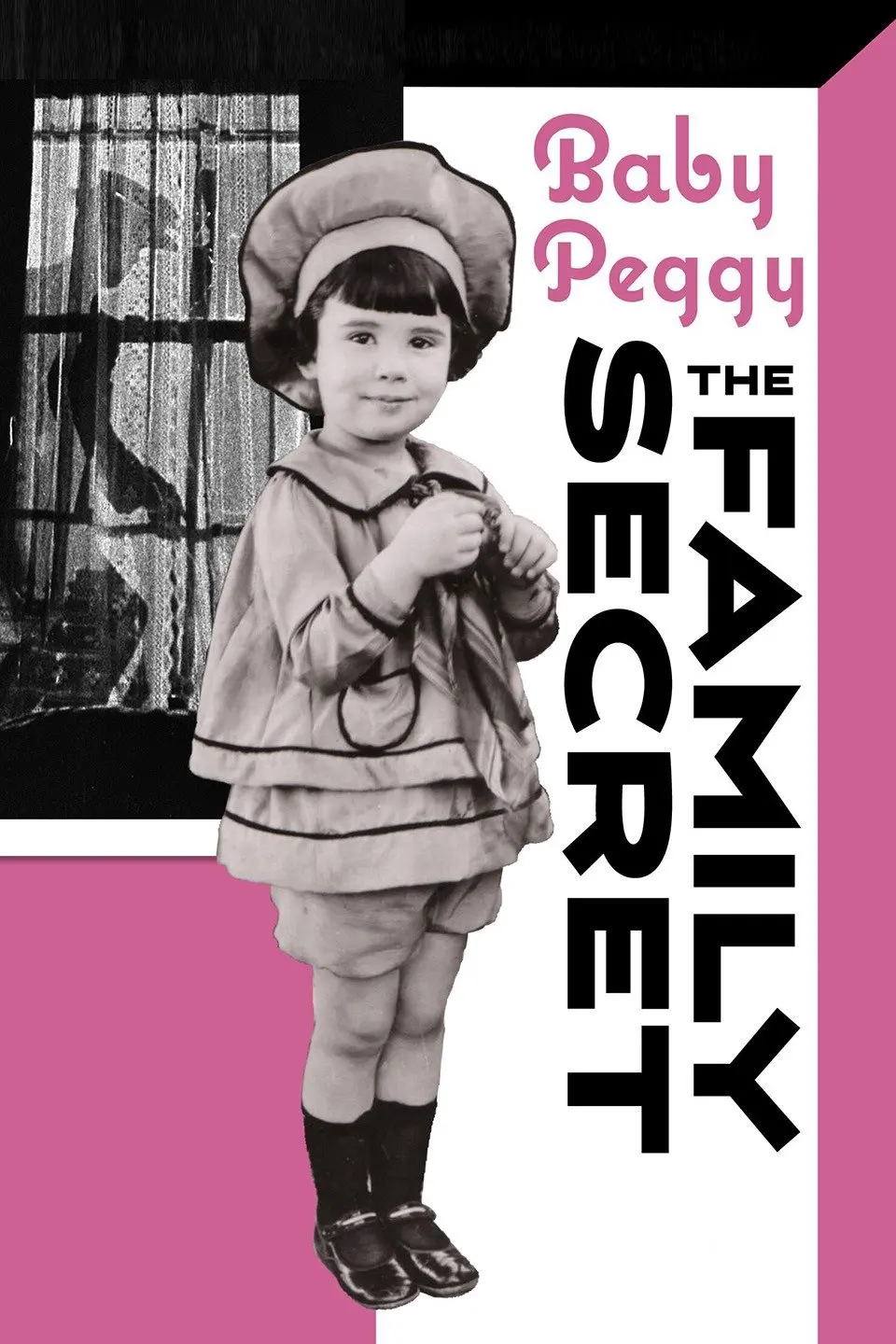
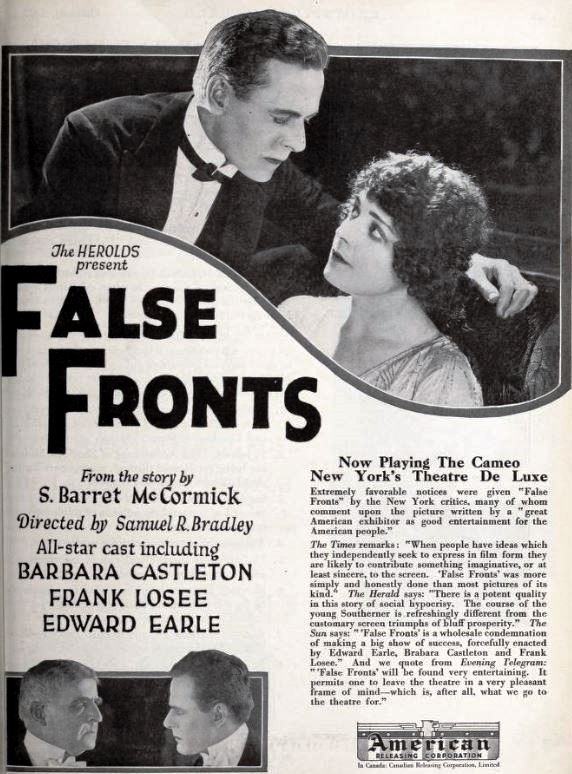
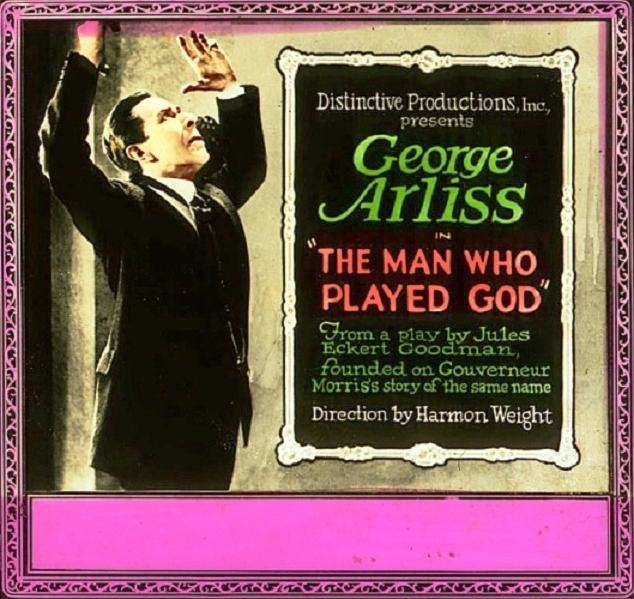
Toronto, 16 July 1882: Edward Earle enters the world and, almost as quickly, discovers footlights. By his teens he is crooning and high-kicking through Canada’s musical-comedy circuit, then zig-zagging the continent in vaudeville and stock companies run by Belasco, DeWolf Hopper Sr., Marie Cahill and the Schuberts. A single Broadway comedy, The Triumph of Love (1904), proves the hinge that swings him toward cameras. 1914: Edison’s New Jersey studio hands him a contract and, within months, leading-man status. Tawny-haired, square-jawed and built like a varsity oarsman, Earle flashes across the screen in more than 400 silents and talkers over the next forty-six years. His launchpad is the one-reeler Olive’s Opportunities (1914–15) opposite Mabel Trunnelle; from there he races through westerns (Ranson’s Folly, 1915), tear-jerkers opposite Viola Dana (The Innocence of Ruth, The Light of Happiness, The Gates of Eden, all 1916), war melodrama (For France, 1917) and tongue-in-cheek mysteries (The Blind Adventure, 1918). Between 1917 and 1919 he and Agnes Ayres trade crisp banter in a popular string of two-reel O. Henry adaptations. The twenties open with plush roles in East Lynne (1921), False Fronts (1922) and The Dangerous Flirt (1924), but the marquee soon shrinks: second leads in The Man Who Played God (1922), How to Educate a Wife (1924), The Family Secret (1924), Irene (1926), Twelve Miles Out (1927) and the part-talkie Kid Gloves (1929). Sound ushers in character bits—sometimes a line, sometimes only a shoulder in the frame—opposite Shirley Temple’s dimples, Laurel & Hardy’s hats and the Marx Brothers’ anarchy. Through the ’30s, ’40s and ’50s he keeps slipping into sagebrush sagas and Saturday-serial chapter plays, trading on the agility that once sent him racing cars, piloting planes and sketching portraits between takes. In the early 1960s the curtain finally falls; he settles at the Motion Picture Country Home in Woodland Hills, California, and, nine decades after his first spotlight, bows out in 1972.