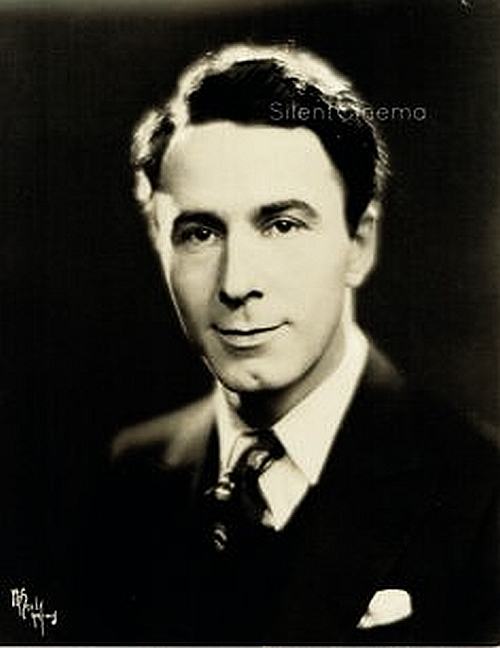
George Beranger
actor, director, writer
- Birth name:
- George Augustus Beringer
- Born:
- 1893-03-27, Sydney, New South Wales, Australia
- Died:
- 1973-03-08, Laguna Beach, California, USA
- Professions:
- actor, director, writer
Biography
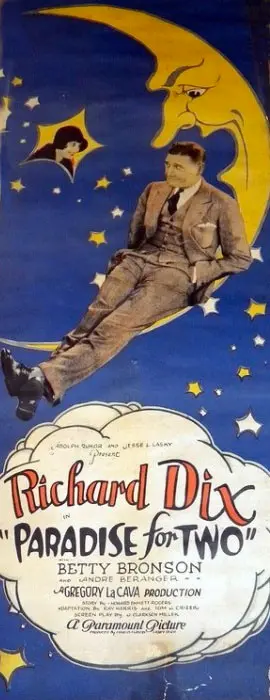
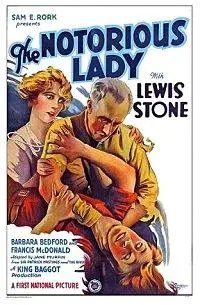
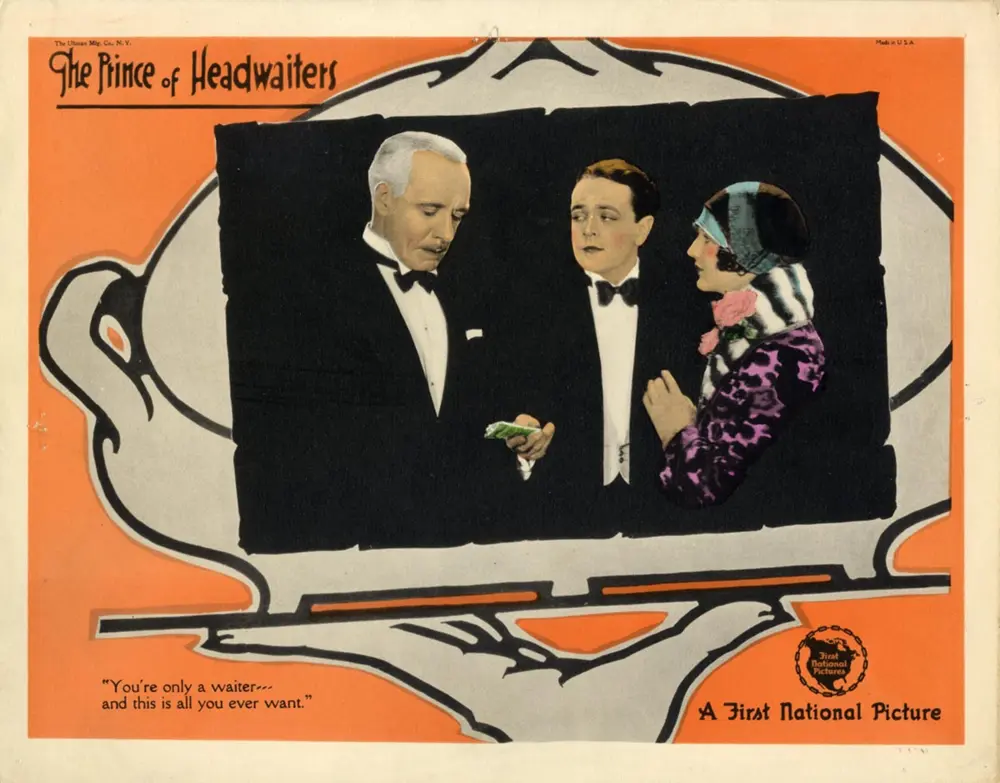
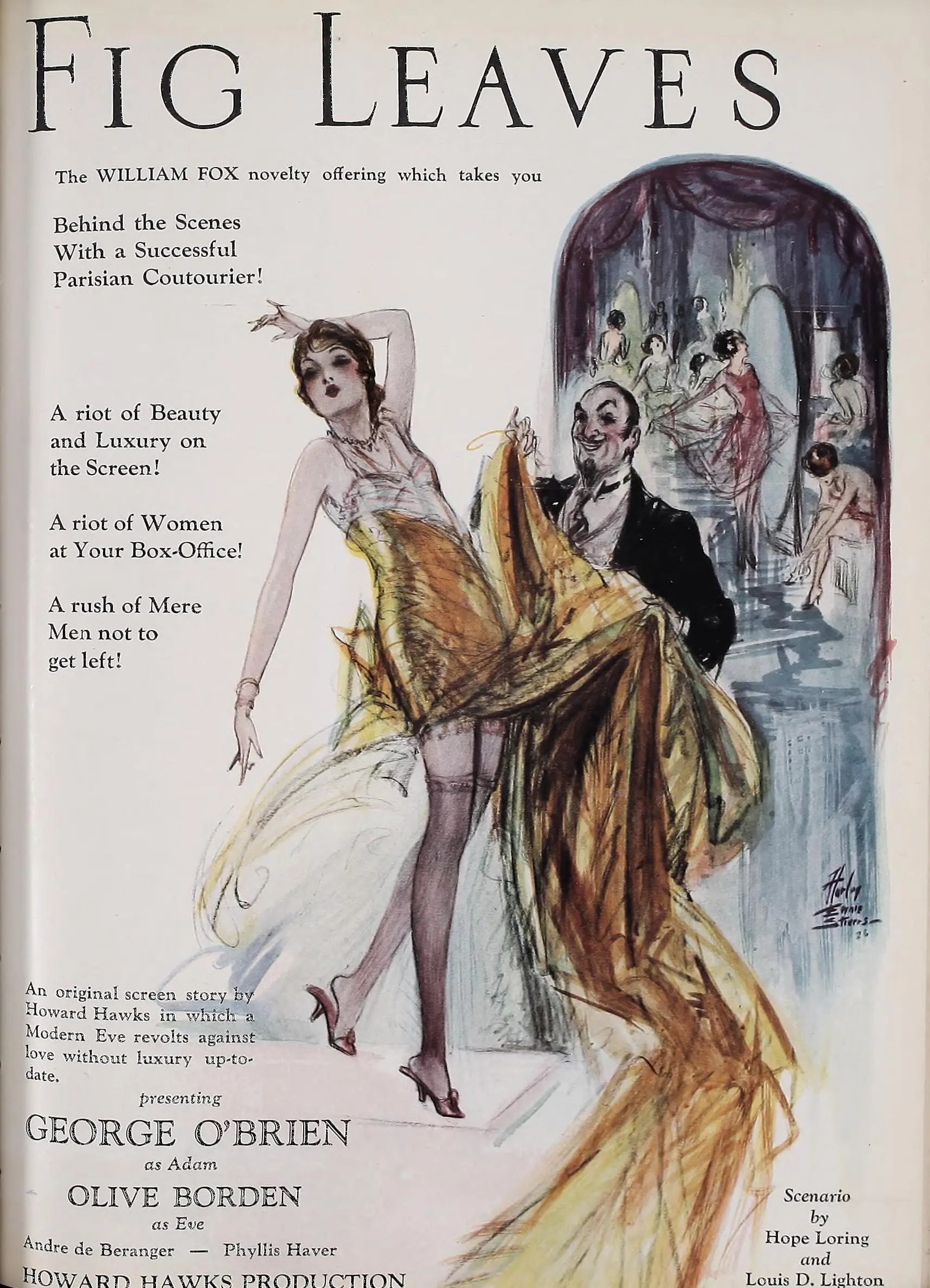
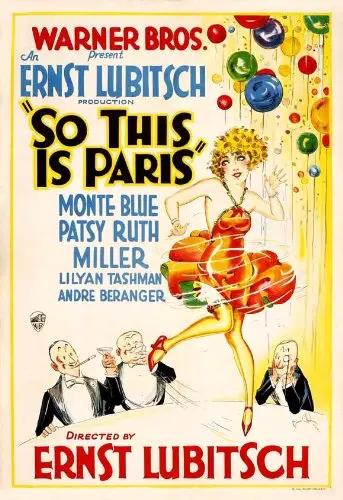
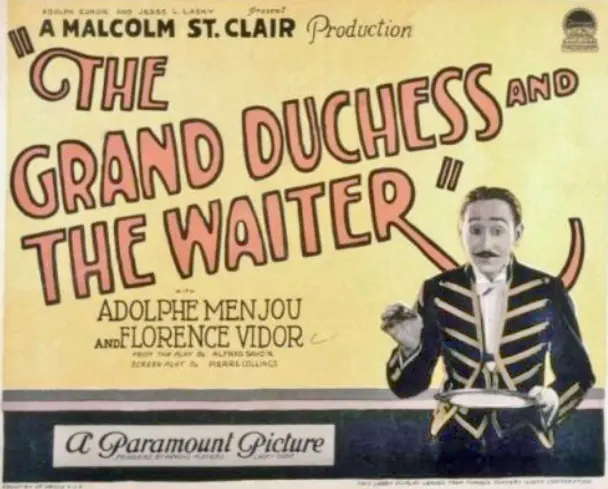
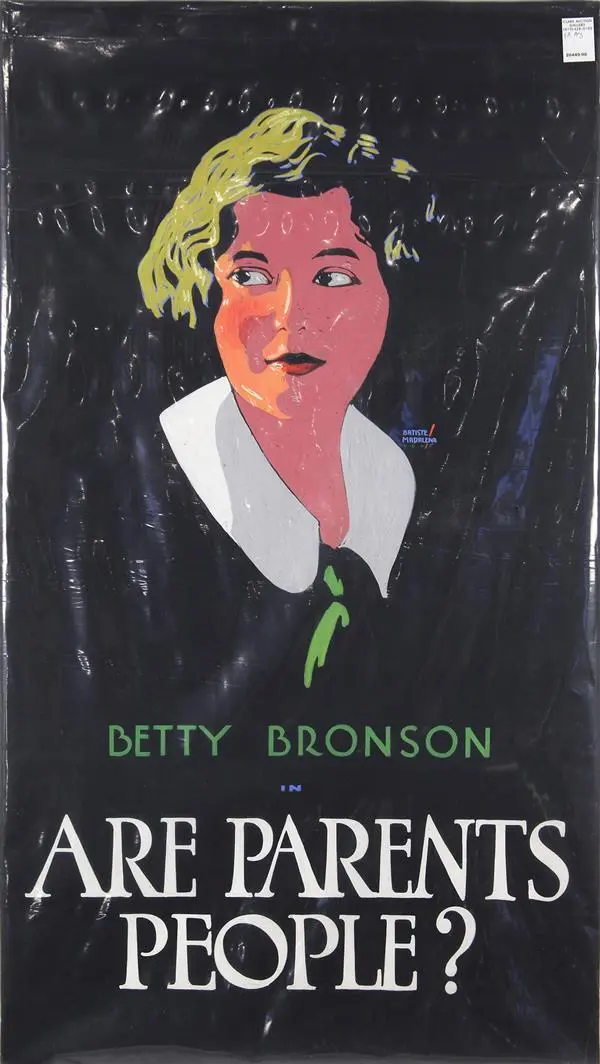
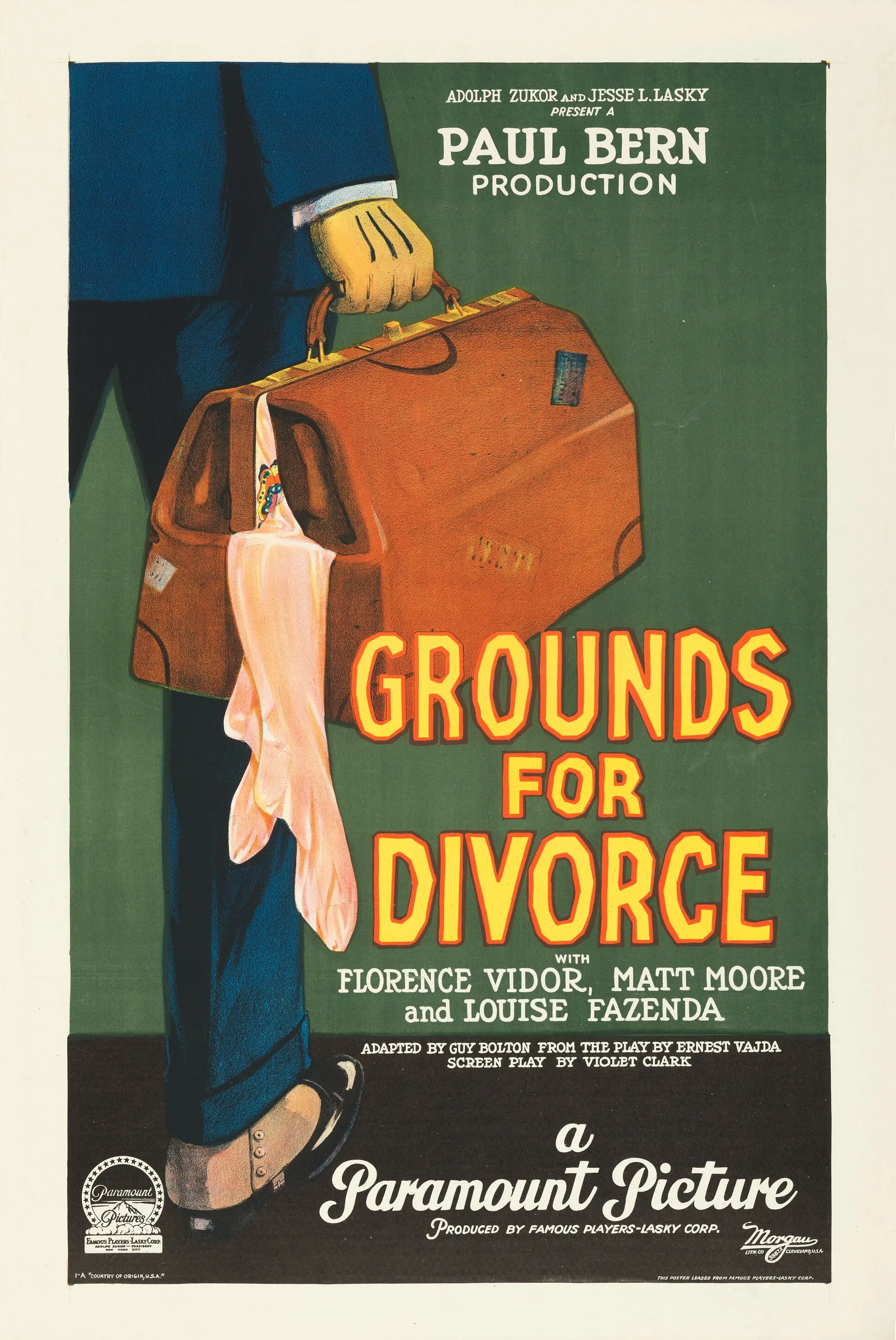
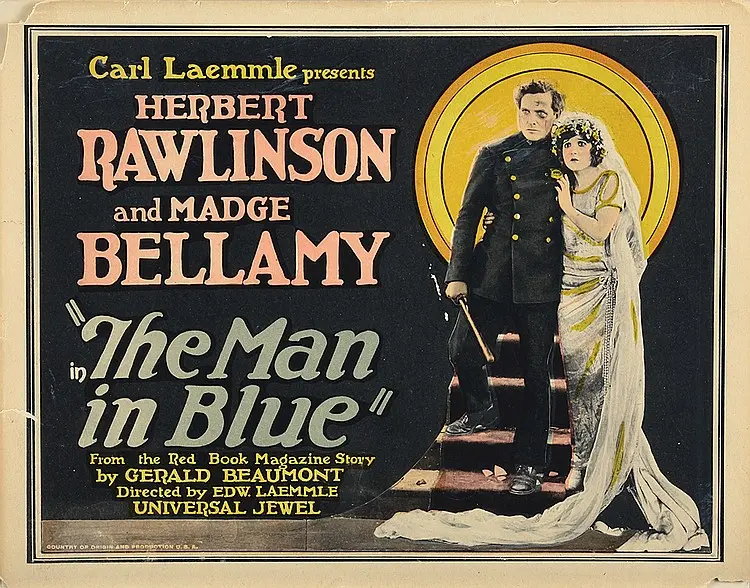
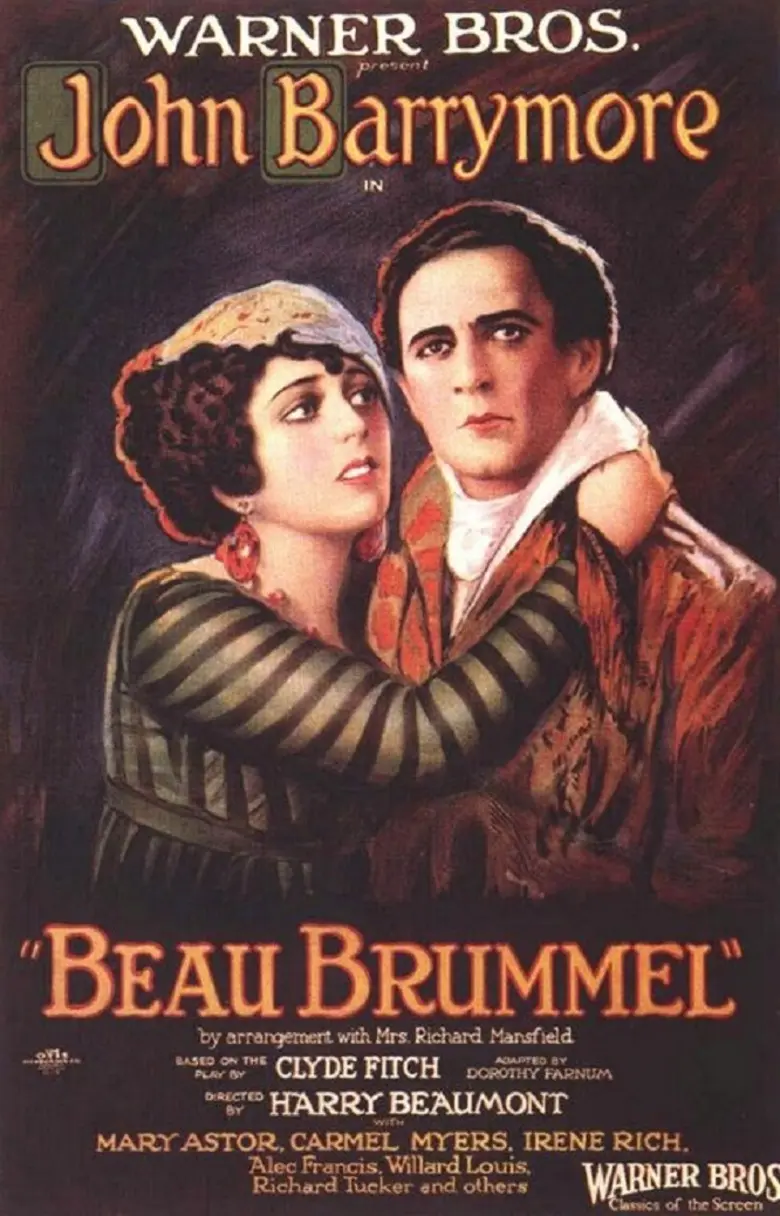
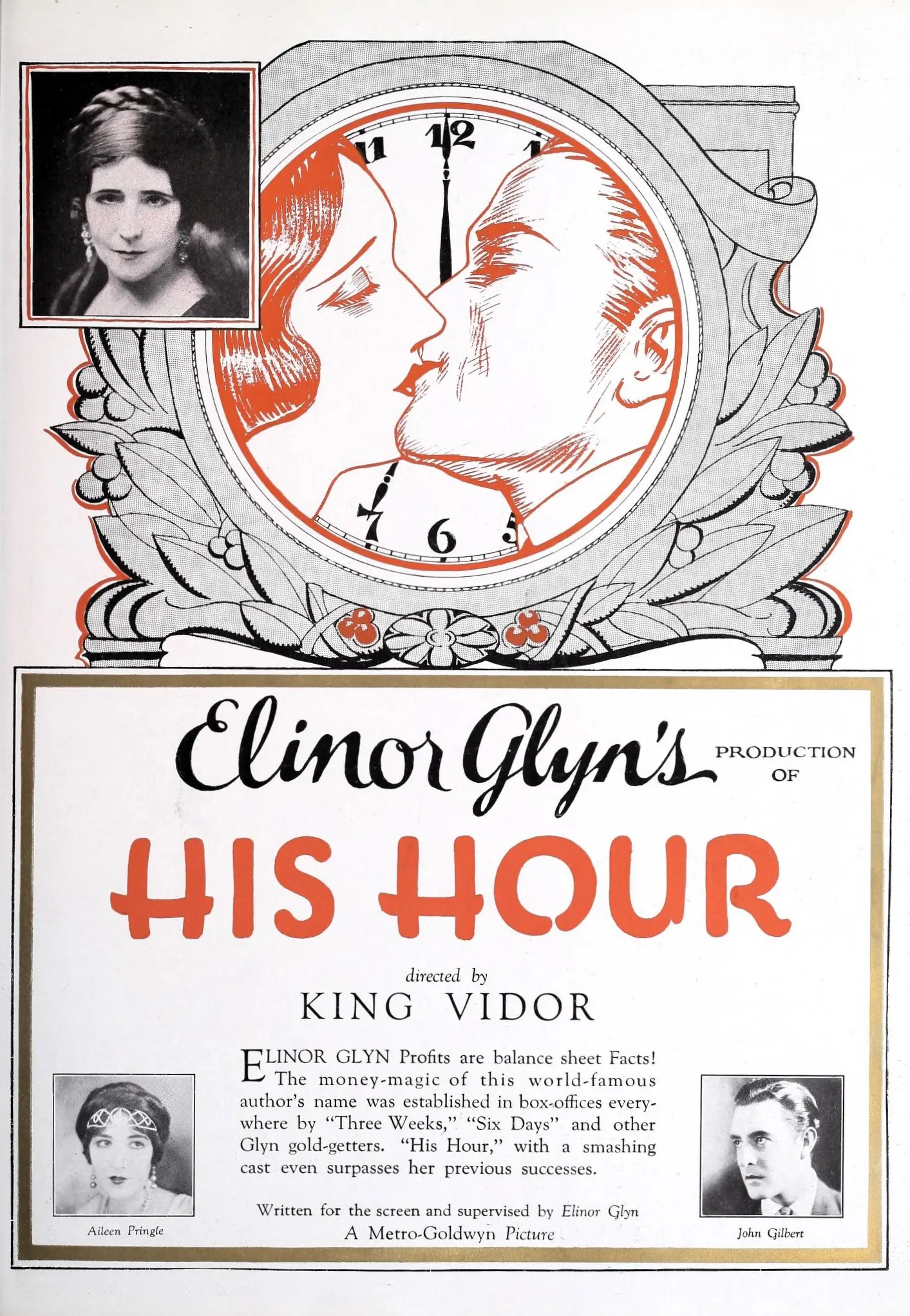
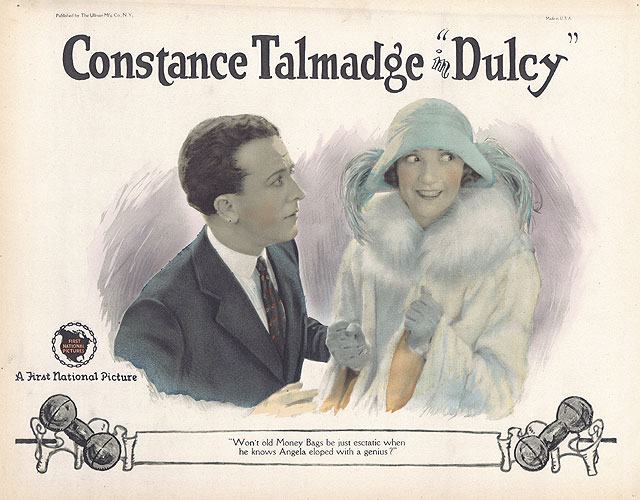
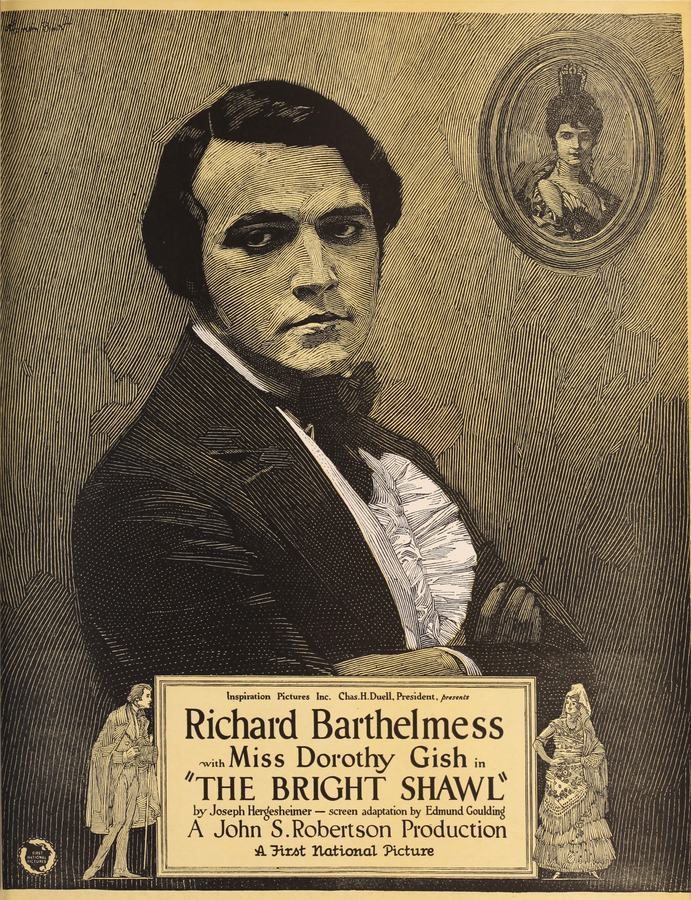
In the charming Australian suburb of Enmore, New South Wales, George Augustus Beringer was born into a bustling household as the youngest of five sons to Caroline Mondientz Beringer and Adam Beringer, a skilled German engine fitter. Tragedy struck at a tender age when his mother took her own life, leaving George just three years old. His father's subsequent remarriage brought no solace, as the new wife callously turned the boys out of the house upon reaching fourteen. George found solace in the world of performance, enrolling in the prestigious College of Elocution and Dramatic Art in Sydney, under the guidance of the esteemed Walter Bentley. By sixteen, he was treading the boards, bringing Shakespearean roles to life with the Walter Bentley Players. A thirst for adventure led him to sneak into Vancouver in July 1912, and soon he found himself in the vibrant theater district of New York's Union Square, posing for photographs alongside the illustrious Donald Crisp. As George Andre de Beranger, he embarked on a silent film career, often working alongside the visionary D.W. Griffith. His breakthrough year was 1913, with five Biograph films under his belt, followed by a pivotal role as Duke Cameron in Griffith's epic Civil War drama, The Birth of a Nation, in 1915. Beranger's talents extended beyond acting, as he also assumed the role of Griffith's assistant director. The press announced his intention to enlist in the Australian army in 1917, but by July 1918, he had been discharged from the Canadian Royal Flying Corps due to a severe illness. Though he never returned to service, his career soared. To bolster his image, Beranger fabricated an exotic backstory, claiming French parentage and a birth on a French ocean liner off the Australian coast. This clever ruse served him well, particularly when he mastered the role of the foppish Frenchman in Ernst Lubitsch's satirical masterpiece, So This Is Paris, in 1926. By the 1920s, Beranger had become a household name, starring in and directing numerous films across the United States, Britain, and Holland. His versatility earned him a Variety Award, a precursor to the Academy Award. With a flair for comedy, he effortlessly portrayed pirates, soldiers, and European noblemen, but it was his lovelorn characters that truly stole the show. When not acting, Beranger indulged in his love of ocean cruising, making several transatlantic voyages and eventually returning to his hometown of Sydney in 1928. However, the Great Depression and a contract dispute with Equity took a toll on his finances and career. Forced to downsize, Beranger sold his grand Spanish-style home in Laguna Beach and moved into a modest cottage. He continued to act, albeit in smaller, uncredited roles, and found work as an architectural draftsman for the Los Angeles city council. His later years saw him appear in film noirs like The Spider, Nightmare Alley, and Road House, showcasing his remarkable range. Beranger's retirement in 1952 marked the end of an era. He spent his twilight years in seclusion, surrounded by his impressive collection of silent films, which he would often screen for his own amusement. His other passions included traveling, driving, and reading, as well as cherishing the memories of his illustrious career, meticulously documented in his extensive collection of press cuttings, photographs, and costumes. In a poignant finale, Beranger's life came to a peaceful end, his body discovered behind the locked gates and high walls of his home. The postman's chance observation of overflowing mail led to the police finding him, and his belongings were subsequently sent to his family in Australia. Today, five of Beranger's films have been selected for preservation by the National Film Registry, ensuring his legacy endures for generations to come.
Filmography
In the vault (94)