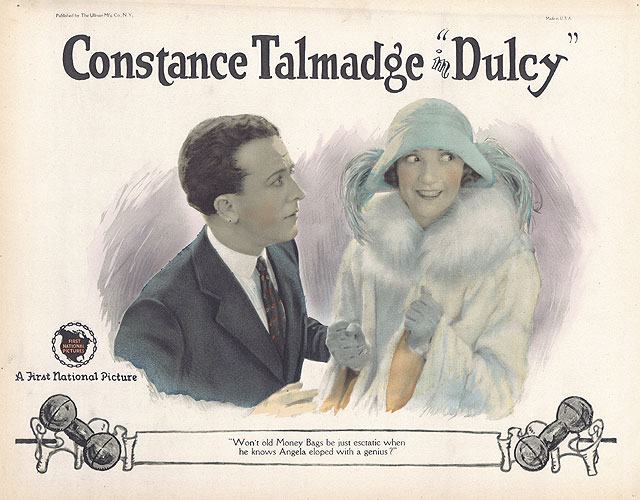
Dulcy (Constance Talmadge), a devoted but scatterbrained bride, tries to improve her absent husband's finances by inviting two of his business prospects to dinner. Though at first thoroughly confusing the deal, she does get her husband a bigger share than he bargained for.
The Architectural Wit of Dulcy: A Silent ParadigmThe 1923 cinematic adaptation of Dulcy represents a pivotal moment in the evolution of the American domestic comedy. While many silent films of the era leaned heavily into slapstick or the melodramatic gravity of works like The Silent Master, Dulcy carves out a niche of ...
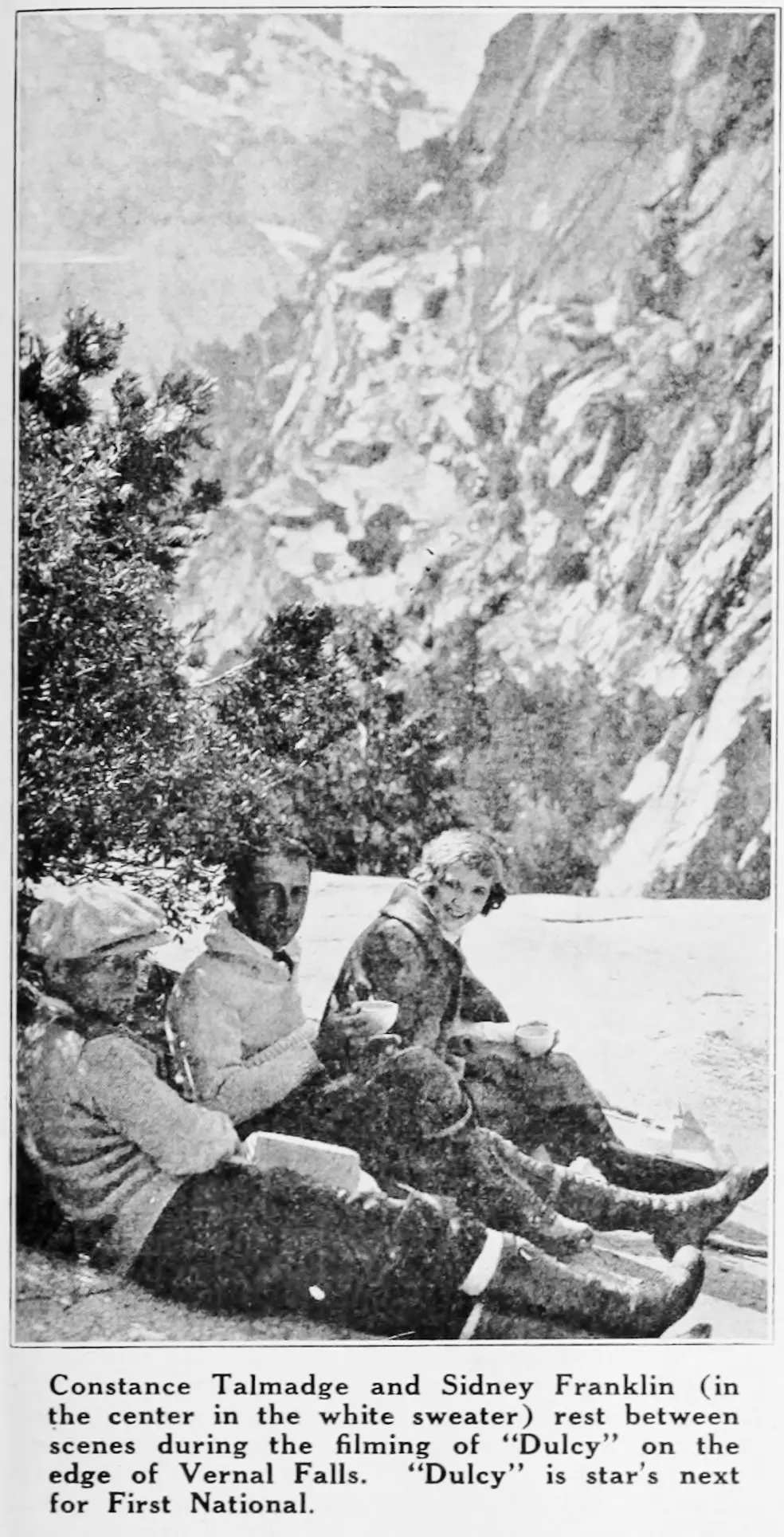
behind_the_scenes
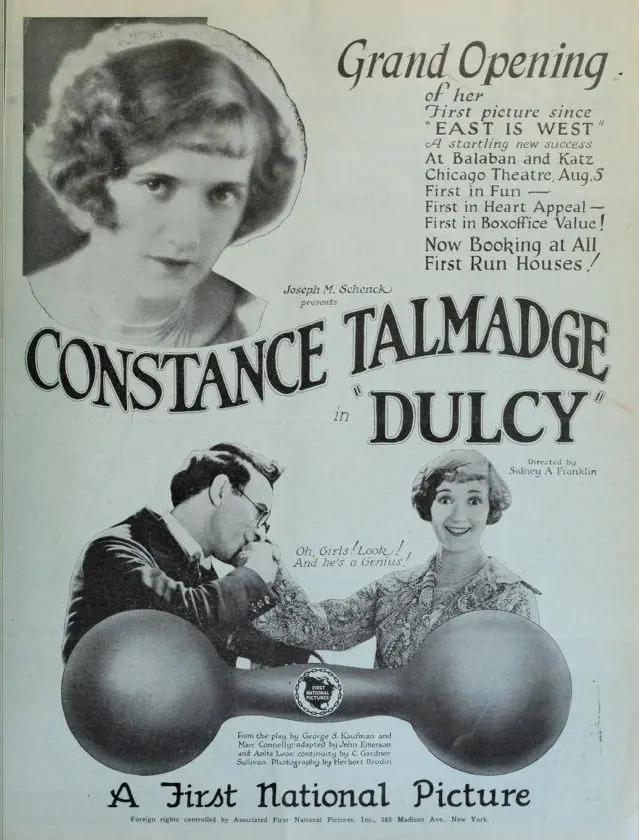
production_art
Comparing the cinematic DNA and archive impact of two defining moments in cult history.
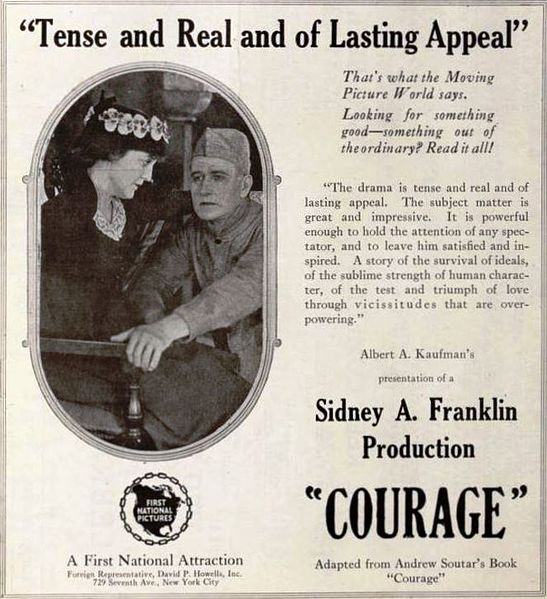
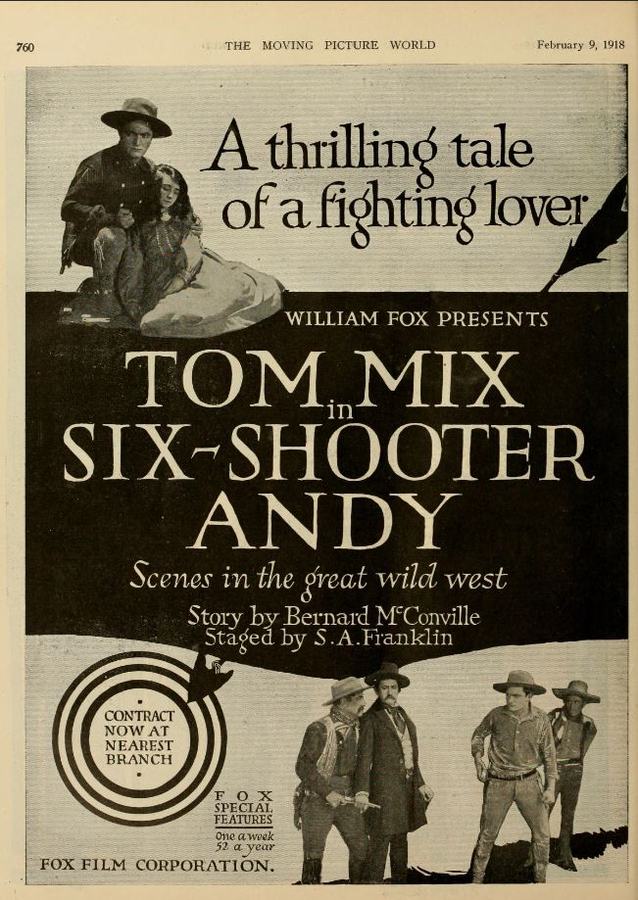
Sidney Franklin
Unknown Director
Community
Log in to comment.
"The Architectural Wit of Dulcy: A Silent ParadigmThe 1923 cinematic adaptation of Dulcy represents a pivotal moment in the evolution of the American domestic comedy. While many silent films of the era leaned heavily into slapstick or the melodramatic gravity of works like The Silent Master, Dulcy carves out a niche of sophisticated satire. The film, derived from the stage play by George S. Kaufman and Marc Connelly, benefits from a screenplay pedigree that is nothing short of legendary. With the..."
Anne Cornwall
George S. Kaufman, C. Gardner Sullivan, Marc Connelly, Anita Loos, Frances Marion, John Emerson
United States