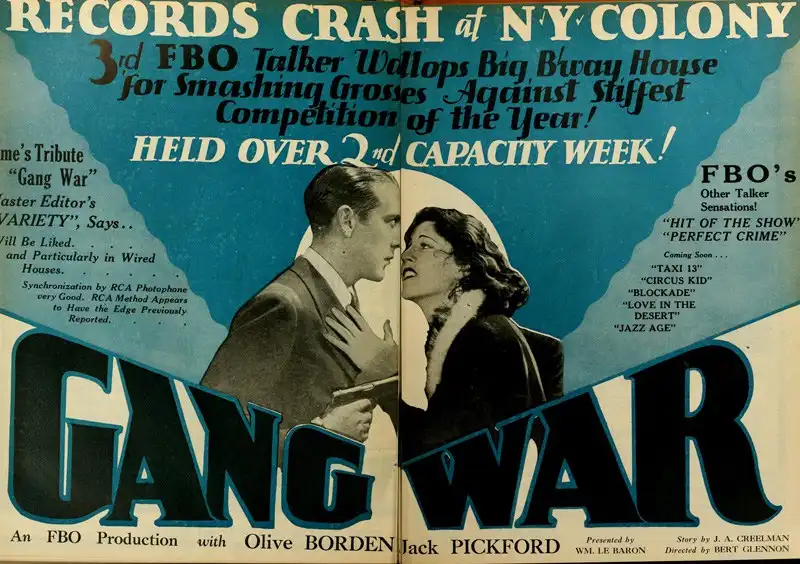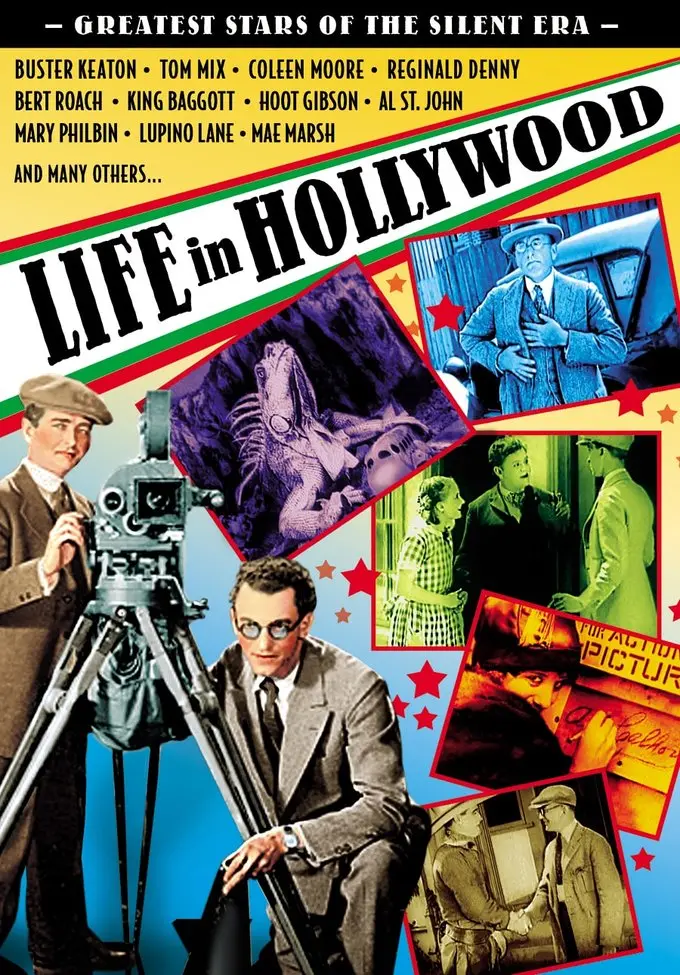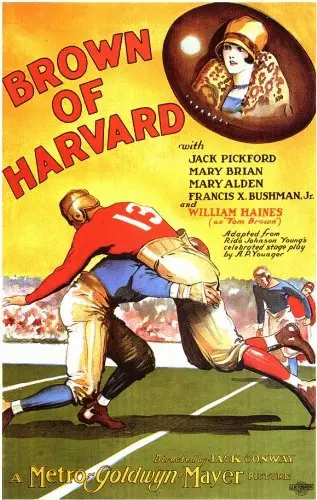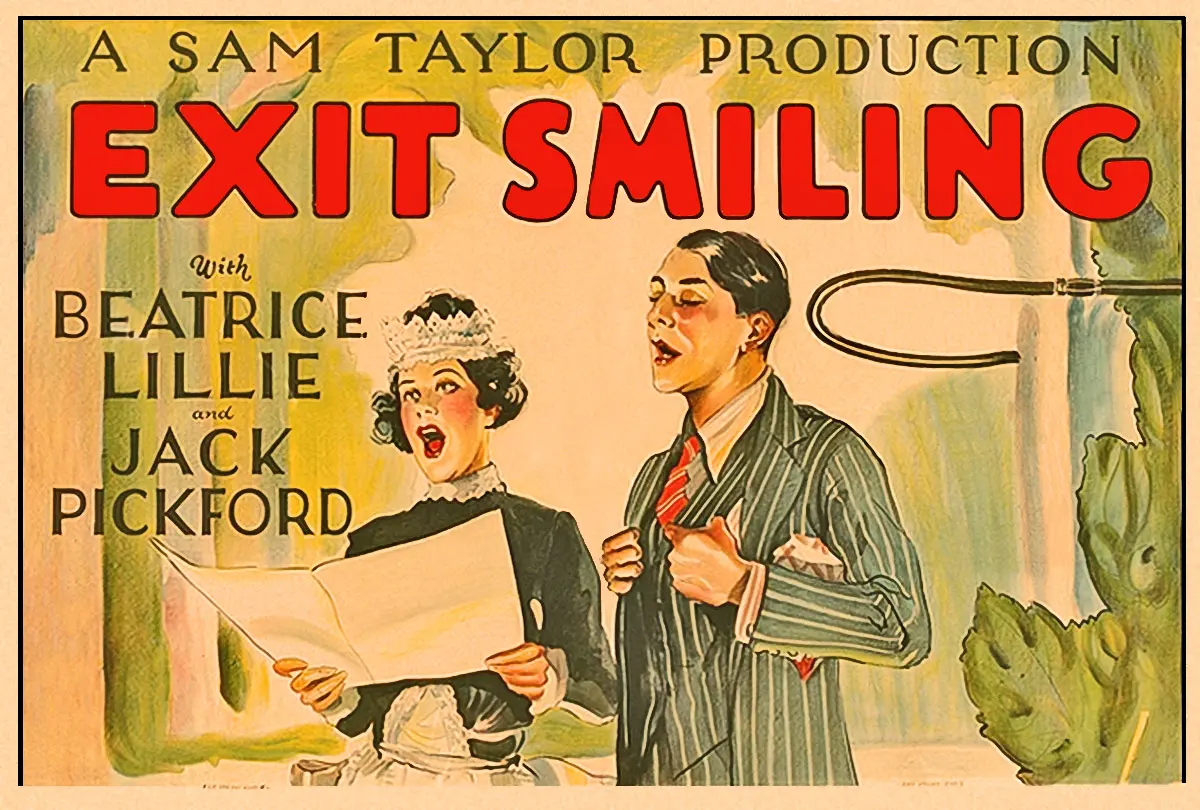
Jack Pickford
actor, director, producer
- Birth name:
- John Carl Smith
- Born:
- 1895-08-18, Toronto, Ontario, Canada
- Died:
- 1933-01-03, Paris, France
- Professions:
- actor, director, producer
Biography
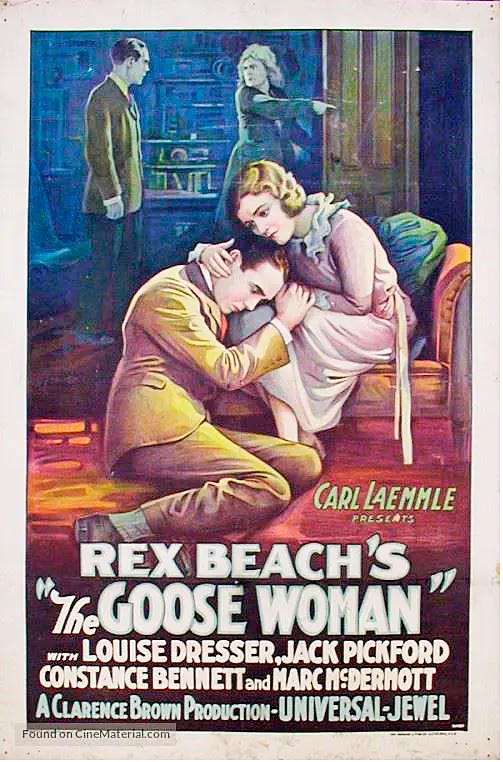
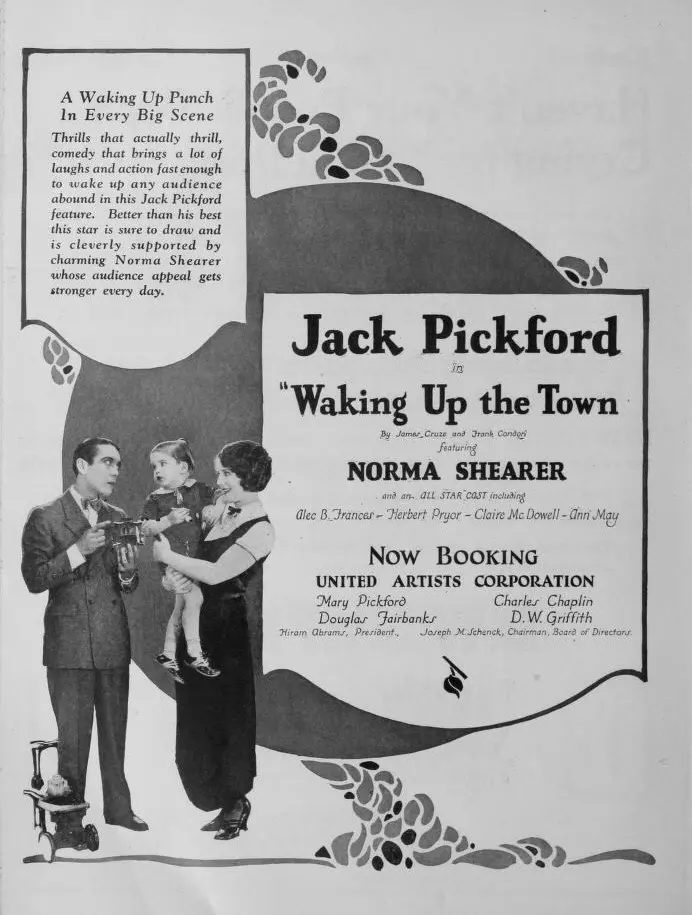
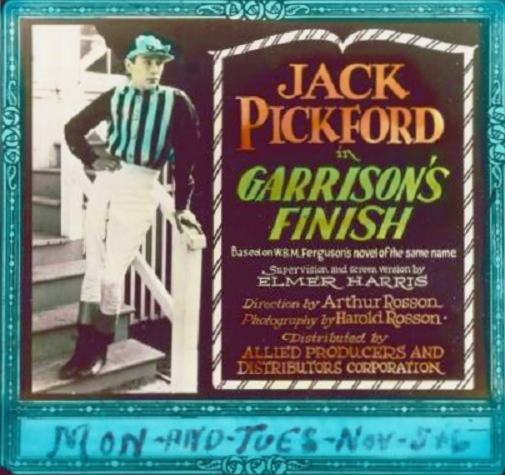
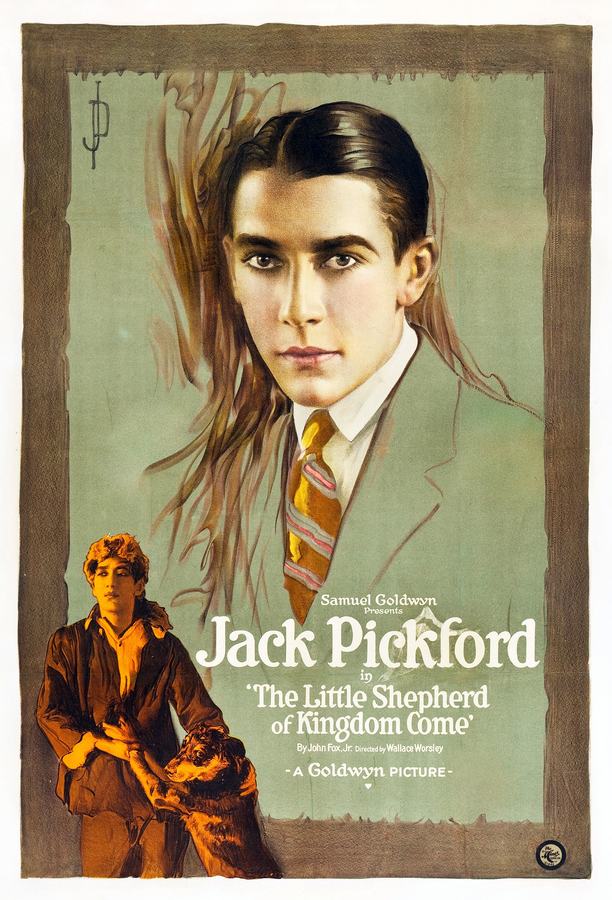
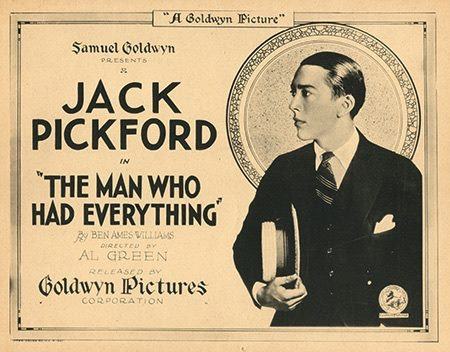
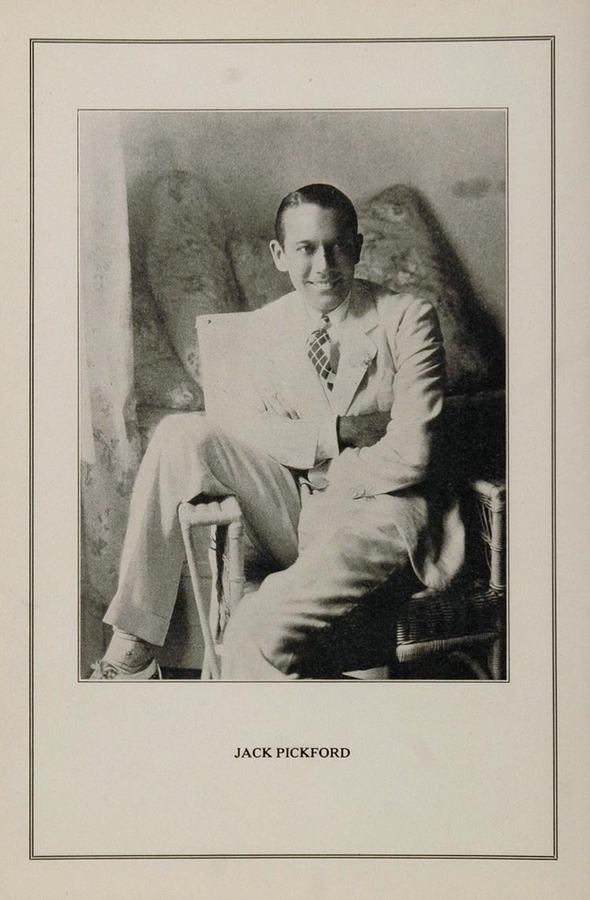
{ "biography": "The glittering advantages of Hollywood nepotism rarely shone brighter than on Jack Pickford's career, propelled by his iconic elder sister, 'America's Sweetheart' Mary Pickford. Yet, the unparalleled opportunities afforded by her immense star power seemed only to ignite a pre-existing, tragic trajectory for Jack. Born John Charles Smith (later known as Jack Pickford) on August 18, 1896, in Toronto, Canada, the youngest of three, his life would prove anything but common. His elder siblings included Gladys Louise Smith, who would become the legendary Mary Pickford, and Charlotte Smith (1893-1936), a minor actress known as Lottie Pickford. Their actress mother, Charlotte Smith, steered all three children into show business after their alcoholic father, also John Charles Smith, abandoned the family.\n\nJack's theatrical beginnings as a child actor quickly transitioned to the nascent film industry. In 1909, Mary leveraged her growing influence to secure steady roles for both her younger siblings at the Biograph film company. Under D.W. Griffith's direction, Jack appeared in numerous shorts, including *Wanted, a Child* (1909), *To Save Her Soul* (1909), *The Smoker* (1910), *Muggsy Becomes a Hero* (1910), *Sweet Memories* (1911), *As a Boy Dreams* (1911), *The Speed Demon* (1912), *Heredity* (1912), *The Sneak* (1913), and *Home, Sweet Home* (1914). Lottie, too, found leading roles in films like *The Pilgrimage* (1912) and *They Shall Pay* (1921). The three Pickford siblings shared the screen in *Sweet Memories* (1911) and *Fanchon, the Cricket* (1915), among others. Jack's ventures beyond Biograph included the title role in Reliance's *Giovanni's Gratitude* (1913) and starring turns for Selig Polyscope in *The Making of Crooks* (1915), *The Hard Way* (1916), *The Conflict* (1916), and *Cupid's Touchdown* (1917).\n\nWhen Mary departed Biograph for the Famous Players Film Company (later Paramount Pictures) in 1914, Jack followed, establishing himself as a personable light leading man. His career received another significant boost in 1917 when Mary signed her groundbreaking million-dollar contract with First National, stipulating a lucrative deal for her brother as well. He joined Mary onscreen in films such as *A Girl of Yesterday* (1915) and *Poor Little Peppina* (1916). On his own, Jack starred as lovelorn Bill Baxter in *Seventeen* (1916); as Pip in *Great Expectations* (1917); as Jack in *The Dummy* (1917); and as Tom Sawyer in both *Tom Sawyer* (1917) and *Huck and Tom* (1918). He also took on title roles in *His Majesty, Bunker Bean* (1918), *Mile-a-Minute Kendall* (1918), and *Sandy* (1918) – all three co-starring the charming Louise Huff – as well as appearing in *Freckles* (1917), *The Girl at Home* (1917), *What Money Can't Buy* (1917), and *Jack and Jill* (1917).\n\nDespite his professional ascent, Jack struggled to maintain a clean record. A 1918 stint in the Navy Reserve, ostensibly for rehabilitation, proved disastrous when he was implicated in a bribery scheme, accused of accepting payments from draftees seeking cushy shore assignments over front-line combat. With his family's powerful intervention, he narrowly avoided a court-martial, ultimately receiving a general discharge and exoneration – a reprieve many felt he scarcely deserved.\n\nEarning a modest degree of "boy-next-door" appeal, Jack ventured into producing, with credits including *Burglar by Proxy* (1919), *Garrison's Finish* (1923), and *In Wrong* (1919). He also co-directed a pair of Mary's films, *Through the Back Door* (1921) and *Little Lord Fauntleroy* (1921), alongside Alfred E. Green. During the vibrant "Roaring Twenties," some of his more notable silent performances included *The Little Shepherd of Kingdom Come* (1920), *The Man Who Had Everything* (1920), *Waking Up the Town* (1925), *The Goose Woman* (1925), *Brown of Harvard* (1926), and a role as a young leading man in the classic Beatrice Lillie backstage comedy *Exit Smiling* (1926).\n\nTragically, Jack's insatiable appetite for a hedonistic lifestyle rapidly consumed him. A notorious playboy and perpetual carouser, his scandalous private life often eclipsed any interest in his light romantic films. He succumbed to severe alcohol, drug, and gambling addictions, further complicated by bouts of syphilis, all fueling his decadent partying. His married life was equally turbulent; all three of his wives had been Ziegfeld girls. His tempestuous marriage to despondent, drug-addicted actress Olive Thomas ended after four years with her death at 25 from swallowing mercury bichloride. His subsequent marriages to legendary Broadway musical star Marilyn Miller and minor actress Mary Mulhern also quickly dissolved, victims of his acute alcoholism.\n\nBy the late 1920s, Jack had become entirely unreliable. With the dawn of sound cinema, his career screeched to a halt, despite Mary's persistent efforts to revive it. His health suffered considerably following this professional decline. His final two film appearances were in the (lost) silent feature (with talking sequences) *The Dancer Upstairs* (2002) co-starring Olive Borden, and a leading role in the short film *All Square* (1930).\n\nHe died at the age of 36 on January 3, 1933, in Paris. While the official cause was listed as 'progressive multiple neuritis,' it was almost certainly precipitated by his chronic alcoholism – a tragic and seemingly avoidable end for a young man who chose to tarnish the silver platter so readily presented to him. His sister Lottie also fell prey to extreme excess, dying in 1936 at age 43 from alcohol-related causes. Jack Pickford was later honored with a star on the Hollywood Walk of Fame." }
Filmography
In the vault (14)