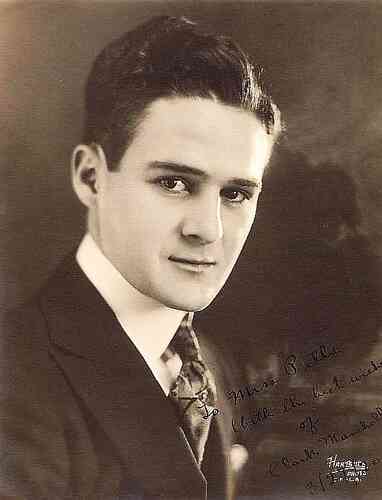
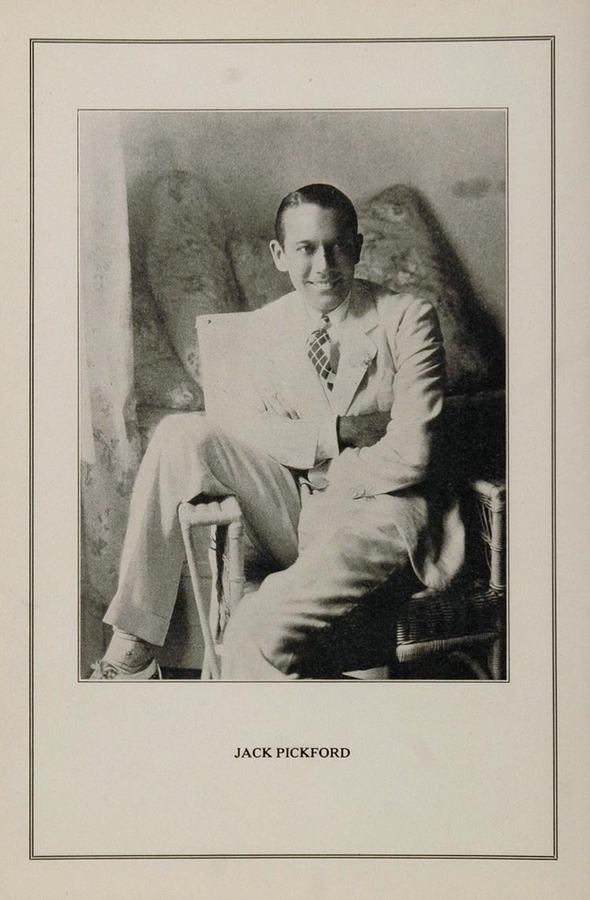
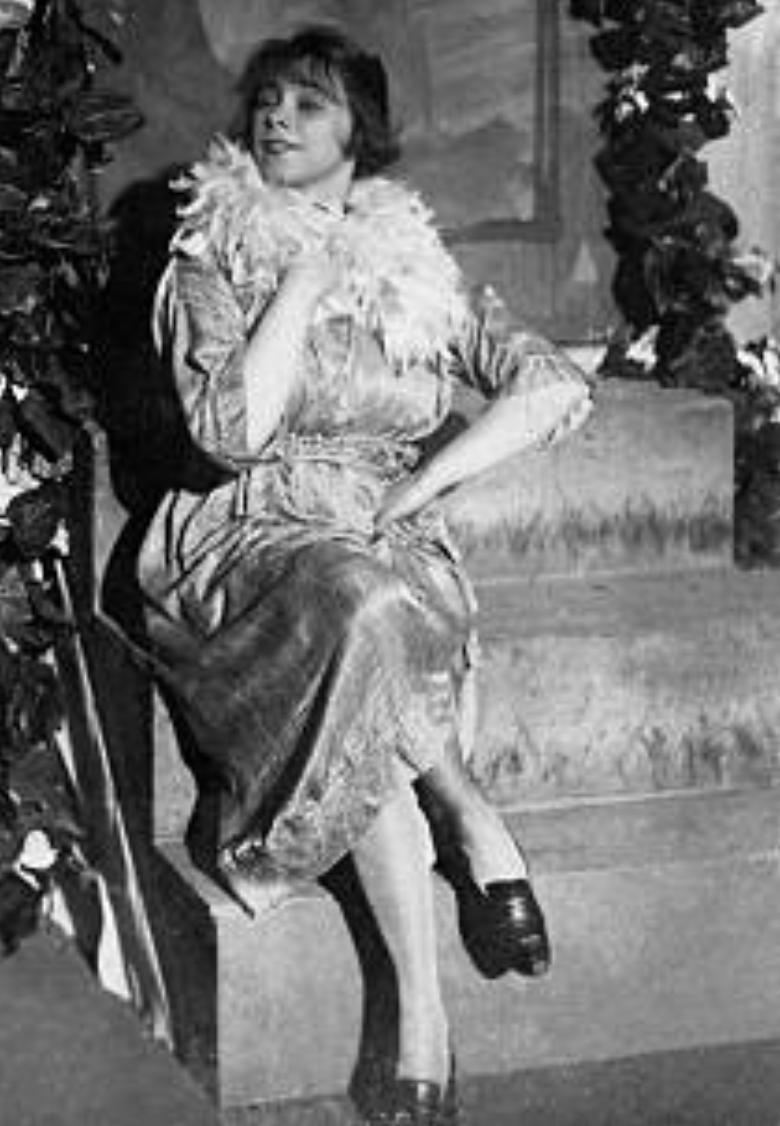
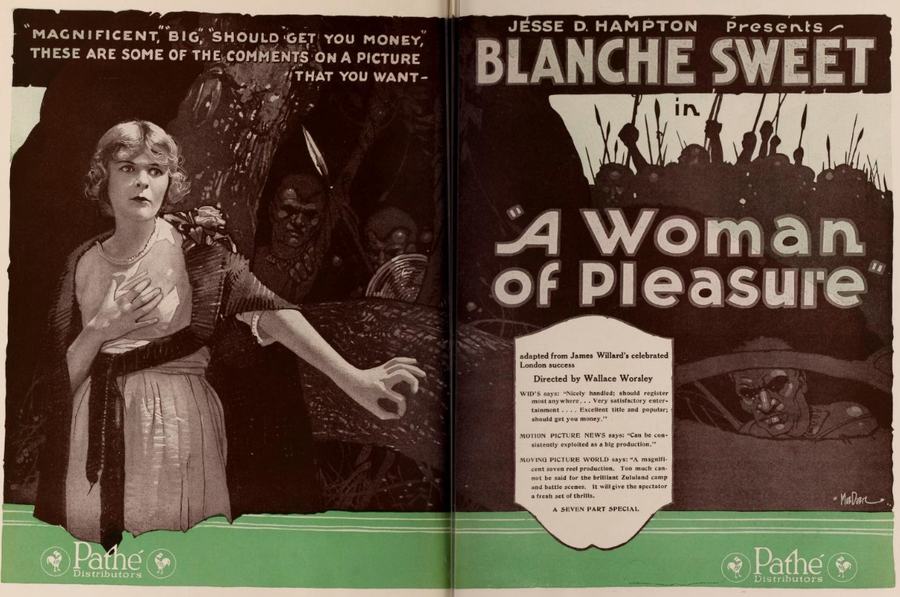
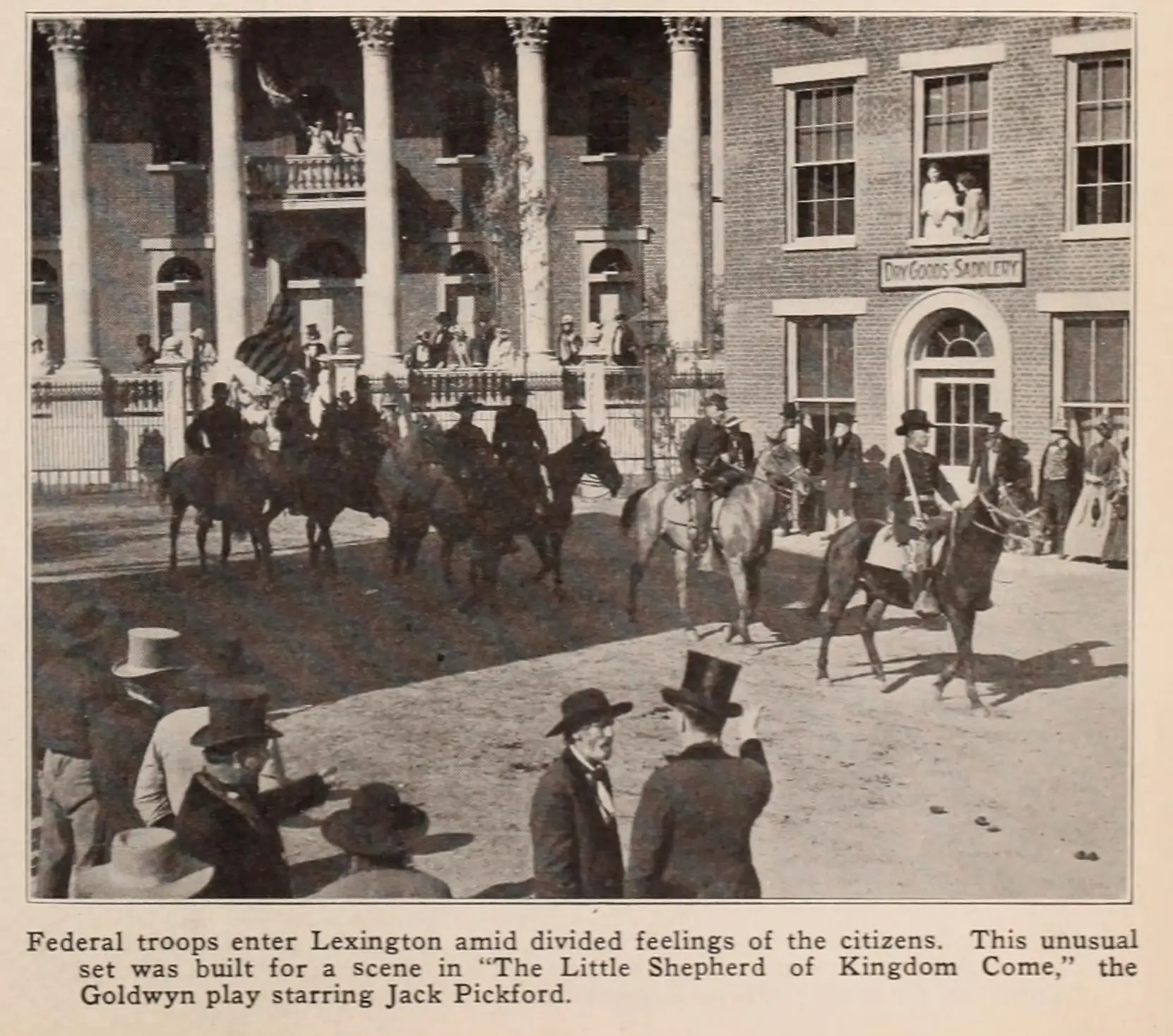
An orphan boy from the Kentucky hills joins the Union Army and rescues his adopted family from Morgan's raiders. He learns his real identity when he returns after the war.
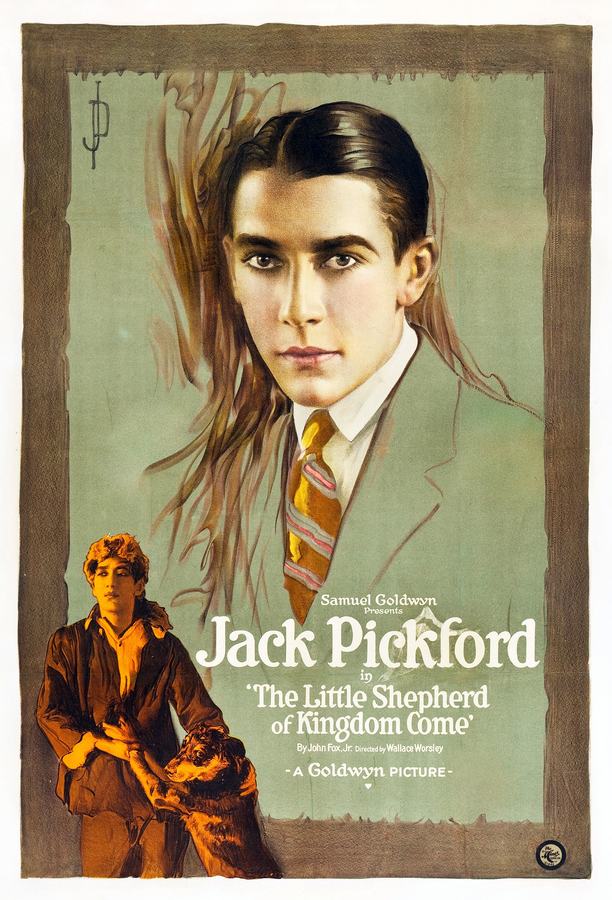
Kingdom Come is not a place; it is a wound. The 1920 adaptation of John Fox Jr.’s novel arrives like a brittle daguerreotype soaked in kerosene: fragile, flammable, yet luminous once struck. From the first iris-in on a mist-laden Kentucky ravine, director Edgar Lewis and scenarist Elliott J. Clawson refuse the postcar...
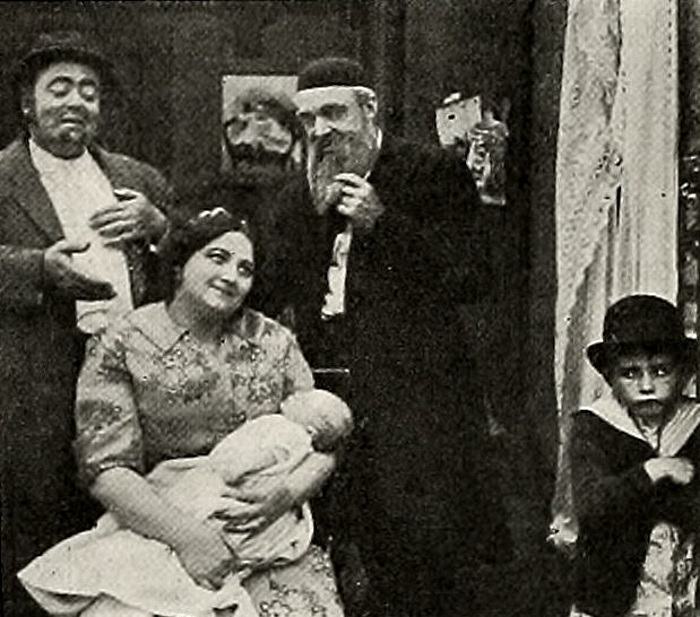
still_frame
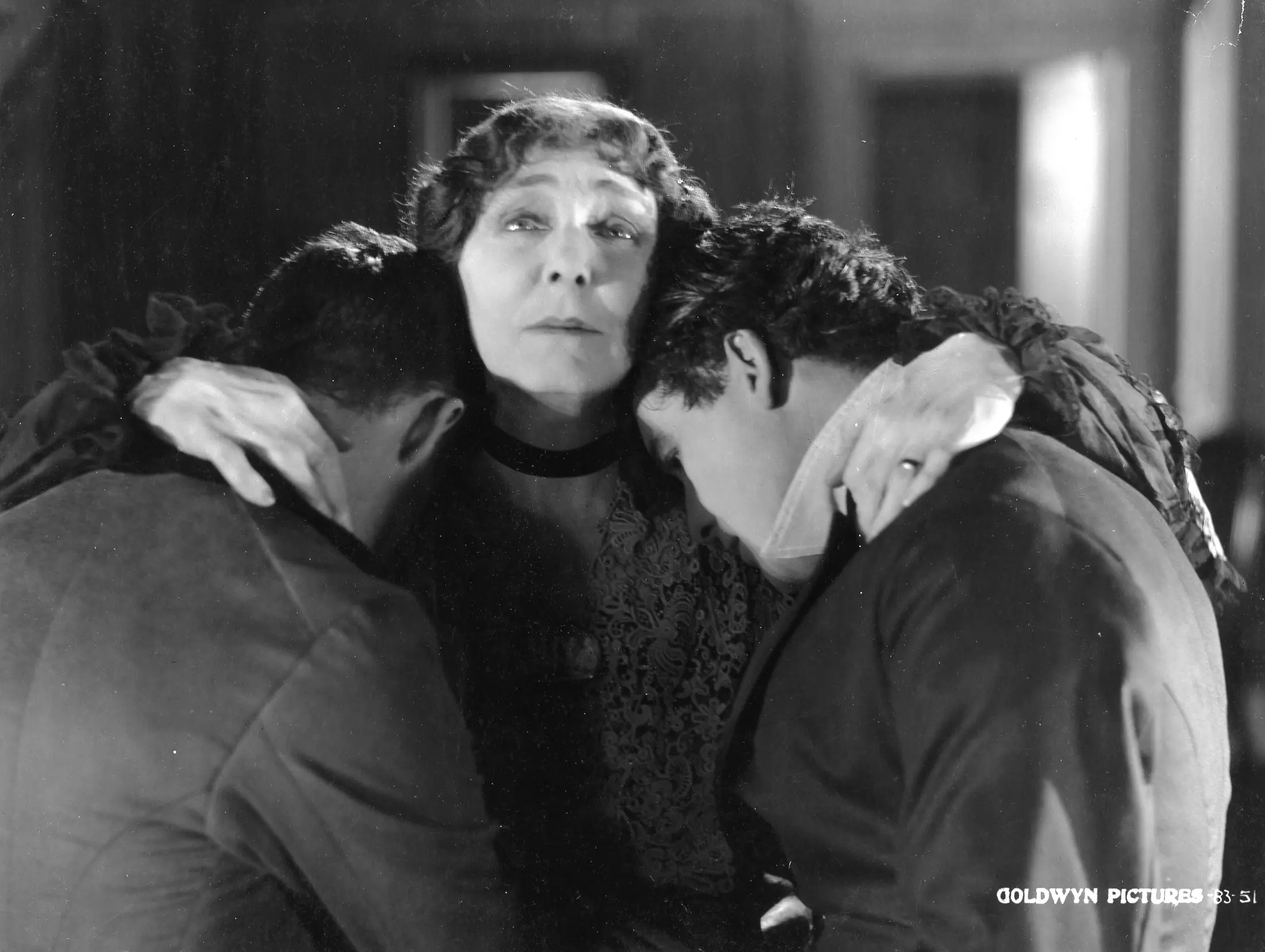
still_frame
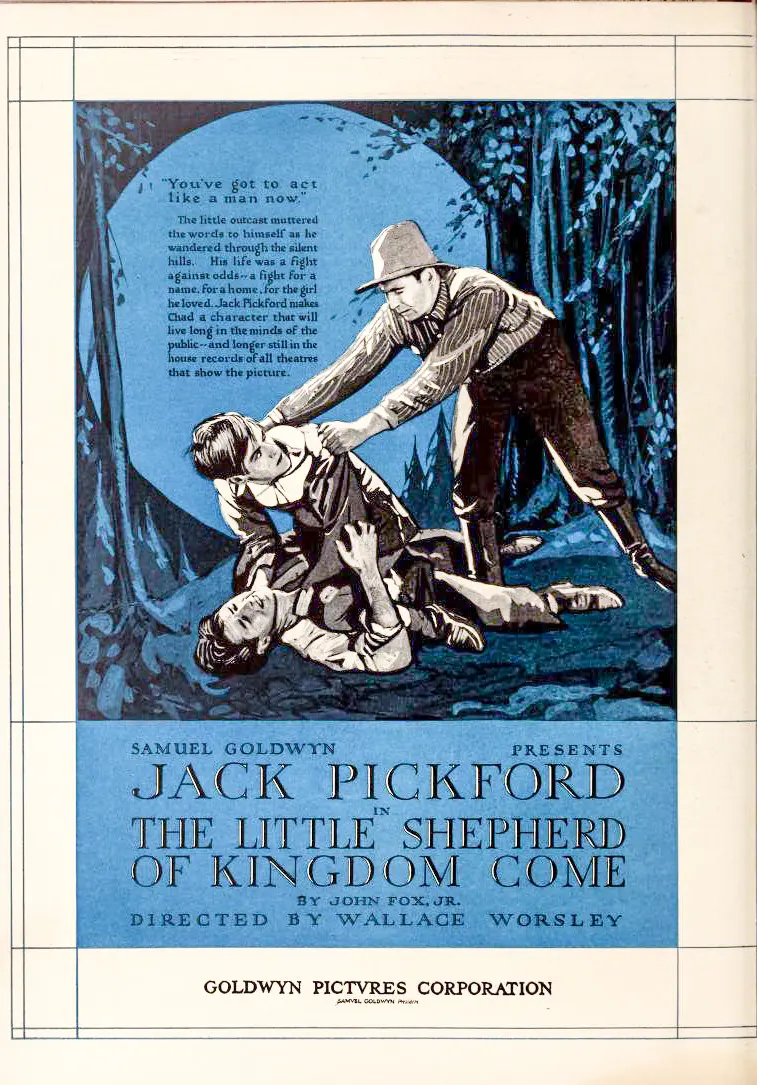
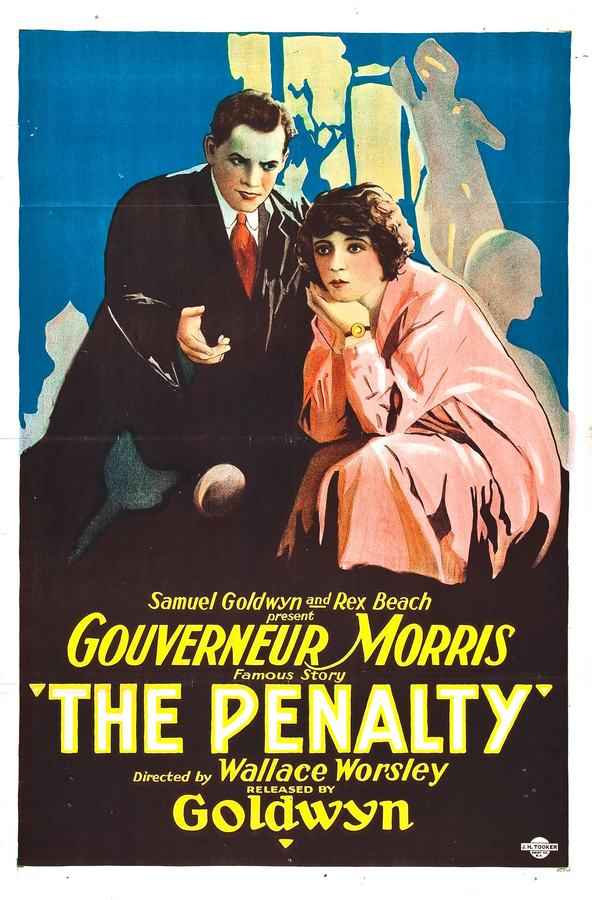
production_art
Comparing the cinematic DNA and archive impact of two defining moments in cult history.
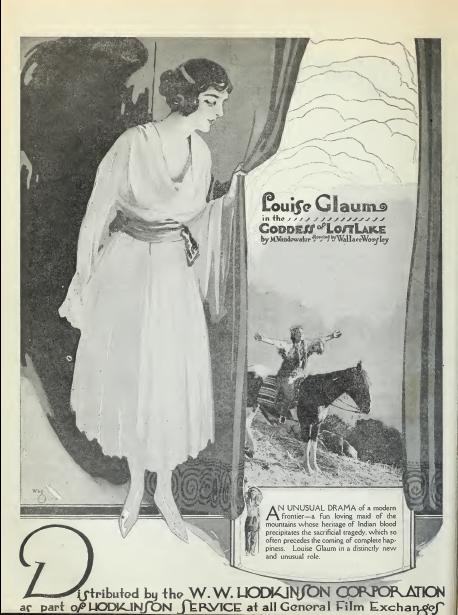
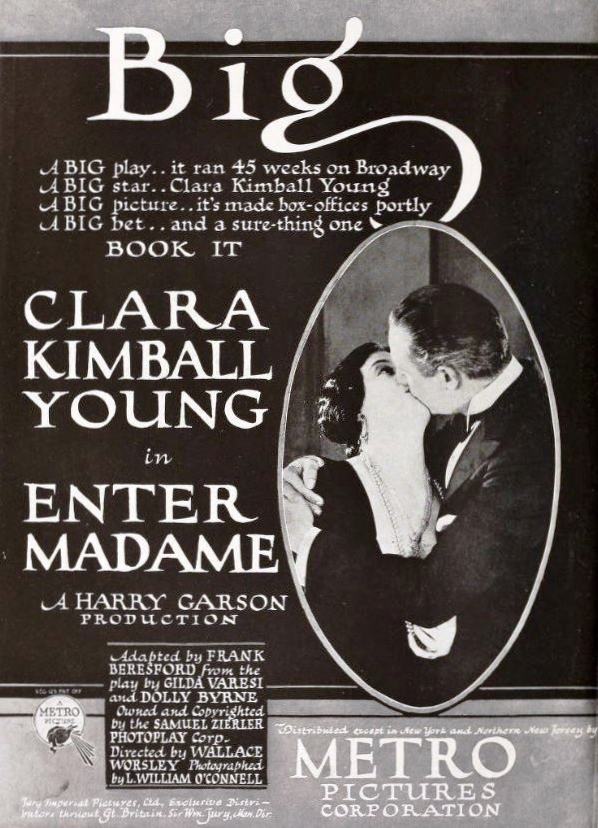
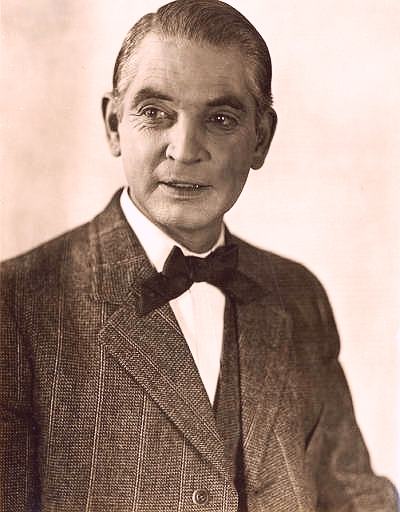
Wallace Worsley
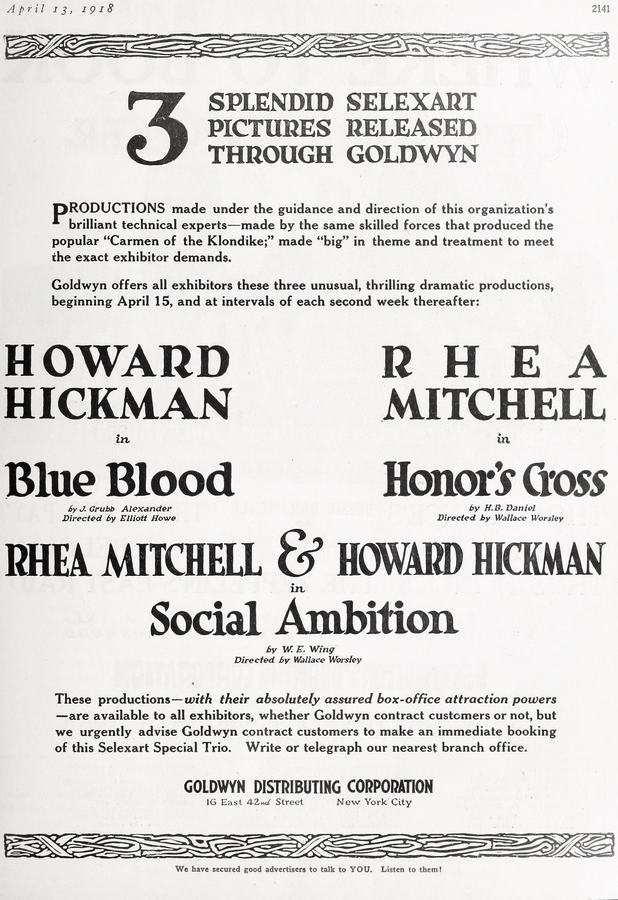
Wallace Worsley
Community
Log in to comment.
" Kingdom Come is not a place; it is a wound. The 1920 adaptation of John Fox Jr.’s novel arrives like a brittle daguerreotype soaked in kerosene: fragile, flammable, yet luminous once struck. From the first iris-in on a mist-laden Kentucky ravine, director Edgar Lewis and scenarist Elliott J. Clawson refuse the postcard nostalgia that hobbles so many Appalachian pictures. Instead they conjure a land where fog clings to rifle barrels and every fiddle note sounds like a dirge rehearsed too early. ..."
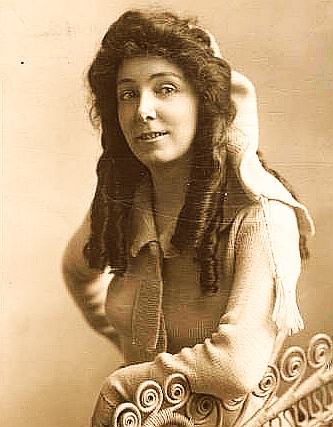
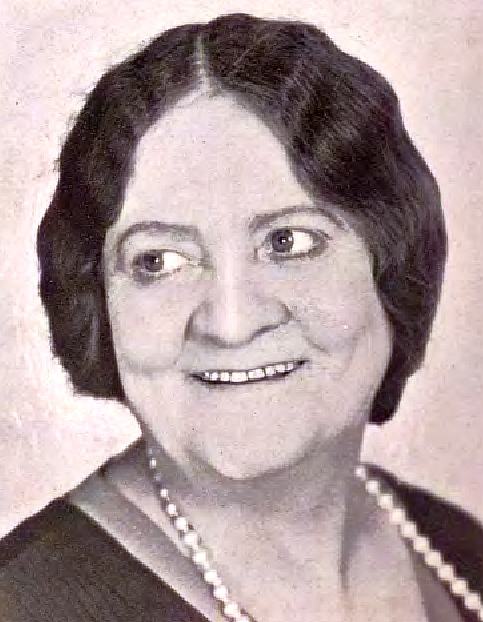
Edythe Chapman
Elliott J. Clawson, John Fox Jr., Harvey F. Thew
United States