Lillian Gish
actress, director, writer
- Birth name:
- Lillian Diana Gish
- Born:
- 1893-10-14, Springfield, Ohio, USA
- Died:
- 1993-02-27, New York City, New York, USA
- Professions:
- actress, director, writer
Biography
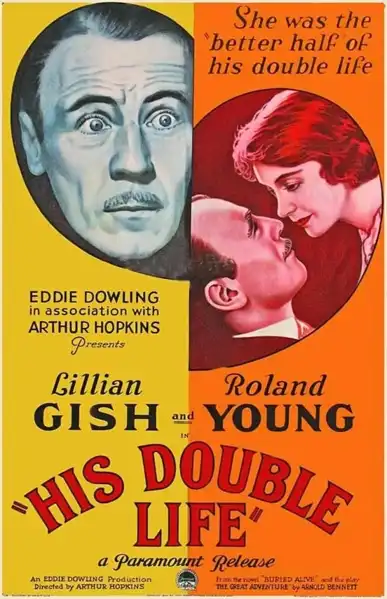
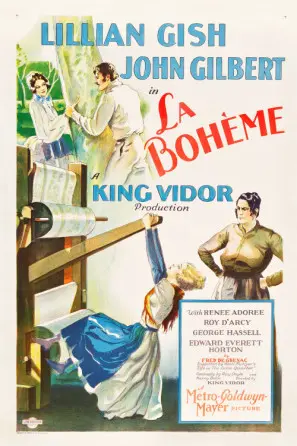
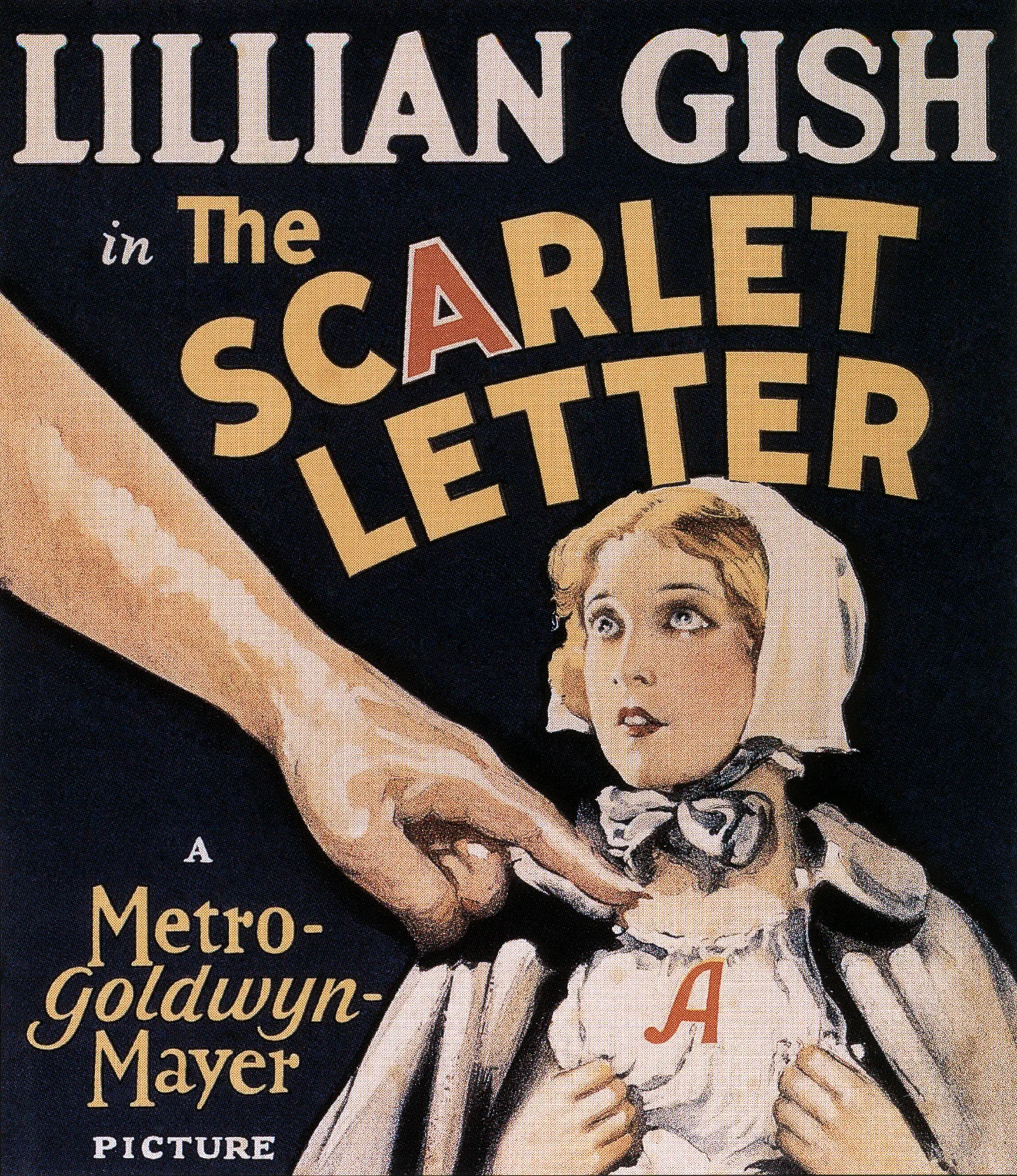
Springfield, Ohio, greeted the arrival of Lillian Diana Gish on 14 October 1893, but the town soon lost its luster; her father, James Lee Gish, vanished into saloons and side streets, leaving Mary Gish to steer two small daughters through hard times with nothing but grit and greasepaint. At six, Lillian stepped into the footlights to keep the family purse from running dry, and for the next thirteen years she and Dorothy barnstormed across America, polishing a theatrical craft that might have crowned her queen of the stage. Fate flickered in 1912 when D.W. Griffith spotted the willowy teenager and flung her before a camera. One short May afternoon she was weeping for An Unseen Enemy; by December she had logged a dozen one-reelers, and the public, hungry for new faces, glommed on. Twenty-five more appearances in the next twenty-four months rocketed her into the stratosphere beside Mary Pickford, the nation’s reigning sweetheart. Griffith’s colossal gamble, The Birth of a Nation (1915), placed her Elsie Stoneman at the storm’s center; a year later Intolerance (1916) cemented her as cinema’s poet of suffering. Stardom bought her something rare—choice—so her output slowed to a trickle of carefully weighed projects. By the Roaring Twenties fresher visages crowded the marquees; 1922, 1925, 1929 passed without a single Gish frame. Yet 1926 roared back with two literary heroines—Mimi in La Bohème and Hester Prynne in The Scarlet Letter—proof that silence still sang when she moved her eyes. Sound arrived, but Lillian never waited idle. She conquered Broadway, wrapped critics around her gloved fingers, and bided her time until His Double Life (1933) lured her back to celluloid. Nine quiet years followed before Commandos Strike at Dawn (1942) and Top Man (1943) welcomed her home. A scalding turn as the ranch matriarch in Duel in the Sun (1946) snagged an Oscar nomination, though Anne Baxter ultimately claimed the statuette. At sixty-two she gave cinema its most chilling lullaby, sheltering children from Robert Mitchum’s murderous preacher in The Night of the Hunter (1955), Charles Laughton’s sole directorial gift to the art. In 1969 she set memories to paper with The Movies, Mr. Griffith, and Me, and in 1987 she closed the circle, sharing a weathered Maine porch with Bette Davis in The Whales of August, introducing herself to viewers born half a century after her debut. Seventy-five years of applause—an endurance record in any arena—ended on 27 February 1993 when the 99-year-old legend drifted off in her Manhattan apartment, unwed but never unloved, leaving behind a silhouette that still flickers across every screen that dares to dream in light and shadow.
Filmography
In the vault (13)