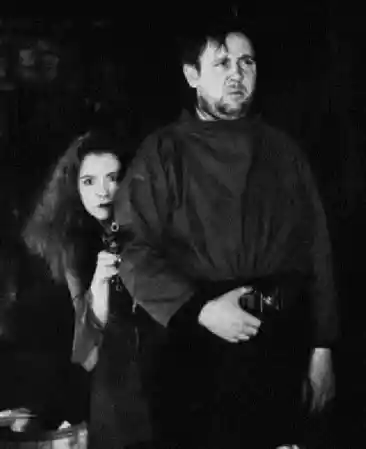
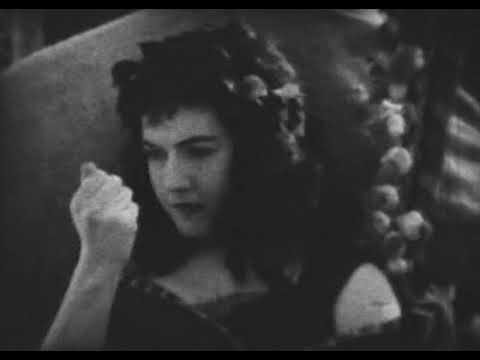
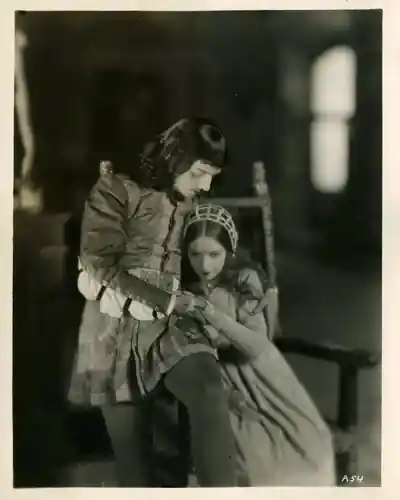
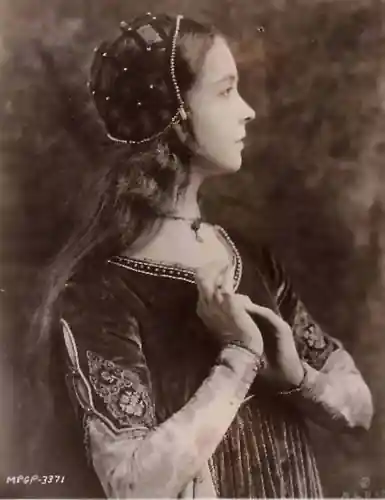
In Renaissance Florence, Tito, a no-good young man pretending to be a scholar, wins the admiration of a blind man who has long looked for someone to finish his scholarly work. He has a beautiful daughter named Romola.
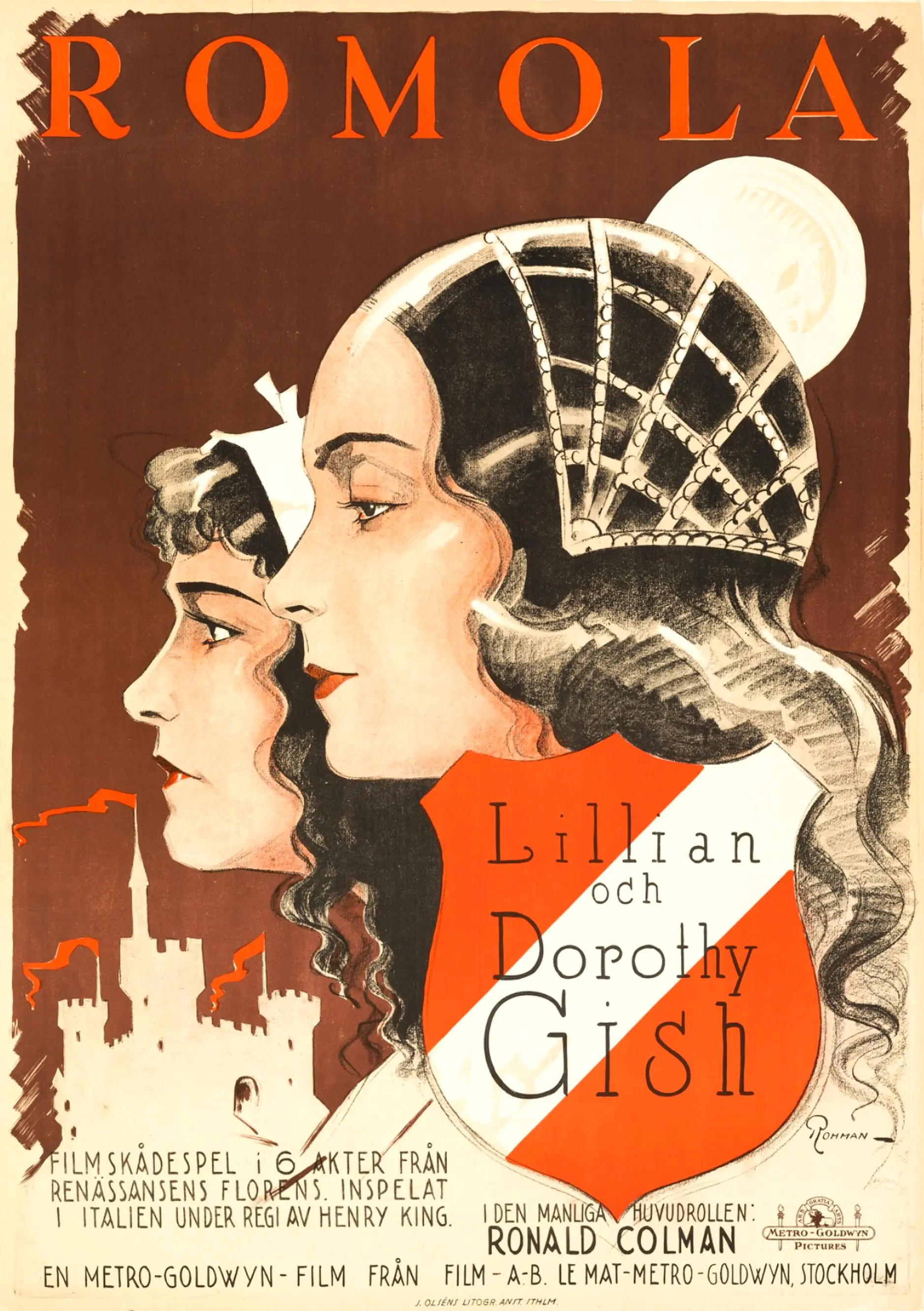
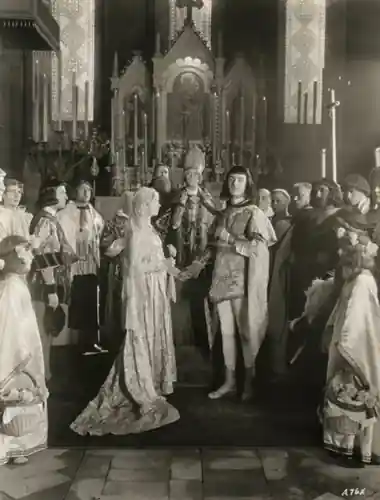
The Florentine Canvas: A Visual Renaissance Cinema in the mid-1920s was undergoing a radical architectural shift, moving away from the claustrophobic staginess of early shorts toward a grandiosity that sought to rival the great masters of the Renaissance. In Romola (1924), director Henry King does not merely...
Comparing the cinematic DNA and archive impact of two defining moments in cult history.
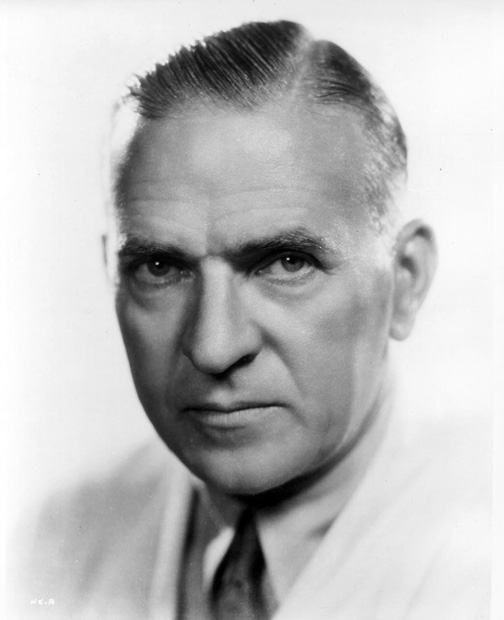
Henry King
Henry King
Community
Log in to comment.
" The Florentine Canvas: A Visual Renaissance Cinema in the mid-1920s was undergoing a radical architectural shift, moving away from the claustrophobic staginess of early shorts toward a grandiosity that sought to rival the great masters of the Renaissance. In Romola (1924), director Henry King does not merely simulate 15th-century Florence; he resurrects it with a tactile, almost suffocating authenticity. Filmed on location in Italy, the production eschews the flimsy lath-and-plaster a..."
George Eliot, Jules Furthman, Don Bartlett, Will M. Ritchey
United States
Drama, History
still_frame
still_frame
production_art
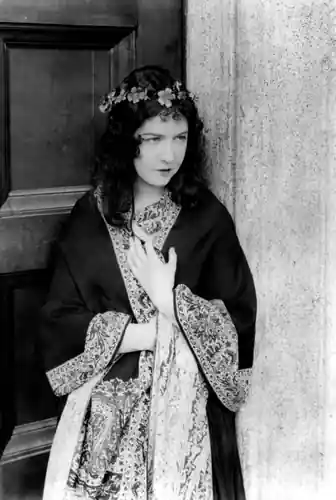
still_frame

production_art

still_frame
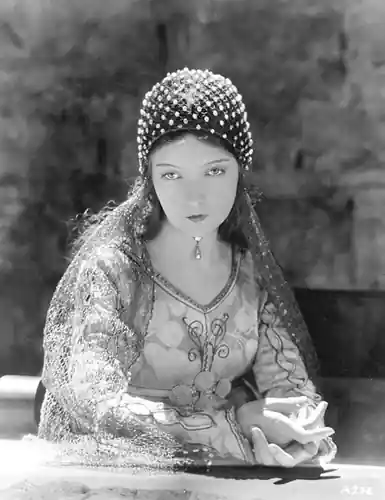
still_frame

still_frame