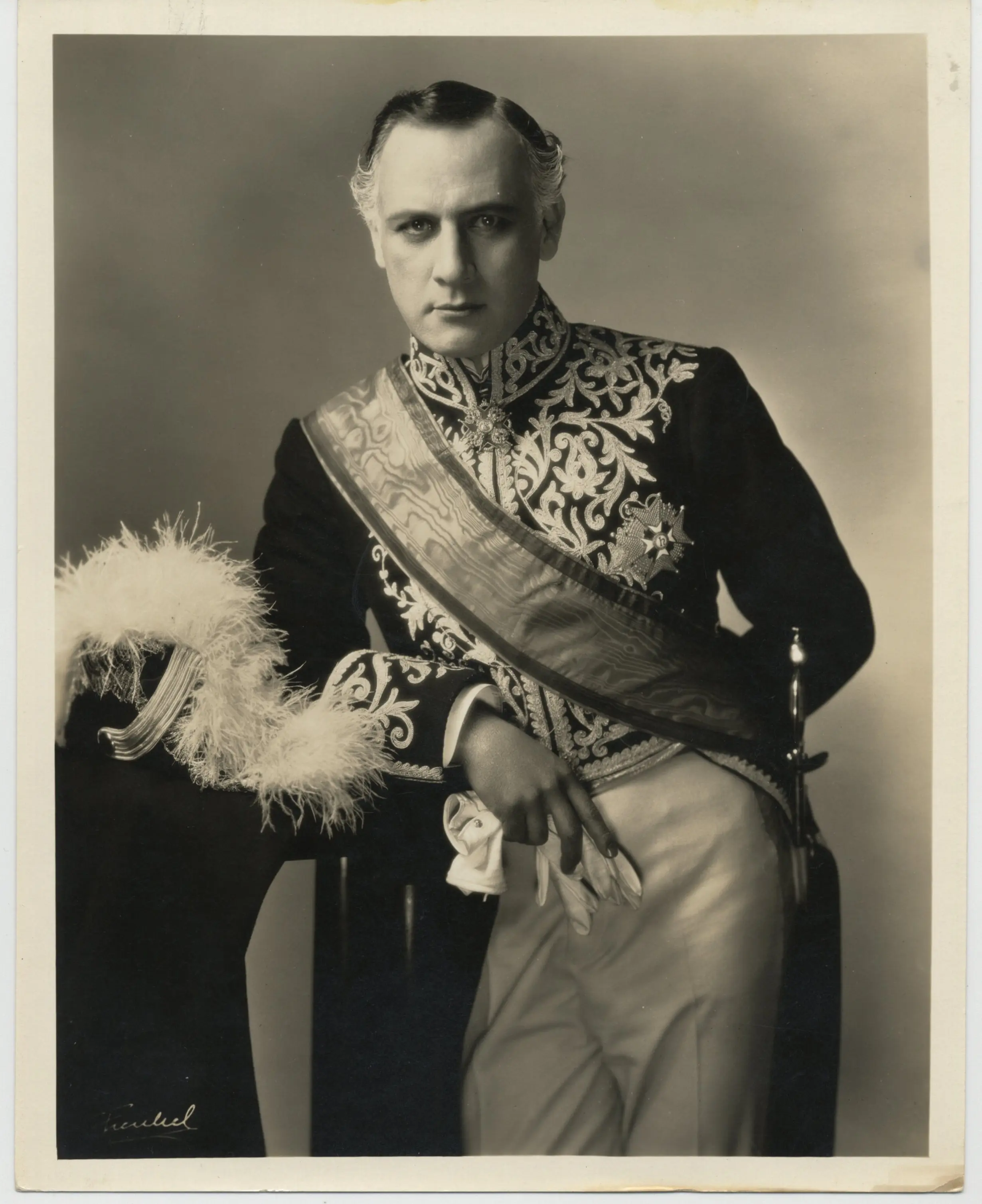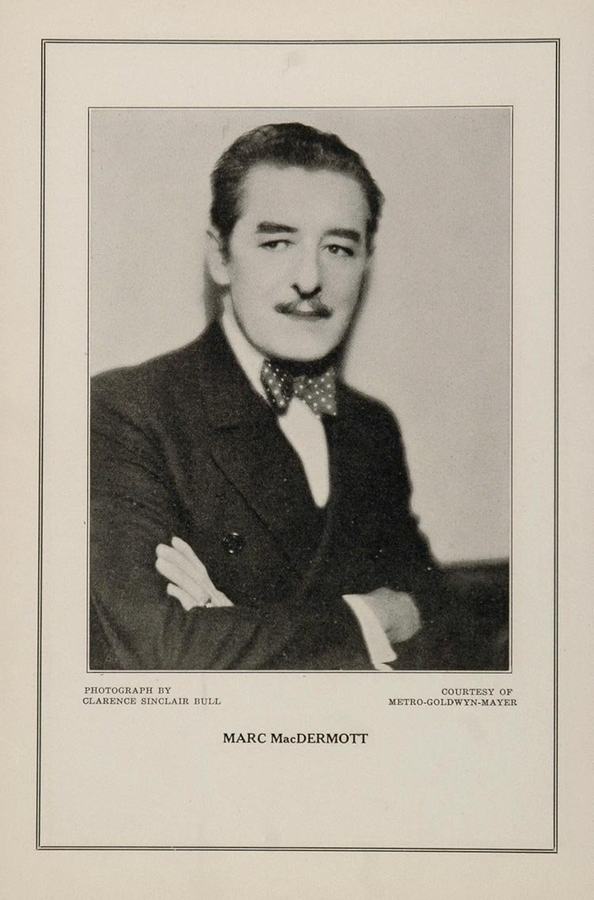
Marc McDermott
actor
- Birth name:
- Marcus McDermott
- Born:
- 1871-07-24, Goulburn, New South Wales, Australia
- Died:
- 1929-01-05, Glendale, California, USA
- Professions:
- actor
Biography
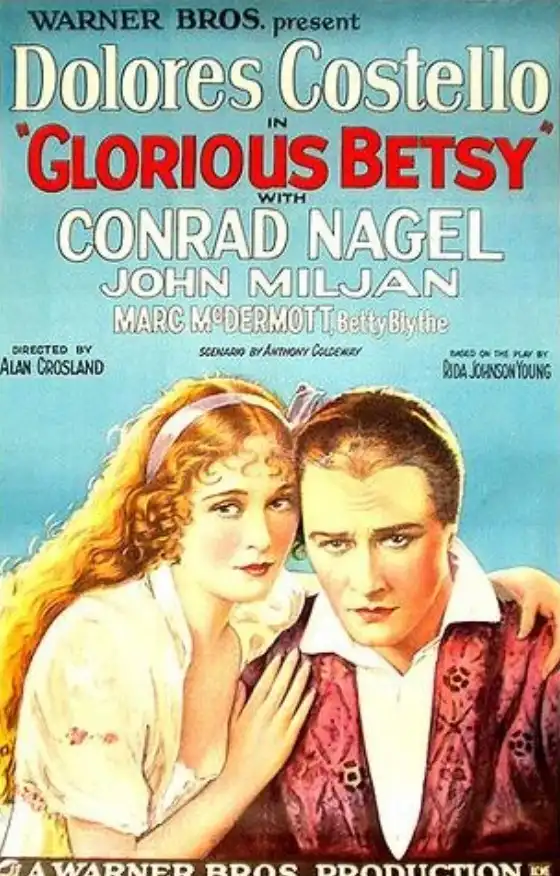
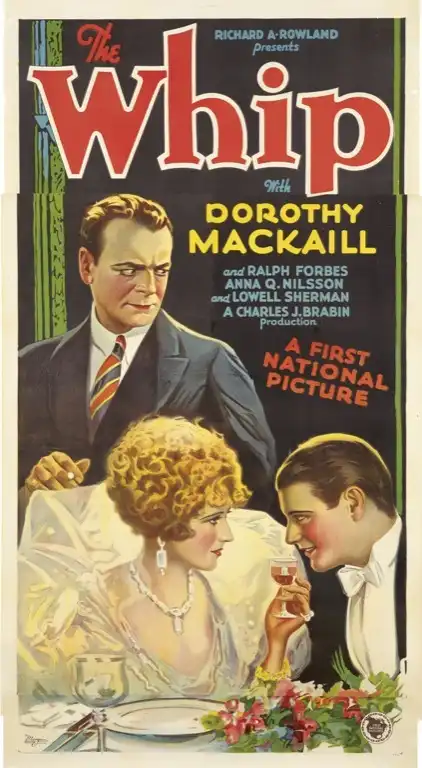
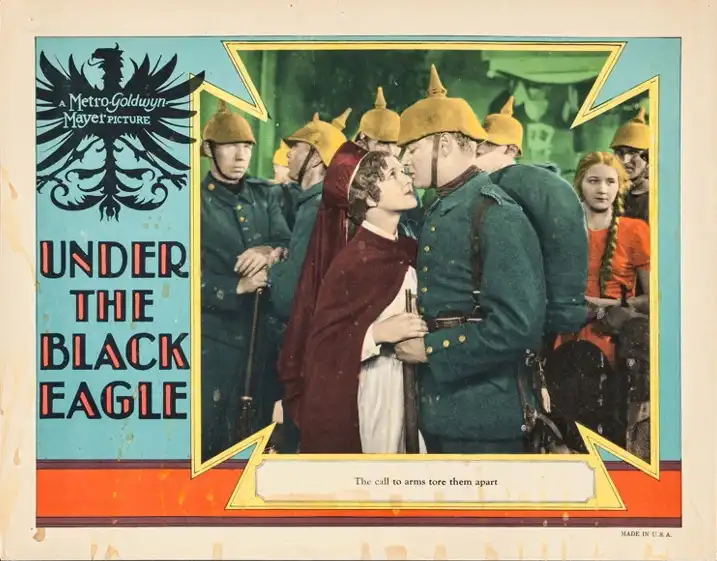
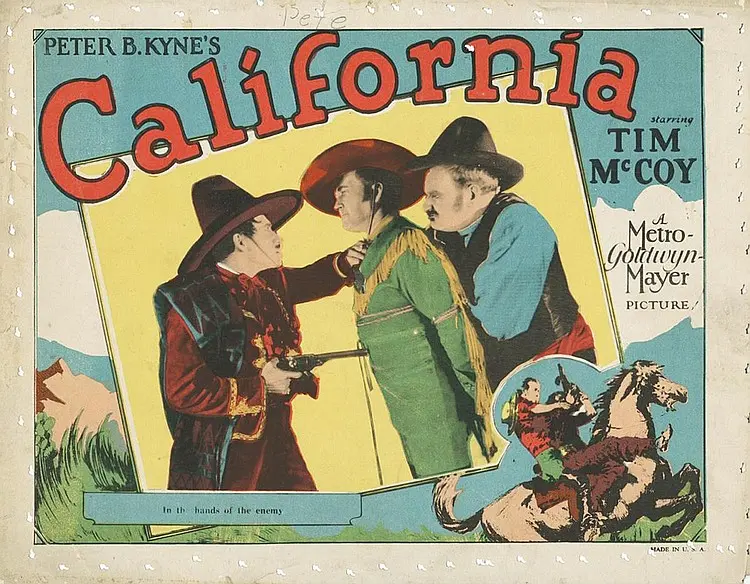
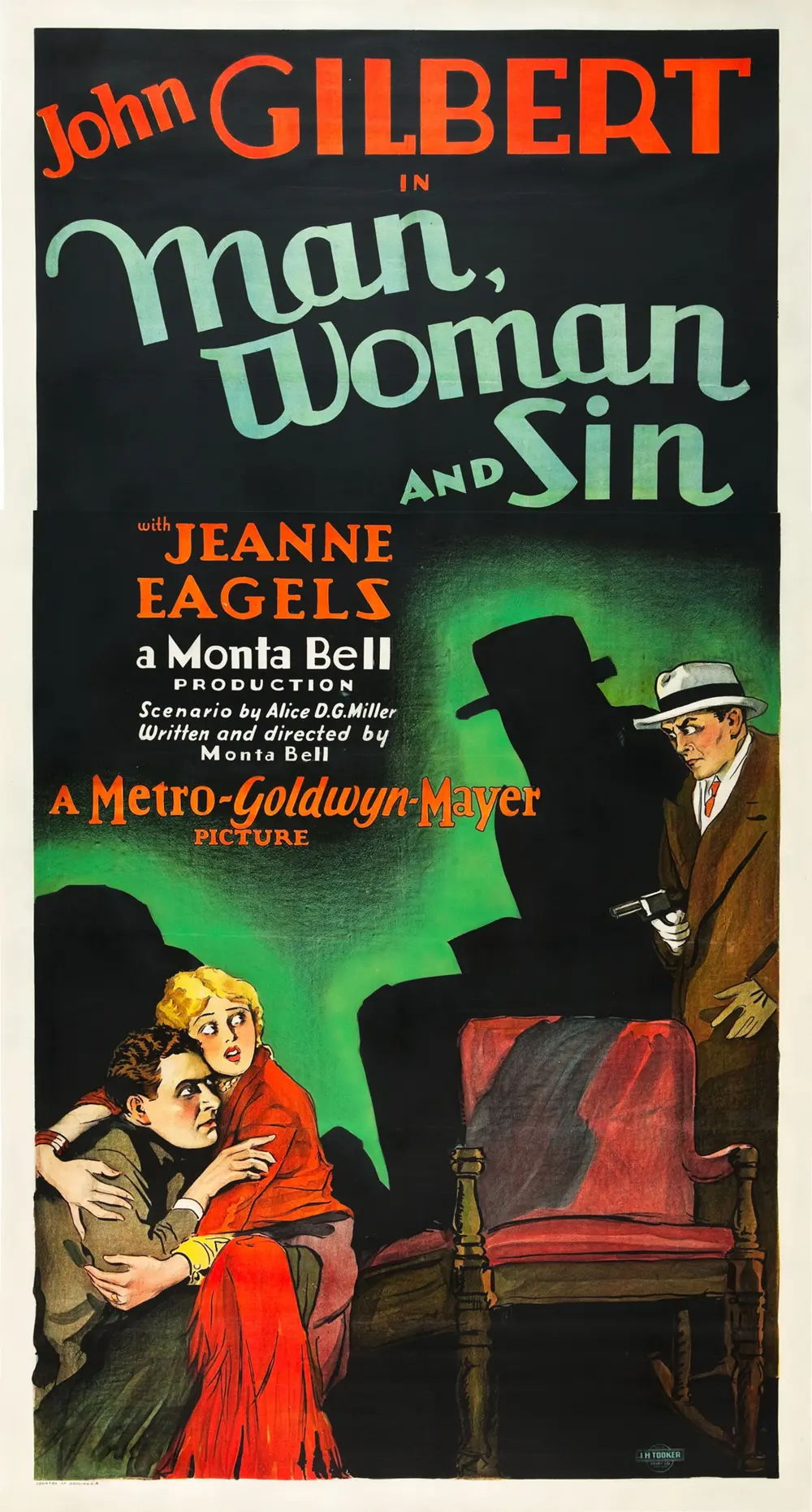
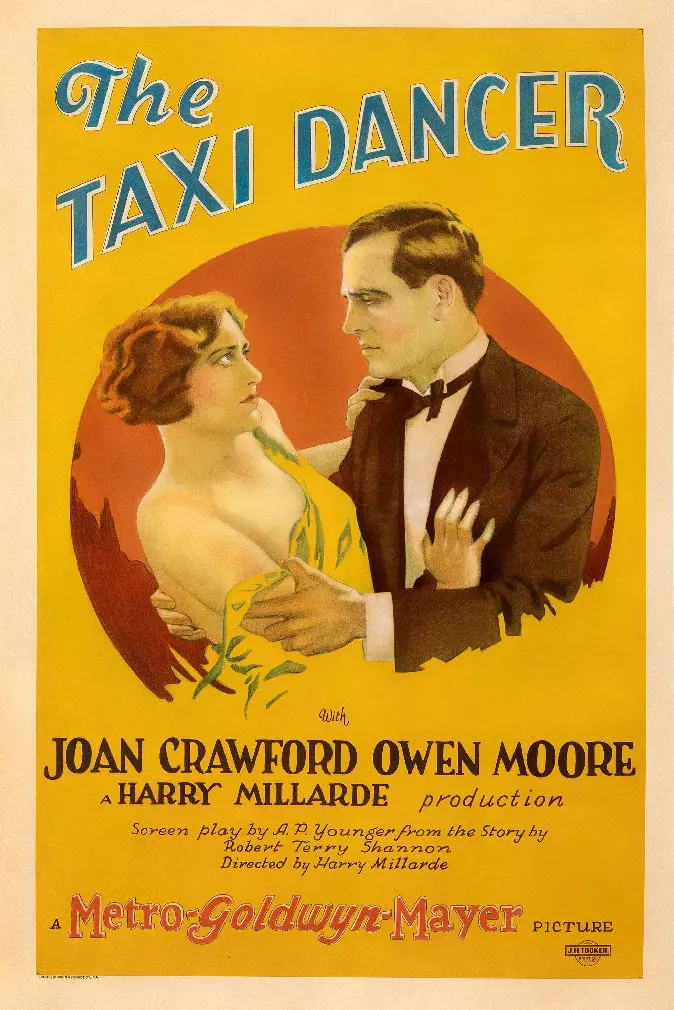
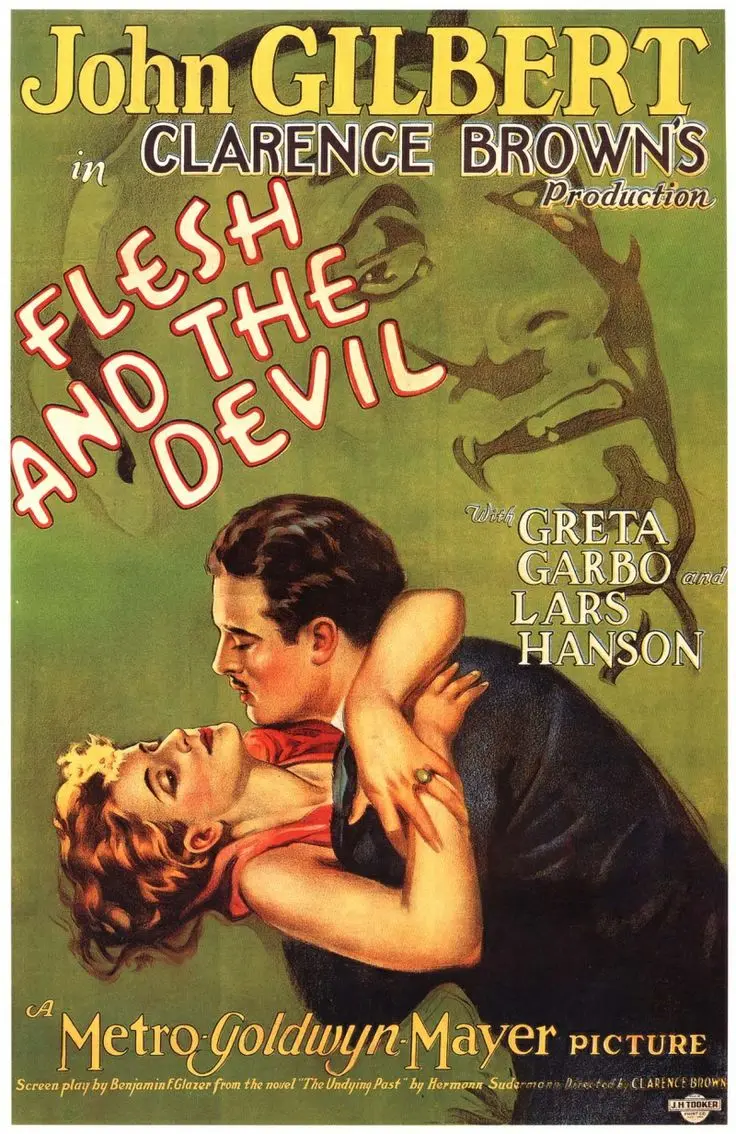
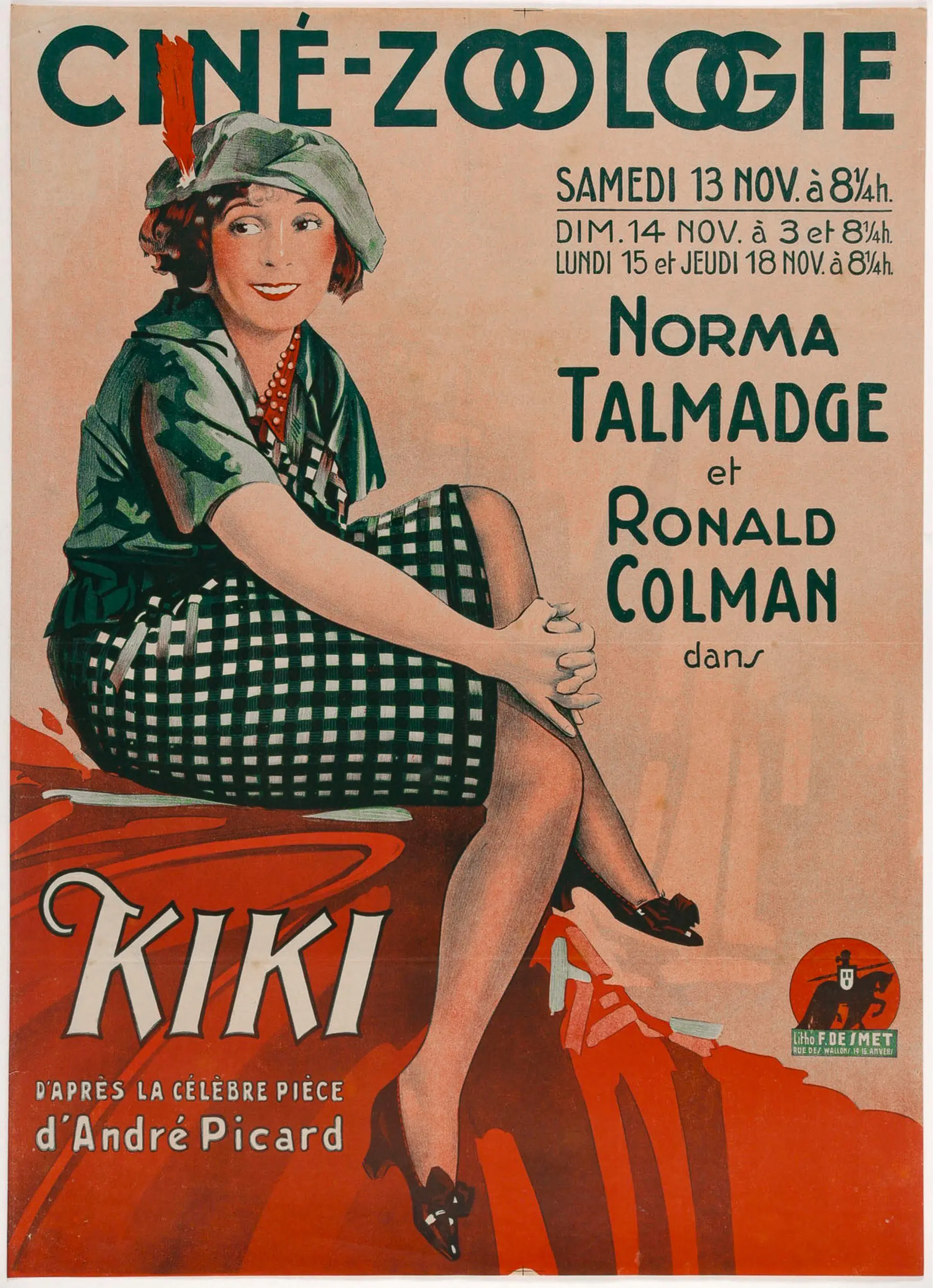
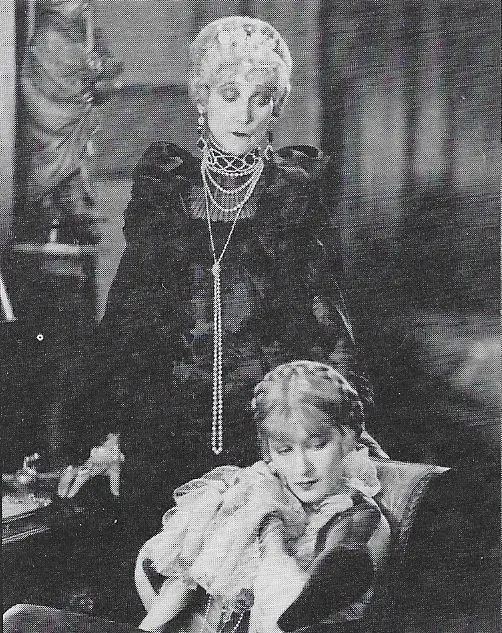
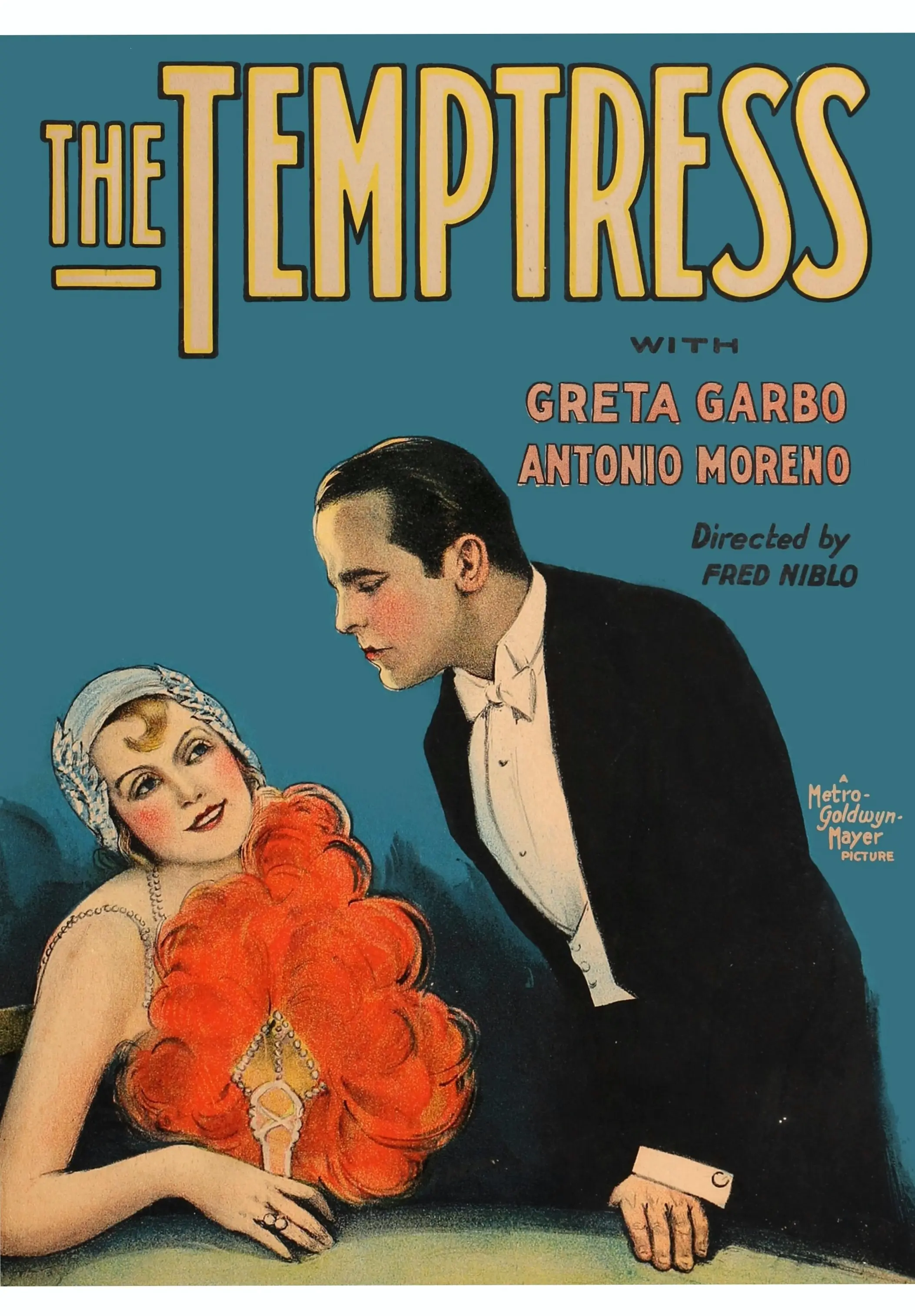
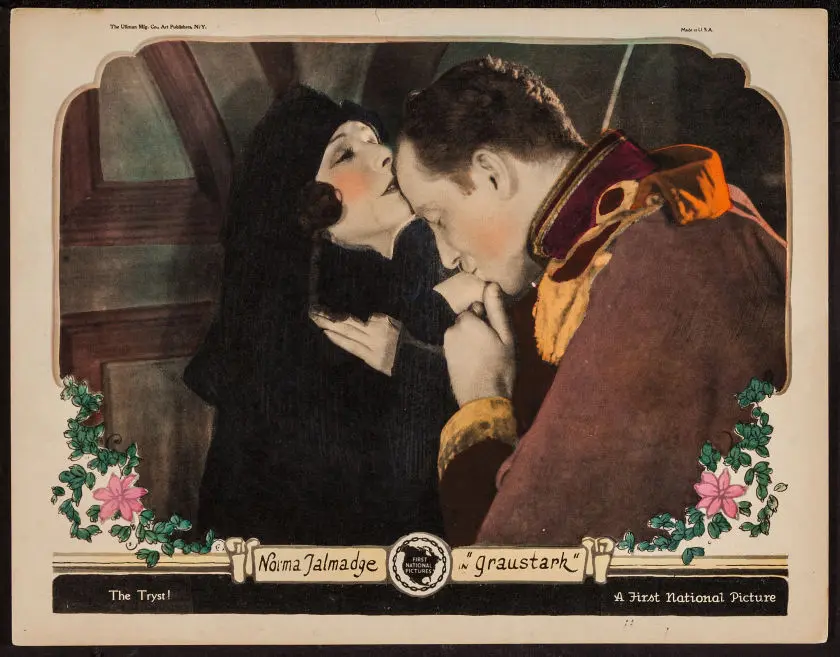
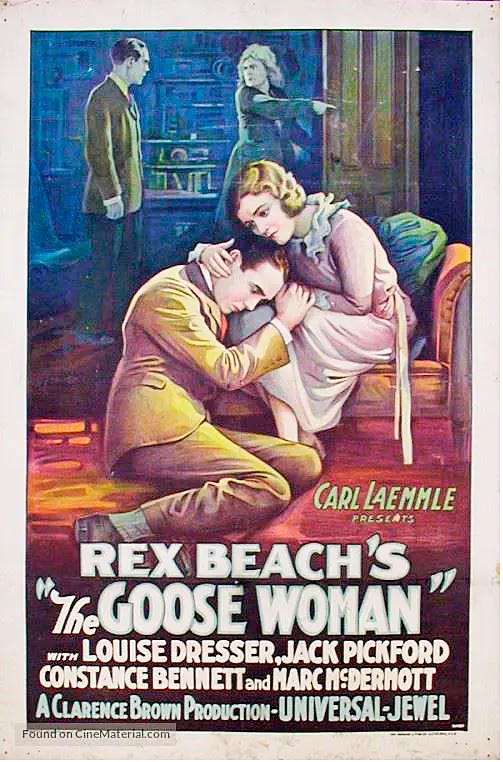
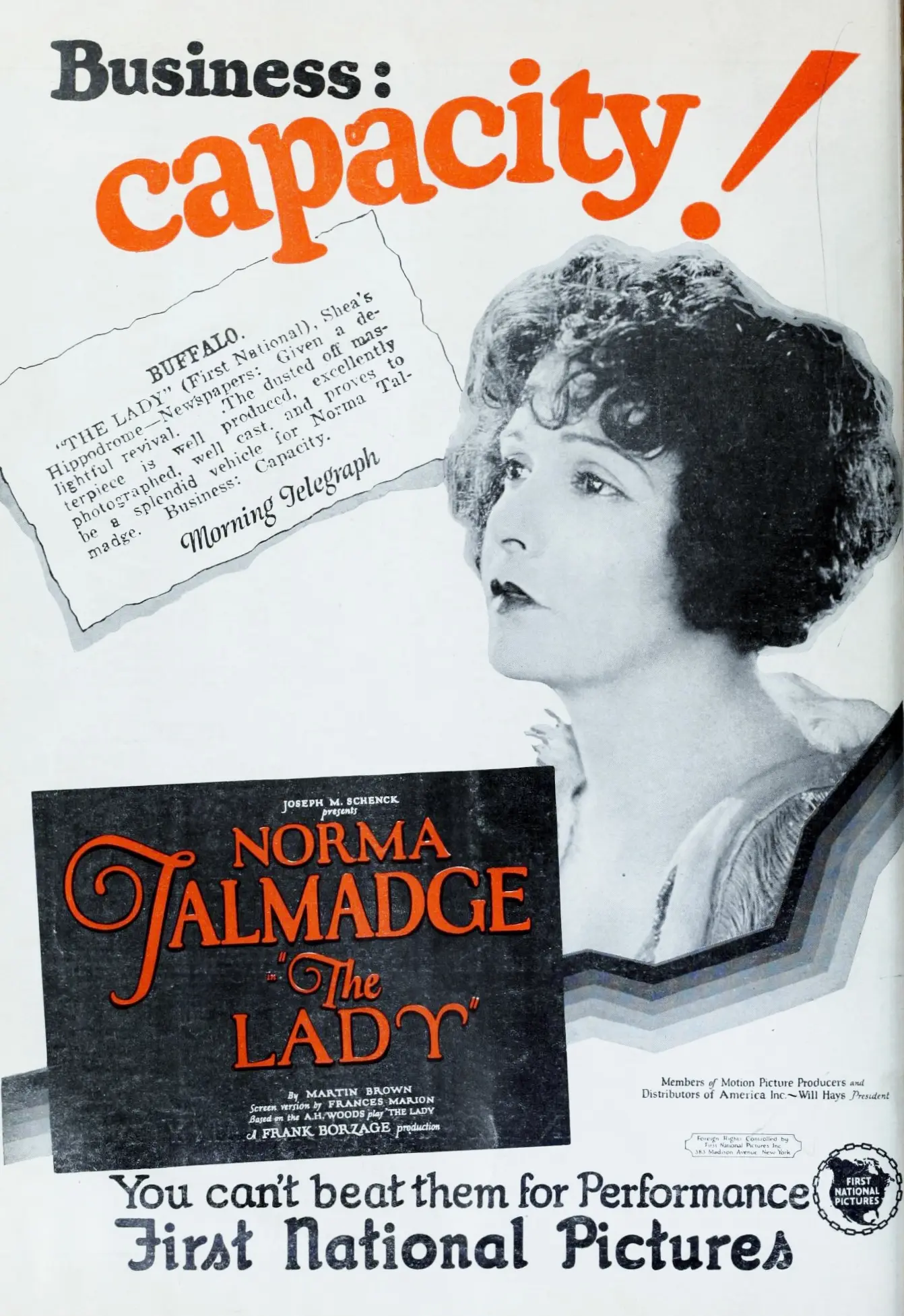
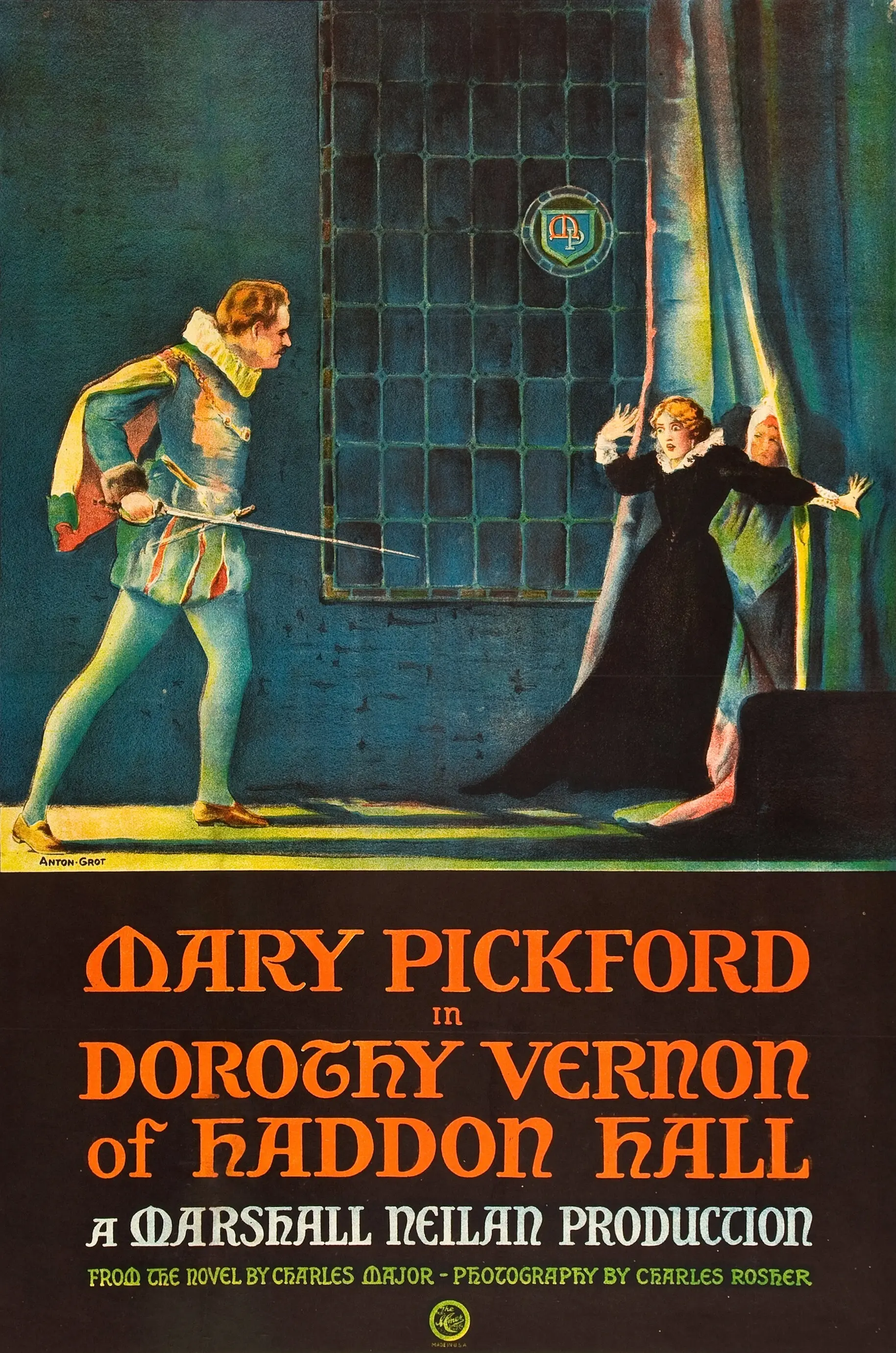
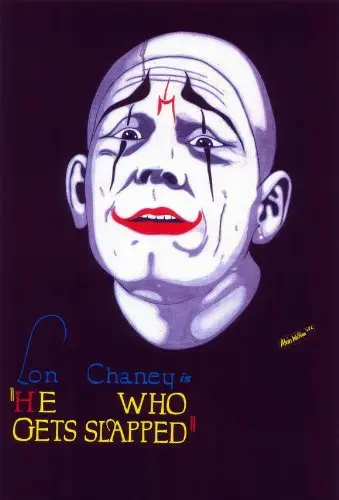
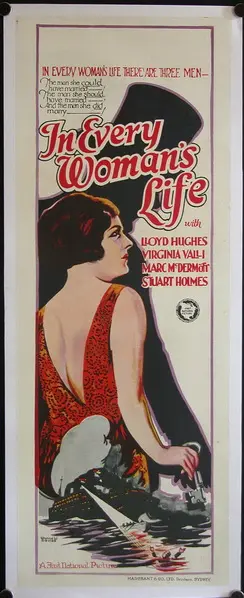
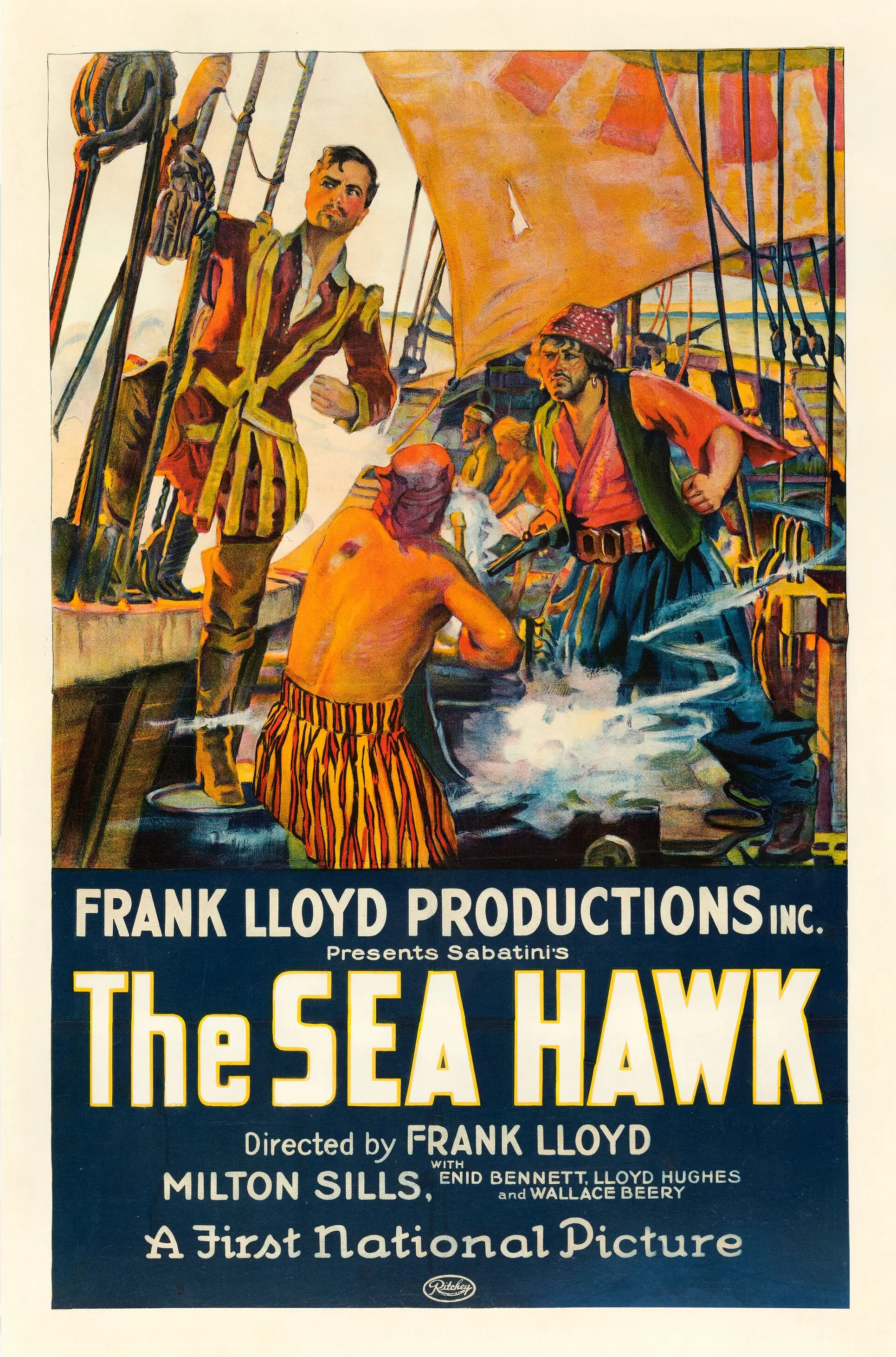
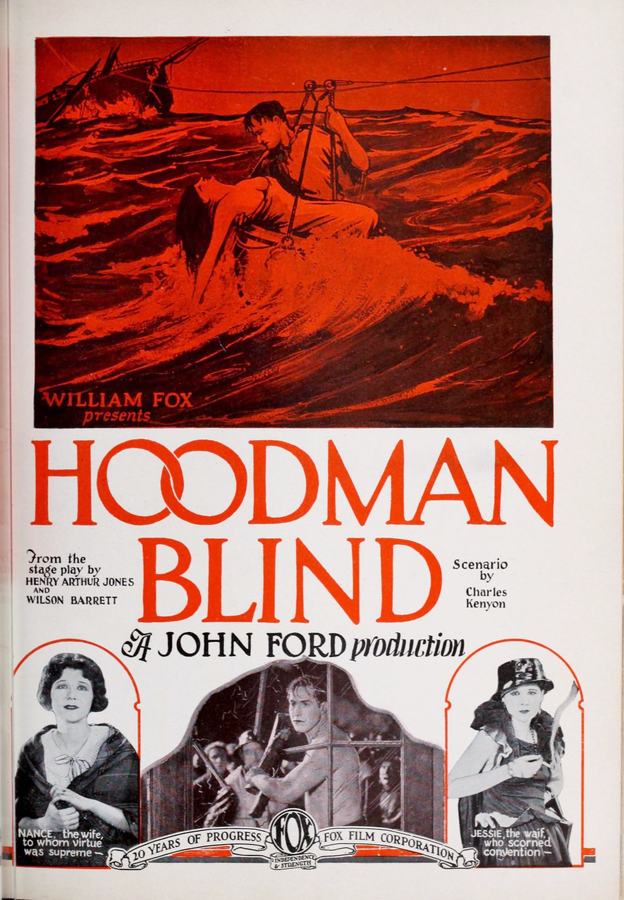
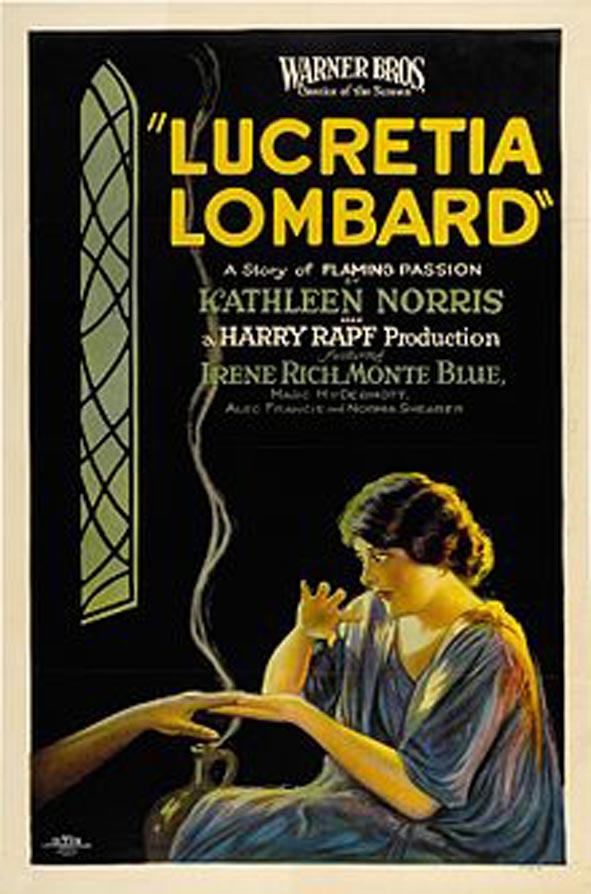
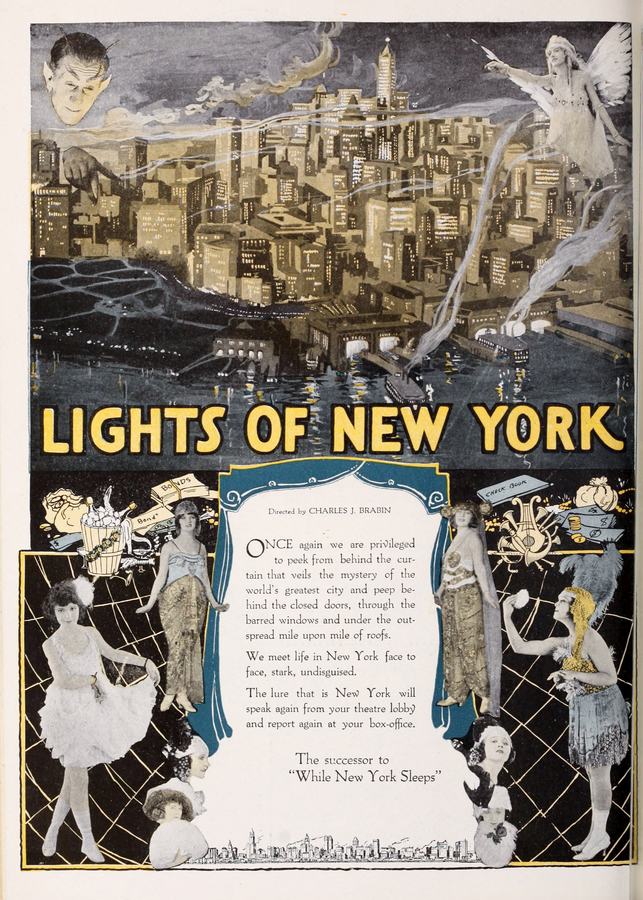
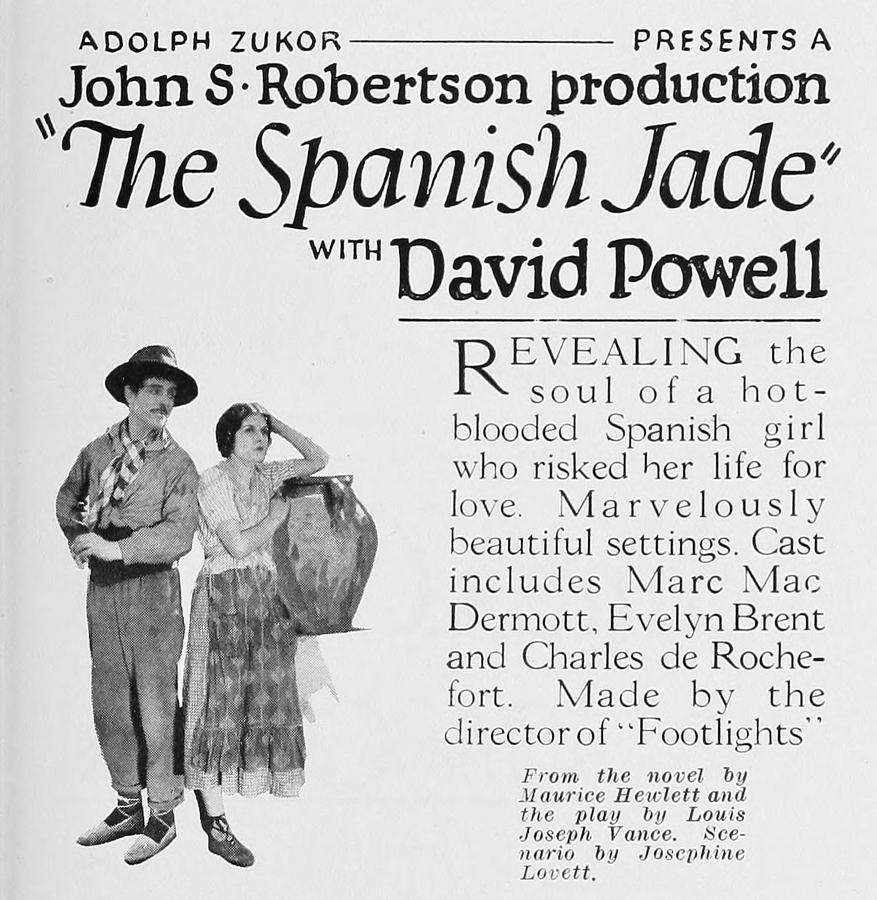
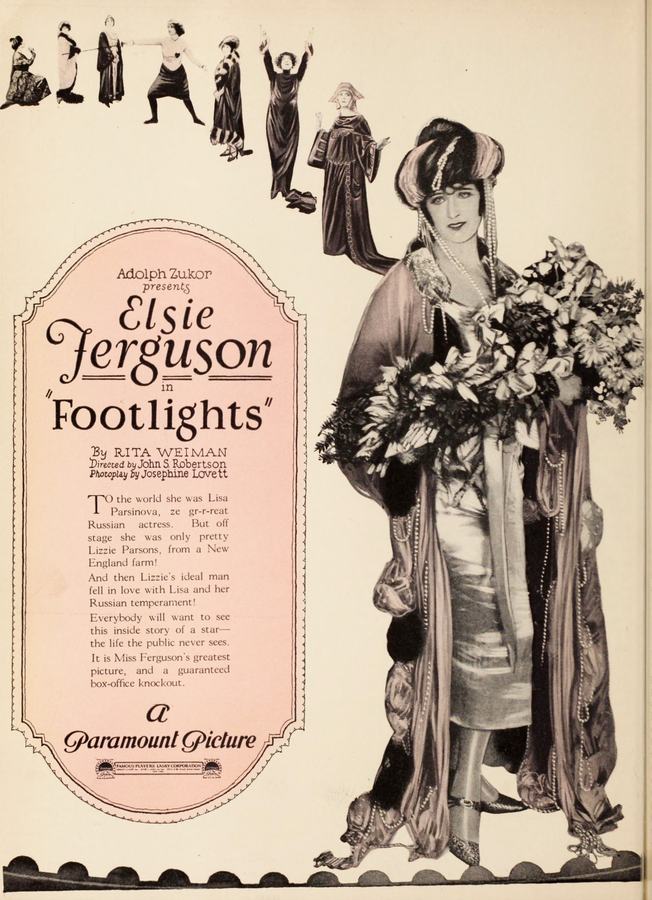
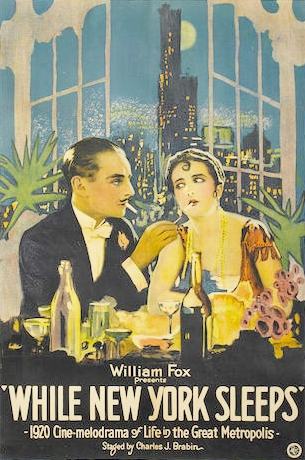
Marc McDermott’s story begins in the chill of a Goulburn winter, 24 July 1871, when Annie Massey McDermott greeted a son she would call Marcus Patrick. Irish blood ran in the family, but Australia owned his first breaths. A Jesuit college in Sydney drilled Latin into him; fate drilled resilience. At fifteen, after Patrick McDermott dropped dead, the boy swapped classrooms for greasepaint to keep mother and baby sister May fed. Sixteen found him talent-spotted by Shakespearean lion George Rignold; a year later he trod the Sydney boards as a professional. When Rignold’s troupe weighed anchor for London, Marc sailed too—only to be netted almost instantly by New York mogul Charles Frohman. Mrs. Patrick Campbell, the era’s ruling diva, needed a tall red-haired leading man; twenty-year-old McDermott fitted the silhouette. Together they crossed the Atlantic, docking in Manhattan where, as Sir George Orreyed in *The Second Mrs. Tanqueray*, he made Broadway blink. Back in London he traded champagne comedy for deerstalker logic, spending two seasons as *Sherlock Holmes* under Frohman’s banner. West-End applause became a nightly soundtrack. 1906 lured him stateside again, this time as lieutenant to the classical titan Richard Mansfield. Three years of one-night-train towns later, a different spotlight beckoned: Charles Brabin, actor-turned-Edison-pioneer, waved him toward the Bronx. Maurice Costello had just vacated Edison’s throne; McDermott slipped into the space. *Les Misérables*—shot first, released second—announced him in 1909; *Lochinvar* beat it to the screen. No matter: between that summer and 1916 he clocked 140 one-reelers, swaggered across the covers of *Photoplay* and *Moving Picture World*, and paired repeatedly with mousy-but-electrifying Mary Fuller in Edison’s cliff-hanging serial *What Ever Happened to Mary?* Miriam Nesbitt, eight years his senior, played his lover so often that fiction melted into fact; on 7 April 1914 they unveiled the medium’s first stand-alone chapter play, *The Man Who Disappeared*—ten self-contained mini-movies printed simultaneously in *Popular Magazine*. Marc drove a Model-T into the ice-choked East River, slugged a villain atop a half-built skyscraper, and let real locomotive wheels hiss inches from his cuffed wrists. Wedding bells rang in Leonia, New Jersey, on 20 April 1916. By now Edison’s tally for McDermott exceeded 140; ambition, however, outgrew the Bronx. He followed Brabin and writer Ashley Miller to Vitagraph, then to Fox for *Kathleen Mavourneen* opposite Theda Bara—Brabin again directing and, this time, marrying his vamp star. Freelancing suited Marc: he fenced with Norma Talmadge in *The New Moon*, sparred with Estelle Taylor in *While New York Sleeps*, and let John Robertson steer him through *Footlights* beside Elsie Ferguson. When Metro-Goldwyn-Mayer opened its doors in 1924, his was among the first names inked; as a sniping clown in *He Who Gets Slapped* he held his own against Lon Chaney, Norma Shearer, and John Gilbert. Mary Pickford remembered the hungry young New Yorker of a decade earlier and cast him Sir Malcolm Vernon in *Dorothy Vernon of Haddon Hall*. He galloped through *The Sea Hawk*, *The Goose Woman*, *Graustark*, *The Temptress* (Garbo’s smolder), *Flesh and the Devil* (Garbo again, plus Gilbert), *Kiki* with Ronald Colman, *California* under Woody Van Dyke’s whip, and *Man, Woman and Sin* with the blazing Jeanne Eagels. On 11 May 1927 he sat among the 230 founding members of the Academy of Motion Picture Arts & Sciences in the Biltmore’s Crystal Ballroom. Off-screen, letters to actress Helen Gilmore detonated his marriage. Miriam filed for separation; headlines on 11 August 1922 chronicled a night in Ludlow Street Jail until five-thousand-dollar bail bought freedom. Marc rode the train west, tried vaudeville in Boston, then barreled into Hollywood. John Ford handed him *Hoodman Blind*, Warners handed him *Lucretia Lombard* opposite a fledgling Norma Shearer, and the newborn M-G-M kept the checks coming. Love found him again on set: he and Greta Nissen clicked in *The Love Thief* and *Lucky Lady*; Norma Talmadge still trusted him to be her heel in *Kiki*. While touring vaudeville in Chicago during the winter of 1928, fatigue hit like a sandbag. Back in Hollywood doctors murmured about overwork, but scripts kept arriving: *Under the Black Eagle*, *Glorious Betsy* with its whispering Vitaphone passages, First National’s *The Yellow Lily*, and the part-talkie Technicolor folly *The Mysterious Island*. His final call sheet was Charles Brabin’s *The Whip*; halfway through, stomach cramps doubled him over. *Variety*’s printers claimed ptomaine poisoning, a three-month coma, death on the operating table—all sensational embroidery. The quiet truth: Dr. E. F. Miller tended him at home for eight months, then in Good Samaritan Hospital from 5 December 1928 until liver cirrhosis stilled his pulse at 5:20 a.m. on 5 January 1929. No surgeon’s knife preceded the end. Cremated at Hollywood Crematory, his ashes came to rest in Forest Lawn’s Great Mausoleum, the plaque mis-stamping 1881 instead of the correct 1871. Six weeks later the silent era exhaled its last breath; the talkies marched on without the Australian who had once driven cars into rivers and kissed Greta Garbo beneath klieg-light stars.
Filmography
In the vault (34)