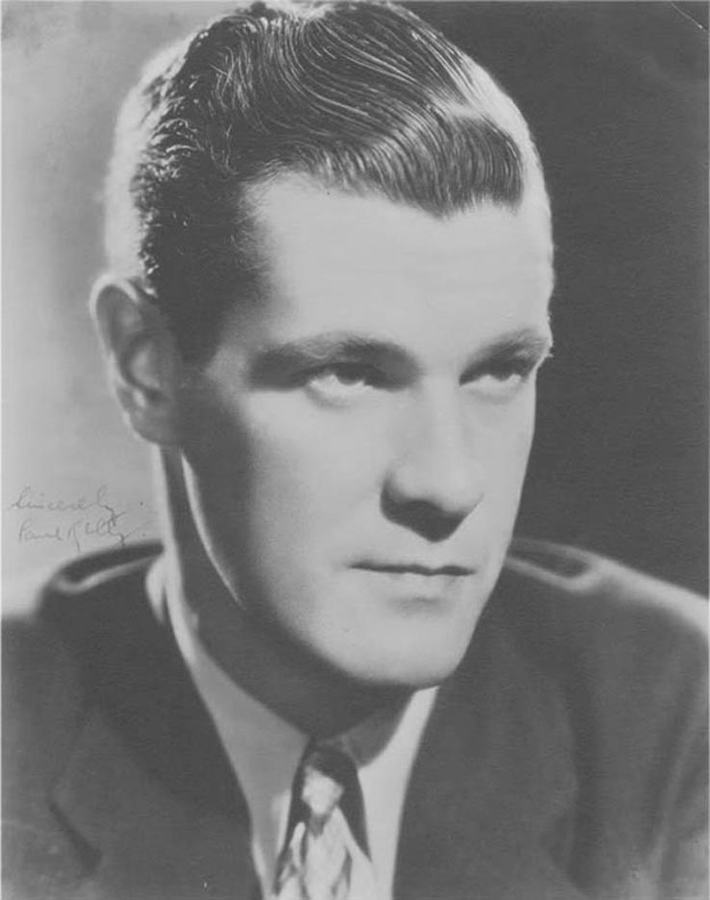
Paul Kelly
actor, soundtrack, writer
- Birth name:
- Paul Michael Kelly
- Born:
- 1899-08-09, Brooklyn, New York City, New York, USA
- Died:
- 1956-11-06, Beverly Hills, Los Angeles, California, USA
- Professions:
- actor, soundtrack, writer
Biography
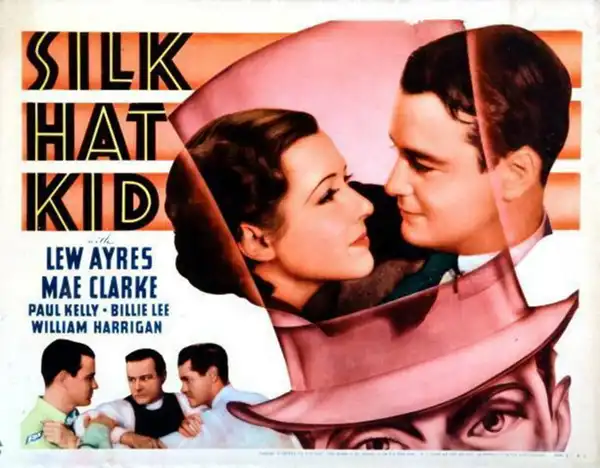
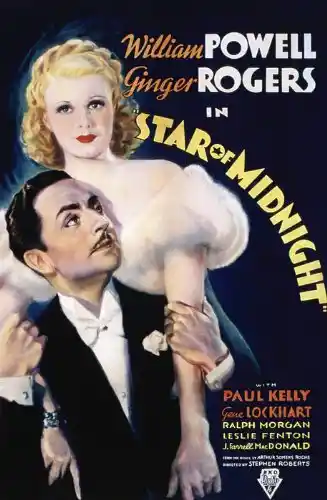
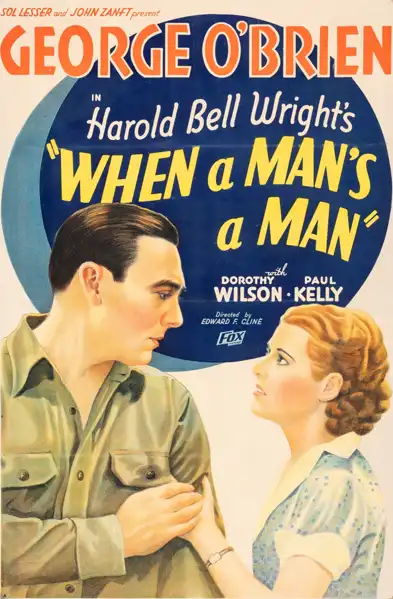
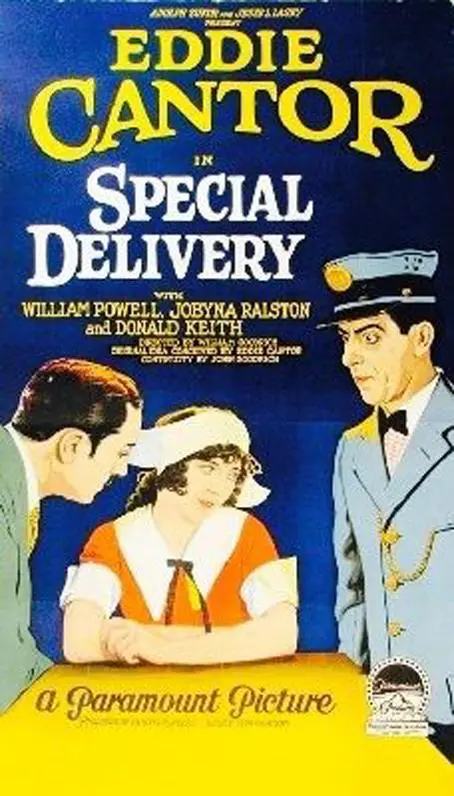
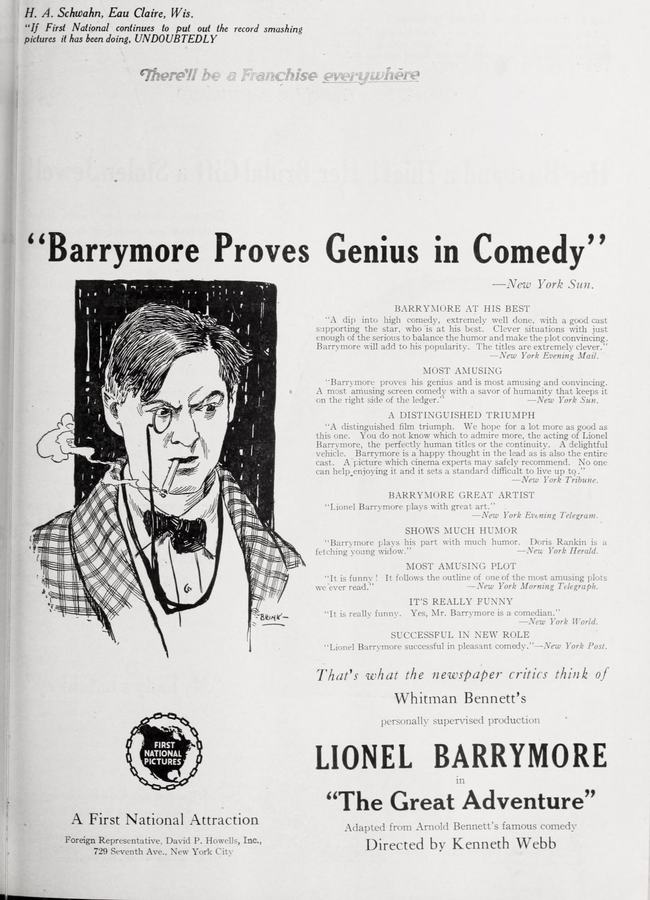
Paul Michael Kelly, a lean, fiery-haired actor with athletic grace, carved his path from the gritty alleys of Brooklyn’s Catholic Irish neighborhood. Born on August 9, 1899, as the ninth of ten siblings, he inherited resilience from his father, Michael, who ran Kelly’s Cafe, a bar near Vitagraph Studios. After Michael’s early death, young Paul stepped into the spotlight, debuting on Broadway at age eight in *The Grand Army Man*. His mother’s connections with the studio earned him bit parts in silent films, launching his career as “Chick Kelly, the Vitagraph Boy” by 1911. By 12, he was sharing scenes with stars like Maurice Costello and Constance Talmadge, his charm and looks cementing his role as a rising star in one-reelers like *The Jarr Family* series. Transitioning from child star to stage and screen leading man, Kelly electrified audiences in *Little Women* (1916) and *Penrod* (1918), while his film pairing with Mary Miles Minter in the smash *Anne of Green Gables* (1919) catapulted him into Hollywood’s elite. The 1920s saw him split between Broadway and cinema, starring in *Up the Ladder* (1922) with Doris Kenyon and *The Sea Woman* (1925) with Blanche Yurka, alongside films like *The Great Adventure* and *Special Delivery*. His life unraveled, however, in a scandalous affair with actress Dorothy Mackaye, whose husband, Ziegfeld Follies performer Ray Raymond, became his tragic victim. Their tempestuous love story culminated in April 1927, when a drunken Kelly stormed Raymond’s home, assaulting him after a bitter rivalry. Raymond died days later from kidney complications exacerbated by the beating, sparking a media firestorm. Though Mackaye and Kelly downplayed the incident, a coroner’s investigation revealed their role in concealing the truth. Convicted of manslaughter, Kelly served 25 months in prison; Mackaye received a lighter sentence for obstruction. They married in 1931, despite the bloodstained past. Emerging from incarceration, Kelly staged a Broadway comeback in 1930, later balancing stage triumphs—like his Tony-winning turn in *Command Decision* (1947)—with film roles in *The Roaring Twenties* and *Crossfire*. His screen persona as a hardened authority figure or antagonist thrived, though A-list film roles eluded him. Offscreen, he adopted Dorothy’s daughter, Valerie, renaming her Mimi, and later wed Claire Owen after Mackaye’s 1940 death. A heart attack in 1953 foreshadowed his final one on Election Day, November 6, 1956, as he returned from voting for Adlai Stevenson. Kelly’s legacy endures in stage classics like *The Country Girl*, where his raw portrayal of a fallen actor went unadapted for the big screen, lost to Hollywood’s shift toward glitzier stars.
Filmography
In the vault (32)