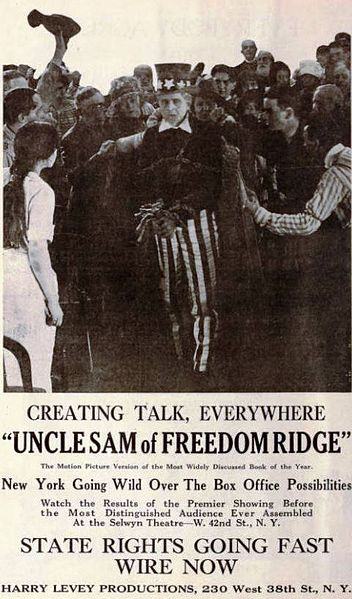
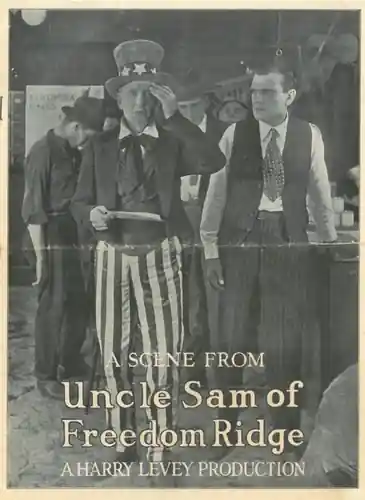
When old Uncle Sam loses his son in the First World War, he takes comfort in the knowledge that his son died for peace. But when he realizes that his country is not supporting the League of Nations, he sacrifices his own life as a martyr for the cause of world brotherhood.
Picture this: 1920, projectors clatter like Maxim guns, audiences gag on newsreel corpses, and out of the ether drifts Uncle Sam of Freedom Ridge—a film that dares to torch its own iconography while the ashes are still warm. Director Ernest Maas, armed with Margaret Prescott Montague’s scalpel-sharp scenario, doesn’...
publicity
publicity
publicity
still_frame
event
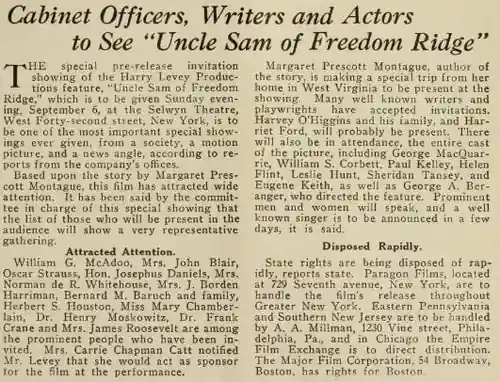
publicity
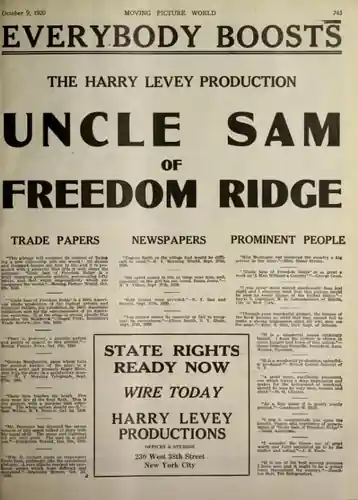
publicity
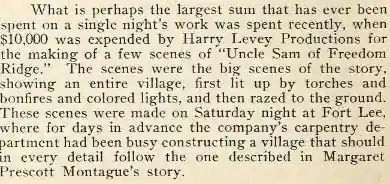
behind_the_scenes
Comparing the cinematic DNA and archive impact of two defining moments in cult history.
George Beranger
Alexander Butler
Community
Log in to comment.
" Picture this: 1920, projectors clatter like Maxim guns, audiences gag on newsreel corpses, and out of the ether drifts Uncle Sam of Freedom Ridge—a film that dares to torch its own iconography while the ashes are still warm. Director Ernest Maas, armed with Margaret Prescott Montague’s scalpel-sharp scenario, doesn’t merely humanize the national mascot; he flays him, nerve by nerve, until what remains is a trembling widower whose star-spangled skin hangs off his bones like wet paper. The open..."
Ernest Maas, Margaret Prescott Montague
United States
Deep dive into the cult classic
Discover similar cinematic experiences
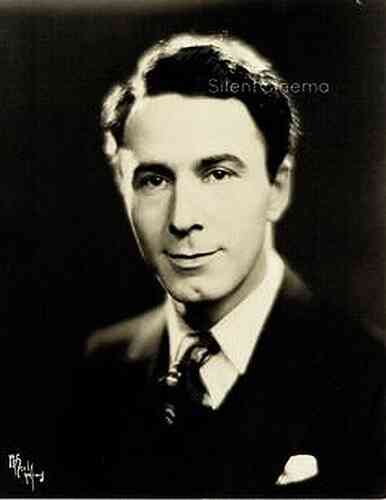
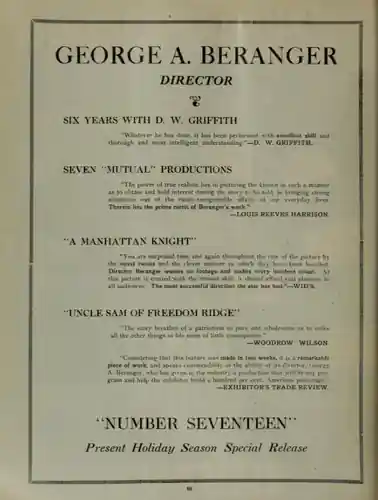
A Directorial Spotlight on George Beranger