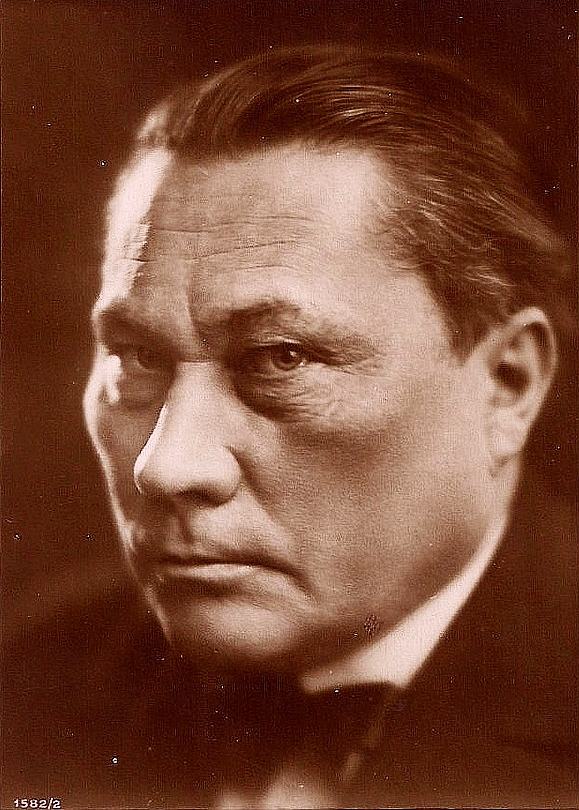
Paul Wegener
actor, director, writer
- Born:
- 1874-12-11, Arnoldsdorf, West Prussia, Germany [now Jarantowice, Kujawsko-Pomorskie, Poland]
- Died:
- 1948-09-13, Berlin, Germany
- Professions:
- actor, director, writer
Biography
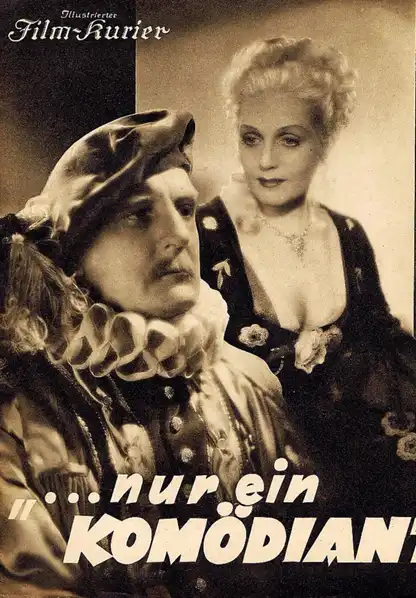
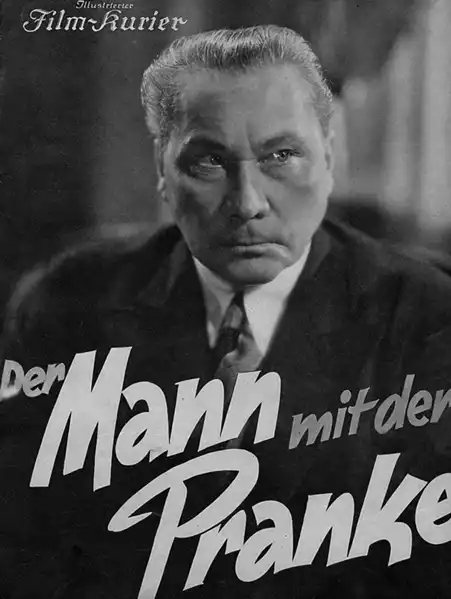
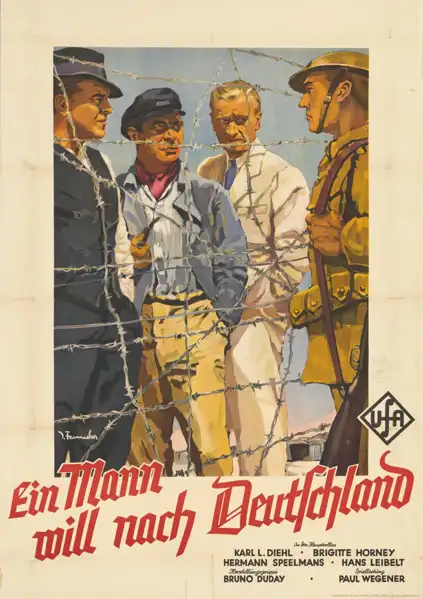
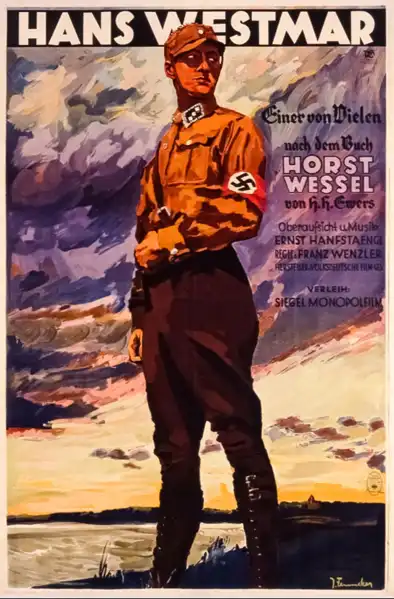
In the quaint town of Arnoldsdorf, West Prussia, within the vast expanse of the German Empire, Paul Wegener was born. Today, this charming birthplace is known as Jarantowice, nestled in Poland. Wegener's family tree was adorned with notable scientists, including his cousin Alfred Wegener, a trailblazer who pioneered the theory of continental drift, leaving an indelible mark on the scientific community. As fate would have it, Paul Wegener's early academic pursuits took a dramatic turn when he abandoned his legal studies to embark on a theatrical journey. By 1906, he had joined forces with the visionary Max Reinhardt, a mastermind who would later make waves in the film world. Reinhardt's troupe became Wegener's launchpad, propelling him toward a career in the performing arts. As the curtains drew open on a new era, Wegener found himself enthralled by the cinematic medium, and by 1912, he was eager to take the leap into film. The year 1913 marked a pivotal moment in Wegener's career, as he stumbled upon an ancient Jewish legend – the captivating tale of the Golem. Enthralled by the story's mystique, Wegener collaborated with Henrik Galeen to craft a script that would bring this myth to life on the silver screen. Their creative synergy culminated in the 1915 film "The Golem," a groundbreaking masterpiece co-directed by Wegener and Galeen. This cinematic triumph catapulted Wegener to stardom, solidifying his position as a luminary in German cinema. His fascination with the Golem legend persisted, inspiring a parody in 1917 and the iconic "The Golem: How He Came into the World" in 1920 – a film that remains an enduring classic of German cinema. Wegener's subsequent projects often delved into the realms of trick photography, the supernatural, and mysticism, reflecting his innate curiosity and artistic inclinations. As the 1930s unfolded, Wegener navigated the transition from silent films to sound films with ease, adapting to the evolving landscape of cinema. However, the Nazi regime's rise to power in 1933 cast a long shadow over the film industry, forcing many artists into exile or persecution. Wegener, despite his personal disdain for the regime, which had targeted numerous friends and associates, found himself unexpectedly favored by the Nazi establishment. He appeared in several propaganda films during the 1940s, all while secretly financing German resistance groups – a testament to his courageous defiance. In the aftermath of World War II, as Berlin lay in ruins, Wegener emerged as a beacon of hope, taking the reins as president of an organization dedicated to improving the living conditions of the city's surviving citizens. Though his health was beginning to falter, he continued to tread the boards, his passion for theater burning bright from 1945 to 1948. Tragically, his final performance was cut short in July 1948, when he collapsed on stage, the curtain falling on his illustrious career. Wegener's retirement was brief, as he passed away in his sleep just a few months later, in September 1948. His legacy was cherished by his last wife, Lyda Salmonova, who survived him until 1968.
Filmography
In the vault (21)