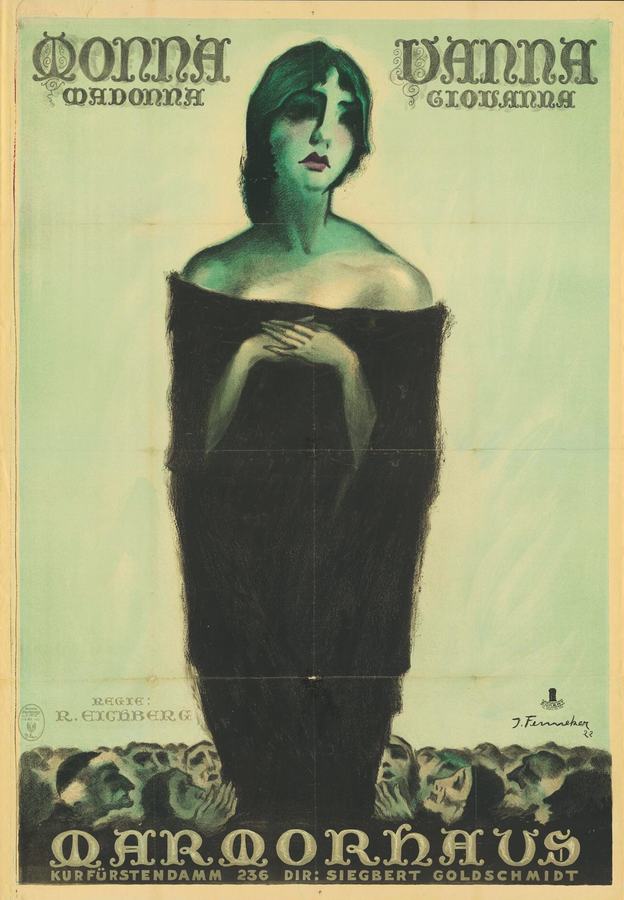
Guido Gurlino, head of the Pisan army, wants the Florentine Maddalena Pazzi, but she rejects him, in love with Vitelli, head of the Florentine armies. Gurlino then kidnaps young Giovanna and makes her his wife.
Monna Vanna arrives like a blood-orange comet across the charcoal sky of 1922 German cinema—its tail flickering with poisoned chivalry, its core molten with erotic dread. The film is nominally adapted from Maeterlinck’s symbolist play, yet the scenarists have plundered Machiavelli for muscle and grafted a ribcage of ...
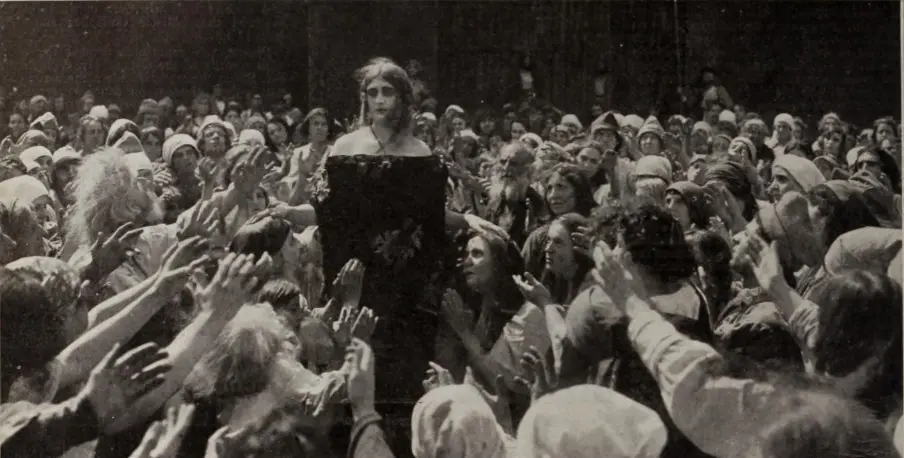
still_frame
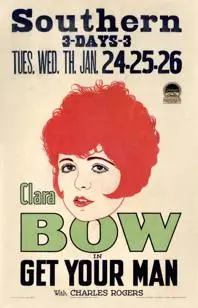
Comparing the cinematic DNA and archive impact of two defining moments in cult history.
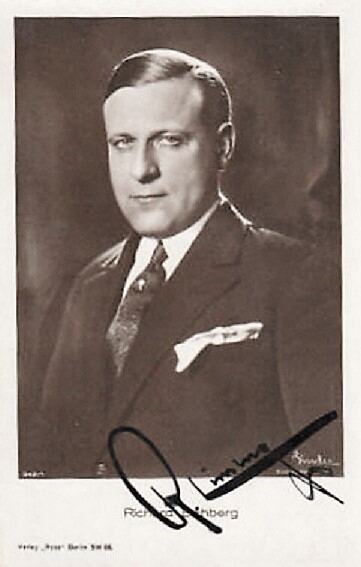
Richard Eichberg
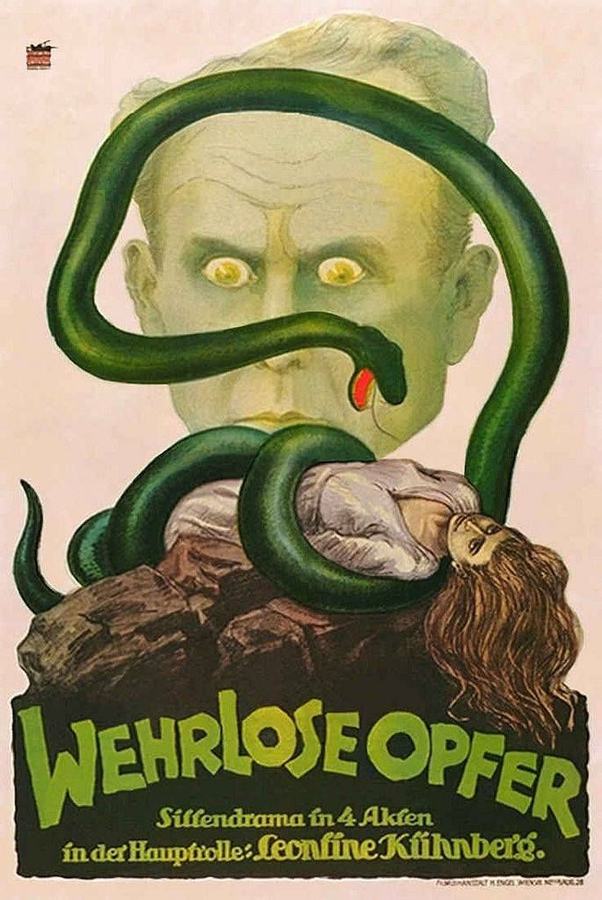
Richard Eichberg
Community
Log in to comment.
" Monna Vanna arrives like a blood-orange comet across the charcoal sky of 1922 German cinema—its tail flickering with poisoned chivalry, its core molten with erotic dread. The film is nominally adapted from Maeterlinck’s symbolist play, yet the scenarists have plundered Machiavelli for muscle and grafted a ribcage of Prussian anxiety onto Renaissance velvet. What slithers out is a fever dream in which politics is seduction and seduction is always a hostage situation. Paul Wegener—yes, the Gole..."
Niccolò Machiavelli, Olga Alsen, Maurice Maeterlinck, Helmuth Orthmann
Germany