Sessue Hayakawa
actor, director, producer
- Birth name:
- Kintaro Hayakawa
- Born:
- 1886-06-10, Minamiboso, Japan
- Died:
- 1973-11-23, Tokyo, Japan
- Professions:
- actor, director, producer
Biography
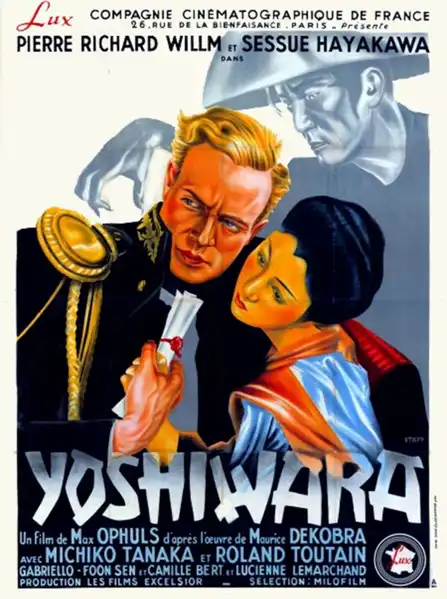
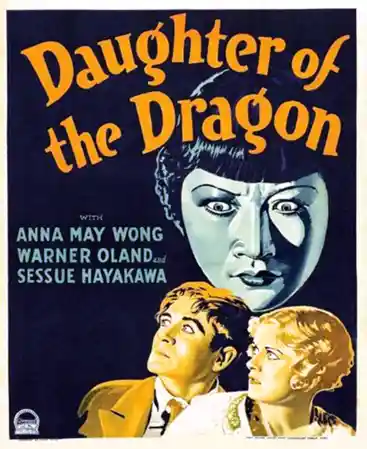
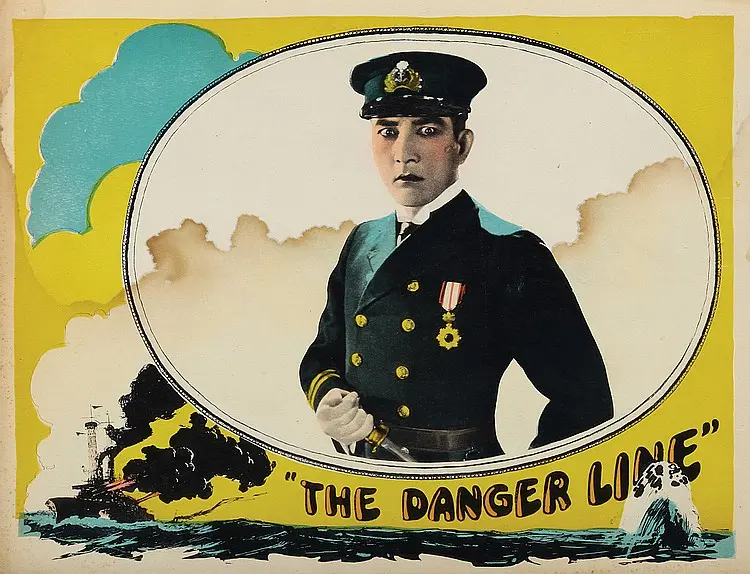
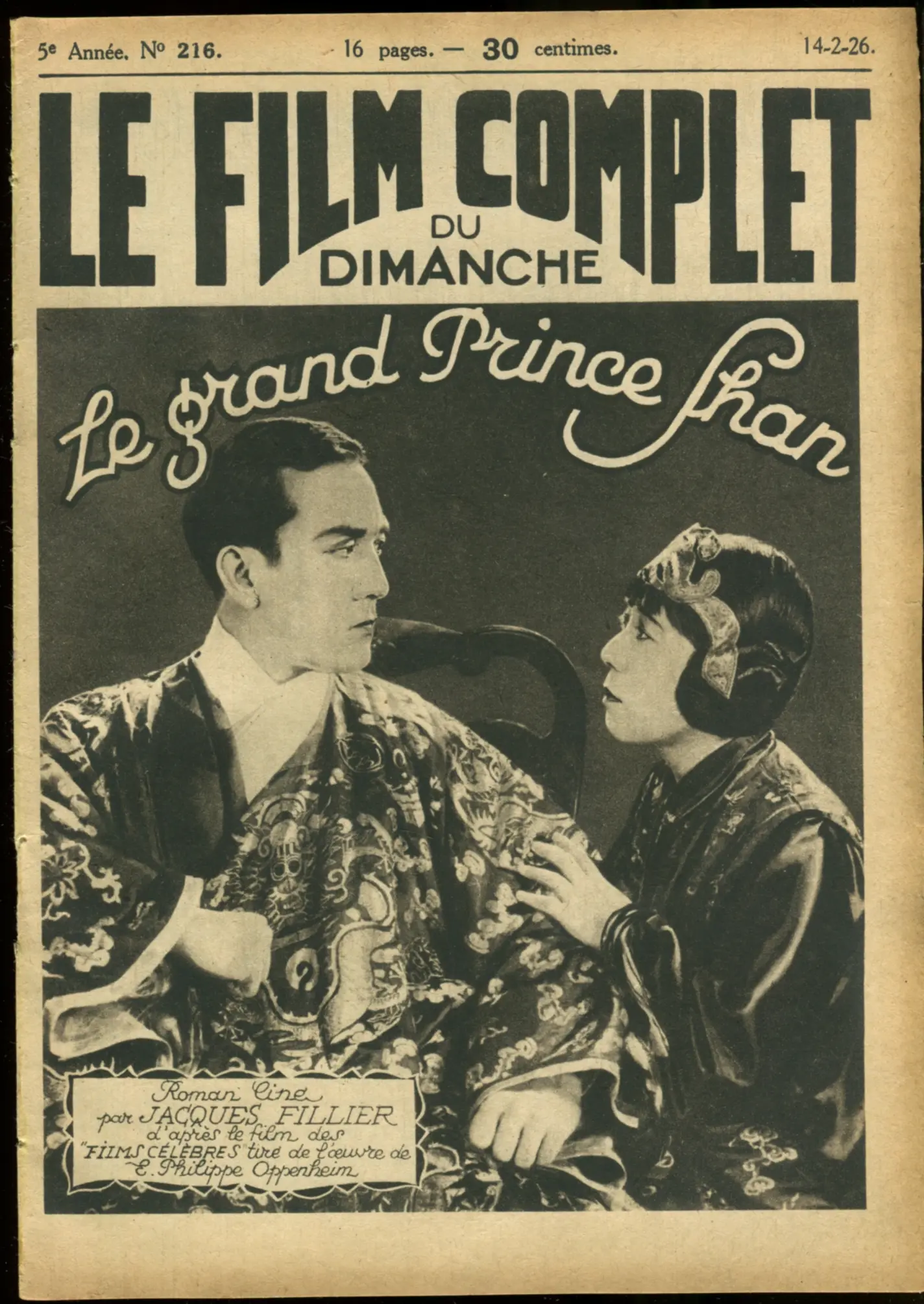
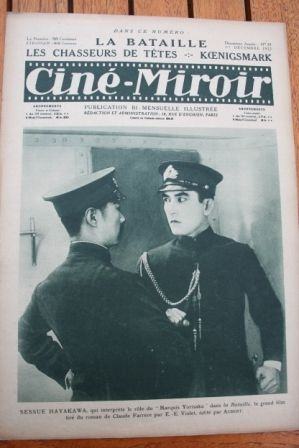
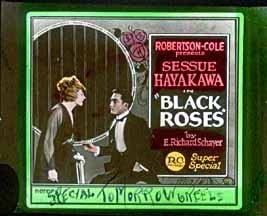
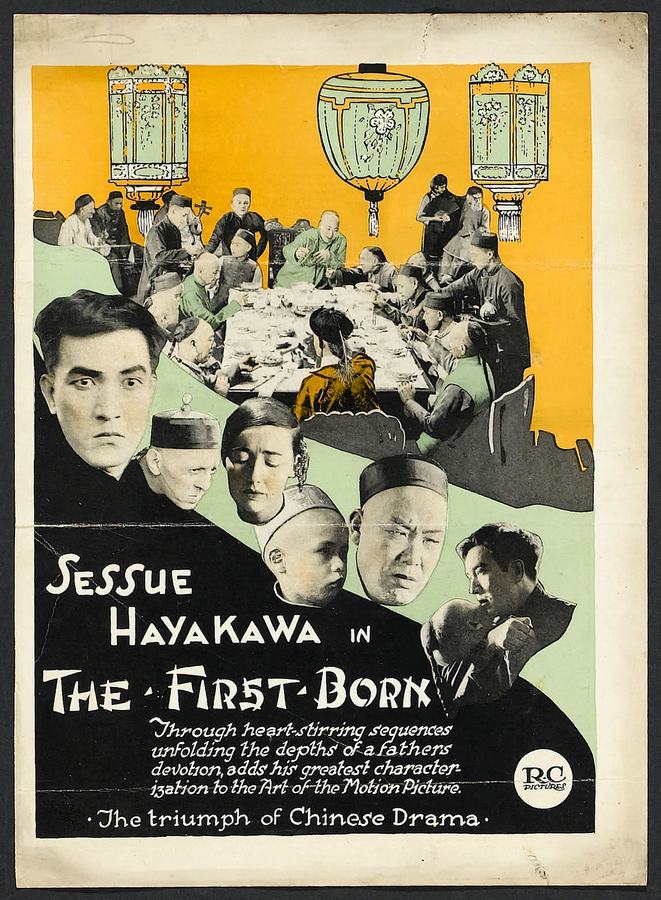
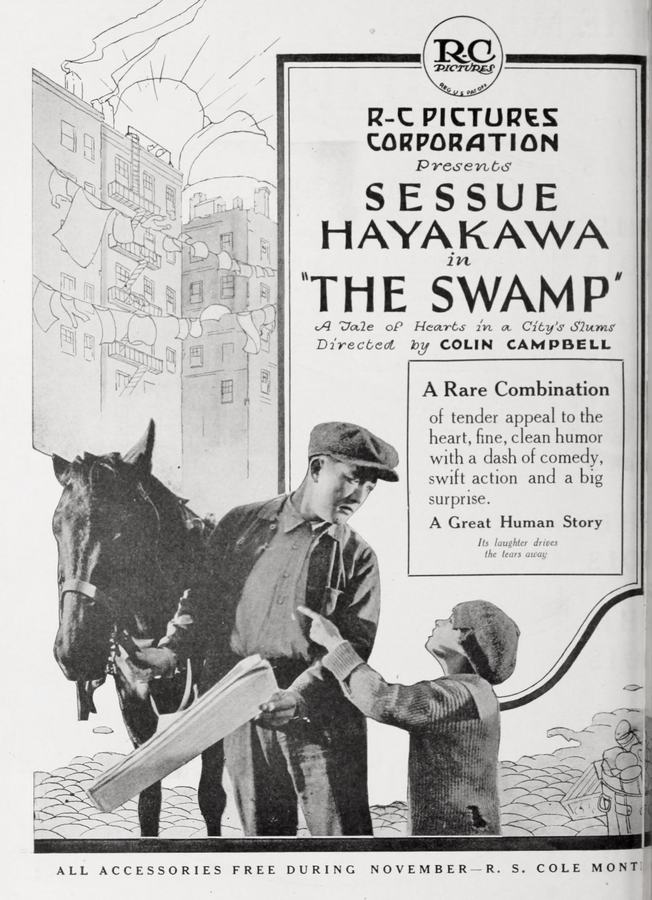
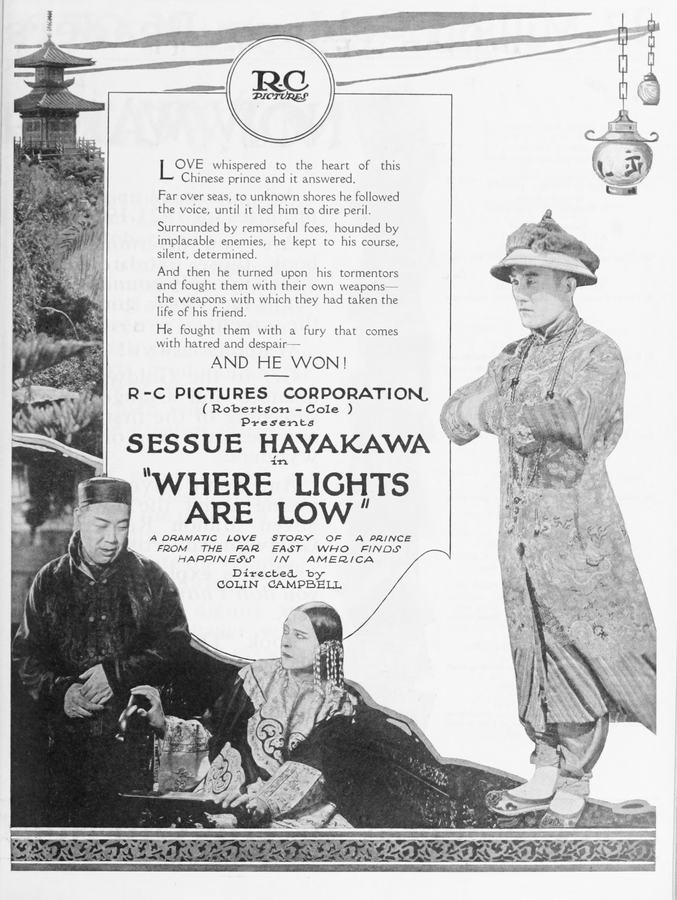
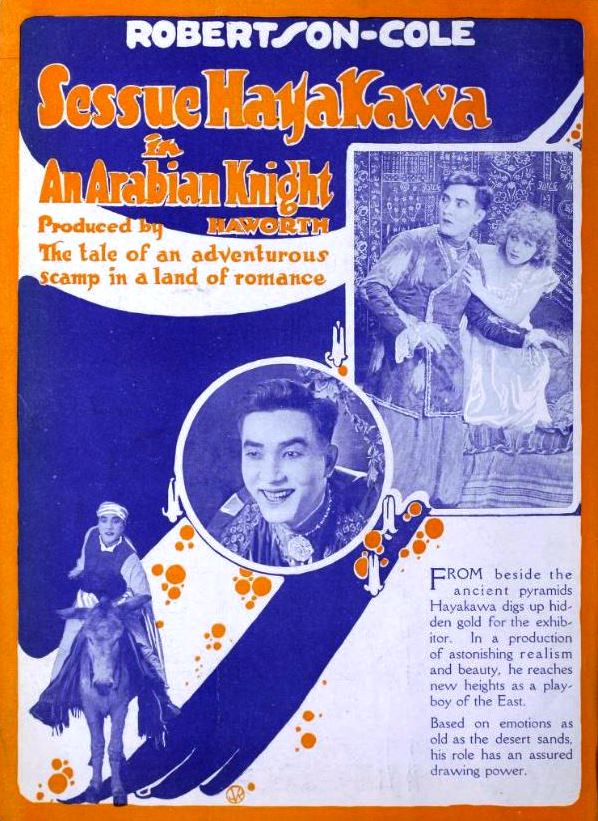
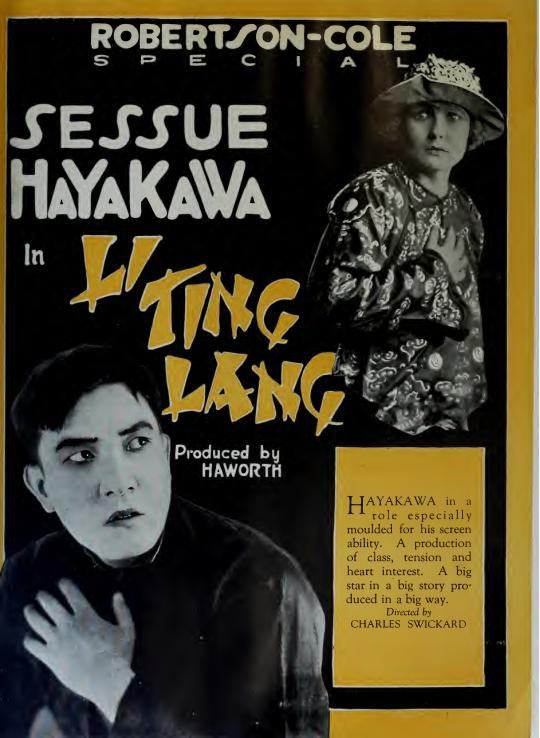
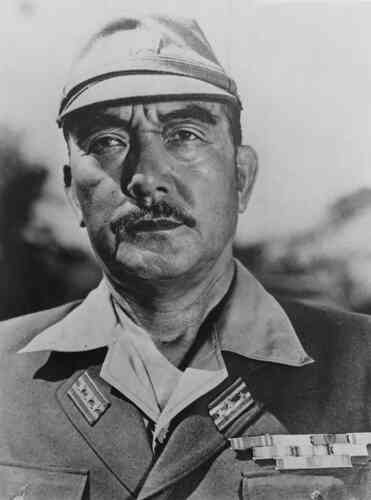
Born in Chiba Prefecture in 1886, Kintaro Hayakawa was groomed to inherit power: his father governed the province, his mother carried samurai blood. A failed navy hearing test rerouted the teenager from battleship decks to kabuki boards; by 1913 his Tokyo troupe had sailed to California, where a talent scout for Thomas H. Ince plucked the striking 27-year-old out of a San Francisco matinee. One inked contract later, Hayakawa stepped before the camera and American audiences stepped into a new sensation—first in The Wrath of the Gods, then in The Typhoon, both released in 1914. Off-screen he wed actress Tsuru Aoki on May Day of that same year; on-screen he detonated a national conversation. Cecil B. DeMille’s The Cheat (1915) cast him as a magnetic ivory dealer who sears his brand onto the shoulder of a white socialite. The image scorched theater screens, minted money for Famous Players-Lasky, and catapulted Hayakawa to a salary that eclipsed most white leading men. Newspapers frothed, racists howled, Japanese-American groups picketed, yet queues still wound around the block. Refusing to be typecast as exotic arm-candy, Hayakawa formed Haworth Pictures Corp. and bankrolled his own starring vehicles—many pairing him with Aoki and pleading for a color-blind American dream. Nitrate flames have claimed nearly all of these releases, leaving only stills and trade-paper cheers as proof they ever existed. When post-WWI nativism swelled, ticket sales cooled; by 1922 he had folded his Hollywood wings. Japan offered no traction, so he crossed hemispheres: fencing his way through the French hit La bataille (1923), then trading intrigues in Britain’s Sen Yan’s Devotion and The Great Prince Shan (both 1924). Talkies lured him back to Los Angeles for Daughter of the Dragon (1931), but microphones magnified his accented baritone and critics pounced. He retreated to Europe, slicing through Max Ophüls’ sensuous Yoshiwara (1937) and—full circle—reprising his signature role in the French remake Forfaiture (1937). War shattered continents; Hayakawa waited, then flew west again. Tokyo Joe (1949) and Three Came Home (1950) proved he could command scenes without romantic leads, but it was David Lean’s The Bridge on the River Kwai (1957) that sealed immortality. As Colonel Saito he stood ramrod-straight in the Burmese jungle, trading existential glares with Alec Guinness and earning an Oscar nomination for Best Supporting Actor while the picture marched to Best Picture glory. He eased into elder-statesman status, filming steadily until 1966, then traded soundstages for silence, ordaining as a Zen priest back home yet still coaching young actors in the art of stillness. A century after the first audience gasped at The Cheat, Sessue Hayakawa remains a luminous exception: an Asian star who bent Hollywood to his will long before the town pretended it had invited him in.
Filmography
In the vault (14)