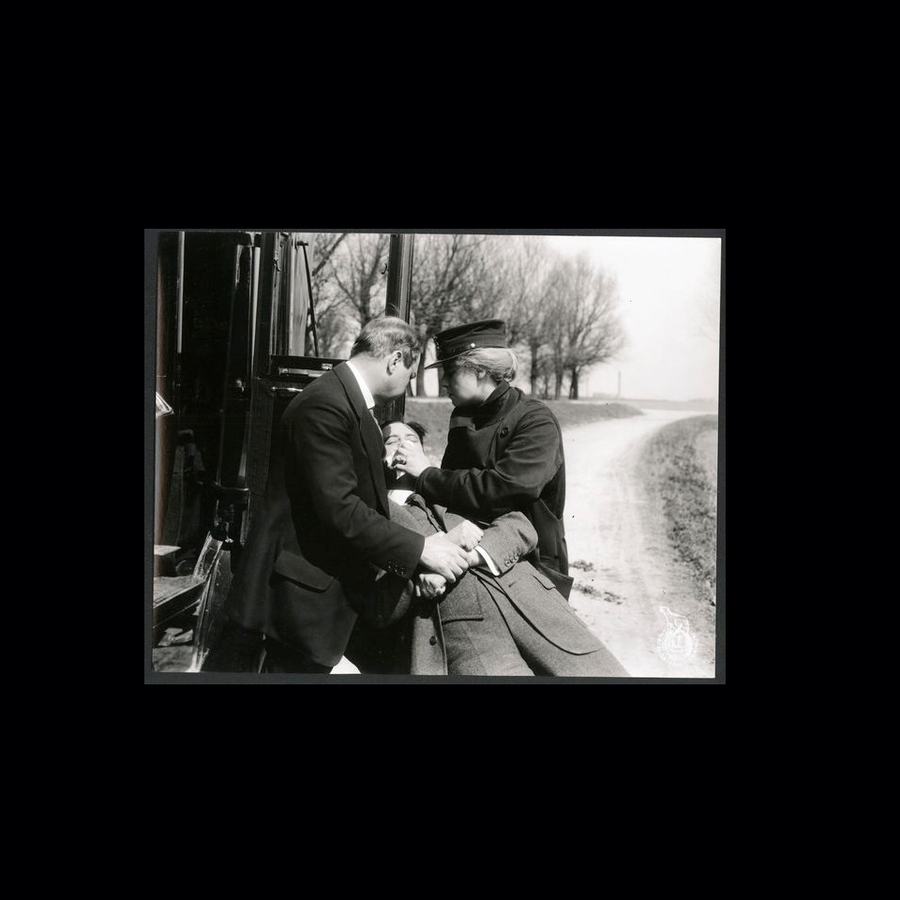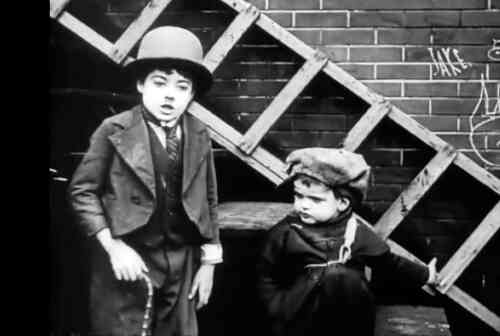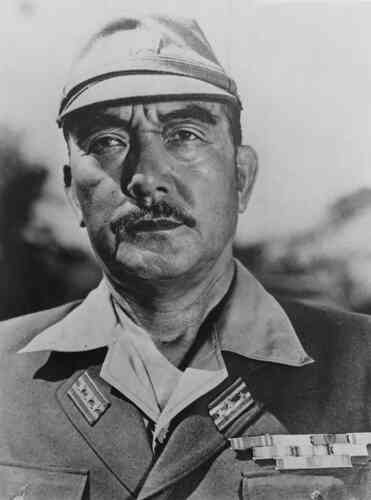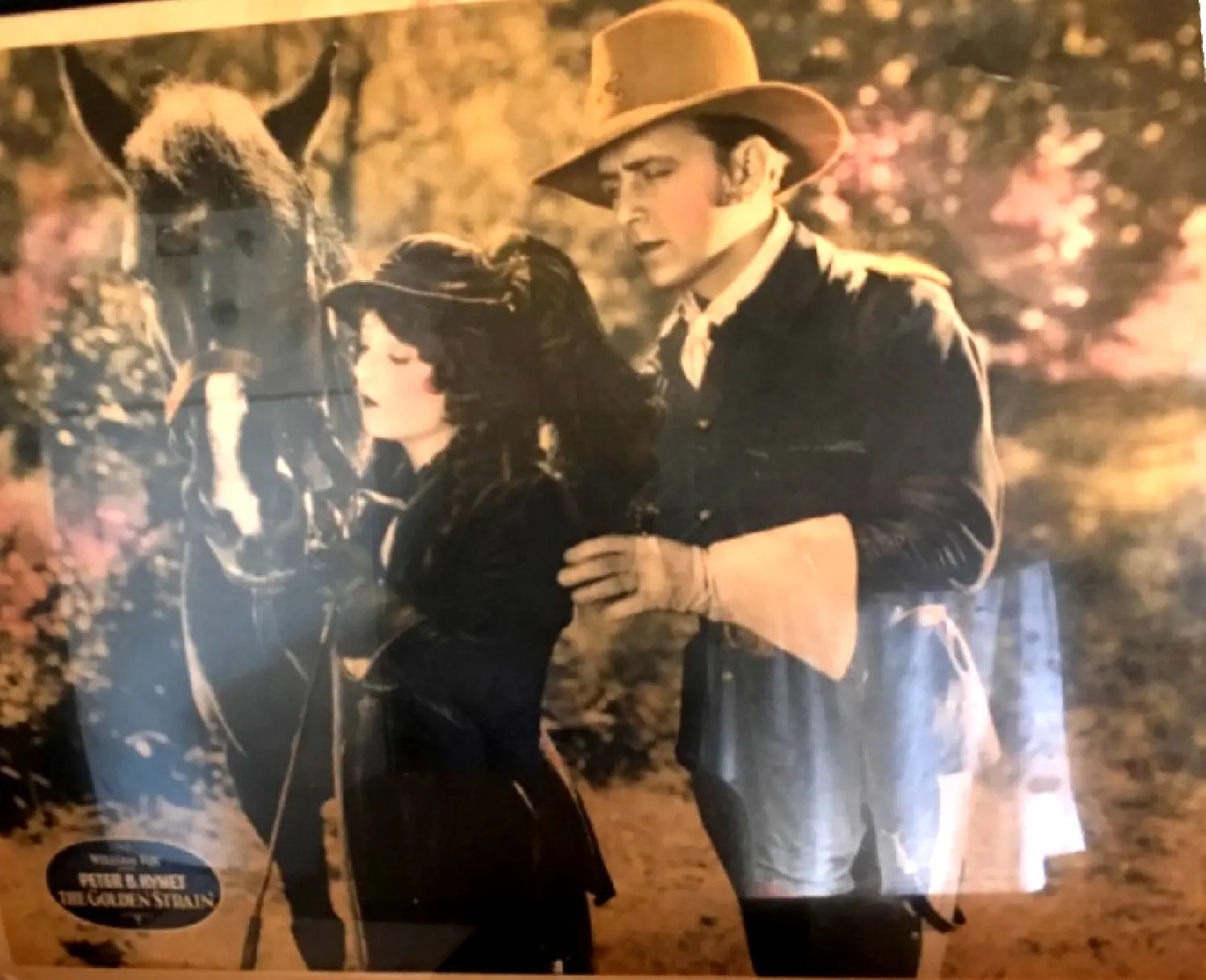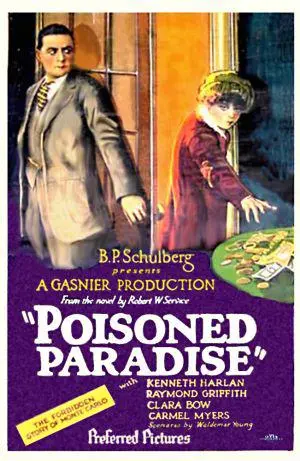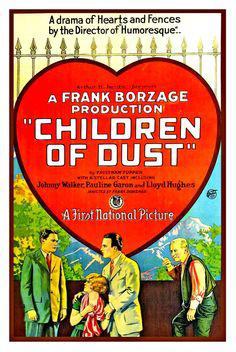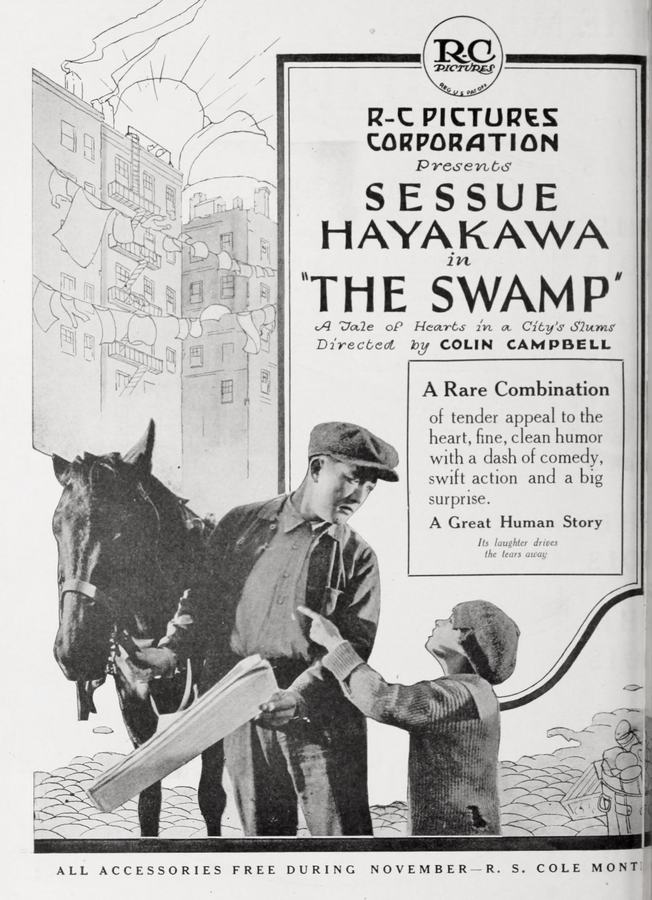
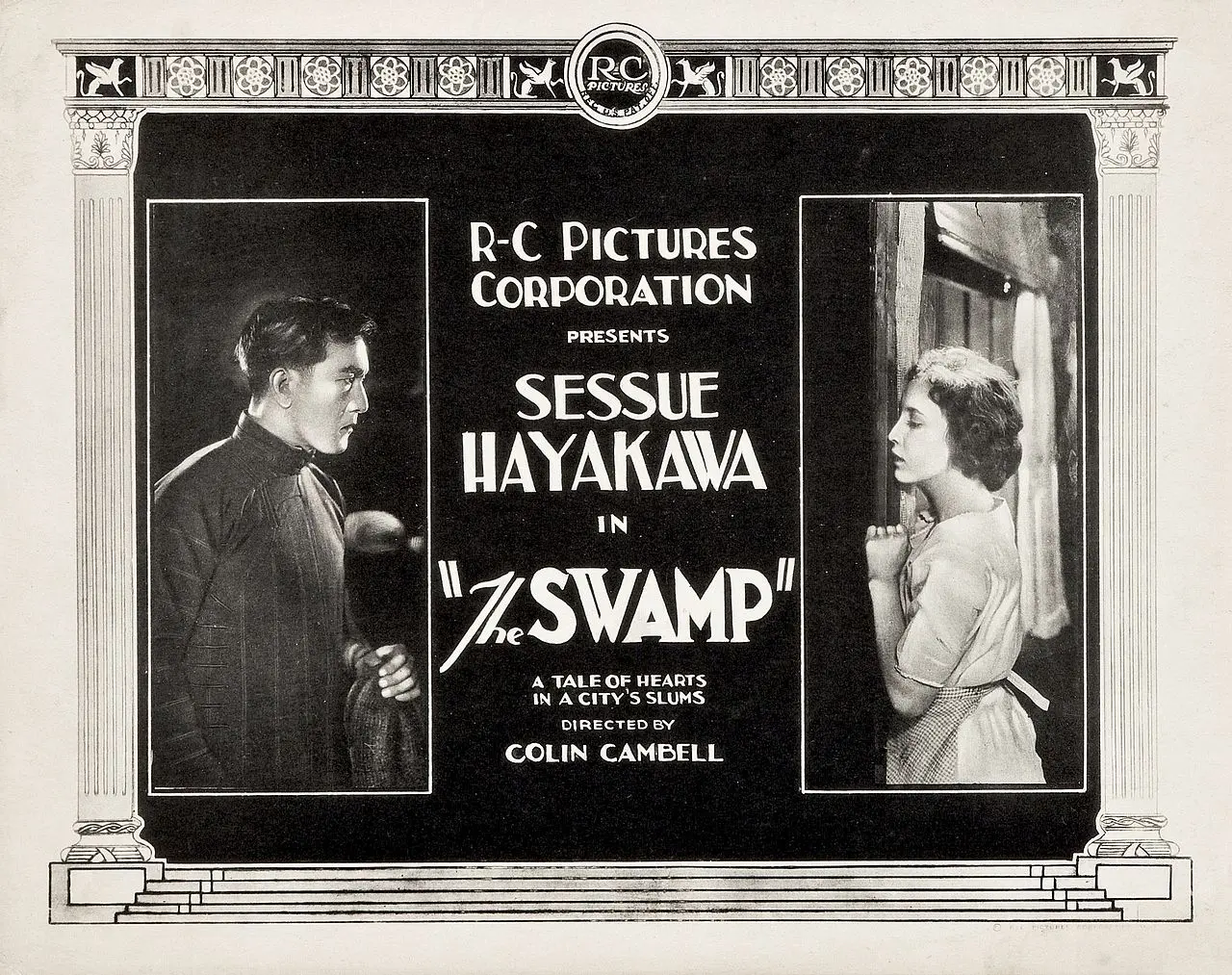
Mary and her son Buster live in a single room in the slums of the city, having been deserted by their husband and father, wealthy Spencer Wellington. While selling newspapers, Buster meets Wang.
Imagine a film that arrives like a smuggled letter from 1921, ink still damp with rage. The Swamp is that letter—folded, hidden inside a newsboy’s cap, passed hand-to-hand across a century of amnesia. There is no overture, no velvet curtain. The first frame hurls you into a basement window: a kerosene lamp hisses, M...
production_art
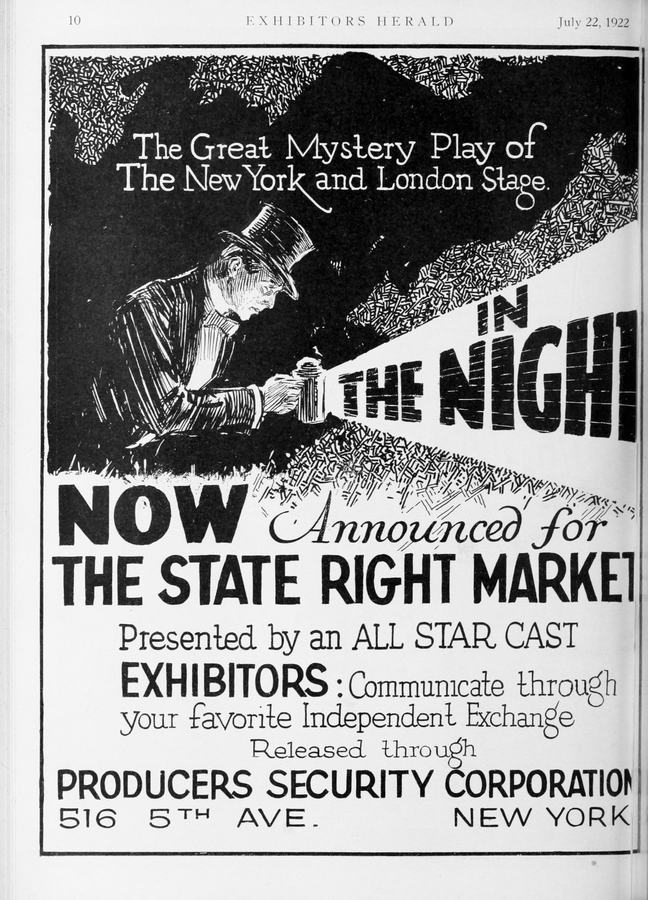
Comparing the cinematic DNA and archive impact of two defining moments in cult history.
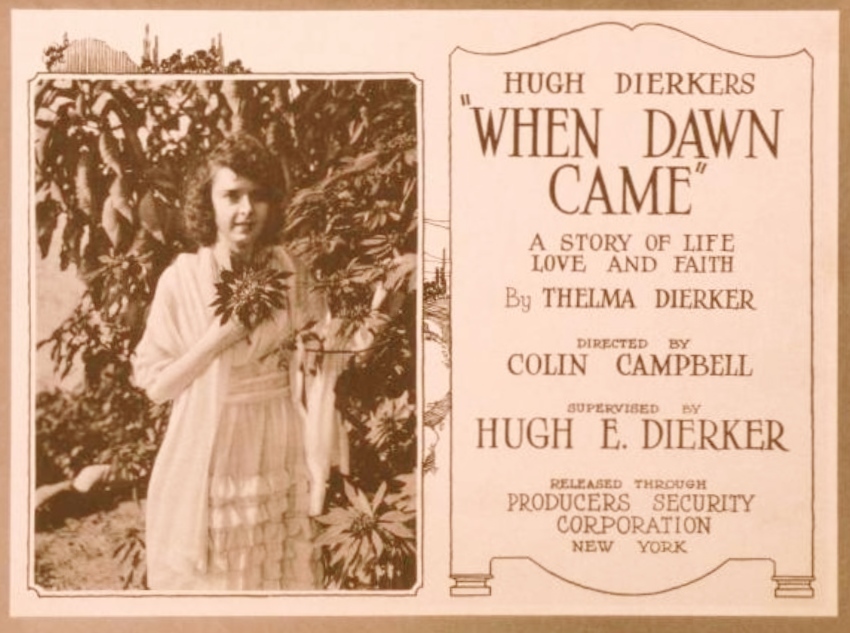
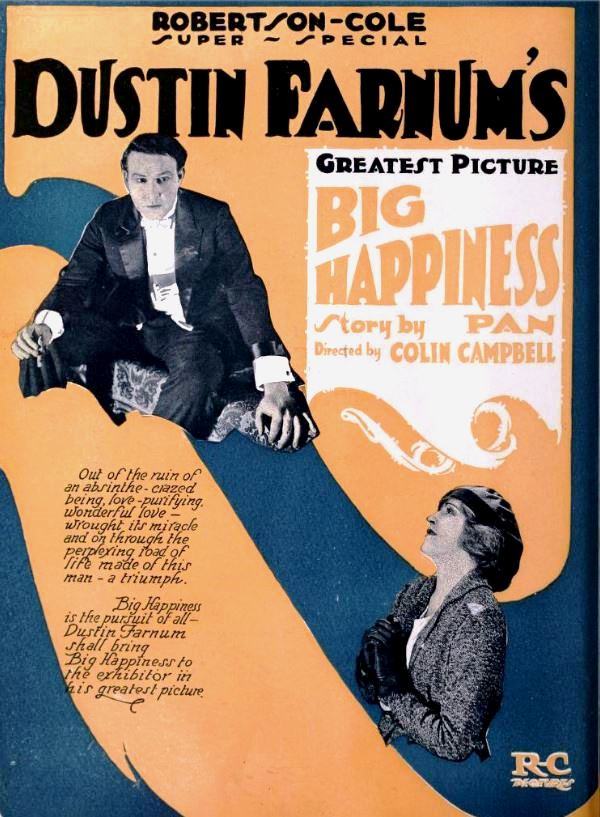
Colin Campbell
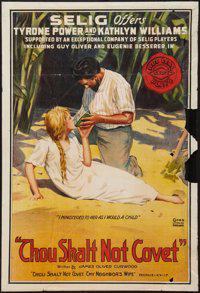
Colin Campbell
Community
Log in to comment.
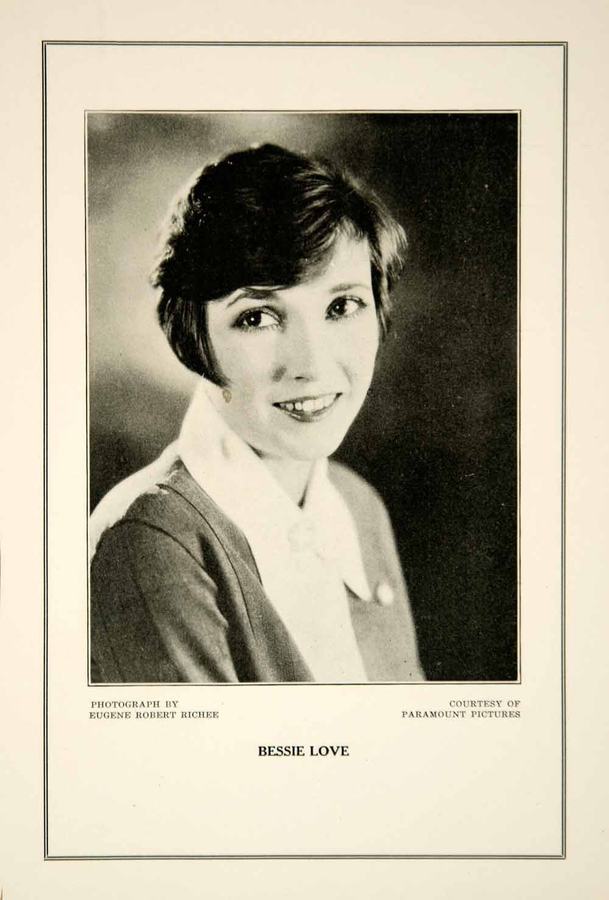
" Imagine a film that arrives like a smuggled letter from 1921, ink still damp with rage. The Swamp is that letter—folded, hidden inside a newsboy’s cap, passed hand-to-hand across a century of amnesia. There is no overture, no velvet curtain. The first frame hurls you into a basement window: a kerosene lamp hisses, Mary’s cheekbones cut shadows sharp enough to slice bread, and the wallpaper peels like old lawsuits. Bessie Love plays her not as a martyr but as a coiled spring; every blink says,..."
Sessue Hayakawa, J. Grubb Alexander
United States