Anthony Hope
writer
- Birth name:
- Anthony Hope Hawkins
- Born:
- 1863-02-09, London, England, UK
- Died:
- 1933-07-08, Walton-on-the-Hill, Surrey, England, UK
- Professions:
- writer
Biography
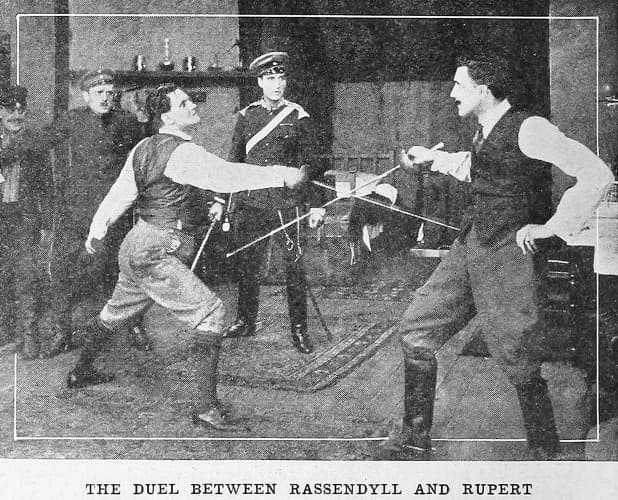
Anthony Hope Hawkins began life in 1863 within earshot of London’s church bells, the son of a headmaster who ran St. Johns Foundation School for the Sons of Poor Clergy—an upbringing that mixed inkwells with charity sermons. Marlborough’s stone corridors and, later, the ancient quadrangles of Balliol College, Oxford, shaped him; an M.A. with honours in 1885 landed him in a barrister’s wig. He dutifully kept the wig on for two quiet years, but brief-less mornings soon turned into notebook-filled afternoons, and when no publisher nibbled at his first novel, he simply printed it himself. The public did what publishers would not: they bought every copy, and—almost mockingly—legal briefs finally began to arrive. Faced with a flourishing practice and a runaway pen, Hawkins chose the pen, trading his surname for the sleeker “Anthony Hope”. 1894 delivered a double thunderclap: The Dolly Dialogues, a witty set of sketches now gathering dust, and The Prisoner of Zenda, a romantic jigsaw of switched identities, Balkan-like duels and midnight escapades set in the make-believe kingdom of Ruritania. Readers devoured it; writers raced to imitate it; Hollywood, in decades to come, would film it at least ten times, turning its cadet-hero Rudolf Rassendyll into cinema’s eternal look-alike prince. Four years later Hope resurrected Zenda’s magnetic villain for Rupert of Hentzau, proving bad men can sell books as surely as swashbucklers. Across the Atlantic he found more than royalties: on an American lecture circuit he met Elizabeth Somerville Sheldon; they married in 1903 and produced three children, all bilingual in bedtime stories and transatlantic banter. Knighthood arrived in 1918, the same year he acquired a Surrey country house at Tadworth, where roses climbed the walls and manuscripts piled the desks. There he kept crafting novels and plays until, in 1933, the storyteller who had given the world Ruritania closed his own final chapter at seventy.