

B.P. Schulberg
miscellaneous, producer, production_manager
- Birth name:
- Benjamin Percival Schulberg
- Born:
- 1892-01-19, Bridgeport, Connecticut, USA
- Died:
- 1957-02-25, Key Biscayne, Florida, USA
- Professions:
- miscellaneous, producer, production_manager
Biography
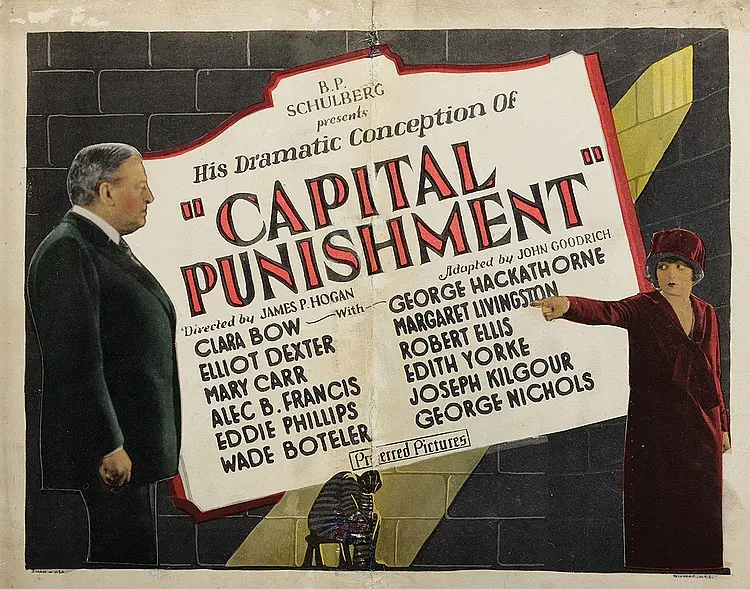
In the roaring twenties, Benjamin Percival Schulberg stood as a titan in Hollywood, his influence rivaling that of the industry's most prominent figures. The journey to the pinnacle of power began on the bustling streets of New York, where Schulberg cut his teeth as a reporter, before being drawn into the film world as an assistant editor for a movie magazine. This initial foray sparked a creative fervor, and he soon found himself penning screenplays, driven by an insatiable passion for storytelling. A stint in the publicity department of William Swanson's Rex studio, later absorbed into Universal in June 1912, further honed his skills, and by the time he joined Famous Players as head of publicity, Schulberg was poised to make his mark. The founding of Preferred Pictures in 1919 marked a seminal moment in Schulberg's career, as he embarked on a path that would lead him to unearth and nurture some of the era's most captivating talent. The signing of Lon Chaney proved a masterstroke, and the 1922 release of the oriental drama Shadows catapulted Schulberg into the spotlight. Yet, it was his discovery of Clara Bow, the 18-year-old redhead who would become the epitome of the 'jazzbaby,' that cemented his status as a visionary producer. The Plastic Age, a 1925 adaptation of Percy Marks' risqué novel, not only showcased Bow's talents but also introduced the world to a young Luis Alonso, who would later rise to stardom as Gilbert Roland. Despite the immense success of The Plastic Age, Preferred Pictures ultimately succumbed to financial pressures, filing for bankruptcy in 1925. However, Adolph Zukor, recognizing Schulberg's exceptional talent, offered him a lifeline, inviting him to join Paramount as head of the West Coast studios and vice-president in charge of production. With Clara Bow in tow, Schulberg thrived in his new role, recruiting a coterie of visionary directors, including Josef von Sternberg, Ernst Lubitsch, and William A. Wellman, and driving Paramount to the forefront of the industry. His innovative spirit and technical prowess proved instrumental in the studio's seamless transition from silent to sound films. Schulberg's tenure at Paramount, spanning from 1925 to 1932, was a golden age of creativity and collaboration. He championed Clara Bow as the 'Anna Held of the Talkies,' but despite his best efforts, she ultimately failed to adapt to the new era of sound, leading to her departure from the studio in 1931. The following year, Schulberg himself fell victim to a studio-wide purge, which also claimed the careers of Jesse L. Lasky and Sidney Kent. Undeterred, Schulberg continued to produce films as an independent, albeit with limited success, working with Paramount's B-unit and Columbia. A handful of notable productions, including the comedy Three Cornered Moon and the crime drama Meet Nero Wolfe, which introduced the iconic detective in the form of Edward Arnold, stand as testaments to his enduring passion for storytelling. Ultimately, disillusioned with the industry's capricious nature, Schulberg retired in 1943, his legacy as a trailblazing producer and discoverer of talent forever etched in the annals of Hollywood history.
Filmography
Written (1)
Knowledge Base
Frequently Asked Questions about B.P. Schulberg
Community
Comments
Log in to comment.