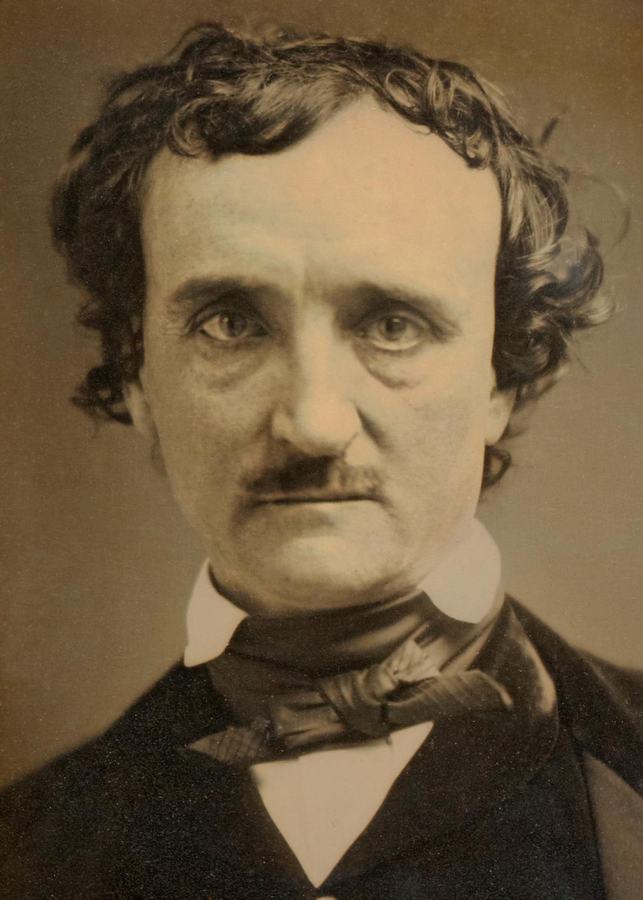
Edgar Allan Poe
miscellaneous, soundtrack, writer
- Birth name:
- Edgar Poe
- Born:
- 1809-01-19, Boston, Massachusetts, USA
- Died:
- 1849-10-07, Baltimore, Maryland, USA
- Professions:
- miscellaneous, soundtrack, writer
Biography
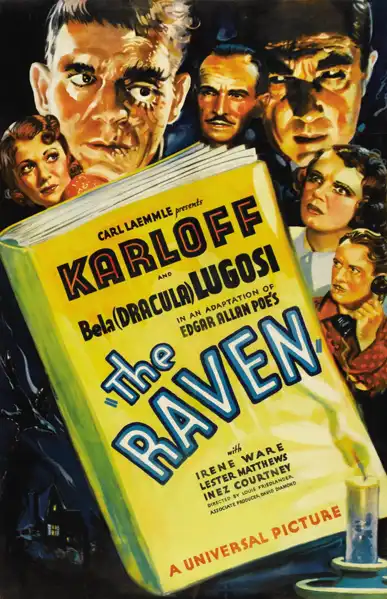
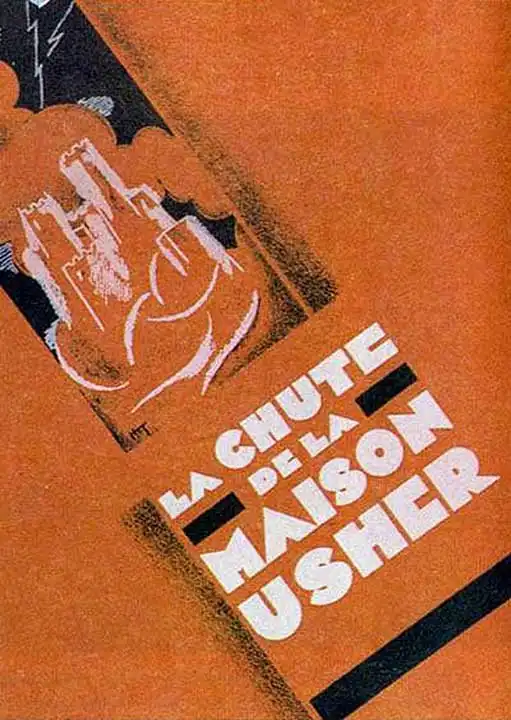
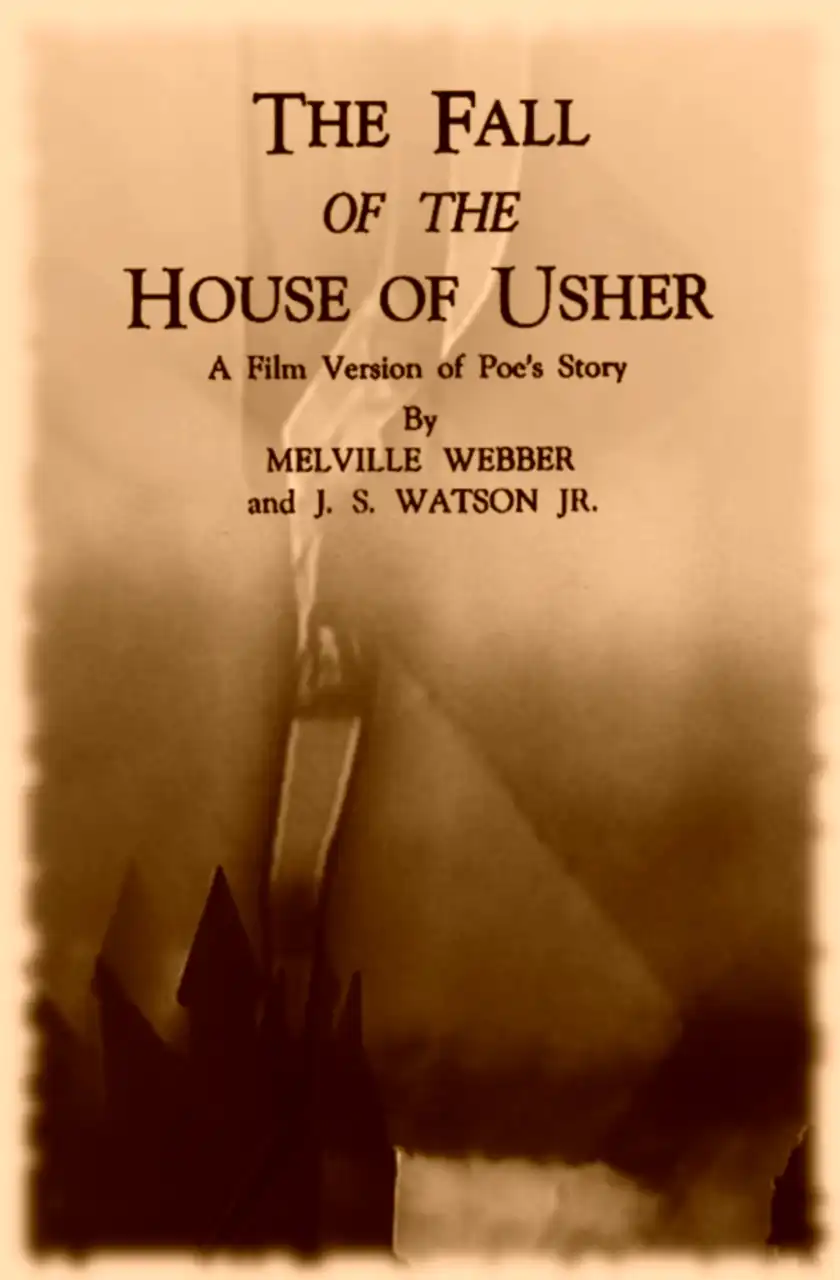
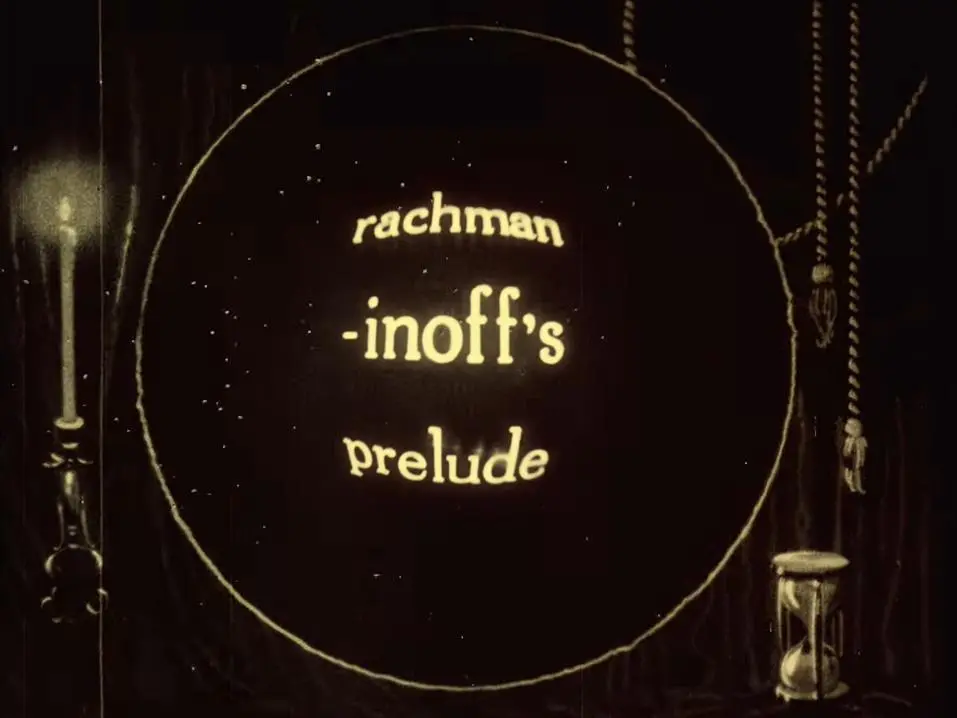
Edgar Allan Poe entered the world on January 19, 1809, in Boston, born to David Poe Jr., an itinerant stage performer, and Elizabeth Arnold Hopkins Poe, a struggling actress. By 1811, both parents had vanished from his life—his father fled, and his mother succumbed to illness, leaving him an orphan before his third birthday. Rescued by John Allan, a Richmond tobacco magnate, Poe was shipped off to a British boarding school before returning to America. At the University of Virginia, he lasted a single term, racking up debts from gambling after squandering his tuition. His adoptive father severed their engagement to Poe’s fiancée, Sarah Royster, plunging him into despair. Broke and adrift, Poe enlisted in the army in May 1827, the same year he self-published *Tamerlane and Other Poems*, a modest debut. Two years later, he became a West Point cadet, only to be expelled in 1829 for mutiny after six months. During this chaotic period, he released *Al Aaraf* (1929) and *Poems by Edgar A. Poe* (1831), financed by classmates. His early verses, steeped in Lord Byron’s romanticism, already pulsed with his signature melodic intensity. Settling in Baltimore, Poe moved in with his aunt Maria Clemm and her daughter Virginia, marrying the teenager in a union that blended family ties with literary partnership. He carved a niche as a sharp critic and theorist, shaping ideas in essays like *The Poetic Principle*, yet his genius clashed with self-destruction—alcoholism and erratic habits shadowed his career. Undeterred, Poe poured his obsessions into lyrical masterpieces: *The Raven* (1845), a haunting dirge for lost love, and *The Bells* (1849), a chime-heavy ode to time’s passage. His fiction redefined terror, from the crumbling sanity of *The Fall of the House of Usher* (1839) to the locked-room mystery of *The Murders in the Rue Morgue* (1841), which birthed the detective genre. Yet personal tragedy loomed—Virginia’s death in 1847 shattered him. By 1849, he reunited with Sarah Royster, now a widow, but their reunion was cut short. Found delirious in Baltimore, Poe died four days later in a hospital, his final words a whispered plea: “Lord, help my poor soul.” His death’s mystery lingers, its records vanished, while his rival Rufus Griswold smeared his legacy with a defamatory memoir, stealing his papers to boot. Poe’s shadow stretches beyond literature: Vladimir Nabokov sampled the name *Annabel Lee* for *Lolita*’s Annabelle Leigh and lifted phrases from Poe’s verses. Composers, too, paid homage—Claude Debussy transformed *The Fall of the House of Usher* into an opera, and Rachmaninoff wove *The Bells* into a symphonic choral work. A man of extremes, Poe’s legacy thrives in the gothic echoes he left behind.
Filmography
Written (14)