Florence Turner
actress, producer, writer
- Birth name:
- Florence Eugenie Turner
- Born:
- 1885-01-06, New York City, New York, USA
- Died:
- 1946-08-28, Woodland Hills, Los Angeles, California, USA
- Professions:
- actress, producer, writer
Biography
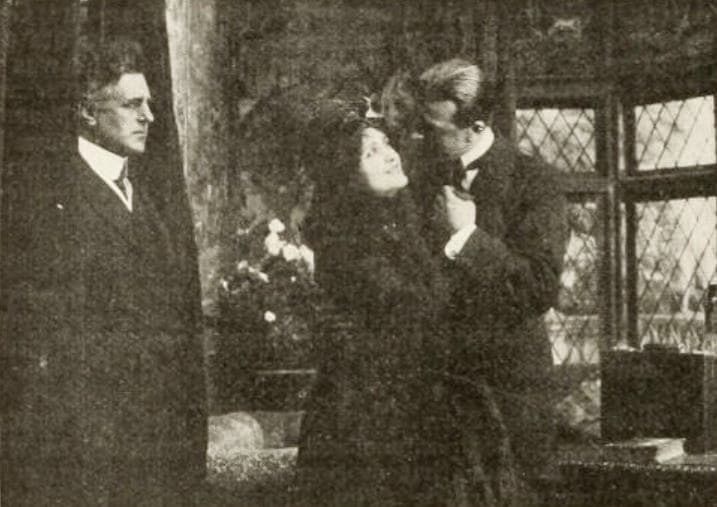
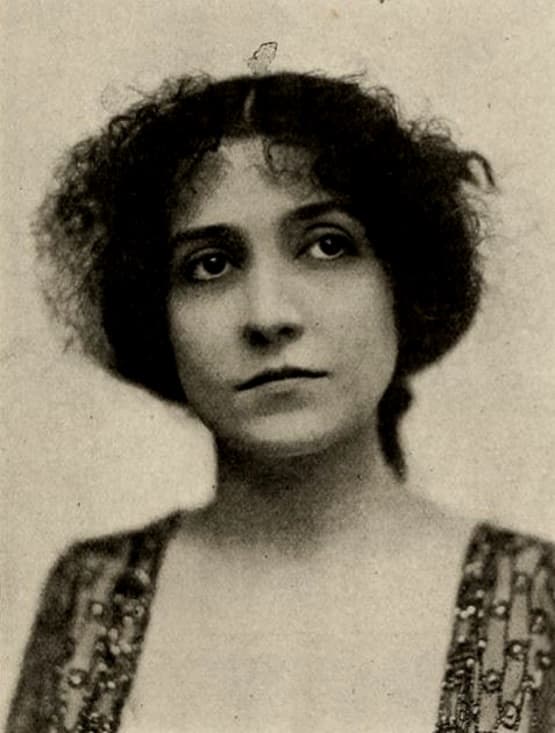
Long before Hollywood’s boulevards glittered, a five-foot wisp from Astoria—Florence Turner—was already being hailed as “The Vitagraph Girl,” the first performer the press ever crowned a bona-fide “movie star.” Born January 6, 1885, she was steered into footlights at three, billed as “Eugenie Florence,” aping Marie Dressler’s comic tremors for vaudeville patrons who couldn’t believe a child could mimic grown-up stardust so precisely. By 1906 the teenager had talked her way into Brooklyn’s Vitagraph plant, sewing costumes one hour, selling tickets the next, then stepping in front of the crank camera before the day ended. Cast Up by the Sea, summer 1907, marked her screen baptism; within months her melancholy eyes were selling out nickelodeons. Paired with Maurice Costello, she became the studio’s signature face—tiny, doe-like, yet electrically modern. In 1913 she crossed the Atlantic on a whim, stayed when Londoners roared for her music-hall turns skewering Nazimova and an upstart Charlie Chaplin. Director Lawrence Trimble, her devoted friend, kept her before the lens; together they shaped scripts and schedules. Capitalizing on independence unheard-of for actresses, she launched Turner Films, cranking thirty-plus one-reelers and becoming cinema’s first star-producer. Box-office polls of 1915 placed her at the summit. For the next eight years she commuted like an ocean liner, shuttling between Hepworth’s English meadows and American soundstages, slipping into Shakespeare’s Portia and Lady Anne, Dickens’s Lucie Manette, Cooper’s Hetty Hutter, Hardy’s Bathsheba Everdene—costume after costume, era after era, every frame testifying to a restless intelligence. Post-war Britain’s slump stranded her in Hollywood by 1924; MGM kept the once-luminous name on call sheets—now for crowd scenes and walk-ons. Talkies sealed the eclipse: the voice that had never spoken on-screen was judged surplus. Still, the studio carried her on the payroll for another ten quiet years out of loyalty, or nostalgia, or both. She exited August 28, 1946, in the Motion Picture Country Home, sixty-one summers after her first curtain, the pioneering Vitagraph Girl now a footnote even on the back lot she had helped invent.