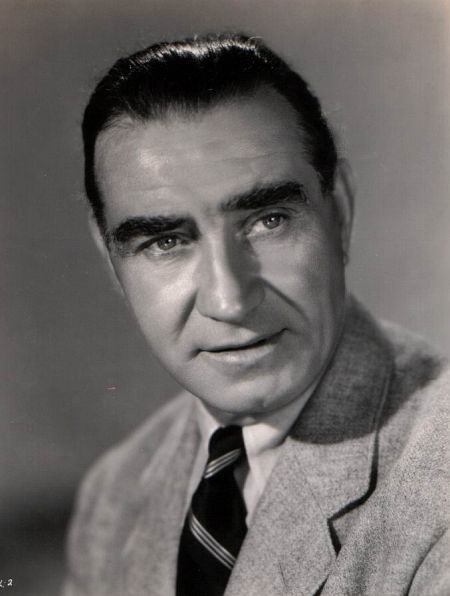
Frank Lloyd
actor, director, writer
- Birth name:
- Frank William George Lloyd
- Born:
- 1886-02-02, Glasgow, Scotland, UK
- Died:
- 1960-08-10, Santa Monica, California, USA
- Professions:
- actor, director, writer
Biography
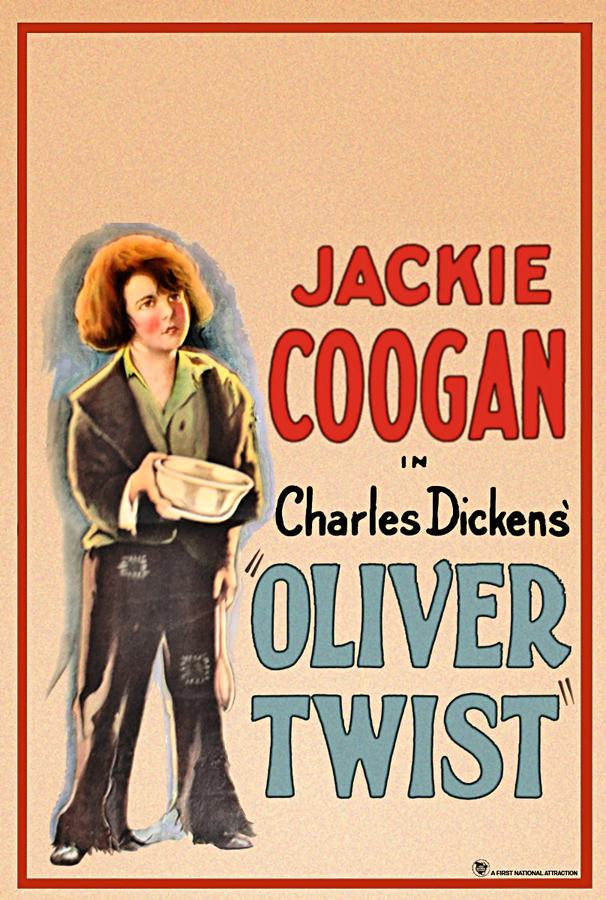
Frank Lloyd slipped into movies the way someone else might duck into a doorway to escape a storm—quietly, without flourish, yet once inside he reshaped the architecture of the place. Born in Glasgow and raised on the sawdust of London music halls, he first earned applause by mimicking Harry Lauder’s comic swagger. When the novelty dimmed, he crossed the Atlantic in 1909, rode the Canadian prairies with C.P. Walker’s theatrical caravan, and, between one-night stands, climbed telegraph poles to splice frozen wires. In Edmonton he wooed and wed Alma Haller, a German-American soubrette whose sparkle matched his own restless energy. By 1913 he had talked Universal into an acting contract, but two years of scathing reviews convinced him the camera would rather look through him than at him. He stepped behind it instead and never looked back. Between 1917 and 1919 he made fifteen pictures for Fox—buckskin sagas drawn from Zane Grey, Dickensian laments, and swaggering swordplay—shooting so fast that William Farnum once joked Lloyd could finish a scene before the leading man finished a sandwich. Goldwyn borrowed him, then First National claimed him for the 1920s, handing him velvet-coated histories and pirate galleons. Jackie Coogan’s Oliver Twist gazed up at Lon Chaney’s Fagin under Lloyd’s watch; Milton Sills hoisted the Jolly Roger in The Sea Hawk. The Academy, still in its infancy, handed him its second-ever directing statuette for The Divine Lady in 1929. The 1930s became his golden mile. Cavalcade traced an English family through three decades of trumpet calls and heartbreak, earned him another Oscar, and turned a million-dollar gamble into a five-million-dollar bonanza. Berkeley Square sent Leslie Howard time-traveling to the 18th century on a whisper rather than a roar, prompting the New York Times to call the film “delicacy and restraint incarnate.” At MGM he marshaled Clark Gable and Charles Laughton across the storm-lashed deck of the Bounty; the picture seized Best Picture of 1935 and locked Lloyd’s reputation for taming tempests without losing the human pulse. He followed with Foreign Legion bugles in Under Two Flags, stagecoaches thundering through Wells Fargo, and Ronald Colman’s poet-scoundrel defying Basil Rathbone’s Louis XI in If I Were King. War interrupted. As a major commanding the 13th Air Force Combat Camera Unit, Lloyd traded soundstages for South-Pacific jungles, trading pageantry for raw documentary truth and earning the Legion of Merit. When the guns fell silent he retreated to his ranch in Carmel Valley, content to let the hills outrun the horizon. The death of Alma drew him back once more; Republic’s The Last Command re-staged the Alamo’s last stand and gave his own career a cannon-shot farewell in 1955. Today his name glimmers on Hollywood Boulevard, set in terrazzo, a modest star for a man who proved that controlled fire, not fireworks, lights up the screen longest.
Filmography
Written (4)