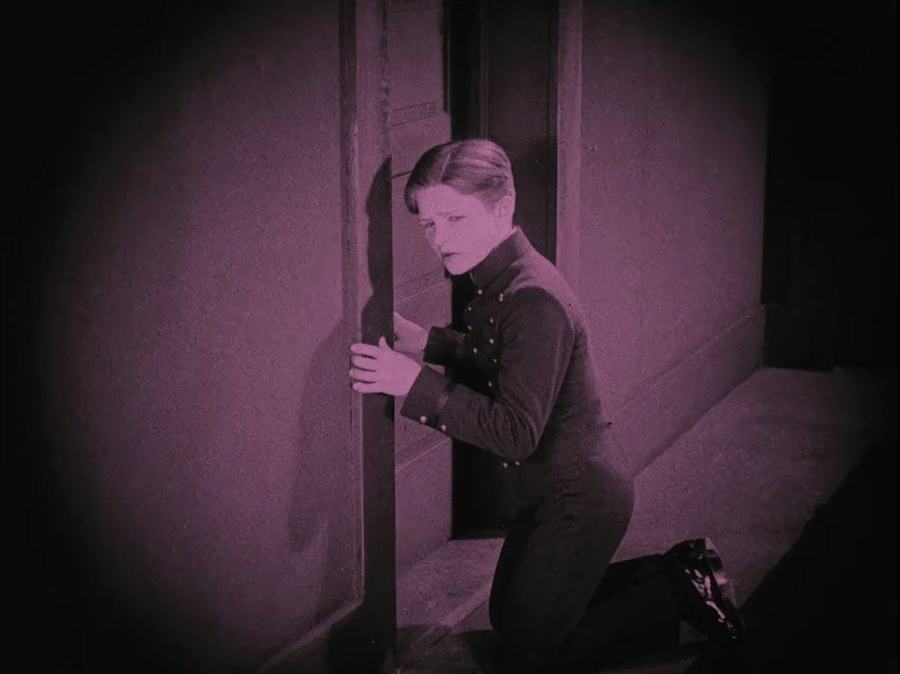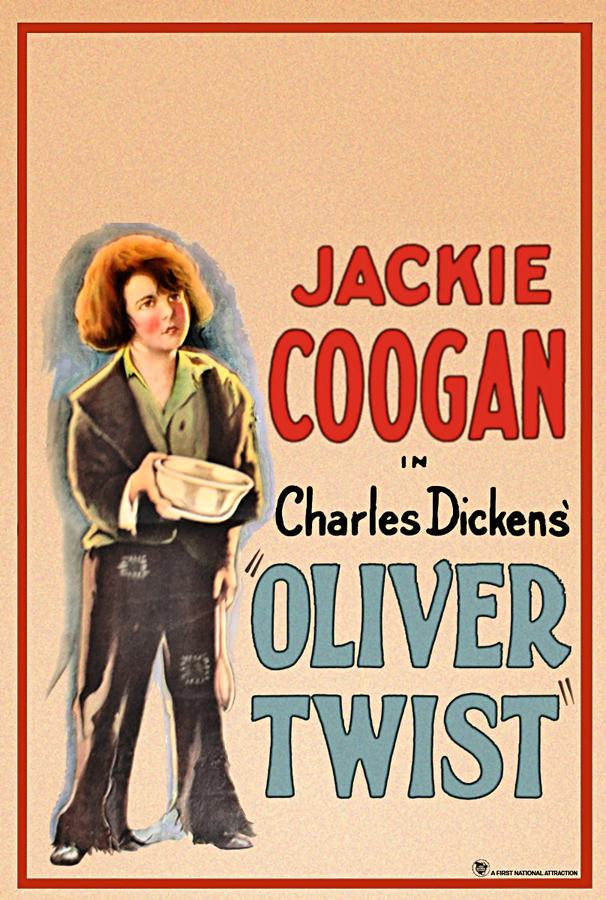
An orphan named Oliver Twist meets a pickpocket on the streets of London. From there, he joins a household of boys who are trained to steal for their master.
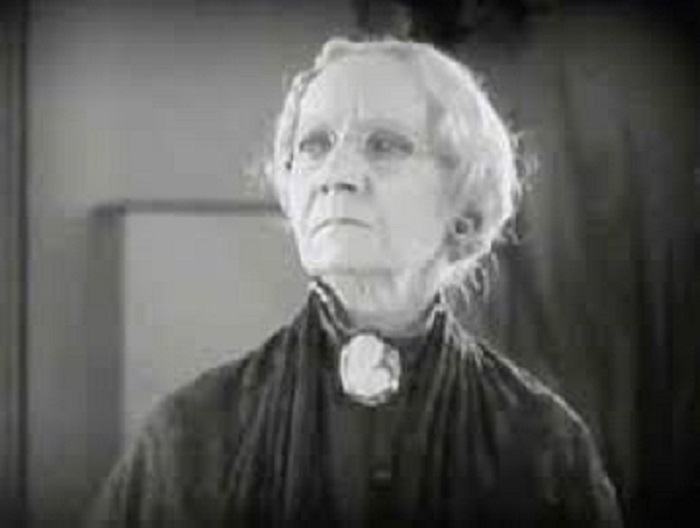
The first image is a spoon hovering above an empty bowl—an emblem, perhaps, of every withheld mercy in the Victorian cosmos. Frank Lloyd’s Oliver Twist (1922) opens on that spoon, then smash-cuts to the cavernous parish hall where dozens of boys tilt their gazes upward like parish saints starved into sainthood. In 19...
production_art

production_art
behind_the_scenes

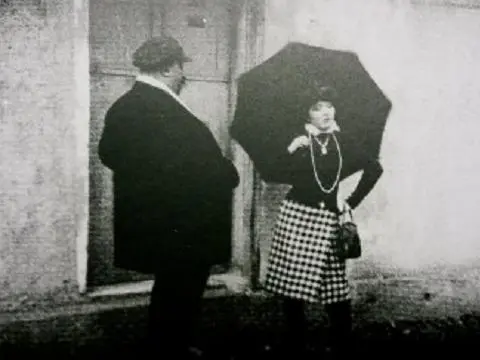
still_frame
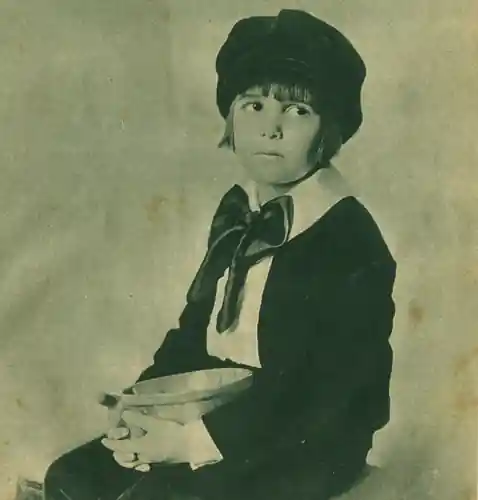
still_frame

product
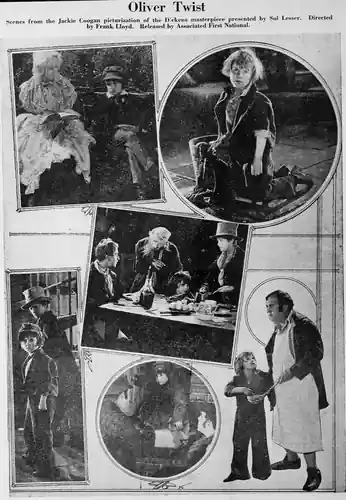
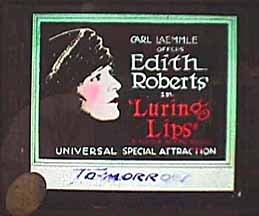
publicity
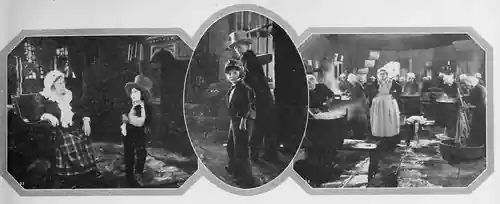
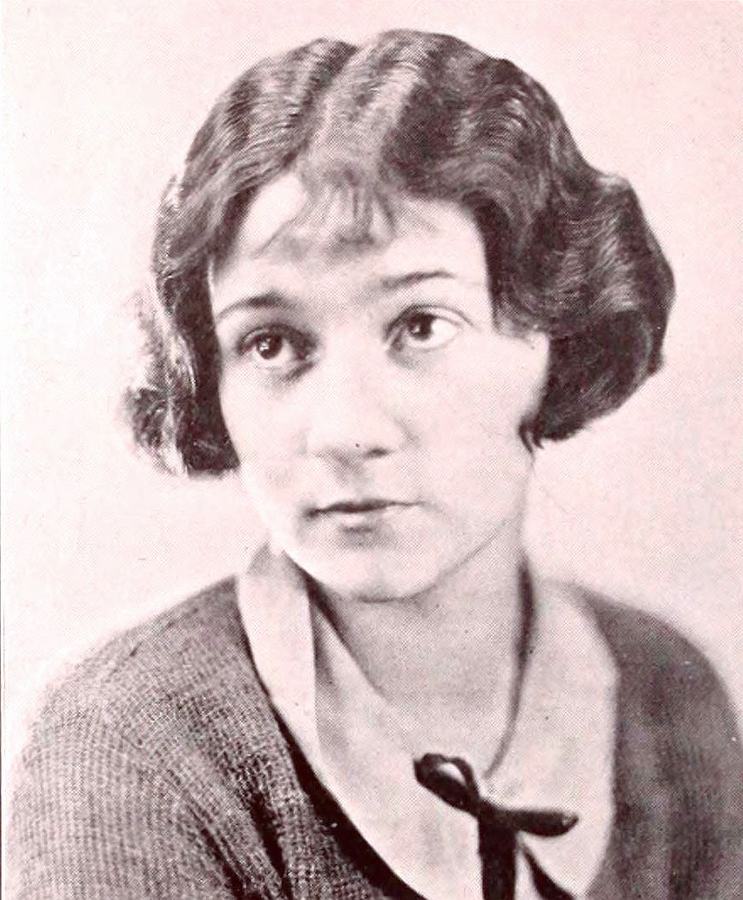
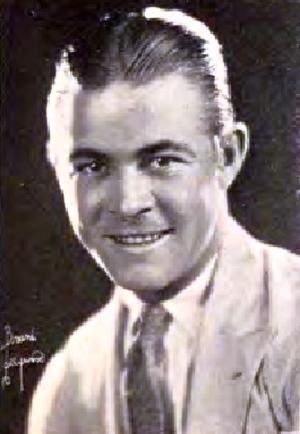
publicity
Comparing the cinematic DNA and archive impact of two defining moments in cult history.
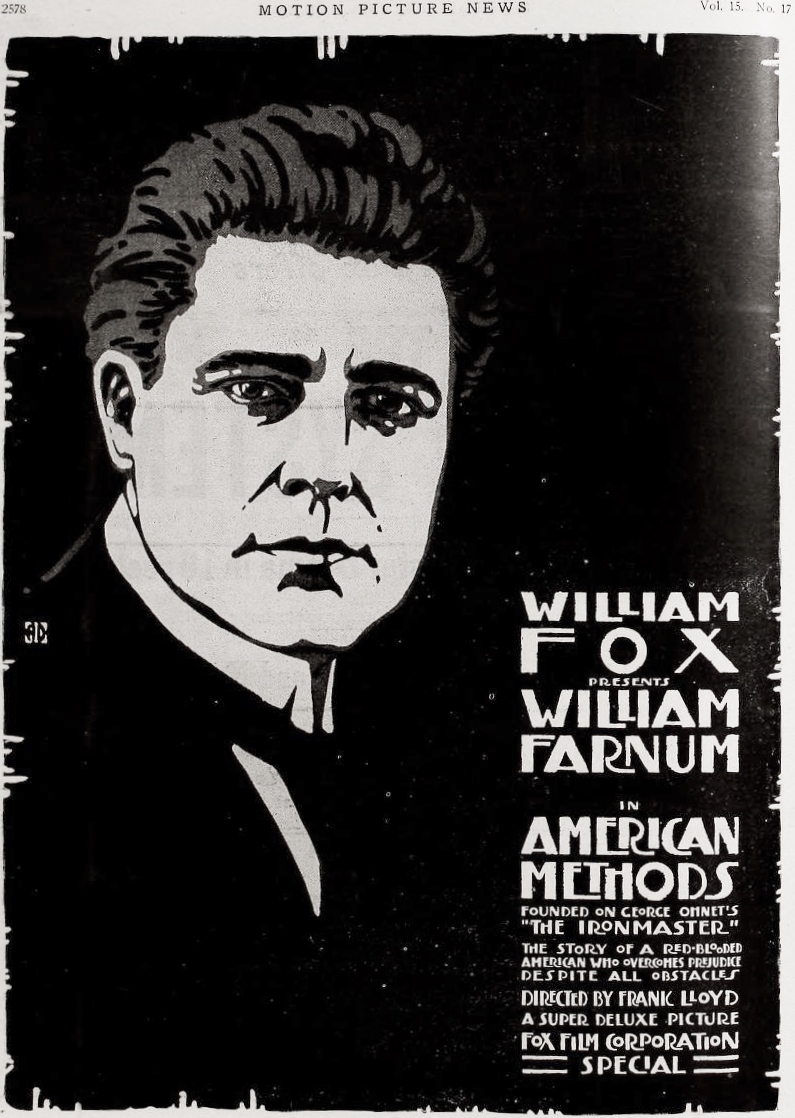
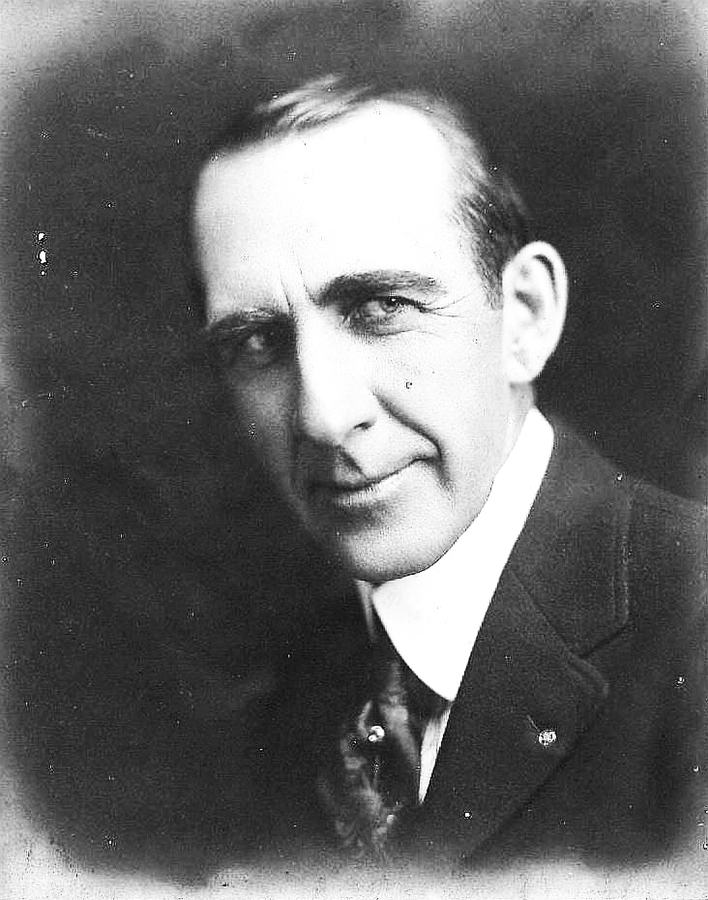
Frank Lloyd
Frank Lloyd
Community
Log in to comment.
" The first image is a spoon hovering above an empty bowl—an emblem, perhaps, of every withheld mercy in the Victorian cosmos. Frank Lloyd’s Oliver Twist (1922) opens on that spoon, then smash-cuts to the cavernous parish hall where dozens of boys tilt their gazes upward like parish saints starved into sainthood. In 1922 audiences gasped; today, in an era desensitized to digital carnage, the moment still scalds because it is not spectacle but appetite—an appetite the film will spend eighty-two m..."
Charles Dickens, Frank Lloyd, Walter Anthony, Harry Weil
United States