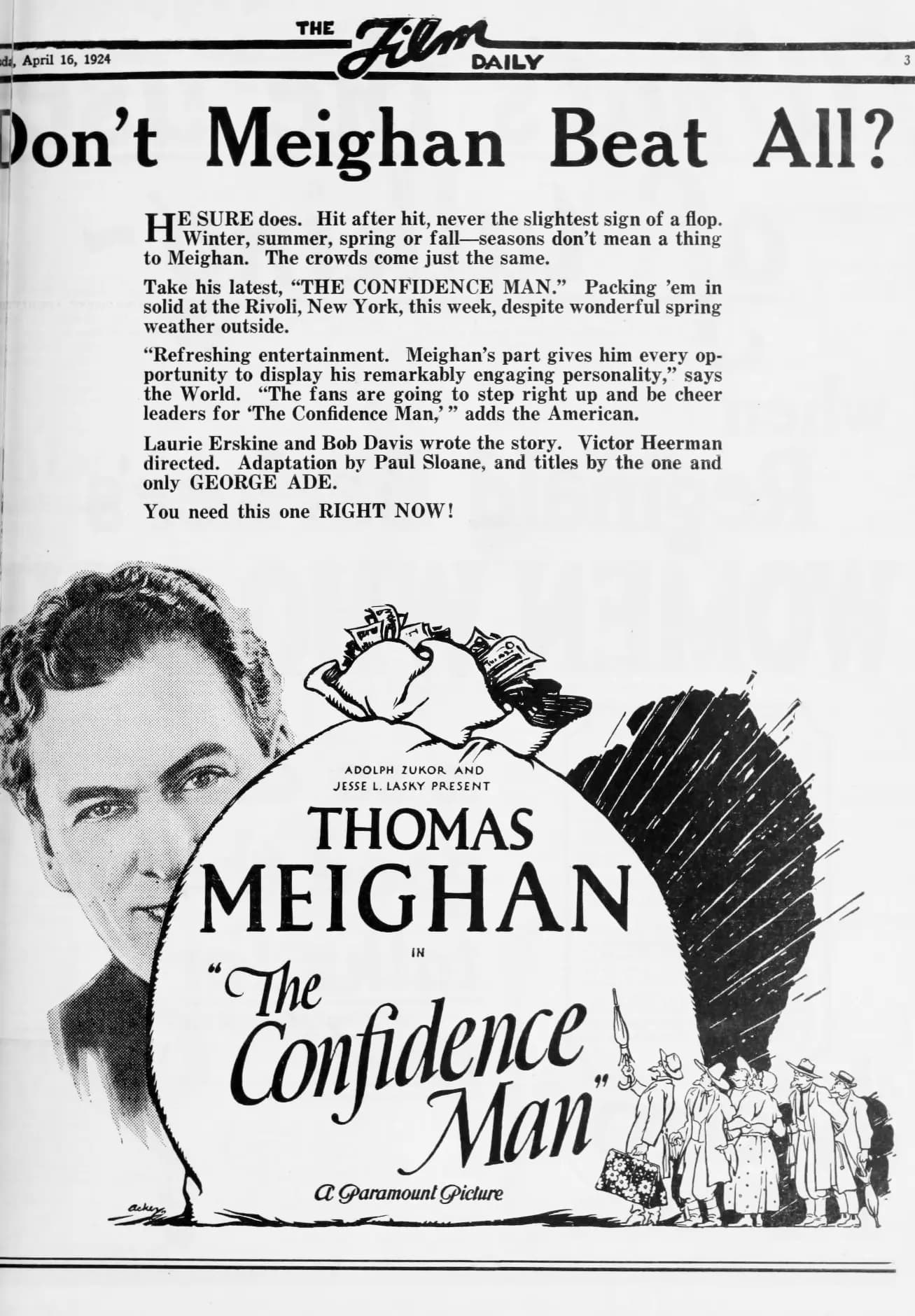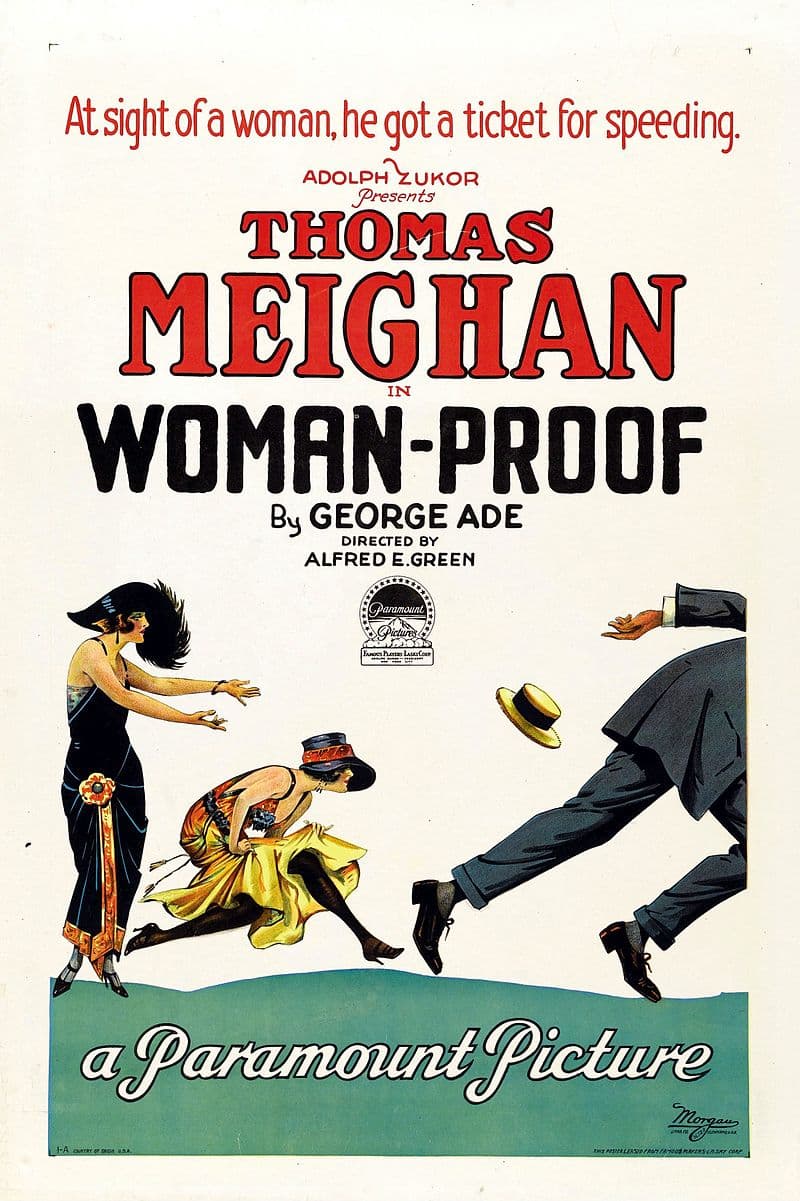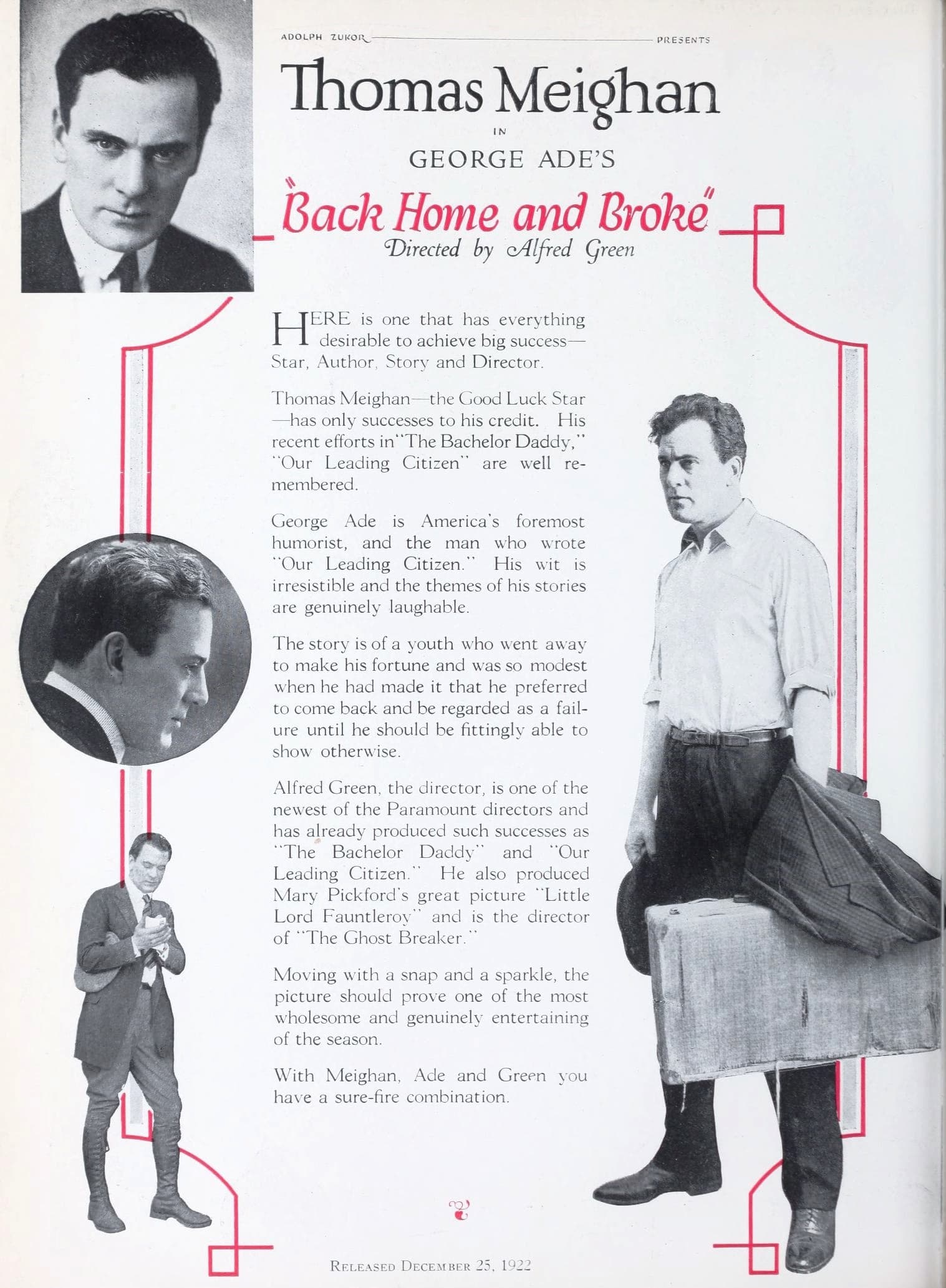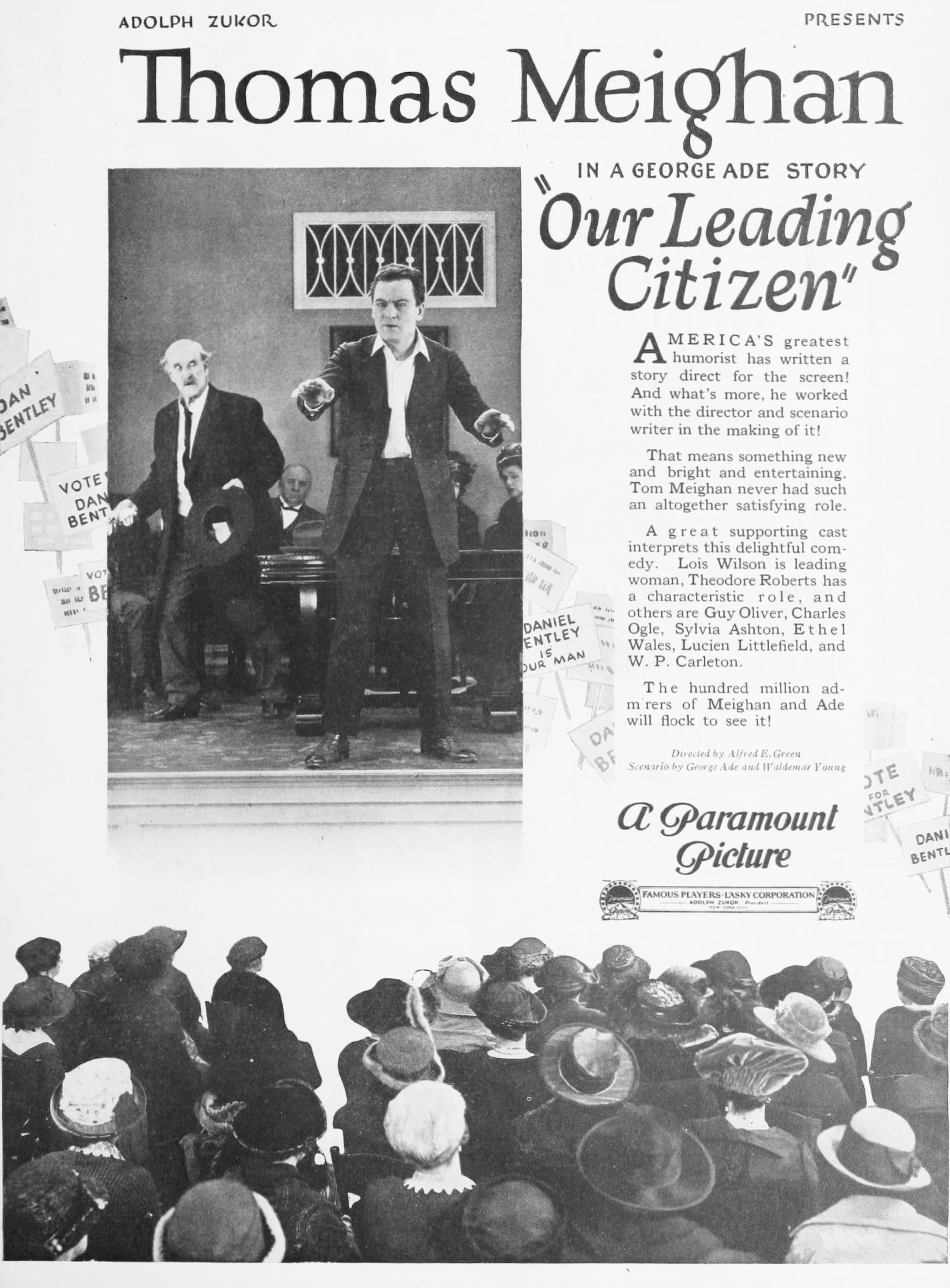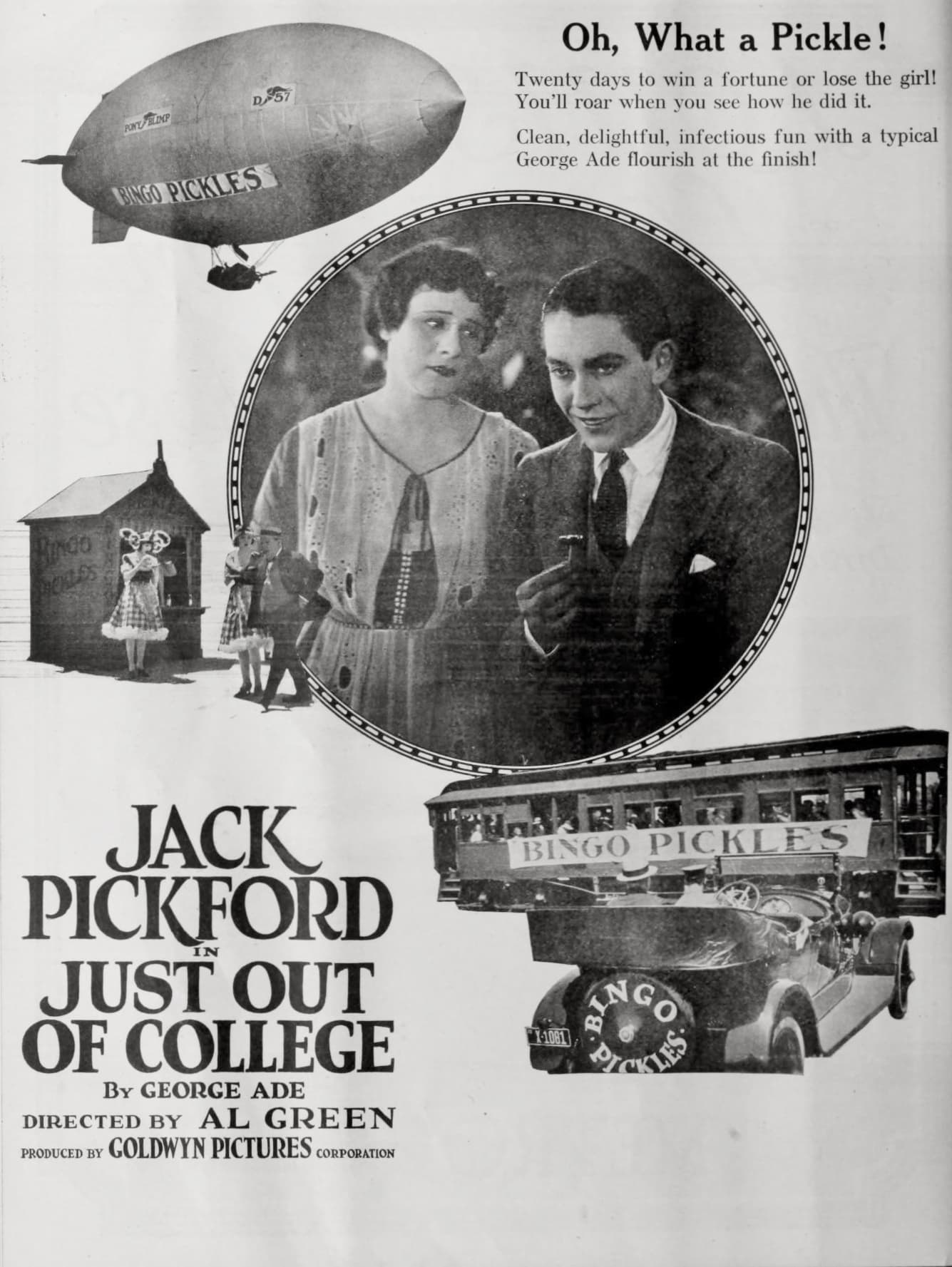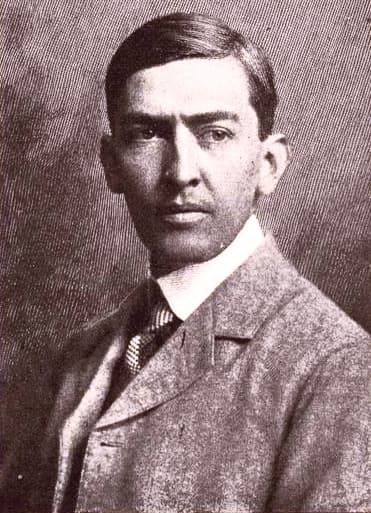
George Ade
director, special_effects, writer
- Born:
- 1866-02-07, Kentland, Indiana, USA
- Died:
- 1944-05-16, Brook, Indiana, USA
- Professions:
- director, special_effects, writer
Biography
George Ade never really left Kentland, Indiana, even after the rest of the world invited him in. Born there in 1866 as the fourth chord in a seven-note family, he carried the flat prairie twang in his speech the way other men carried gold watches—pulled out for inspection whenever Chicago sophisticates needed reminding that a Hoosier can outwit them without dropping the “g” in “saying.” At Purdue he swapped stories with fellow Sigma Chi John T. McCutcheon, drew a reporter’s wage from the Lafayette Call, and learned that ink could be louder than a locomotive. 1890 found both pals hired by the Chicago Morning News, soon rechristened the Chicago Record. Ade’s new column, “Stories of the Streets and of the Town,” let McCutcheon’s pen chase Ade’s sentences across the page: Artie the office boy, Doc Horne the courteous fibber, Pink Marsh the philosophic bootblack—each a shard of city life, trimmed in Midwestern sunlight and served up daily. Between the paragraphs, “Fables in Slang” first poked their heads up like smart-aleck dandelions. While farm kids were trading overalls for tram tickets, Ade became the unofficial secretary of the exodus, recording the blush and bruise of urban newcomers. He stalked the same realism as William Dean Howells but wore it like a straw boater—tilted, amused, ready to duck satire at any social climber who waddled past. His little-man protagonists—grain-battered farmers, nickel-counting clerks, wives dizzy with pretension—step straight off the platform and into comic immortality, speaking the raw American sound of the street instead of dictionary English. “Fables in Slang” (1899) never preached; it simply let the evidence giggle. Ade lined up facts like tin soldiers, then watched them march over a cliff of vanity or greed, tacking on a mock-moral—“Industry and perseverance bring a sure reward”—that whistles with irony. Twain had shown him the trick; Ade Midwesternized it, turning every barbershop philosopher into Aesop with a cigar. Stage lights came next. Between 1902 and 1914 he sent Broadway a bouquet of hits: “Artie,” the tropical romp “The Sultan of Sulu,” campus romp “The College Widow,” “The Fair Co-ed,” and “The County Chairman,” the first U.S. play to snap a football across the footlights. Audiences laughed; investors cashed checks; Ade bankrolled a future. Twelve Chicago winters were enough. Back home in Newton County he built a white-pillared manor near Brook where politics paraded: Taft shook hands in 1908, Teddy Roosevelt’s Bull Moosers thundered in 1912, doughboys danced home in 1919. The house became the heart of Indiana for anyone who could spare a whistle-stop. Royalties rolled in like harvest grain. By World War I Ade was a paper millionaire, but the money never sat still. He and David E. Ross underwrote Purdue’s Ross-Ade Stadium, endowing autumn Saturdays with roars. Sigma Chi received the mother of all gifts—the endowed home at Miami University—and, in 1929, Ade’s handwritten Creed still recited by brothers in navy blazers and hopeful grins. The Depression dimmed the laughter; radio and war crowded the stage. Yet every modern sitcom that traps a social wannabe, every film that lets the small-town wit outfox the city slicker, borrows a nickel from Ade’s treasury. He set out to make America laugh, and the joke—delivered in a nasal Indiana drawl—has not yet reached its punch line.
Filmography
Written (5)