George L. Du Maurier
writer
- Birth name:
- George Louis Palmella Busson du Maurier
- Born:
- 1834-03-06, Paris, France
- Died:
- 1896-10-08, London, England, UK
- Professions:
- writer
Biography
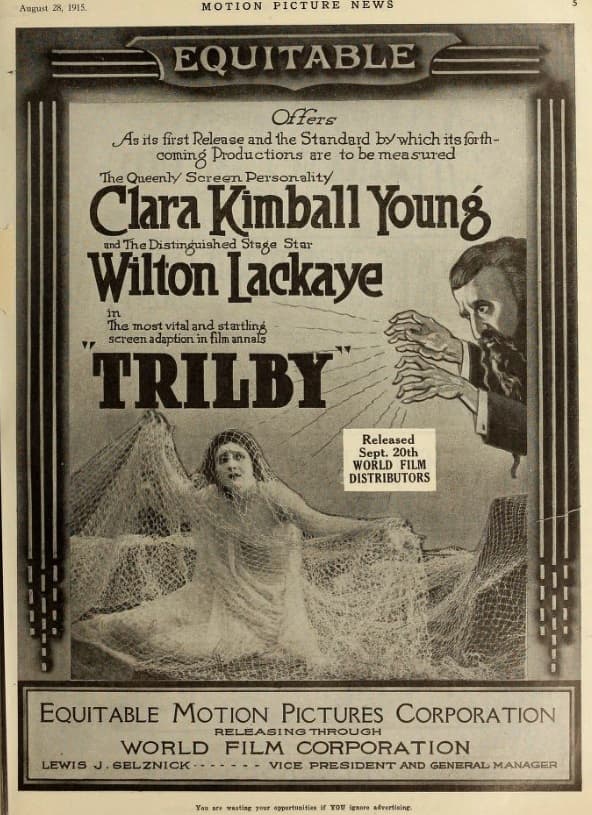
George Louis Palmella Busson du Maurier arrived in the world on 6 March 1834, in a Paris still echoing with the aftershocks of revolution. His cradle was rocked by scandal—his maternal grandmother, Mary Anne Clarke, had once sold secrets between the Regency’s silk sheets—yet young George seemed destined for the quiet rebellion of ink and graphite. After grinding charcoal and copying Old Masters in the Paris ateliers, he chased better light north to Antwerp, then drifted down the Rhine to Düsseldorf, where he sketched cathedral spires and, more fatefully, the quick-eyed Emma Wightwick. The courtship resembled one of his later Punch cartoons: two continents, three countries, and a stubborn English girl who finally let the Franco-British artist follow her to fog-bound London. They married in 1863; five children followed, the last a boy named Gerald who would grow up to charm West-End audiences. By night Du Maurier translated London’s drawing-room gossip into rapier-sharp caricatures for Punch; by day he hoarded images of bohemian Paris for a novel that exploded into print in 1894. “Trilby” flung the hypnotic Jew Svengali and the soft-footed heroine across the globe, spawning trilby hats, trunk-loads of merchandise, and a mania for mass-marketed bohemia. The success arrived too late for comfort: a slow blindness had begun to curtain his eyesight, and on 8 October 1896, aged sixty-two, he closed those eyes for good. He left behind more than memories of wicked sketches and best-selling prose: his son Gerald took to the stage, his daughter Sylvia’s five Llewelyn Davies boys leapt into J. M. Barrie’s Neverland, and his granddaughter Daphne conjured Cornwall’s restless mists into modern classics. Ink, it seems, ran thicker than blood in the du Maurier veins.