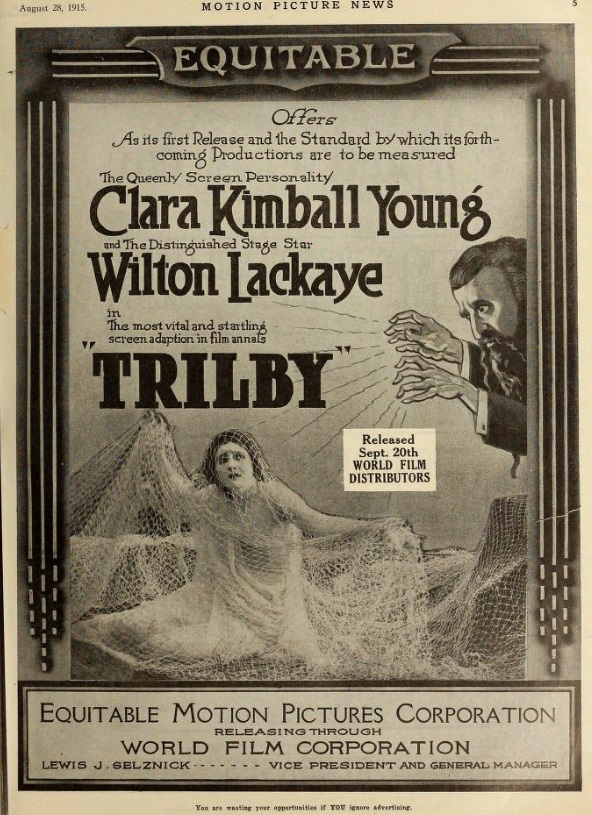
A hypnotic Svengali controls the singing voice of a young starlet, but he cannot control her heart..
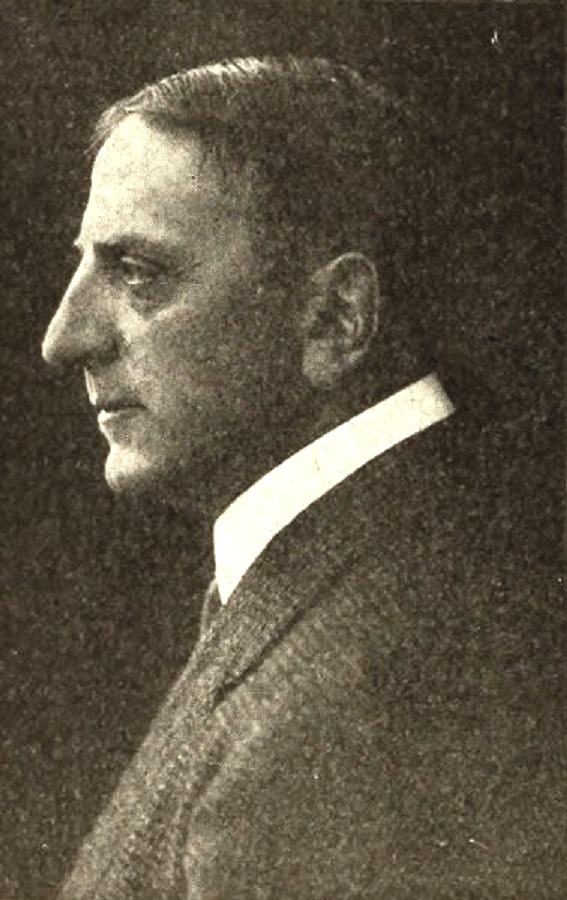
George L. Du Maurier, E. Magnus Ingleton, Paul M. Potter
United States
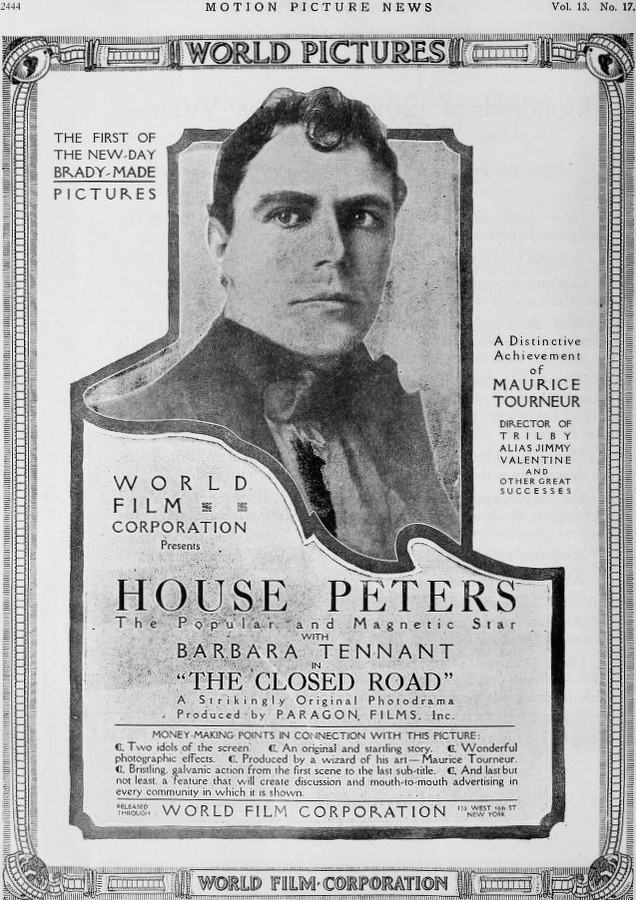
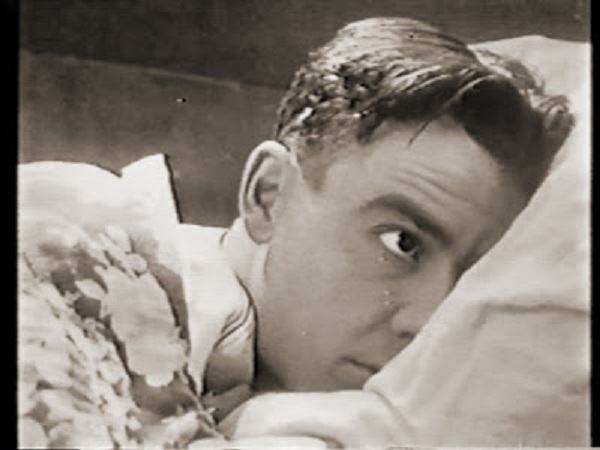
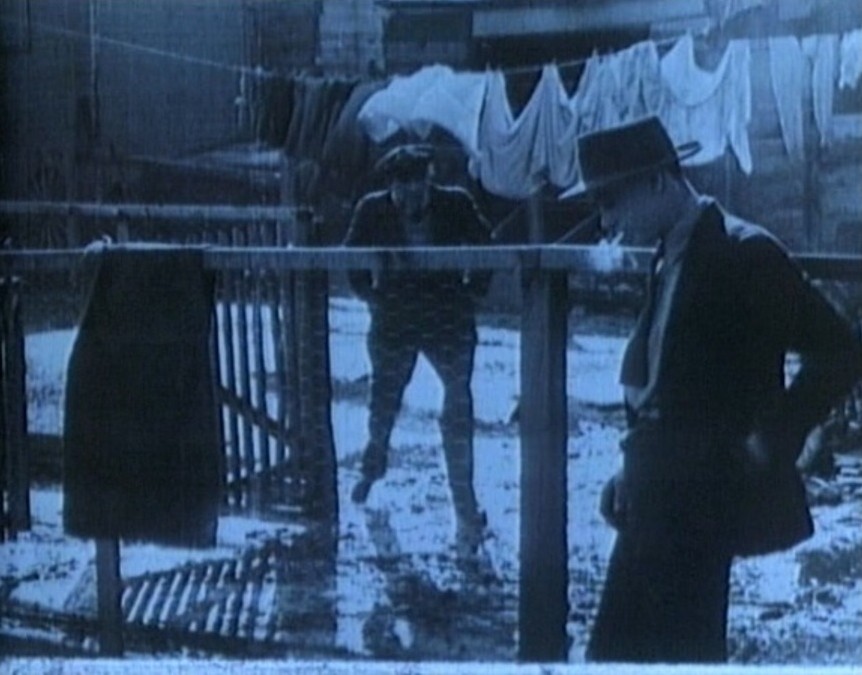
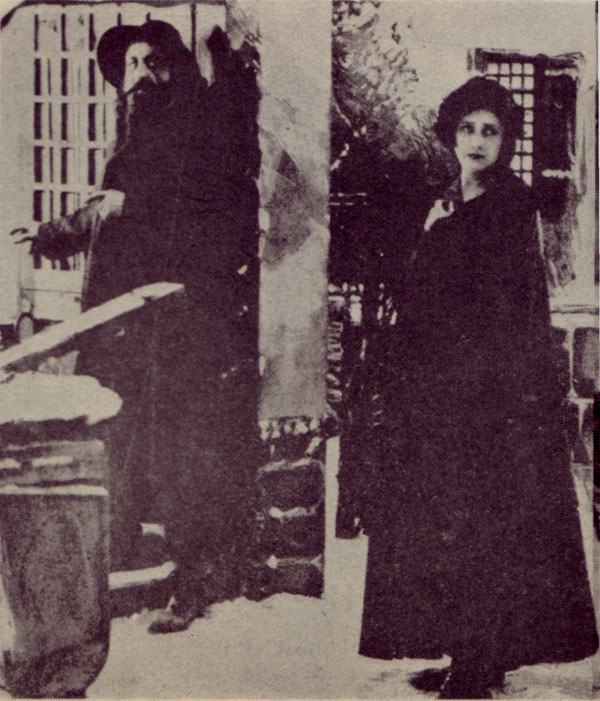
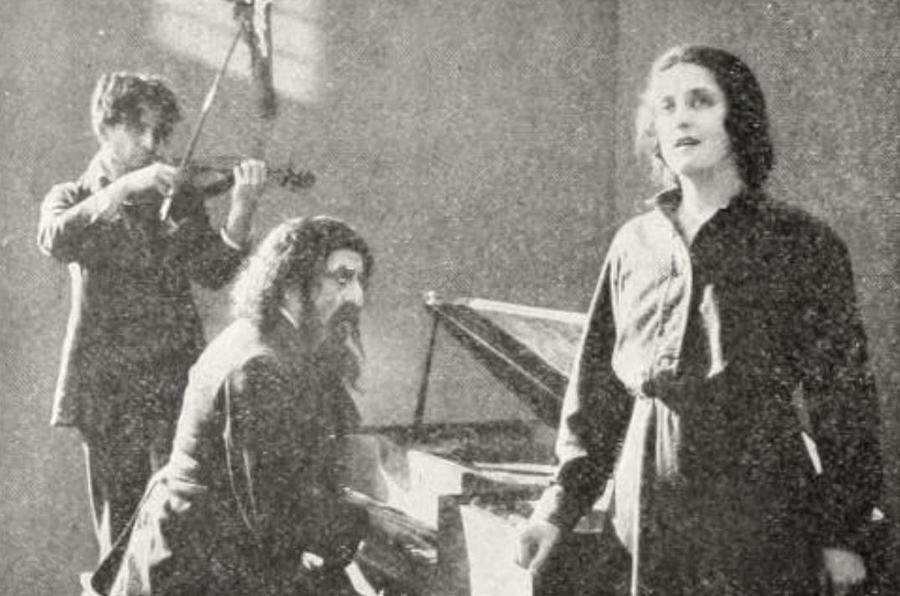
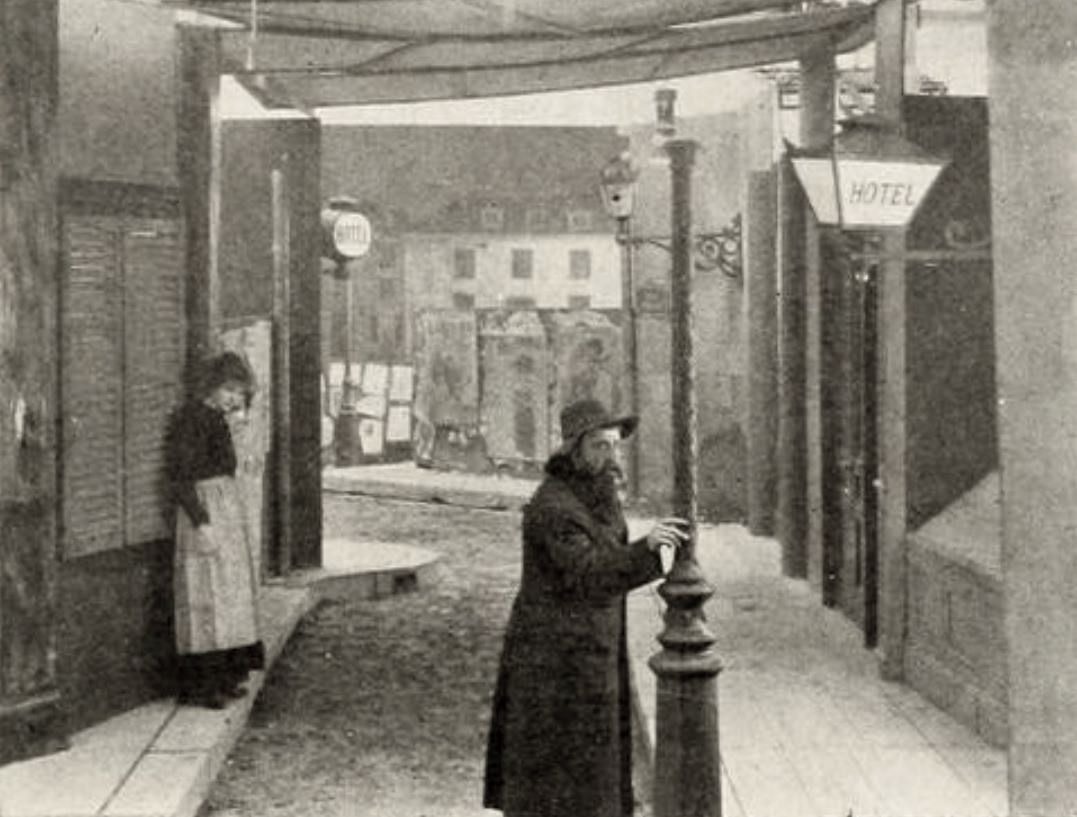
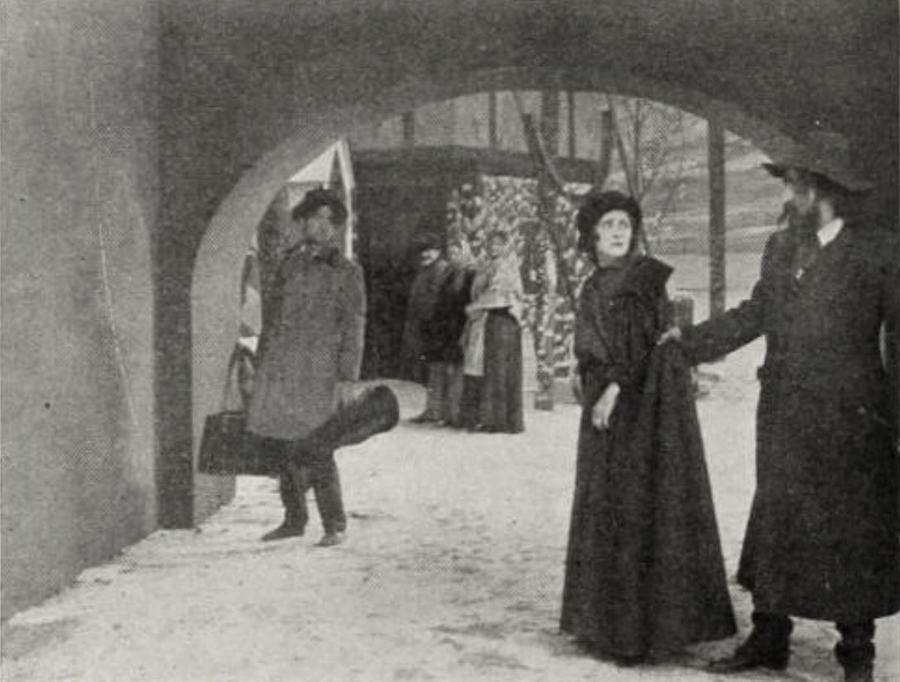
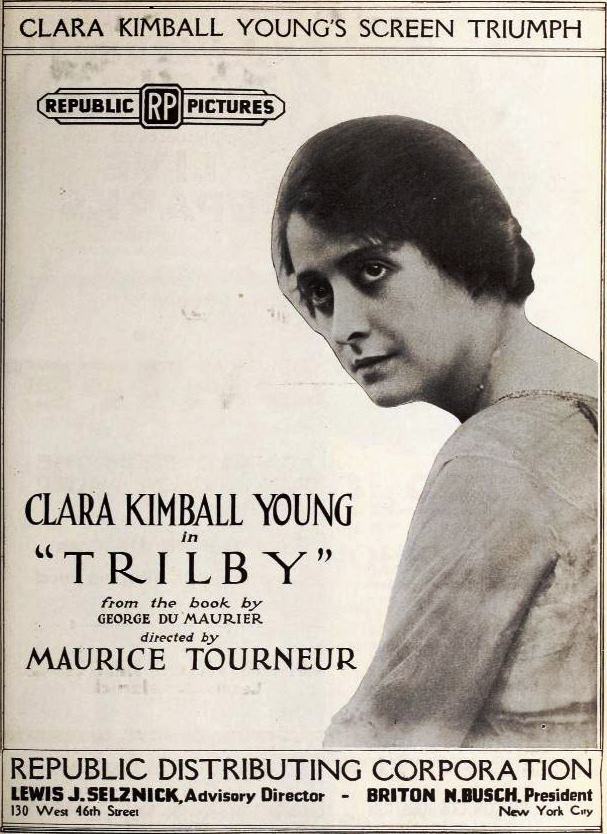
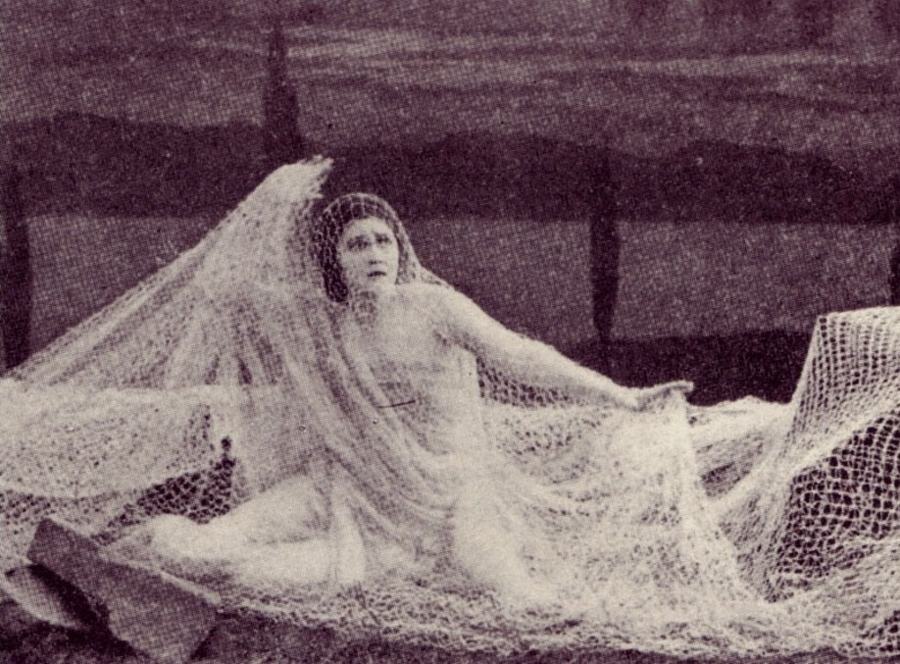
Paris, 1915. The city bleeds sepia through every perforation of this 35-mm artifact, and already the camera stalks its prey like a velvet-jacketed predator. Maurice Tourneur—still high on the ether of pictorialist photography—composes each tableau as if Caravaggio had suddenly been handed a crank camera. Shadows gouge...
still_frame
still_frame
still_frame
still_frame
production_art
still_frame
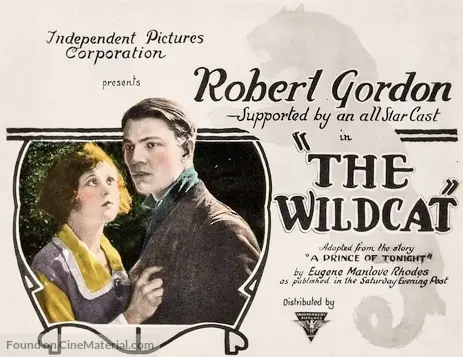
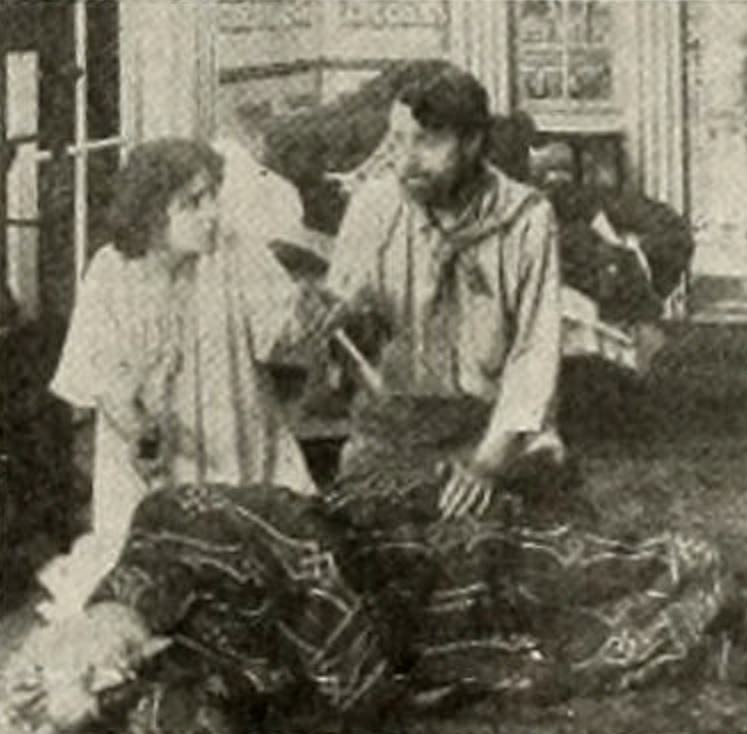
Comparing the cinematic DNA and archive impact of two defining moments in cult history.
Maurice Tourneur
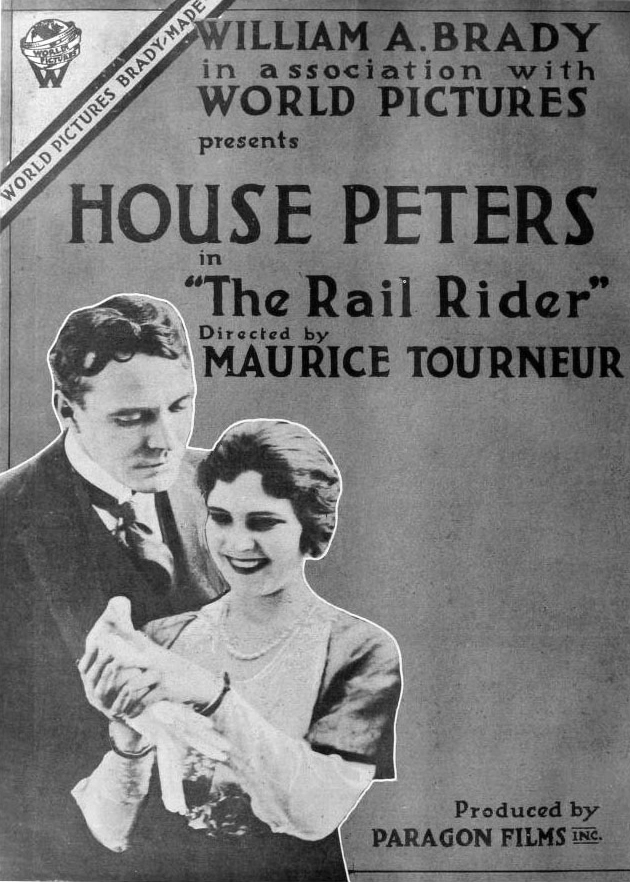
Maurice Tourneur
Community
Log in to comment.
" Paris, 1915. The city bleeds sepia through every perforation of this 35-mm artifact, and already the camera stalks its prey like a velvet-jacketed predator. Maurice Tourneur—still high on the ether of pictorialist photography—composes each tableau as if Caravaggio had suddenly been handed a crank camera. Shadows gouge the foreground; a single klieg lamp crowns Trilby’s curls with a halo that looks suspiciously like a noose. The effect is not merely atmospheric; it is epistemological. We are ask..."