

Jack London
actor, writer
- Birth name:
- John Griffith Chaney
- Born:
- 1876-01-12, San Francisco, California, USA
- Died:
- 1916-11-22, Glen Ellen, California, USA
- Professions:
- actor, writer
Biography
A literary titan of his era, Jack London commanded the American literary scene as its best-selling, highest-paid, and most popular author. Born John Griffith Chaney on January 12, 1876, in San Francisco, he was raised by his mother, Flora Wellman, and his stepfather, John London, only learning his biological father's identity in adulthood. His childhood was marked by grueling labor; after completing grammar school, he toiled 12 to 18 hours daily in a cannery. A unique bond existed between him and his Black foster mother, Virginia (Jenny) Prentiss, who lent him funds in 1891 to purchase a sloop, launching his brief career as an oyster pirate. Within months, he transitioned to the California Fish Patrol. In 1893, he embarked on a sealing schooner voyage to Japan, an experience that inspired his inaugural published story, "Typhoon off the Coast of Japan," which appeared in November of that year. Still jobless, he embraced the life of a tramp, traversing the country as a hobo. This period culminated in his 1894 arrest for vagrancy, leading to a month in jail where he witnessed what he described as "awful abysses of human degradation." These early, traumatizing experiences fueled a lifelong drive to outrun and erase their memories. London pursued self-education at the Oakland Public Library, immersing himself in the works of authors like Gustave Flaubert and Lev Tolstoy. In 1896, he gained admission to the University of California but was compelled to withdraw after a year due to financial constraints. The year 1897 saw him venturing into the Canadian Yukon, joining the Klondike Gold Rush. There, he endured the harsh realities of frontier life, battling severe frostbite, scurvy, malaria, and dysentery, which left his health permanently compromised. These profound struggles for survival directly inspired "To Build a Fire" (1902), widely regarded as his finest short story. Writing became his chosen escape from poverty, a means, as he put it, to "sell his brains." His first marriage, to Bess Maddern, was founded on friendship rather than love and dissolved after three years, leaving her with two daughters. His second union, with editor Charmian Kittredge, endured until his death. His literary breakthrough arrived with "The Call of the Wild" (1903), his most significant success. "The Sea-Wolf" (1904) made history as the subject of the first full-length American movie adaptation. Subsequent works included "The Iron Heel" (1908), a chillingly prescient vision of an Orwellian future, and the autobiographical "Martin Eden" (1909). Despite earning over $2 million, an astronomical sum for his time, London consistently faced financial difficulties. In 1905, he acquired a ranch in California, where he pioneered the state's first concrete silo. His literary output often served to fund his agricultural ambitions; he once expressed that he would write a book solely to expand his magnificent estate by hundreds of acres. His forward-thinking ecological practices and efforts to integrate Asian sustainable agriculture concepts were remarkably ahead of their time. In 1913, his grand "Big House" was tragically consumed by fire, a calamity that inflicted both financial and emotional wounds. He subsequently built a modest cottage and formulated ambitious new plans, but lived only three more years. Today, his 1400-acre ranch stands as the Jack London State Historic Park, a National Historic Landmark. His writer's cottage was meticulously preserved by Charmian, who resided there until her passing in 1955. London's evolving philosophies and perspectives were frequently misinterpreted as he matured beyond his early convictions. He once found immense intellectual stimulation in Friedrich Nietzsche, only to later reject Nietzsche's "superman" theory, declaring himself Nietzsche's "intellectual enemy." His complex philosophical framework also drew from the insights of Carl Jung. Other significant influences spanned from Rudyard Kipling and Robert Louis Stevenson to Charles Darwin, Aldous Huxley, and Karl Marx. While his work "The Mexican" conveyed sympathy for the Mexican revolution, his reporting from Mexico in 1914 revealed a different perspective. By age 40, somewhat disillusioned, he withdrew from the Socialist party and various clubs. His final years were marked by extreme pain stemming from complications of kidney failure; uremia is recorded as the cause on his death certificate. In accordance with his will, he was laid to rest at his ranch, with the specific request to "roll over me a red boulder from the ruins of the Big House."
Filmography
Written (11)
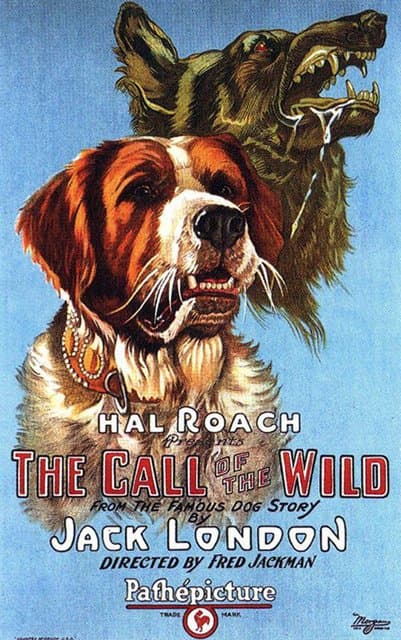
Call of the Wild
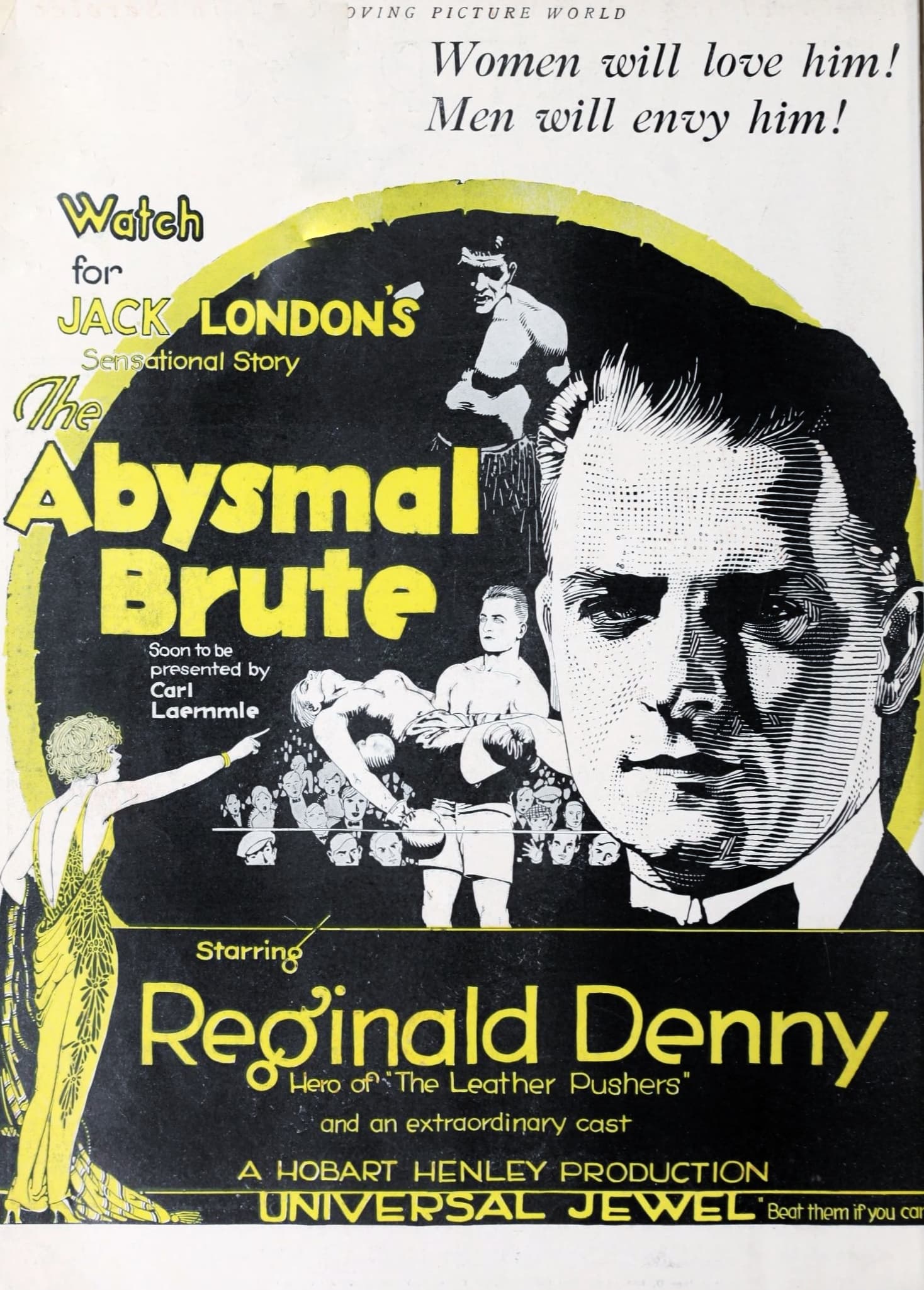
The Abysmal Brute
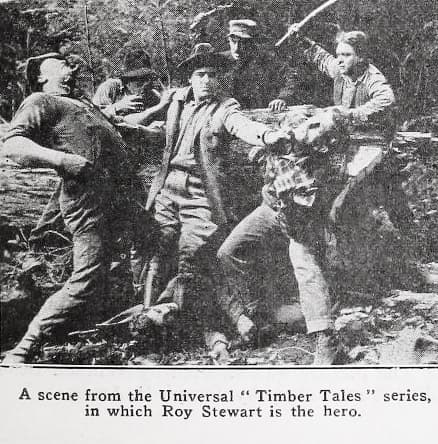
Giants of the Open
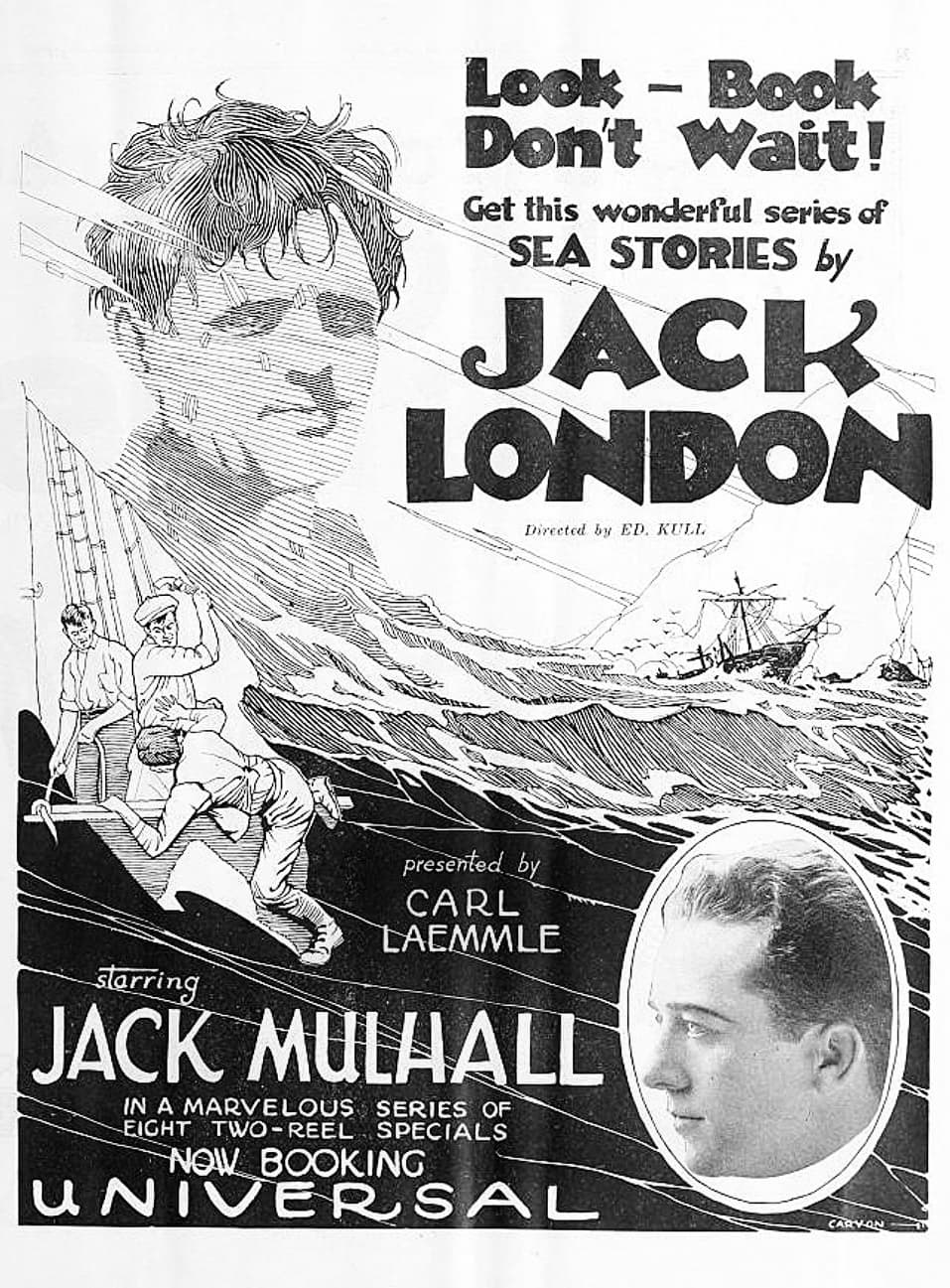
Pirates of the Deep
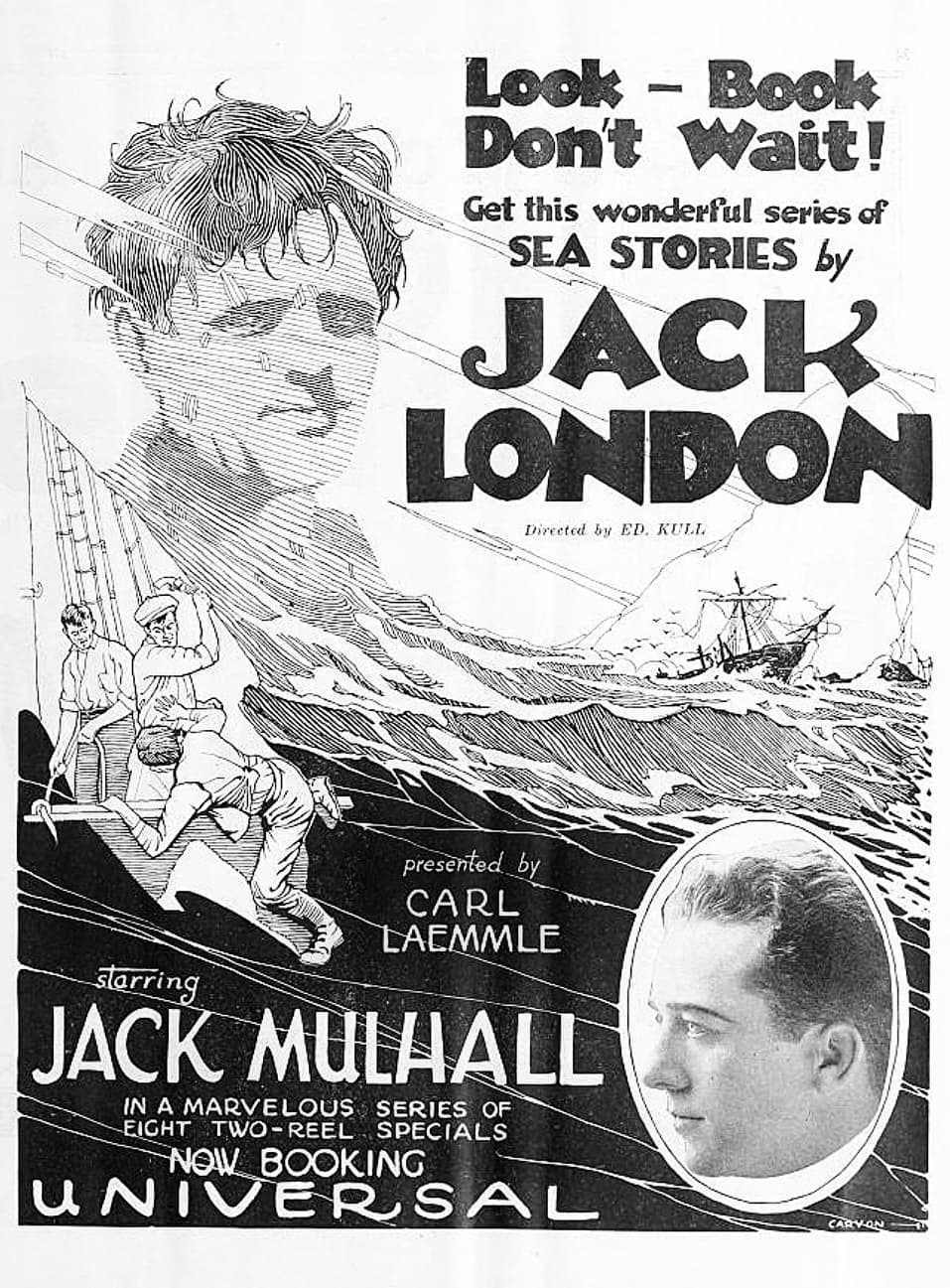
The Channel Raiders
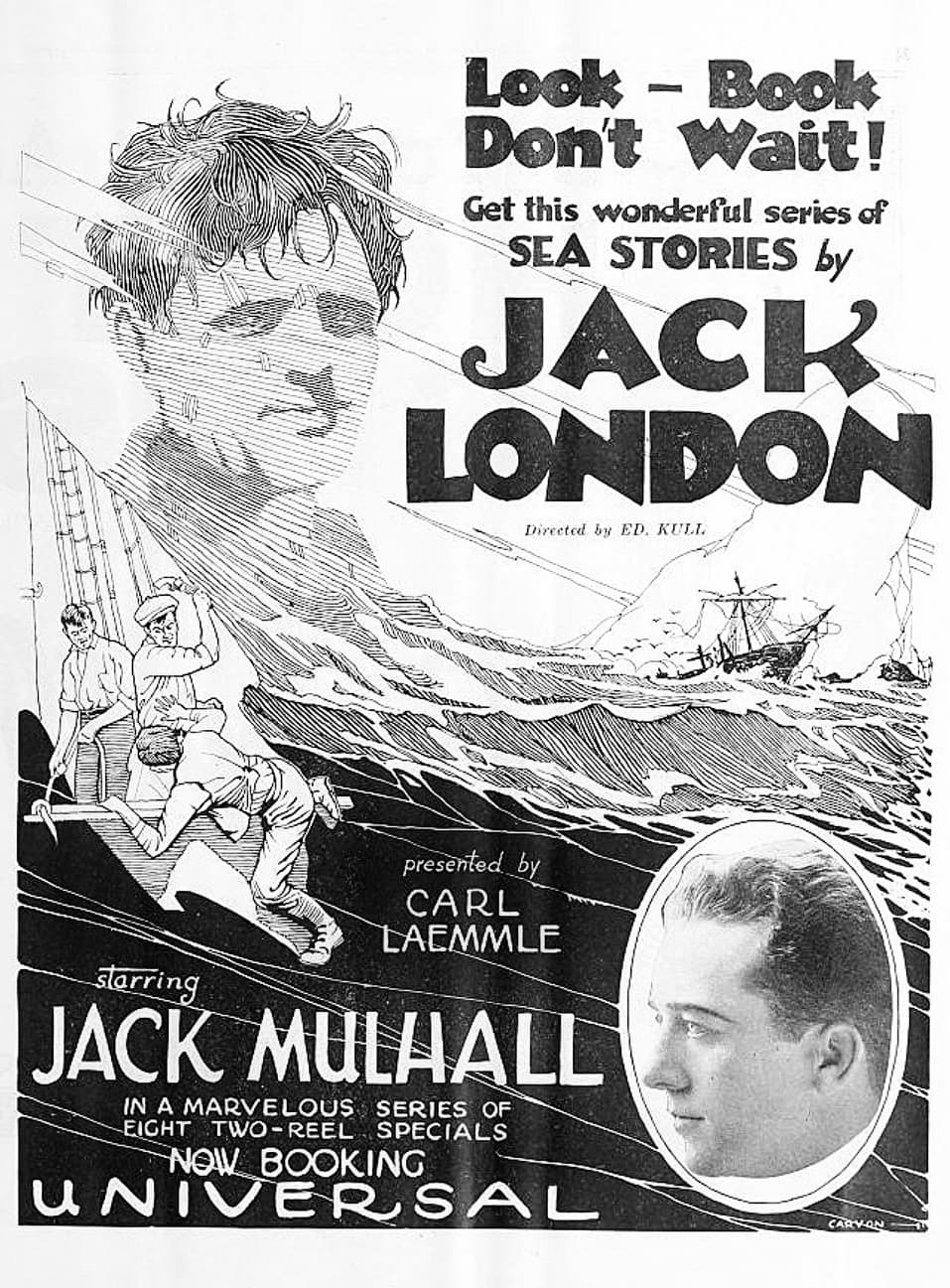
The Law of the Sea
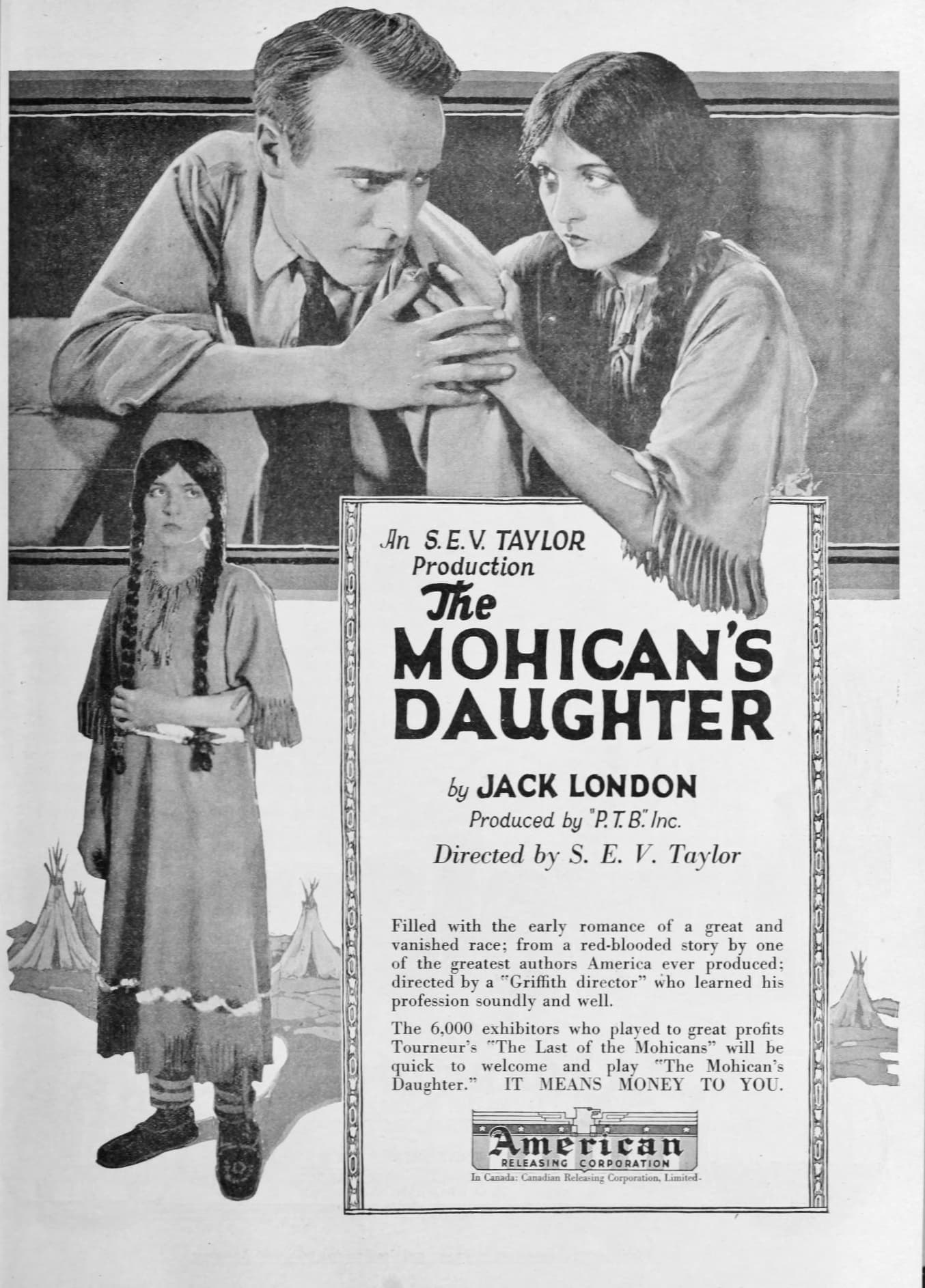
The Mohican's Daughter
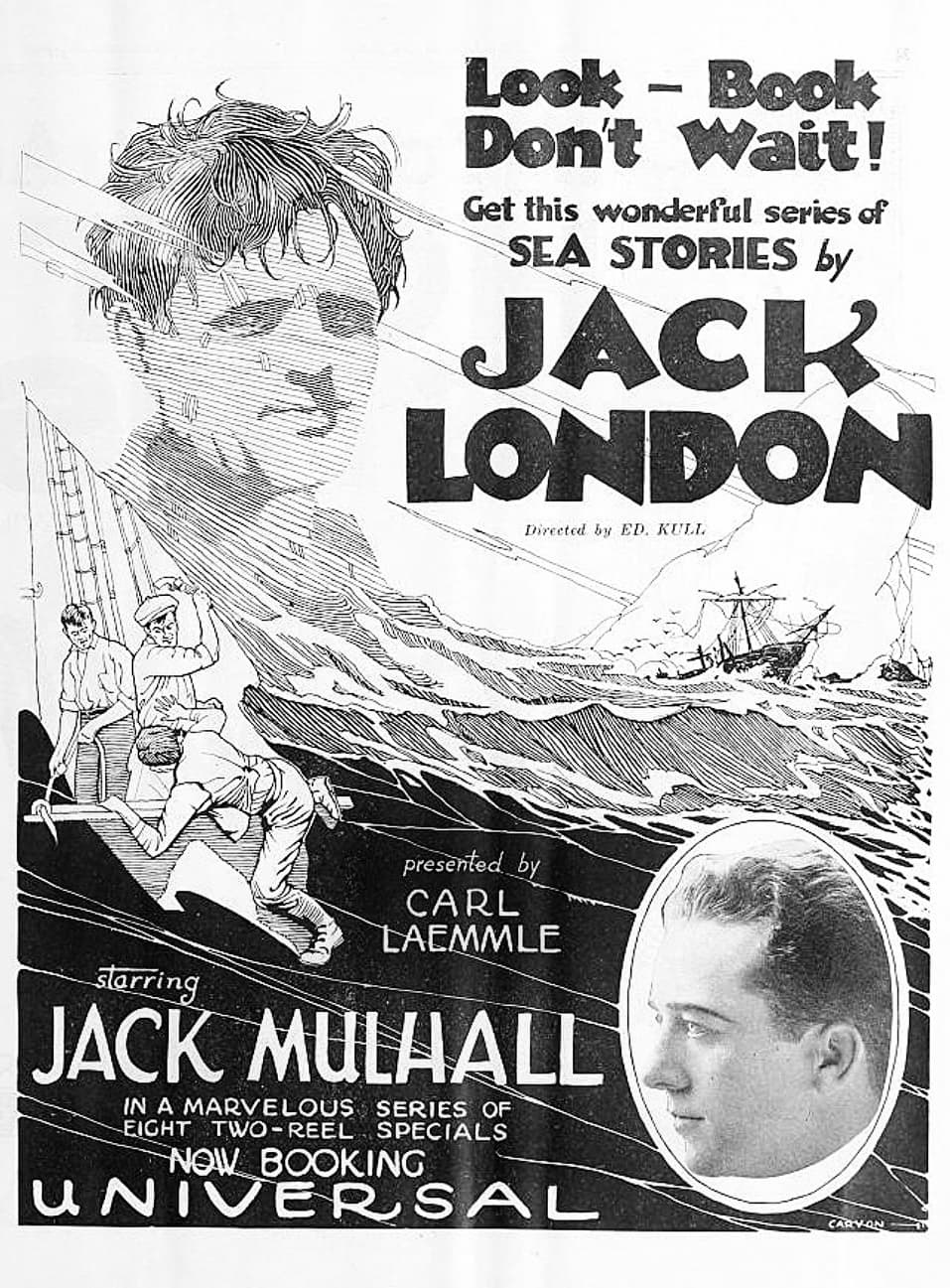
The Siege of the Lancashire Queen
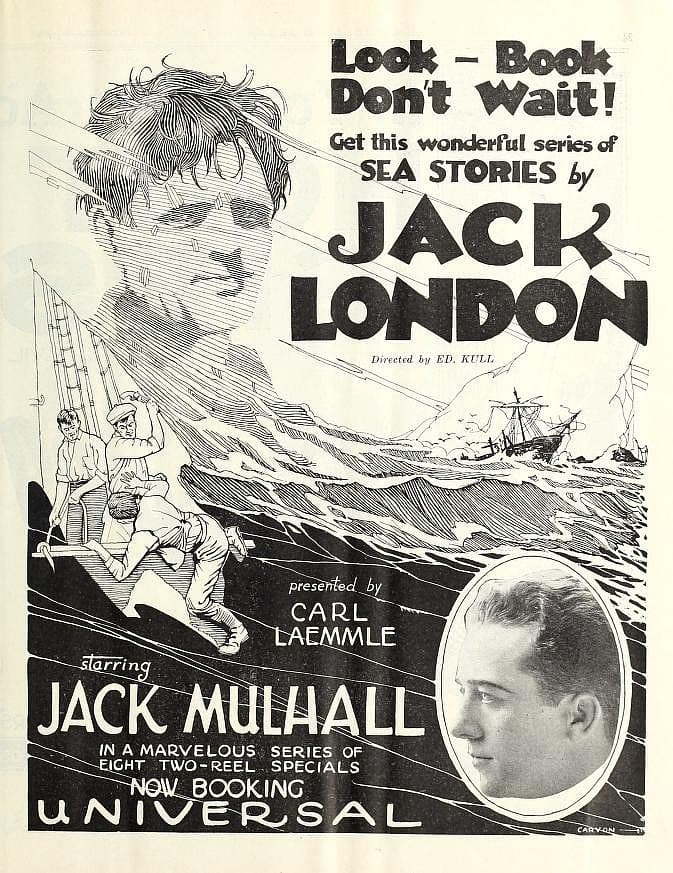
White and Yellow
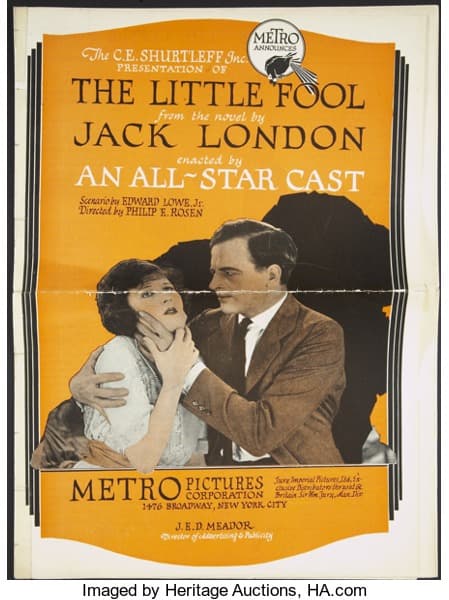
The Little Fool

Burning Daylight
Knowledge Base
Frequently Asked Questions about Jack London
Community
Comments
Log in to comment.
Loading comments…