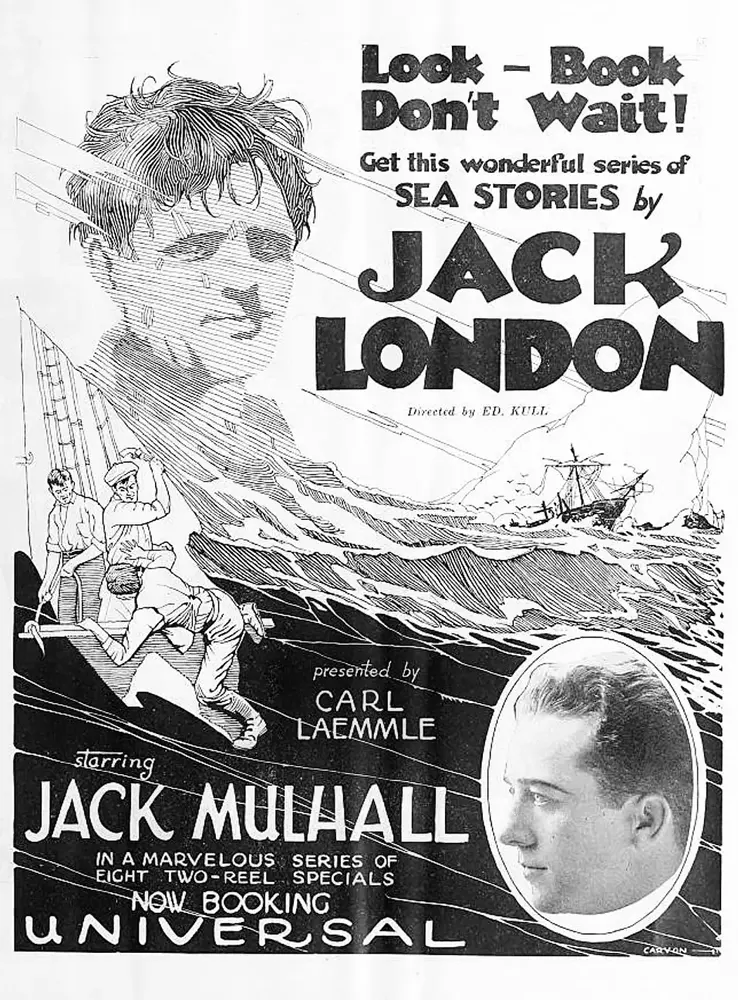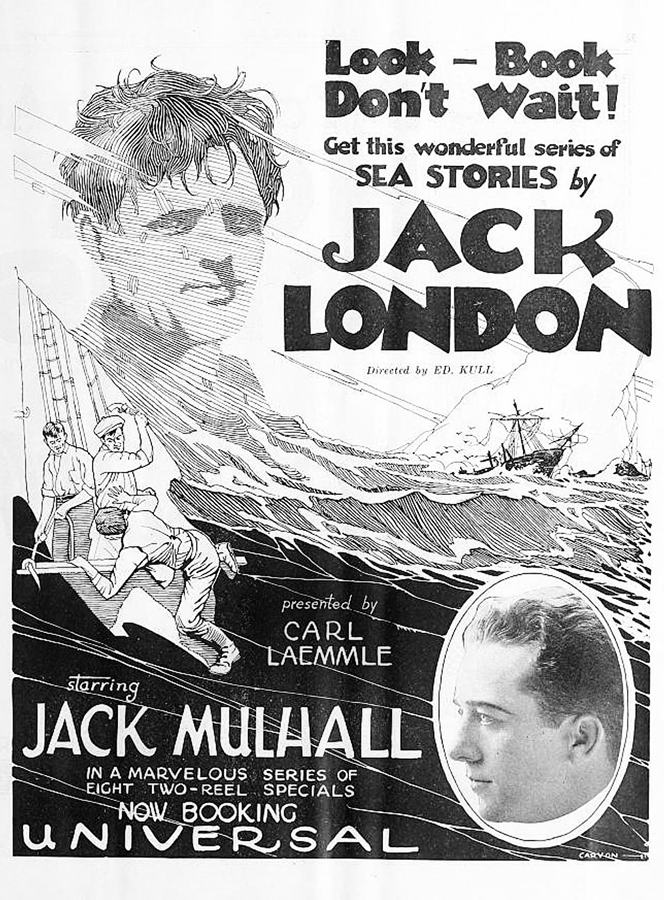
p{margin:0 0 1.2em}em{color:#EAB308;font-style:normal}a{color:#0E7490;text-decoration:none;border-bottom:1px dotted #0E7490}a:hover{color:#C2410C;border-color:#C2410C}blockquote{border-left:3px solid #C2410C;padding-left:1.2em;margin:1.5em 0;font-size:1.05em} Jack London never wrote a dull sentence, yet for ninety-fi...
Comparing the cinematic DNA and archive impact of two defining moments in cult history.
Edward A. Kull
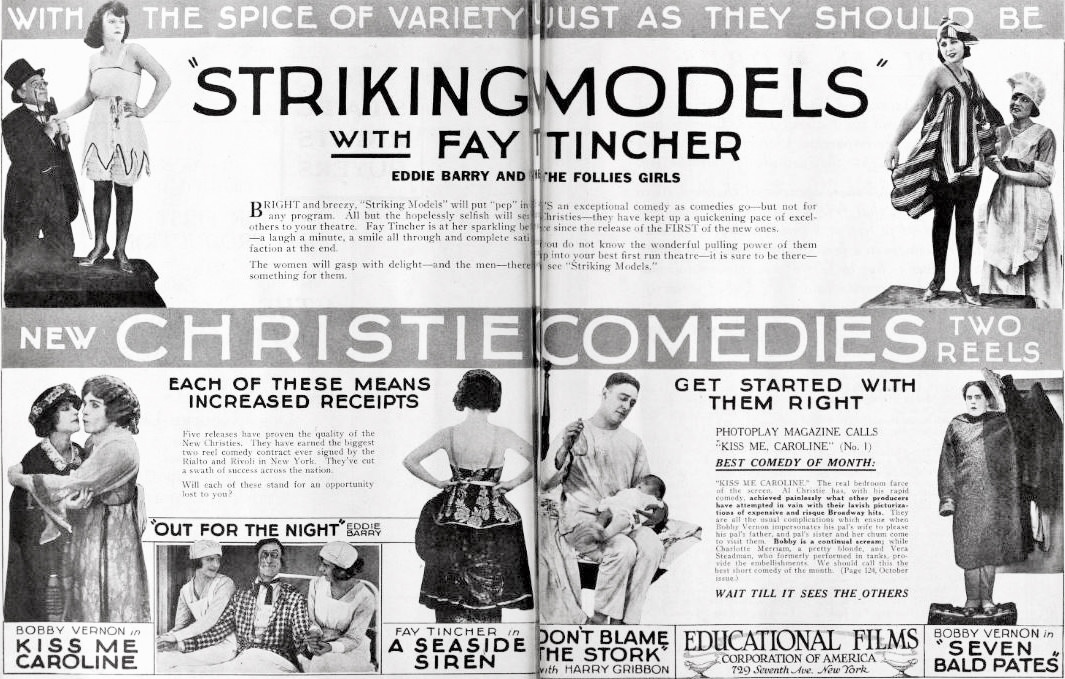
Reggie Morris
Community
Log in to comment.
" p{margin:0 0 1.2em}em{color:#EAB308;font-style:normal}a{color:#0E7490;text-decoration:none;border-bottom:1px dotted #0E7490}a:hover{color:#C2410C;border-color:#C2410C}blockquote{border-left:3px solid #C2410C;padding-left:1.2em;margin:1.5em 0;font-size:1.05em} Jack London never wrote a dull sentence, yet for ninety-five years The Channel Raiders slumbered like contraband in a lead-lined crate, unseen outside Brussels cinematheque cellars. Now, courtesy of a nitrate negative rescued from a Calai..."
Jack London, Emma Bell Clifton
United States
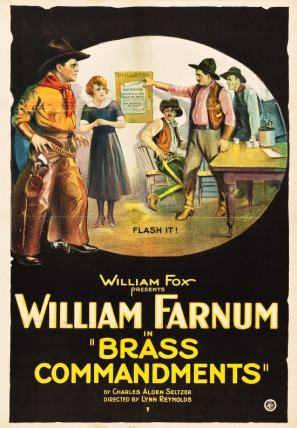
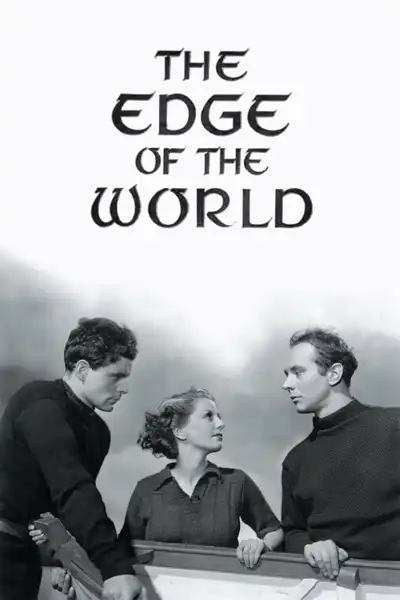
Deep dive into the cult classic
Discover similar cinematic experiences
A Directorial Spotlight on Edward A. Kull