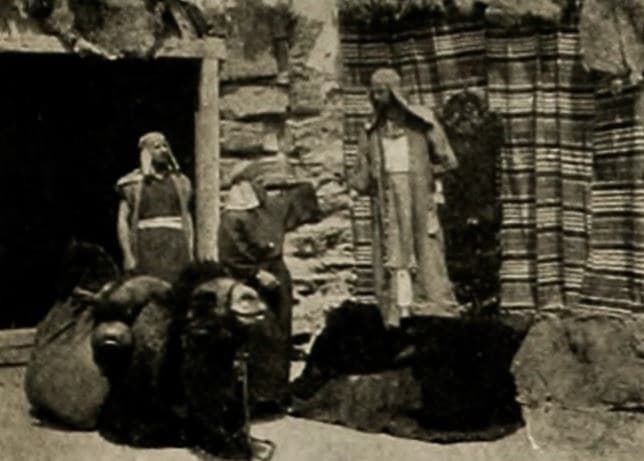
Louis N. Parker
assistant_director, director, writer
- Born:
- 1852-10-21, Luc-sur-Mer, Douvres-la-Délivrande, Calvados, France
- Died:
- 1944-09-21, Bishopsteignton, Devon, England, UK
- Professions:
- assistant_director, director, writer
Biography
Louis N. Parker’s life began like one of his own crowd scenes: off-beat, multilingual, and staged across borders. He drew his first breath in Calvados in 1852 while his peripatetic American father—Charles Albert Parker, grandson of Massachusetts Chief Justice Isaac Parker—was, as usual, somewhere else. Elizabeth Moray, his English mother, stranded without French or a husband, watched neighbors christen the apparently failing newborn. By the time he could walk, Europe had become the family’s movable set: Paris one season, Florence the next, Munich after that. The boy soaked up accents the way others collected stamps, and at seventeen the Royal Academy of Music in London handed him a scholarship and a baton. Nineteen years followed at Sherborne School, where he taught chords by day and plotted dramas by night. In 1886 he slipped a slim volume called *A Buried Talent* into print; it reached the professional stage and signalled the exit from the classroom. The curtain never really dropped again. Parker’s plays—biblical epic *Joseph and His Brethren*, swashbuckling *Drake*, political *Disraeli*, wistful *Rosemary*—kept West-End marquees busy. Audiences assumed the author must be English-born; his fierce love of England made the mistake understandable, and the error grated enough to push him toward formal naturalization on 17 June 1914. Offstage, he fathered two daughters; the younger, Dorothy, stepped into the spotlight on her own terms and never left it.