Louis N. Parker
United States
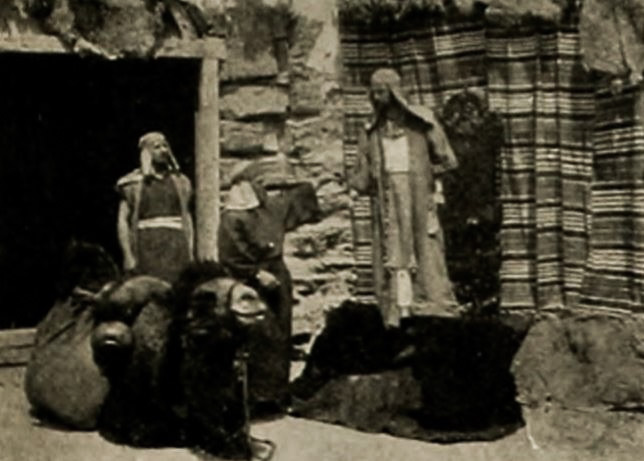
Imagine, if you can, a reel discovered in a sealed biscuit tin beneath the floorboards of a deconsecrated Kentish chapel—nitrate still clinging to its vinegar scent—and you begin to approximate the hallucinatory resurrection that is Joseph and His Coat of Many Colors. The surviving 23-minute fragment (the remainder ...
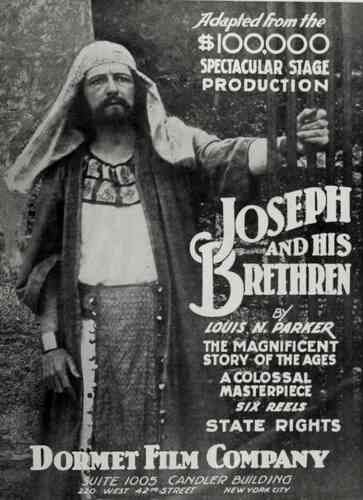
publicity
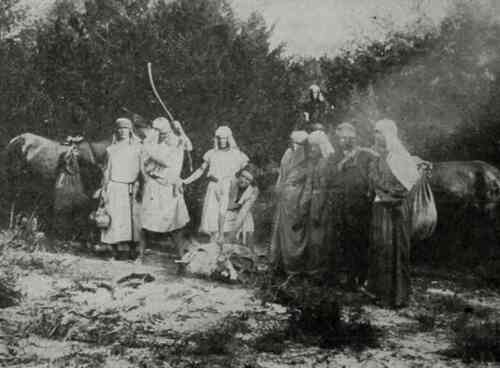
still_frame
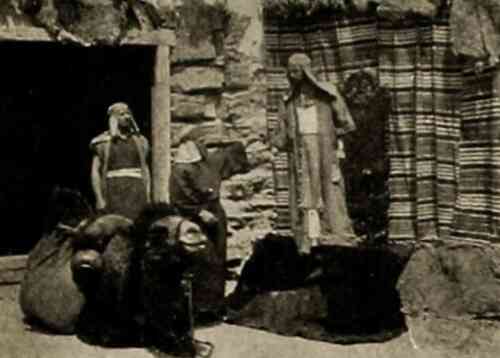
still_frame
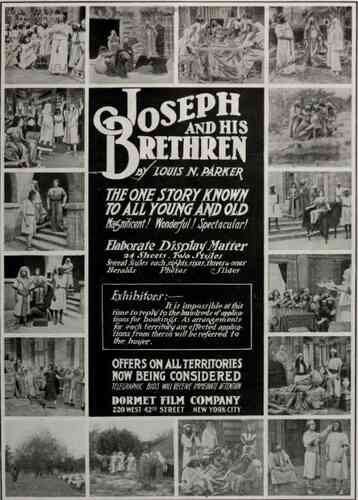
publicity
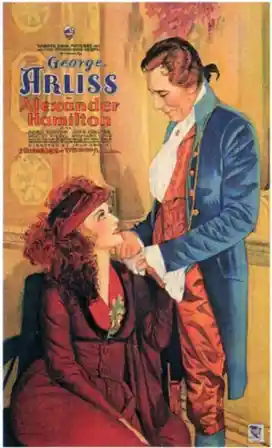
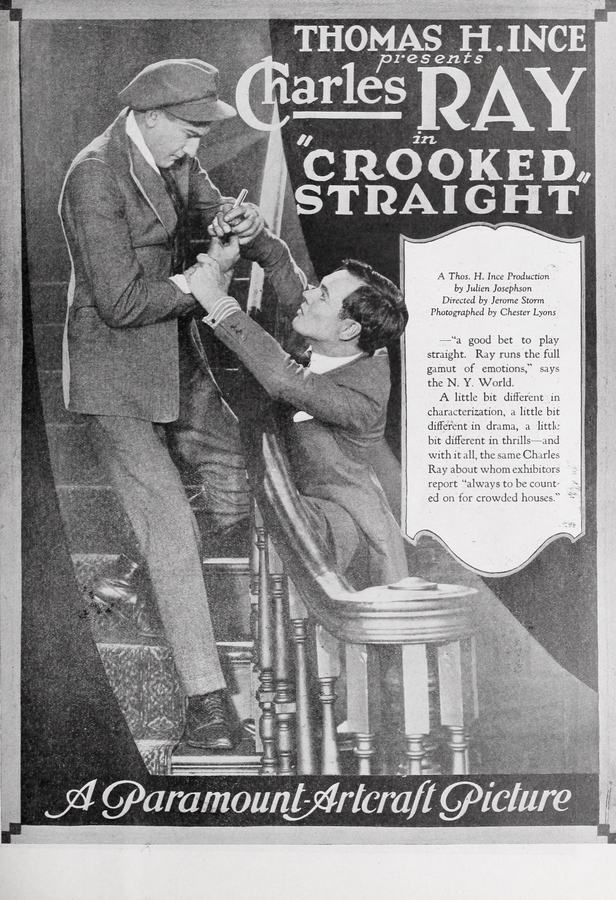
Comparing the cinematic DNA and archive impact of two defining moments in cult history.
Unknown Director
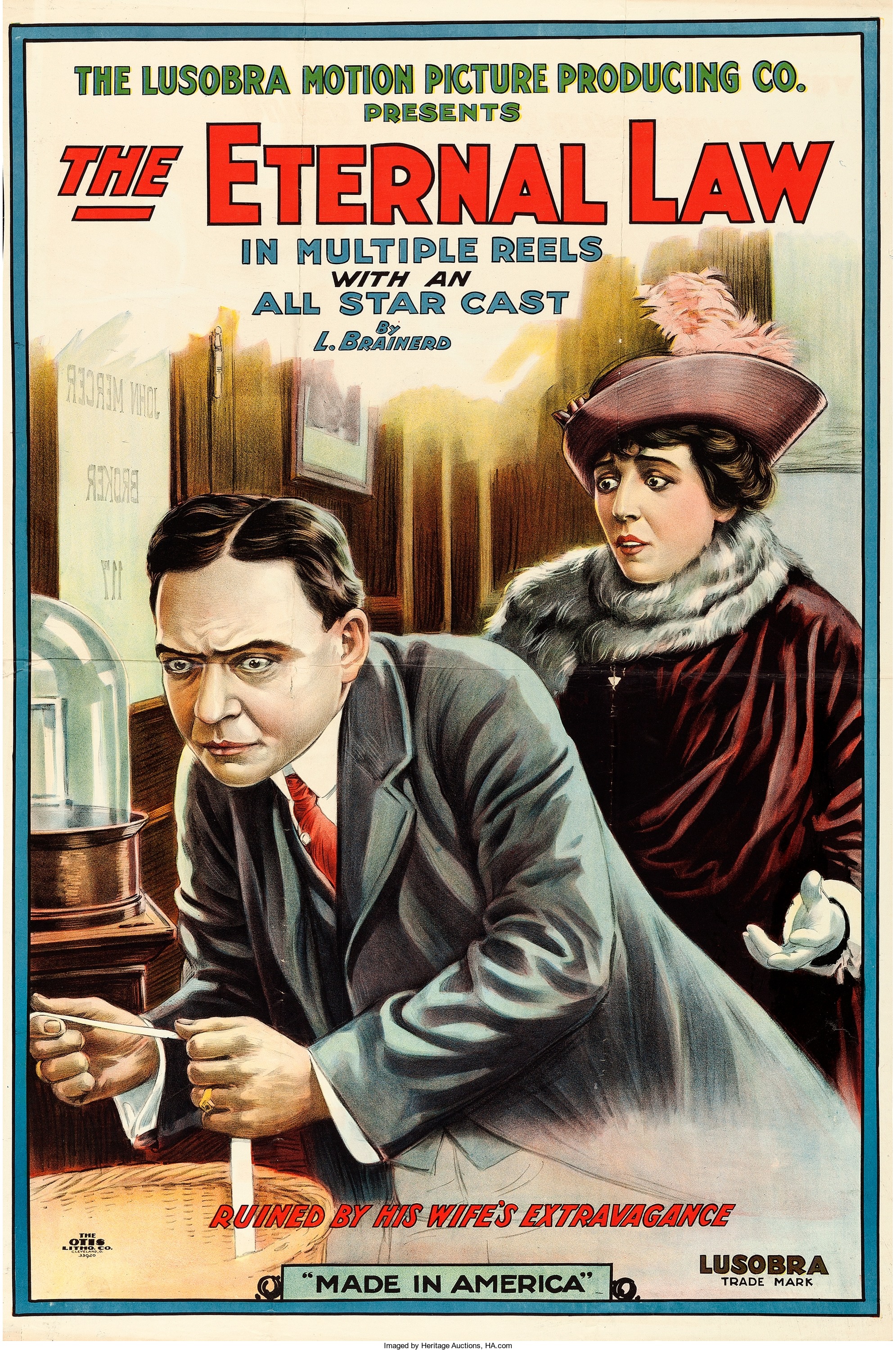
Unknown Director
Community
Log in to comment.
" Imagine, if you can, a reel discovered in a sealed biscuit tin beneath the floorboards of a deconsecrated Kentish chapel—nitrate still clinging to its vinegar scent—and you begin to approximate the hallucinatory resurrection that is Joseph and His Coat of Many Colors. The surviving 23-minute fragment (the remainder succumbed to lab fire in ’29) pulses like a stained-glass window hurled against a brick wall: each shard retains doctrinal iconography yet refracts a carnal, almost heretical, spec..."