Thomas Dixon Jr.
actor, director, writer
- Born:
- 1864-01-11, Shelby, North Carolina, USA
- Died:
- 1946-04-03, Raleigh, North Carolina, USA
- Professions:
- actor, director, writer
Biography
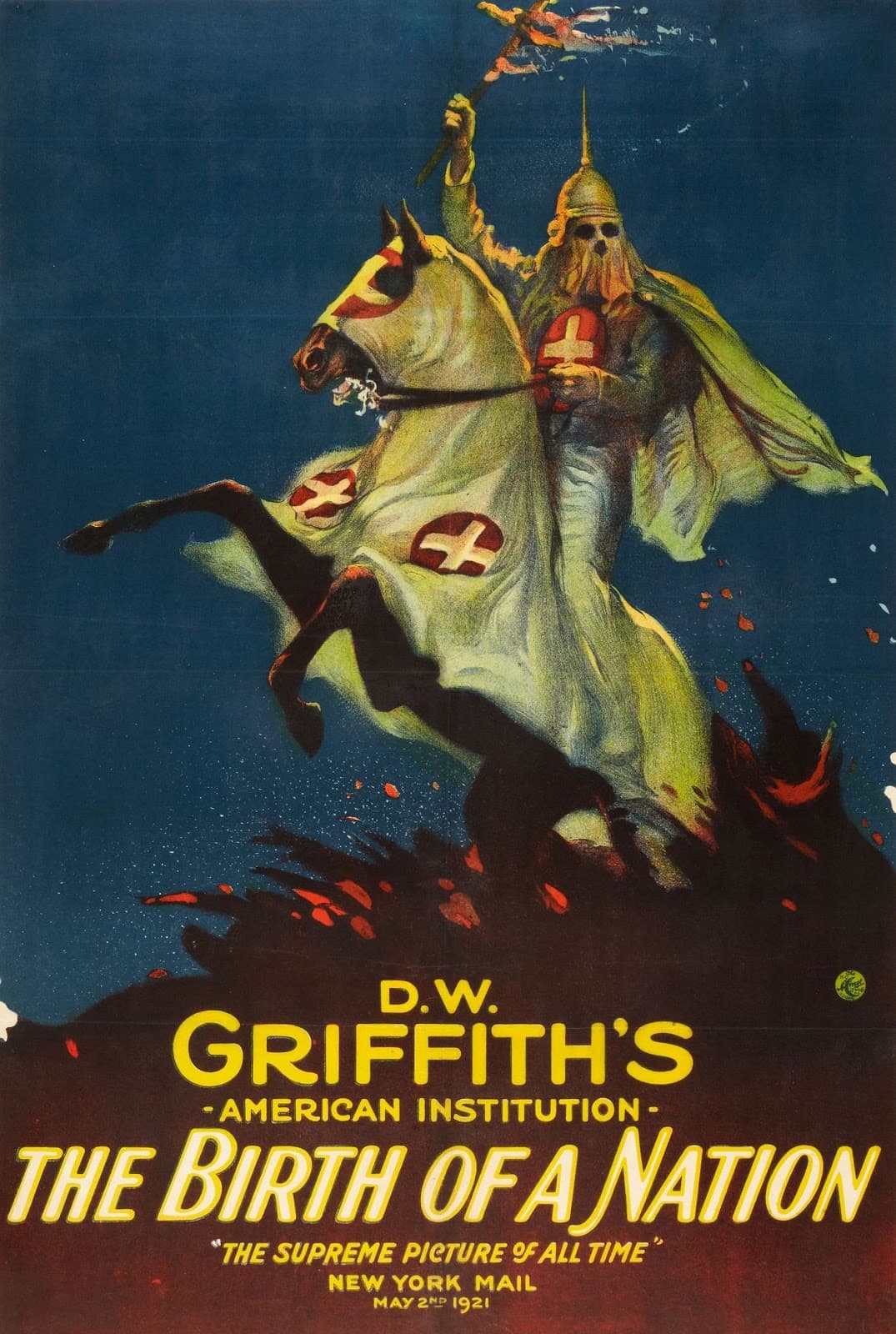
Shelby, North Carolina, 1864: a Baptist manse rings with sermons and the ghosts of slavery. The youngest child of the household, Thomas Dixon Jr., grew up splitting the rich red clay he would later swear he loathed—yet the furrows taught him how Reconstruction felt to the white, war-battered farmhands he lived among. At eleven he watched a Confederate widow, denied justice by Union officers, appeal to his uncle’s old cavalry company; Klansmen answered, hauling the accused freedman to the square, knotting a rope, firing a volley. The boy stored the scene like flint; in his mind the hooded riders began as saviors, then slipped into the same lawlessness they claimed to fight. His father and uncle walked away from the order, disgusted, but the image of vigilante “order” never left Dixon’s skull. In 1877 he swapped field rows for desk rows at Shelby Academy, racing through diplomas the way other boys chased marbles—Wake Forest by nineteen, a master’s in history and political science by twenty-three, then a fellowship at Johns Hopkins where he shared chalk-dust and ambitions with a scholarly Virginian named Woodrow Wilson. Broadway lights lured him north in 1884, yet the footlights flickered out; New York’s critics were less kind than North Carolina’s red clay. Back home he devoured law books, passed the bar in 1885, and won a seat in the legislature, only to gag on the smell of back-room deals. He quit, thundering against graft and waving the tattered banner of Confederate veterans. Pulpit, not politics, seemed cleaner. Ordained a Baptist minister in 1886, he hop-scotched from Greensboro to Goldsboro to Raleigh’s Second Baptist, then to Boston and finally to a prosperous Manhattan church where titans like Rockefeller and an ambitious Theodore Roosevelt filled the pews. The higher he climbed, the more the varnish peeled; by 1895 he resigned, convinced churches, like governments, sold salvation by the pound. He took to the lyceum circuit, preaching in rented halls, denouncing Wall Street, Wall Street churches, and Wall Street politics with equal fire. One evening he sat fuming through a touring production of Uncle Tom’s Cabin, counting what he called lies about the Old South. His rebuttal arrived in bookstores seven years later: The Leopard’s Spots (1902), a bristling counter-novel that borrowed Stowe’s characters only to flay them. It sold, so he doubled down. In 1905 he released The Clansman, a fever-dream in which Reconstruction is saved by robed cavaliers guarding “angelic” Southern womanhood against supposedly rampaging freedmen. D. W. Griffith snapped up the story, stirred in cinematic genius, and in 1915 unveiled The Birth of a Nation, a film that lit theaters—and Ku Klux Klan recruiting fires—across the country. Dixon, ever restless, kept writing, producing, speechifying, but nothing eclipsed the roar of that single book and its celluloid offspring. On April 3, 1946, in Raleigh, the boy who had once watched a man swing from a courthouse oak fell to a cerebral hemorrhage. He was eighty-two.