Summary
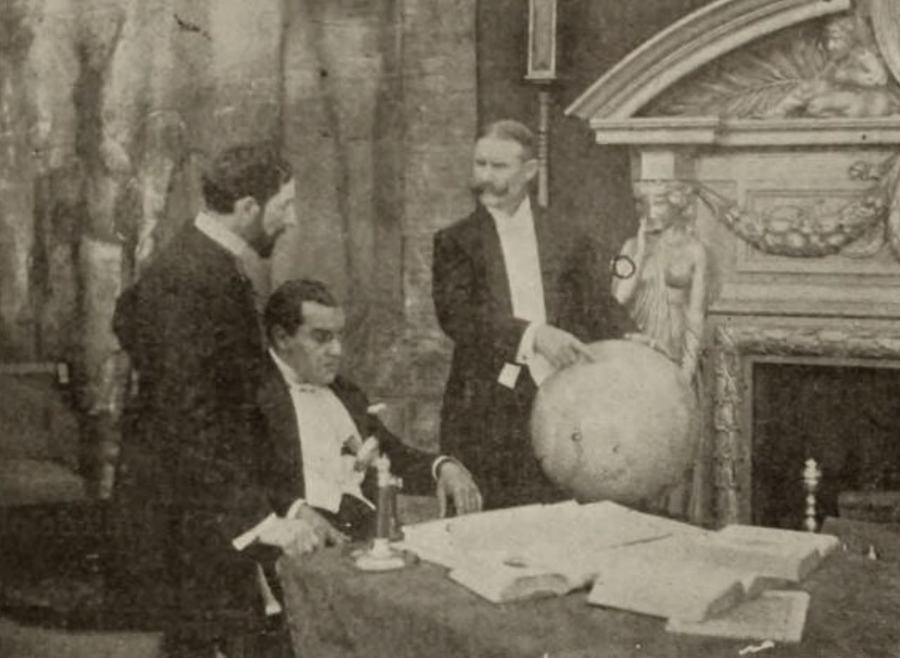
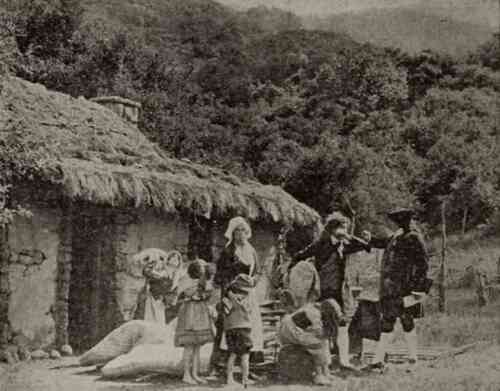
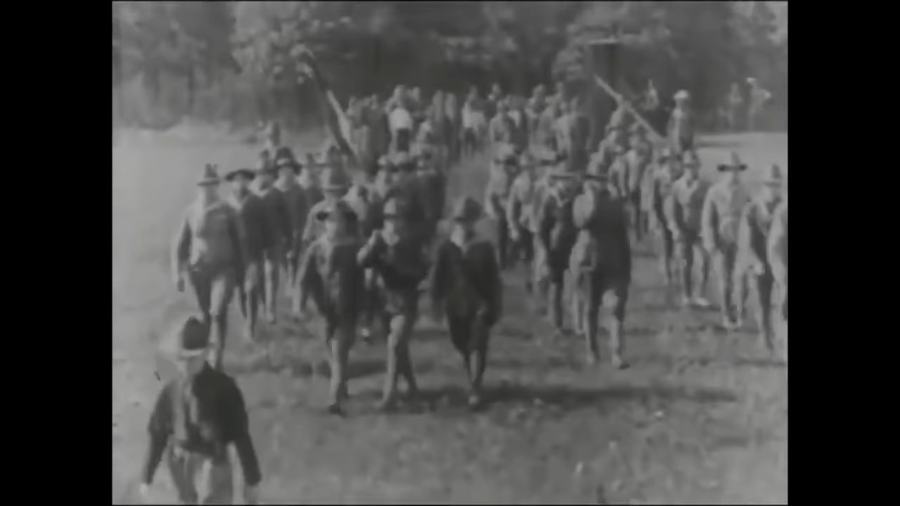
A cathedral of silence cracks open: in the prologue, children chase soap-bubbles across sun-dappled courthouse steps while elders debate tariff bills—Dixon’s sly gag, letting complacency look adorable before he bludgeons it. Act I detonates that innocence; invaders in soot-grey greatcoats swarm the marble corridors like ink spilled on parchment, folding the nation’s map into an origami swan and then pitching it into the Potomac. Statues topple sideways, their bronze arms still saluting a sky now rented by foreign zeppelins; newspapers swirl down alleyways, their headlines—"CAPITAL TAKEN WITHOUT A SHOT"—already fish-wrap for a starving city. In Act II the conquerors re-choreograph civic life into a danse macabre of curfews, language edicts, and torch-lit rallies where conquered debutantes are forced to sing the victor’s anthem while their family heirlooms burn in iron braziers. Dixon lingers on the micro: a governess (Mildred Bracken) unpicks the star-spangled banner from a sampler cushion, thread by thread, until only bare linen remains; a cadet (Phil Gastrock) eats rationed crow-meat as Wagner blares from requisitioned gramophones. Two calendar pages later, Act III blooms from humus of resentment—farmhouse cellars become printing dens, schoolmistresses teach hex-codes instead of hymns, and a clandestine courier network named the Snowshoe Line smuggles nitrate films that double as bomb fuses. The final assault is staged like a fevered passion play: silhouettes charge across a wheat-field at dusk, bayonets glinting like crucifixes, while overhead a lone observation balloon—painted half in enemy black, half in rebel yellow—drifts like a split conscience. When the flag is re-hoisted, it is tattered to cobweb, yet the wind still finds enough fabric to pop like a pistol shot against the sunrise.
Three acts and a prologue. Act 1: A nation falls. Act 2: The heel of the conqueror. Act 3: The uprising two years later.
Review Excerpt
"
I. The Ghost That Haunts Reels
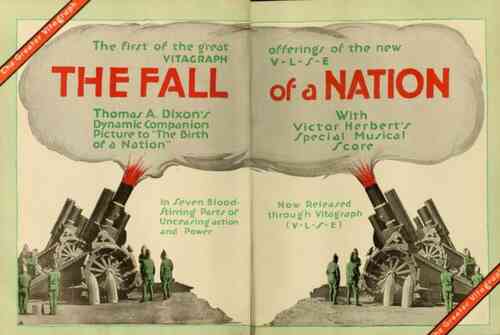
Most cinephiles can hum the Klan cadence from Griffith’s epic, yet ask them about Dixon’s own direct sequel and you’ll meet a blank stare wide enough to park a zeppelin. The Fall of a Nation arrived in May 1916 like brass knuckles wrapped in velvet—thirteen reels of jingoistic clairvoyance bankrolled by Dixon’s personal IOUs and the sweat of Atlanta investors who thought the war in Europe would stay there. The film opened big in New York, played forty-three states..."