
Cult Cinema, Deep Dive
From Obscurity to Oracle: The Enduring Rituals and Transformative Power of Cult Cinema
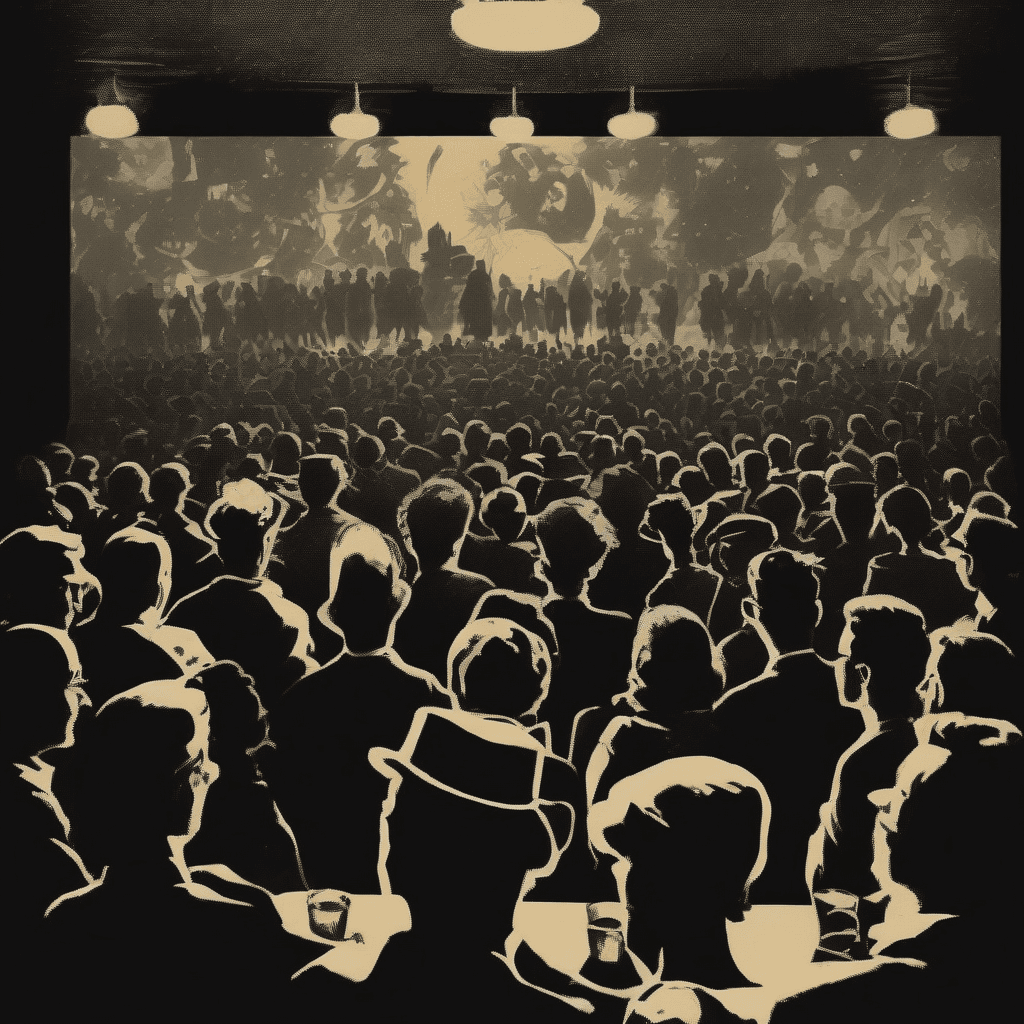
“Cult cinema thrives on the fringes, transforming overlooked films into sacred texts and fostering fervent communities through shared, unconventional experiences. This article explores the unique alchemy that elevates certain movies from obscurity to enduring cultural phenomena.”
Cult cinema occupies a peculiar, yet undeniably vital, space in the vast landscape of film. It’s a realm where the mainstream rules are gleefully broken, where artistic vision often eclipses commercial viability, and where films initially dismissed or overlooked find a fervent, enduring congregation. These aren't just movies; they are experiences, rituals, and sometimes, even identities for their devoted followers. Far from the polished blockbusters designed for mass appeal, cult films thrive on their distinctiveness, their willingness to challenge, provoke, and often, utterly confound. They invite audiences into a shared secret, a cinematic language spoken by a select few, offering a sense of belonging for those who find solace in the unconventional. The journey of a film from critical indifference or box office failure to a cherished cult classic is a fascinating testament to the power of niche appeal and the unwavering dedication of its audience.
At its heart, cult cinema celebrates the outsider, the eccentric, and the transgressive. It's a space where the bizarre is embraced, where moral boundaries are blurred, and where narratives often deliberately deviate from established norms. From early cinematic experiments that hinted at psychological duality and split identities, to melodramas that pushed the boundaries of emotional intensity and societal expectations, the seeds of cult devotion were sown long ago. These films, often born from independent spirits or those pushing against the commercial currents of their time, offered something profoundly different. They tapped into a primal human fascination with the forbidden, the grotesque, and the profoundly human struggle against conformity. The allure isn't just in the film itself, but in the collective experience of discovering and championing something that the wider world might not yet understand.
The Allure of the Anomalous: Why We Gravitate Towards the Strange
There's an undeniable magnetism to films that dare to be different, that refuse to fit neatly into predefined boxes. Cult classics often revel in their anomalous nature, presenting narratives that are either too strange, too shocking, or too stylistically unconventional for mainstream acceptance. Consider the early forays into psychological thrillers, where characters grapple with inner demons or external forces that twist their perception of reality. These proto-cult narratives explored themes of moral degradation, identity crises, and the dark undercurrents of human nature, often with a raw intensity that was ahead of its time. Such films, even if not explicitly labeled 'cult' in their era, laid the groundwork for audiences to appreciate cinematic works that challenged their understanding of the world and themselves.
The embrace of the absurd and the eccentric is another cornerstone of cult appeal. Slapstick comedies, with their exaggerated physical humor and often chaotic plots, demonstrated an early willingness to push comedic boundaries, finding humor in the sheer unconventionality of human behavior. This spirit of playful subversion, of finding joy in narratives that don't take themselves too seriously or that delight in unexpected turns, foreshadowed the appreciation for later cult comedies. Whether it’s a fantastical crime caper or an experimental animated short, these films invite viewers to shed their expectations and surrender to a unique vision. They don't just tell a story; they offer a distinct lens through which to view reality, often reflecting societal anxieties or hidden desires in ways that more conventional cinema shies away from. The enduring popularity of films that explore niche interests, from specific sports events to detailed documentaries, further highlights this gravitational pull towards the distinct and the specialized.
Beyond the Marquee: The Genesis of Devotion
One of the most defining characteristics of cult cinema is its ability to transcend initial commercial or critical indifference. Many films that now hold revered cult status were once considered failures, overlooked by critics, or simply failed to find a wide audience upon their initial release. This initial obscurity, paradoxically, becomes a vital part of their mystique. It fosters a sense of discovery among early adopters, a feeling of being 'in on a secret' that the rest of the world hasn't yet grasped. The idea that a film can be rescued from the cinematic graveyard and resurrected through the sheer force of audience passion is a powerful narrative in itself. It speaks to a democratic ideal within film appreciation, where the audience, rather than critics or box office numbers, ultimately determines a film's enduring value.
This genesis of devotion often occurs in unexpected ways. A film might be too daring for its contemporary audience, its themes too controversial, or its style too avant-garde. Early cinematic works, for instance, often experimented with narrative structures, visual effects, and thematic content that pushed the limits of what was considered acceptable or even comprehensible. While not all such experiments became cult classics, they certainly contributed to a cultural appetite for the unconventional. Melodramas that explored complex moral dilemmas, or social commentaries that critiqued established systems, often found their most ardent supporters among those who felt marginalized or misunderstood by the mainstream. The initial 'failure' of these films becomes a badge of honor, signaling their integrity and their refusal to compromise for commercial gain. This authenticity is a crucial ingredient in the alchemy of cult creation, forging a bond of trust and admiration between the film and its burgeoning fanbase.
Narrative Anarchy and Thematic Transgression
Cult films frequently distinguish themselves through their audacious disregard for conventional narrative structures and their willingness to explore taboo or provocative themes. They are the cinematic rebels, often deconstructing traditional storytelling to create something entirely new, or delving into subject matter that mainstream productions deem too risky. This narrative anarchy can manifest as non-linear storytelling, ambiguous endings, or a deliberate eschewing of clear-cut heroes and villains. Early crime dramas, for instance, often played with moral gray areas, presenting protagonists who were both sympathetic and deeply flawed, or exploring the tragic consequences of societal pressures. These nuanced portrayals, while perhaps unsettling for audiences accustomed to simpler moralities, resonated deeply with those seeking more complex reflections of the human condition.
Thematic transgression is equally central to cult cinema's appeal. Films that explore topics like moral degradation, forbidden desires, or radical political ideologies often become cult favorites precisely because they dare to go where others fear to tread. From stories of individuals battling societal expectations to narratives that champion radical social movements, these films challenge the status quo and offer alternative perspectives. They might present characters who actively rebel against authority or societal norms, reflecting a deep-seated human desire for liberation and self-expression. The very act of watching and discussing these transgressive narratives becomes a form of collective rebellion, a shared acknowledgment that there are truths beyond the comfortable confines of conventional thought. This daring exploration of the human psyche, in all its complexity and darkness, is a powerful draw for audiences seeking more than just escapism.
The Aesthetic of the Outlier: Style as Substance
Beyond their narratives, cult films are often defined by their distinctive aesthetics and innovative stylistic choices. Whether born out of budgetary constraints or a deliberate artistic vision, these visual and auditory signatures become integral to the film's identity and its enduring appeal. Early experimental cinema, for example, pushed the boundaries of visual storytelling, transforming the medium into a canvas for abstract art and challenging the very notion of what a film could be. This pioneering spirit of visual invention, of using the camera not just to record but to interpret and distort reality, laid crucial groundwork for the stylistic audacity seen in later cult classics.
The aesthetic of the outlier can also manifest in the ingenious ways filmmakers overcome limitations. Low budgets often necessitate creative solutions, leading to unique visual styles, inventive special effects, or a raw, unfiltered look that becomes part of the film's charm. Think of the dramatic visuals employed in early adventure serials, where practical effects and heightened melodrama created an immersive, if sometimes crude, spectacle. Even early comedic shorts, with their reliance on physical gags and exaggerated expressions, cultivated a distinct visual language that prioritized impact over realism. These stylistic hallmarks, whether refined or rough-hewn, contribute to the film's 'otherness,' setting it apart from more polished, commercially driven productions. For cult audiences, this unique aesthetic becomes a crucial part of the film's identity, a visual shorthand that signals its membership in the exclusive club of cinematic mavericks.
The Midnight Sacrament: Community and Ritual
Perhaps the most defining aspect of cult cinema is the vibrant, often ritualistic, community it fosters. Unlike passive mainstream viewing, engaging with a cult film is an active, communal experience. Midnight screenings, often featuring audience participation, call-and-response dialogue, and even elaborate cosplay, transform a simple movie showing into a sacred event. This shared ritual creates a powerful sense of belonging, a collective identity forged through a mutual appreciation for the unconventional. The films themselves become catalysts for connection, drawing together individuals who might otherwise feel alienated by mainstream culture. The act of repeat viewing is also central to this devotion, as fans uncover new layers of meaning, hidden details, and subtle nuances with each watch, deepening their connection to the work and to each other.
This communal aspect isn't new; even in the earliest days of cinema, audiences gathered for shared experiences, albeit without the explicit 'cult' label. The power of collective engagement, whether cheering for a boxing match on screen or gasping at a dramatic twist, has always been a fundamental part of the cinematic experience. Cult cinema simply amplifies this, transforming casual viewership into active participation and fandom into a lifestyle. The discussions that spill out of theaters, the online forums, the fan art, the conventions – all are manifestations of this midnight sacrament. They are spaces where shared obsessions are celebrated, where interpretations are debated, and where the film's meaning continues to evolve and deepen through collective engagement. This enduring power of shared experience is what truly elevates a film from mere entertainment to an oracle of collective identity.
From Fringe to Pantheon: The Enduring Legacy
The journey from the fringe to a revered position in the cinematic pantheon is the ultimate testament to a cult film's enduring power. What begins as an obscure, perhaps even maligned, curiosity eventually becomes a cultural touchstone, influencing new generations of filmmakers, artists, and audiences. These films, once outliers, carve out an indelible niche in cinematic history, proving that artistic merit and cultural impact are not solely determined by immediate commercial success or critical acclaim. Their legacy is built on sustained passion, word-of-mouth enthusiasm, and a relentless refusal to fade into obscurity. They stand as monuments to artistic integrity, to the courage of filmmakers who dared to defy conventions, and to the audiences who championed their unconventional visions.
The themes and styles pioneered by cult cinema often seep into the mainstream over time, subtly shifting the landscape of popular culture. What was once considered transgressive or bizarre can, decades later, be seen as groundbreaking and influential. The raw emotionality of early melodramas, the stylistic innovations of experimental shorts, or the daring narrative choices of psychological dramas all contributed to a broader cinematic vocabulary. Cult films remind us that cinema is a living, evolving art form, constantly being reshaped by those on its edges. They challenge us to look beyond the obvious, to question established tastes, and to find beauty and profundity in the unexpected. The enduring allure of cult cinema lies in its promise of discovery, its celebration of difference, and its capacity to forge deep, lasting connections between films and their devoted followers.
In conclusion, cult cinema is far more than a collection of oddball films; it is a vibrant ecosystem of artistic rebellion, communal devotion, and enduring cultural impact. It thrives on challenging perceptions, breaking boundaries, and uniting those who seek something deeper, more authentic, and more provocative from their cinematic experiences. From the earliest silent era films that hinted at the dark complexities of human nature to modern midnight movie phenomena, the spirit of the cult film has always been about embracing the unconventional. These films, once overlooked, have become oracles, guiding their audiences through shared rituals and cementing their place in the heart of cinematic history. They are a powerful reminder that true art often finds its most passionate advocates not in the glittering mainstream, but in the devoted shadows of the fringe.
Community
Comments
Log in to comment.
Loading comments…