
Deep Dive
The Outlaw's Eye: Tracking the Deviant DNA of Cinema's First Cult Radicals
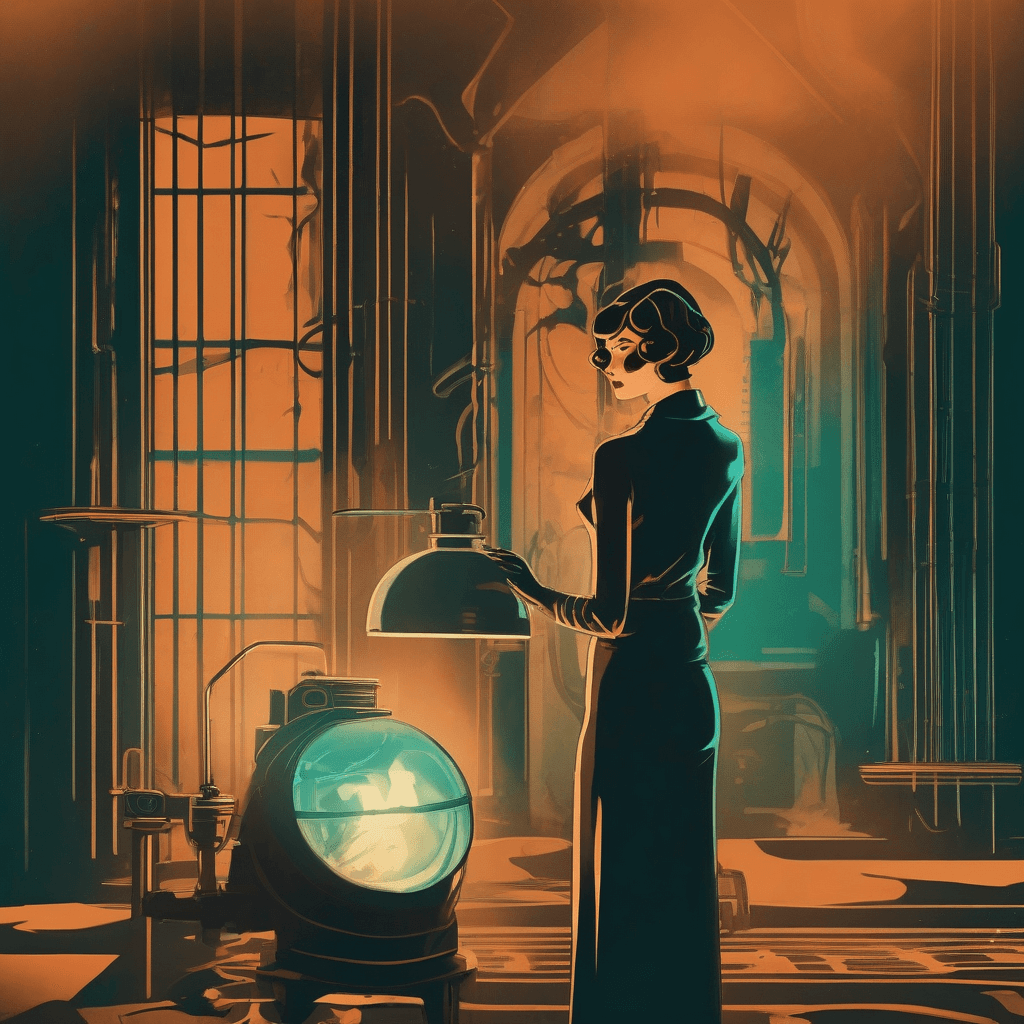
“A deep dive into the transgressive roots of cult cinema, exploring how early 20th-century oddities and genre-defying narratives birthed the modern midnight movie obsession.”
The term "cult cinema" often evokes images of neon-drenched 1970s grindhouses or the midnight rituals of the 1980s VHS boom. However, the genetic blueprint of the cinematic misfit was drafted much earlier, in the flickering shadows of the early 20th century. Long before the term was coined, filmmakers were already experimenting with the transgressive, the absurd, and the socially radioactive. These early pioneers didn't just tell stories; they built altars to the unconventional, creating a secret language of the screen that continues to resonate with the disenfranchised and the obsessed. To understand the modern cult phenomenon, we must look back at the deviancy of the silent and early sound eras, where the seeds of rebellion were first sown in nitrate.
The Meta-Narrative and the Breaking of Reality
One of the hallmarks of cult cinema is its self-awareness—a wink to the audience that acknowledges the artifice of the medium. We see this radical experimentation as early as the 1910s. Consider the sheer audacity of A Fisherless Cartoon. In this piece, the creator, Bud Fisher, is literally called away from his desk, leaving his creations, Mutt and Jeff, to finish the cartoon themselves. This level of meta-textual playfulness is the direct ancestor of modern cult classics that break the fourth wall. It suggests a world where the characters are conscious of their celluloid prison, a theme that would later define the surrealist movements and the avant-garde experiments of the underground. By allowing the characters to seize the tools of production, early cinema was already questioning the authority of the director and the boundaries of the frame.
This spirit of narrative anarchy is essential to the cult ethos. It invites the viewer to participate in the joke, creating a sense of exclusivity. When we watch Whose Husband Are You? or Baffled Ambrose, we aren't just watching simple comedies; we are engaging with a form of cinematic play that prioritizes the logic of the absurd over the rigid structures of traditional drama. These short, often chaotic bursts of energy laid the groundwork for the slapstick subversions that would eventually evolve into the high-concept weirdness of the midnight movie circuit.
Gothic Shadows and the Hypnotic Macabre
Cult cinema has always had a flirtation with the dark, the occult, and the psychologically frayed. The early century was rife with explorations of the human psyche under duress. The Sleep of Cyma Roget serves as a chilling precursor to the body horror and psychological thrillers of later decades. The story of a woman under the hypnotic control of a scientist who can simulate death is more than just a pulp narrative; it is an exploration of agency and the terrifying power of the "other." This fascination with the hypnotic and the supernatural is a recurring motif in cult history, reflecting a collective anxiety about the loss of self-control.
Similarly, the bizarre intersection of science and horror found in Les gaz mortels—where a humanist scientist studying snakes is thrust into the horrors of World War I—prefigures the "mad scientist" tropes that would dominate B-movies for decades. These films didn't shy away from the grotesque or the uncomfortable. They leaned into the anxieties of their time, using the supernatural as a mirror for the very real terrors of industrialization and global conflict. The cult audience has always been drawn to these shadowy corners of the human experience, finding a strange comfort in the depiction of the macabre.
The Morality of the Misfit: Infidelity and Revenge
While mainstream cinema often sought to reinforce Victorian moralities, the proto-cult film was frequently interested in the fallout of moral failure. The Fuel of Life presents a narrative of revenge so cynical it feels modern. Angela De Haven, after being betrayed by her husband, decides to make all men pay for his deceit. This is not the behavior of a standard Hollywood heroine; this is the birth of the "femme fatale" and the vengeful outcast, a staple of the cult noir tradition. It challenges the viewer to sympathize with a character whose actions are driven by spite rather than virtue.
The exploration of the "unpardonable" is another key element. In The Unpardonable Sin, we witness the descent of a wealthy man into habitual inebriation, a stark look at addiction that lacks the sanitization common in more commercial fare. These films were willing to dwell in the gutter, exploring the "sins of great cities" and the branded souls of those who lived on the periphery. Sins of Great Cities itself acted as a warning and a voyeuristic thrill, mapping the ill-famed underworlds that the respectable public was supposed to avoid. This attraction to the forbidden is what drives the cult fan to seek out the "lost" or "banned" reels of history.
Identity, Deception, and the Double
The theme of the fractured identity is perhaps the most enduring legacy of early cult-adjacent cinema. The Branded Soul, featuring a man posing as his clerical twin to commit forgery, touches on the primal fear of the doppelgänger and the fragility of social standing. This preoccupation with the "double" or the "imposter" speaks to a deep-seated suspicion of the masks we wear in society. Cult cinema thrives on these revelations—the moment when the respectable veneer cracks to reveal the deviant underneath.
In The Bargain (1921), we see the theme of the stolen life taken to its logical, suspenseful conclusion, where a rescued man takes the place of a convicted heir only to face the inevitable blackmail. These narratives of shifting identities and high-stakes deception create a sense of instability that is intoxicating to the cult viewer. They suggest that the world is not what it seems, and that anyone—from a struggling artist in A Square Deal to a musical comedy star in Beloved Adventuress—is capable of a secret life. This fluidity of identity is a radical concept that undermines the rigid class structures of the early 20th century.
Class Warfare and the Rural Grotesque
The tension between the urban elite and the rural "other" is a well-documented vein in cult horror and drama. Early films like He Got It, which features a protagonist mistaken for a sheriff by a band of hillbillies and chorus girls, utilize the "rural grotesque" for both comedy and unease. This trope would eventually evolve into the "hicksploitation" films of the 70s. The depiction of the backwoods as a place of lawlessness and strange rituals is a recurring nightmare in the American cinematic subconscious.
Conversely, films like The Village Blacksmith and The Iron Heart (1920) explore the dignity and the suffering of the working class against the backdrop of industrial greed and family feuds. The blacksmith’s crippled son, the result of a cruel dare from a wealthy rival, becomes a symbol of the physical and emotional toll of class conflict. These aren't just dramas; they are visceral depictions of social injustice that resonate with the "rebel" spirit of cult fandom. The cult audience has always identified with the underdog, the worker, and the one left behind by the march of progress.
The Spectacle of the Forbidden: Lady Godiva and the White Rider
Cult cinema is also about the spectacle—the thing you aren't supposed to see. The historical drama Lady Godiva and the circus-themed Den hvide rytterske (The White Rider) used the promise of the exotic and the daring to lure audiences. Whether it was the legendary nude ride to save a village or the death-defying stunts of a circus performer, these films offered a window into a world of heightened reality. They provided a sense of awe that the mundane world could not provide.
This desire for the "extraordinary" is what leads fans to the fringes of the film world. Whether it's the bizarre vaudeville of Séraphin ou les jambes nues—where a respectable man finds himself pantless in the street—or the gender-bending disguises in She Loves and Lies, early cinema was constantly pushing the boundaries of what was considered acceptable public entertainment. These moments of "delirious vaudeville" are the ancestors of the camp and kitsch aesthetics that define much of modern cult appreciation.
The Enduring Ritual of the Outcast
Why do we continue to return to these forgotten reels? Why does a film like The Man from Lost River or Paddy O'Hara still hold a certain magnetism for the film historian and the cult seeker? It is because these films represent the first time the camera was used to capture the unconventional pulse of humanity. They are the documents of our early attempts to process war, infidelity, social change, and the sheer weirdness of being alive.
The "cult" is not just about the quality of the film; it is about the community that forms around it. When we watch Prudence on Broadway and see a Quaker girl engaging in girlish pranks to learn the "devil's tricks," we are seeing the prototype of the rebellious youth culture that would eventually explode in the 1950s and 60s. When we watch From Dusk to Dawn and see a fired iron worker run for governor on a labor ticket, we are seeing the birth of the political firebrand on screen.
Cult cinema is a sanctuary for the films that didn't fit the mold—the ones that were too strange, too bold, or too honest for the mainstream. From the silent comedies of Nonsense to the tragic melodramas of Az utolsó éjszaka, the history of film is a tapestry of these beautiful failures and accidental masterpieces. They remind us that cinema has always been a medium of rebellion, a way to see the world through the "outlaw's eye." As we continue to unearth these treasures, we find that the spirit of the midnight movie has been with us since the very first flicker of light on the screen, waiting in the dark to be rediscovered by a new generation of deviants.
In the end, the legacy of films like Secret Service and The Fuel of Life is a testament to the enduring power of the outsider narrative. They prove that the fringes are often more interesting than the center, and that the most profound truths are often found in the most unlikely places. As long as there are stories that defy definition and characters who refuse to conform, the cult cinema flame will continue to burn, fueled by the nitrate dreams of our cinematic ancestors.
Community
Comments
Log in to comment.
Loading comments…