
Cult Cinema
The Maverick Lens: Unearthing Cult Cinema's Enduring Legacy of Rebellion and Rediscovery
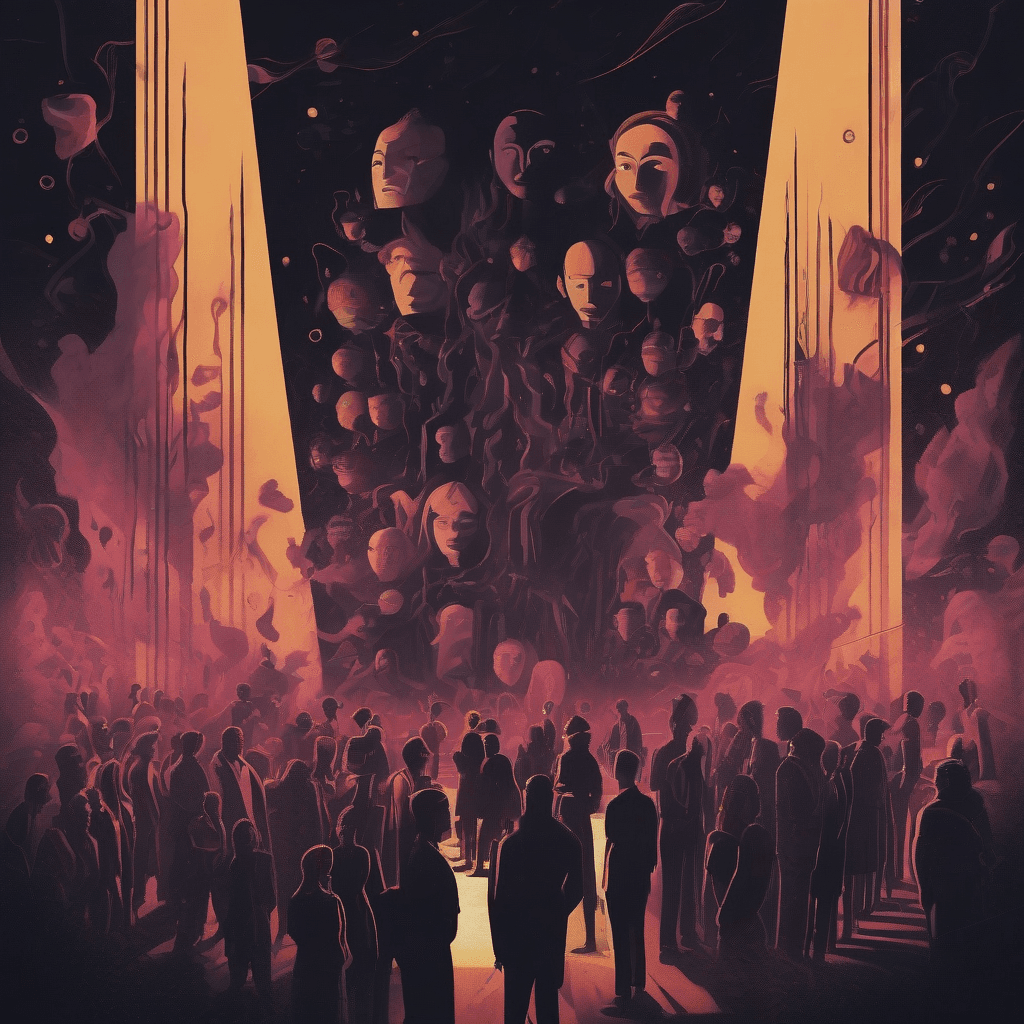
“Cult cinema transcends mere entertainment, offering viewers a profound dive into narratives that challenge conventions, spark fervent devotion, and often find their true audience years after their initial release. This article explores the magnetic allure and transformative power of these cinematic …”
In the vast, ever-expanding universe of film, certain works resist easy categorization, defy mainstream expectations, and yet, paradoxically, achieve a profound, almost sacred status among devoted followers. These are the films of the cult cinema canon, a vibrant, often transgressive realm where artistic rebellion, unconventional narratives, and unique aesthetics converge to forge an enduring legacy. More than just movies, cult films are experiences, rituals, and shared secrets among a passionate community, offering a powerful antidote to homogenized blockbusters.
What defines a cult film? It's not necessarily box office success or critical acclaim. In fact, many iconic cult classics were initially misunderstood, reviled, or simply ignored. Their power lies in their ability to resonate deeply with a niche audience, to inspire repeated viewings, spirited discussions, and even participatory rituals. These films often push boundaries, explore taboo subjects, or present idiosyncratic visions that challenge societal norms, making them too peculiar for the mainstream but utterly compelling for those on the fringe.
The Genesis of the Unconventional: Early Sparks of Rebellion
While the term 'cult film' gained prominence in the latter half of the 20th century, the spirit of cinematic rebellion and unconventional storytelling has roots stretching back to the earliest days of cinema. Even in the nascent years of the moving picture, filmmakers, whether by design or sheer experimentation, occasionally stumbled upon narratives that hinted at a future where films would defy easy classification. These early works, though perhaps not 'cult' in the modern sense, often featured themes and characters that challenged the prevailing morality or narrative structures of their time.
Consider the early explorations of transgressive themes. From narratives exploring complex moral ambiguities and societal outcasts to those depicting unconventional relationships or bold female characters, silent and early sound films sometimes dared to step outside the comfort zone. Stories of women navigating perilous situations alone, like the protagonist in a remote harbor facing her father's murderer, or those depicting individuals forced into desperate acts of theft for survival, resonated with an underlying human struggle that transcended simple entertainment. These narratives, often raw and unpolished, possessed a certain primal magnetism, hinting at the darker, more complex facets of human experience that would later become a hallmark of cult cinema.
The very act of early filmmaking was an experiment, a venture into the unknown. Without established conventions, pioneers often improvised, leading to unique visual styles and narrative quirks. A film about a bumbling husband on vacation meeting an attractive young woman, or a story of a woman discovering a seed that reverses gender roles, might have been intended as light entertainment, but their inherent oddity or willingness to satirize social norms carried an anomalous aesthetic that foreshadowed the future of fringe cinema. These early 'misfit experiments' inadvertently laid the genetic blueprint for films that would later be celebrated for their distinctiveness rather than their mass appeal.
Defining the Cult: Beyond the Box Office
The true essence of a cult film lies not in its initial reception, but in its enduring appeal and the fervent devotion it inspires. These are films that demand re-watching, that reveal new layers with each viewing, and that foster a deep, personal connection with their audience. They are often characterized by:
Unconventional Narratives and Genre Blending
Cult films frequently disregard traditional storytelling structures, embracing ambiguity, surrealism, or non-linear plots. They might blend genres in unexpected ways, creating something entirely new and unsettling. Whether it's a dark comedy that delves into the macabre, a sci-fi epic with philosophical undertones, or a horror film that's more psychological than gory, these films refuse to be neatly packaged.
Transgressive Themes and Taboo Subjects
Many cult classics tackle subjects that mainstream cinema shies away from: sexual liberation, drug use, extreme violence, social alienation, or existential dread. They confront viewers with uncomfortable truths or challenge moral conventions, forcing a confrontation with the darker aspects of society or human nature. This willingness to explore the forbidden frequencies often makes them controversial upon release but also cements their status as essential viewing for those seeking challenging content.
Distinctive Visuals and Stylistic Signatures
From gritty, low-budget aesthetics to lavish, surreal dreamscapes, cult films often possess a unique visual identity that sets them apart. A film's distinct cinematography, production design, or use of color can become as iconic as its characters or plot, contributing significantly to its overall anomalous aesthetic and memorability.
Charismatic Characters and Memorable Dialogue
Even when the plot is convoluted or abstract, cult films often feature unforgettable characters and lines that become part of the cultural lexicon. These characters, whether heroes, villains, or anti-heroes, are often outsiders themselves, reflecting the audience's own sense of being different.
Audience Participation and Ritualistic Viewing
Perhaps the most defining characteristic of cult cinema is the active role of its audience. This can range from quoting lines, dressing up as characters, or singing along, to organizing elaborate midnight movie rituals. This collective experience transforms passive viewing into an interactive, communal event, solidifying the bond between film and fan.
The Midnight Movie Phenomenon: A Sanctuary for Outcasts
The rise of the midnight movie in the 1970s cemented cult cinema's place in popular culture. These late-night screenings in independent theaters became sanctuaries for films that mainstream audiences rejected, attracting counter-culture enthusiasts, students, and anyone seeking an alternative cinematic experience. It was here that films like Eraserhead, Pink Flamingos, and The Rocky Horror Picture Show found their fervent fanbases, transforming from obscure oddities into cultural touchstones.
The atmosphere at a midnight screening is unlike any other. It’s a space where the bizarre is celebrated, where audience members become part of the performance, and where a shared understanding of the film's unique language binds strangers together. This communal aspect is crucial to the transformative power of cult cinema. It creates a sense of belonging, a validation for those who feel alienated by mainstream tastes. These films, often initially overlooked or dismissed, undergo a resurrection on reel, finding an afterlife far more vibrant and enduring than their initial theatrical runs.
The Enduring Allure: Why We Gravitate Towards the Unruly
Why do these cinematic outcasts hold such a powerful sway over us? Part of the answer lies in their authenticity. Cult films often feel raw, unfiltered, and deeply personal. They are frequently the passion projects of visionary directors who refuse to compromise their artistic integrity for commercial viability. This uncompromising vision resonates with viewers who are tired of formulaic narratives and predictable plots.
Moreover, cult films often provide a space for psychological exploration. They delve into themes of identity, societal pressure, rebellion, and the human condition in ways that are often more profound and unsettling than their mainstream counterparts. A story about a young woman escaping an abusive stepfather, or another about a woman seeking justice against her father's murderer, might not be explicitly 'cult' by modern definitions, but they tap into universal emotions of struggle and defiance. These narratives, even in their early forms, offered a mirror to the anxieties and desires of their audiences, fostering a connection that transcends time and genre.
The element of discovery is also a significant draw. Finding a cult film often feels like unearthing a hidden treasure, a secret shared among a select few. This sense of exclusivity and shared knowledge fosters a deeper connection to the film and its community. It's a journey into the celluloid underground, a quest for unique cinematic experiences that challenge and provoke.
The Future of Fringe: Cult Cinema in the Digital Age
In the era of streaming services and digital distribution, the landscape of underground film and niche cinema has evolved. While the traditional midnight movie house might be a rarer sight, the internet has become a new, vast platform for discovering and celebrating cult films. Online communities, forums, and streaming platforms dedicated to genre films and independent cinema ensure that these maverick visions continue to find new audiences.
This digital accessibility means that films once relegated to obscurity or limited theatrical runs can now reach a global audience, allowing for an even broader and more diverse fandom to coalesce. The conversations around these films are no longer confined to post-screening discussions but span continents and time zones, enriching the collective understanding and appreciation of these unique works.
From the early silent films that subtly pushed boundaries with their depiction of complex characters and challenging situations, to the audacious, genre-defying works of the late 20th century, cult cinema represents the very heart of artistic freedom and audience devotion. It is a testament to the power of film to provoke, inspire, and unite, proving that some of the most profound cinematic experiences are found not in the brightest spotlights, but in the shadows of the fringe.
The enduring mystique of cult films lies in their ability to reflect and refract our collective psyche, offering alternative perspectives and challenging the status quo. They are the cinematic philosophers, the rebellious poets, and the forgotten prophets, whose messages resonate louder with each passing year. As long as there are stories to be told that defy convention and audiences eager to embrace the extraordinary, the maverick lens of cult cinema will continue to illuminate the darkest corners and brightest possibilities of human storytelling, forging enduring fandoms and transforming the art form itself.
Community
Comments
Log in to comment.
Loading comments…