
Cult Cinema
The Celluloid Heretic: How Early Cinema's Misfit Experiments Forged the DNA of Midnight Devotion
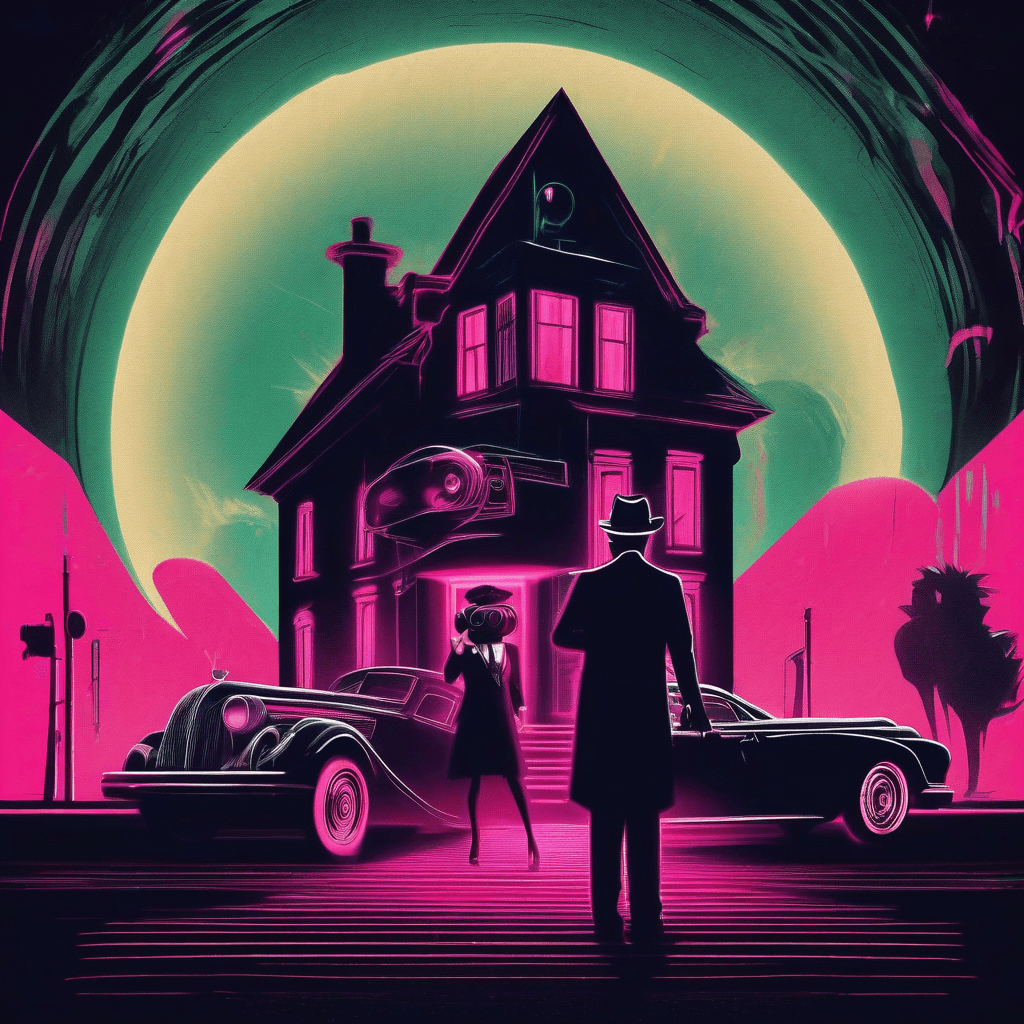
“Explore the hidden ancestry of cult cinema through the prism of early 20th-century anomalies, where narrative rebellion and visual transgression first sparked the flames of obsessive fandom.”
The Primordial Scream of the Niche: Beyond the Midnight Screen
When we speak of cult cinema, the mind often drifts to the neon-soaked 1970s, the sticky floors of the Waverly Theatre, or the transgressive camp of the midnight movie circuit. However, the true genetic markers of cinematic obsession were etched into the emulsion long before the advent of the blockbuster. The roots of cult devotion lie in the silent era's most daring anomalies—films that refused to conform to the burgeoning industrial standards of Hollywood. These were the misfit masterworks, the experiments that prioritized thematic obsession over commercial viability, creating a secret language that still resonates with the modern cinephile.
To understand the cult phenomenon, one must look at the way early filmmakers utilized the medium to explore the subconscious, the taboo, and the surreal. This was an era of profound discovery, where the boundaries of what could be shown—and how it could be felt—were constantly being redrawn. From the hallucinatory visions of early animation to the rigid social critiques disguised as melodrama, these films provided the blueprint for the cinematic rebellion that would eventually define the cult canon.
Surrealist Foundations: The Fever Dreams of the Rarebit Fiend
One of the earliest examples of pure narrative anarchy can be found in the works inspired by Winsor McCay. In Dreams of the Rarebit Fiend: The Flying House (1921), we see a domestic space transformed into a mechanical marvel, a literal flying machine designed to escape the crushing weight of a mortgage. This short film is more than just a technical showcase; it is a manifestation of economic anxiety through the lens of the absurd. The image of a house soaring through the clouds is a precursor to the psychedelic imagery that would later define the counter-culture films of the 1960s.
This tradition of the surreal was furthered by films like The Frogs Who Wanted a King (1922), an animated fantasy that used anthropomorphic amphibians to deliver a biting critique of governance and human nature. These films didn't just entertain; they challenged the viewer's perception of reality. They were the original "head films," inviting the audience to step into a world where logic was secondary to the visual experience. This unconventional narrative structure is exactly what draws devotees to cult cinema: the thrill of seeing the impossible rendered as fact.
The Vamps and the Rebels: Transgressive Archetypes
The cult of personality is central to niche fandom, and the silent era birthed the original icons of transgression. Consider the legend of Theda Bara in Her Double Life (1916). As a nurse who assumes a dual identity, Bara embodied the "vamp" archetype—a figure of dangerous sexuality and moral ambiguity that stood in stark contrast to the era's "girl next door" tropes. This celebration of the anti-heroine paved the way for the complex, often marginalized characters that dominate cult narratives today.
The theme of identity and performance is echoed in The Woman in the Case (1916), where a wife must pretend to be a vamp to solve her husband's murder. Here, the transgression is doubled; it is a performance within a performance, a subversion of gender roles that feels startlingly modern. These films were not just stories; they were cultural provocations. They invited the audience to sympathize with the outsider, the deceiver, and the rebel, creating a bond between the screen and the viewer that was rooted in shared secrecy.
Genre Alchemy: From Mystery to the Macabre
The early 20th century was a crucible for genre experimentation. Before the tropes of noir and horror were codified, filmmakers were blending elements in ways that felt raw and unpredictable. The Wakefield Case (1921) and Charles Augustus Milverton (1922) represent the birth of the gritty mystery, where the detective is not just a hero but a man wading through the filth of the human condition. In the latter, Sherlock Holmes faces a blackmailer he describes as the "worst man in London," pushing the character into a moral gray area that anticipates the hard-boiled cynics of 1940s cinema.
This darkness was balanced by the high-stakes melodrama of films like Flames of the Flesh (1919). Candace, a woman betrayed by her lover, is encouraged to seek revenge on all men. This narrative of feminine vengeance is a proto-feminist cult classic in the making, exploring themes of trauma and retribution with a visceral intensity. The emotional extremism found in these reels is a hallmark of the cult experience—a rejection of the middle ground in favor of the absolute.
The Epic of Obsession: The Photo-Drama of Creation
Perhaps no film captures the "obsessive" nature of cult cinema better than The Photo-Drama of Creation (1914). This was not merely a movie; it was a four-part religious experience combining slides, film, and audio. Its sheer ambition—attempting to chronicle the entirety of God's plan from creation to the present—mirrors the grand, often idiosyncratic visions of later cult auteurs. It was a film that demanded total immersion and devotion from its audience, transcending the boundaries of simple entertainment to become a communal ritual.
Similarly, the Danish film Mod lyset (Towards the Light, 1919) explored the journey from spiritual emptiness to evangelical fervor. It featured Asta Nielsen, another towering figure of early international cinema whose expressive, often haunting performances earned her a dedicated following. These films were the "holy grails" of their time, sought out by those who wanted more than just a distraction—they wanted a transformation.
The Outcasts of the Frontier: Westerns and Wilderness
The cult spirit also thrived on the fringes of civilization. The early Western and wilderness dramas, such as Outlawed (1921) and The Last of His People (1919), focused on men and women living outside the constraints of society. In The Last of His People, a lumberjack’s isolation in the Canadian North Woods becomes a study in grief and the rugged individual's struggle against both nature and the corrupting influence of the city. This thematic preoccupation with the outsider is a cornerstone of the cult ethos.
Even the fantasy realms of His Majesty, the Scarecrow of Oz (1914) showcased a version of L. Frank Baum’s world that was far weirder and more surreal than the 1939 classic. With its wicked kings, horrid courtiers, and the gardener’s boy Pon, the film feels like a fever dream. It lacks the polish of later adaptations, but it possesses a raw, unvarnished creativity that is far more aligned with the cult aesthetic. It is the kind of film that survives through the decades not because it is perfect, but because it is unique.
Conclusion: The Eternal Flicker of the Fringe
The 50 films mentioned here—from the slapstick comedy of Rough on Romeo to the suspenseful injustices of Bleak House (1922)—represent a lost world of cinematic daring. They are the ancestors of every midnight movie that has ever graced a screen. They remind us that cinema began as a medium of boundless experimentation, where the only limit was the imagination of the creator and the tolerance of the lens.
As we look back at My Boy (1921) or the dramatic intensity of Michael Strogoff (1914), we see the seeds of the fandoms that define our modern age. We see the rebellious spirit, the love for the unconventional, and the devotion to the overlooked. Cult cinema is not a genre; it is a way of seeing. It is the act of finding beauty in the "broken" film, truth in the "absurd" narrative, and a home in the celluloid fringe. Long after the blockbusters have faded, the echoes of these early heretics will continue to flicker in the dark, calling out to the curious and the devoted.
Community
Comments
Log in to comment.
Loading comments…