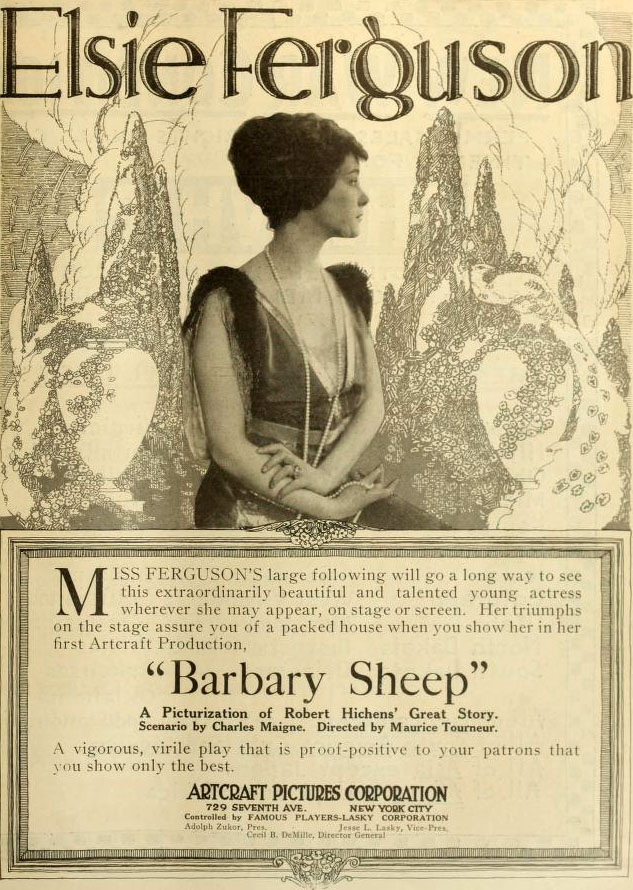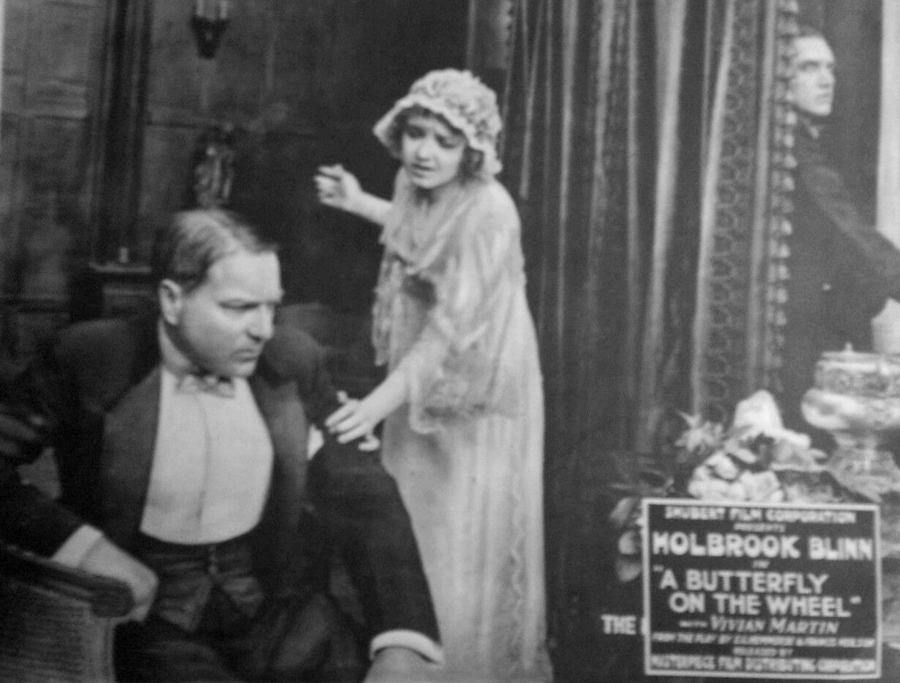
A series of stories reflecting the changing position of women in the world, including the familiar tales of Adam and Eve, Messalina and Claudius, Abelard and Heloise, Cyrene and the Fisherman..

Charles E. Whittaker
United States
There are films you watch and films that watch you—Woman belongs to the latter caste. Ninety-seven flickering minutes feel like stepping into a palimpsest where every frame has been scraped, rewritten, bruised, and re-inked by hands that refuse to stay docile. Charles E. Whittaker, a name half-swallowed by the quicksa...
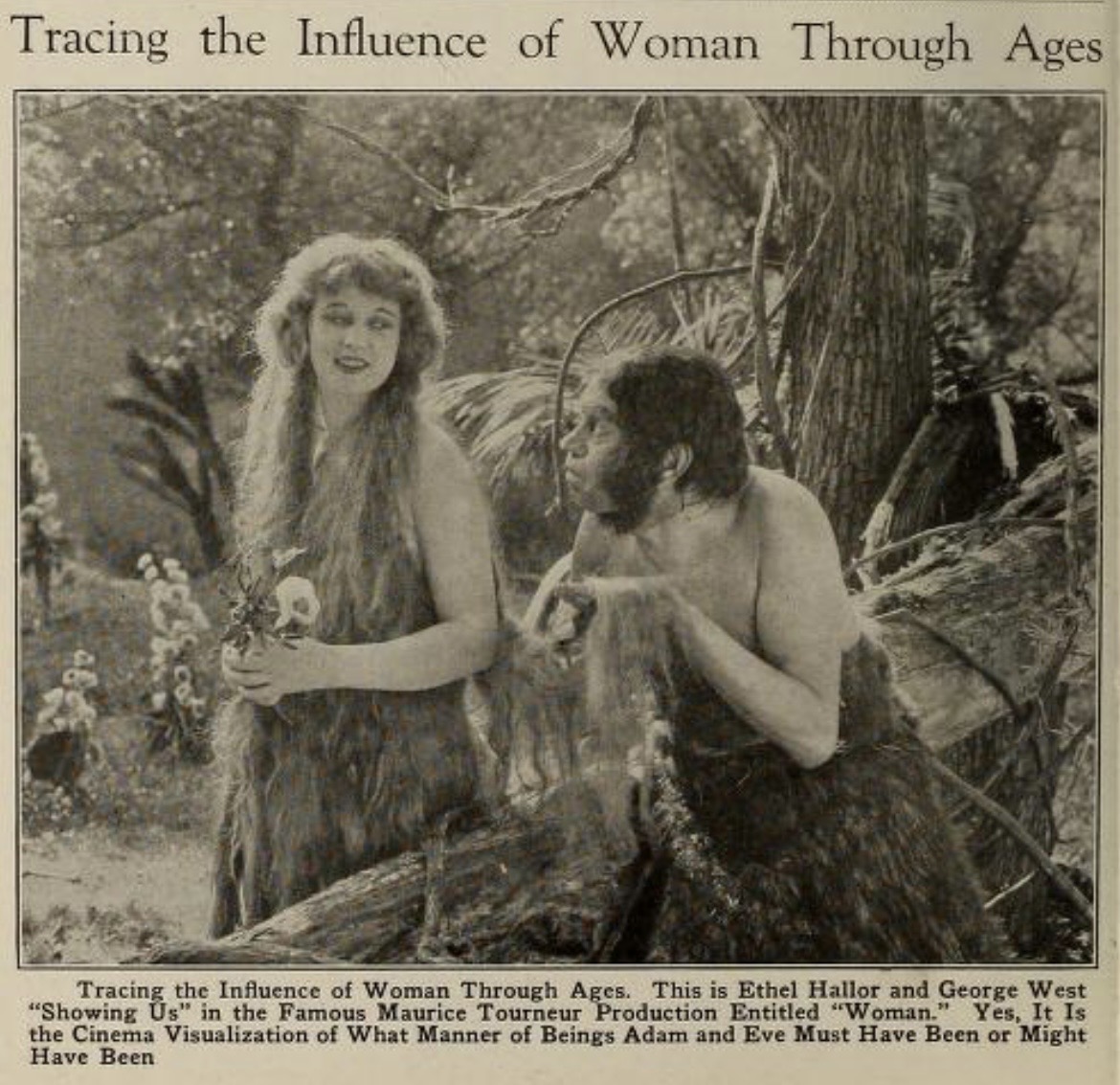
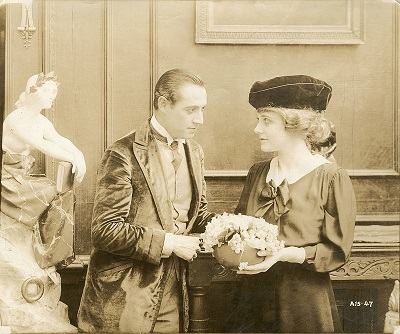
still_frame

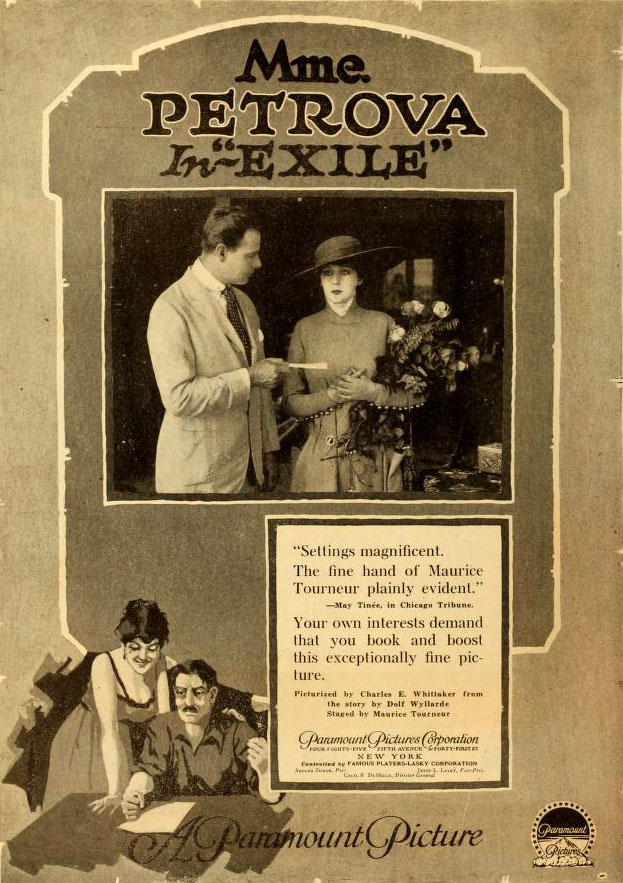
publicity


Comparing the cinematic DNA and archive impact of two defining moments in cult history.
Maurice Tourneur

Maurice Tourneur
Community
Log in to comment.
" There are films you watch and films that watch you—Woman belongs to the latter caste. Ninety-seven flickering minutes feel like stepping into a palimpsest where every frame has been scraped, rewritten, bruised, and re-inked by hands that refuse to stay docile. Charles E. Whittaker, a name half-swallowed by the quicksand of lost cinema, orchestrates a tetralogy of disobedience: four micro-epics orbiting the same white-hot core—what does it mean to be woman when the world keeps drafting tighter c..."