
Cult Cinema
The Midnight Revelation: Unearthing the Unconventional Truths and Enduring Community of Cult Film
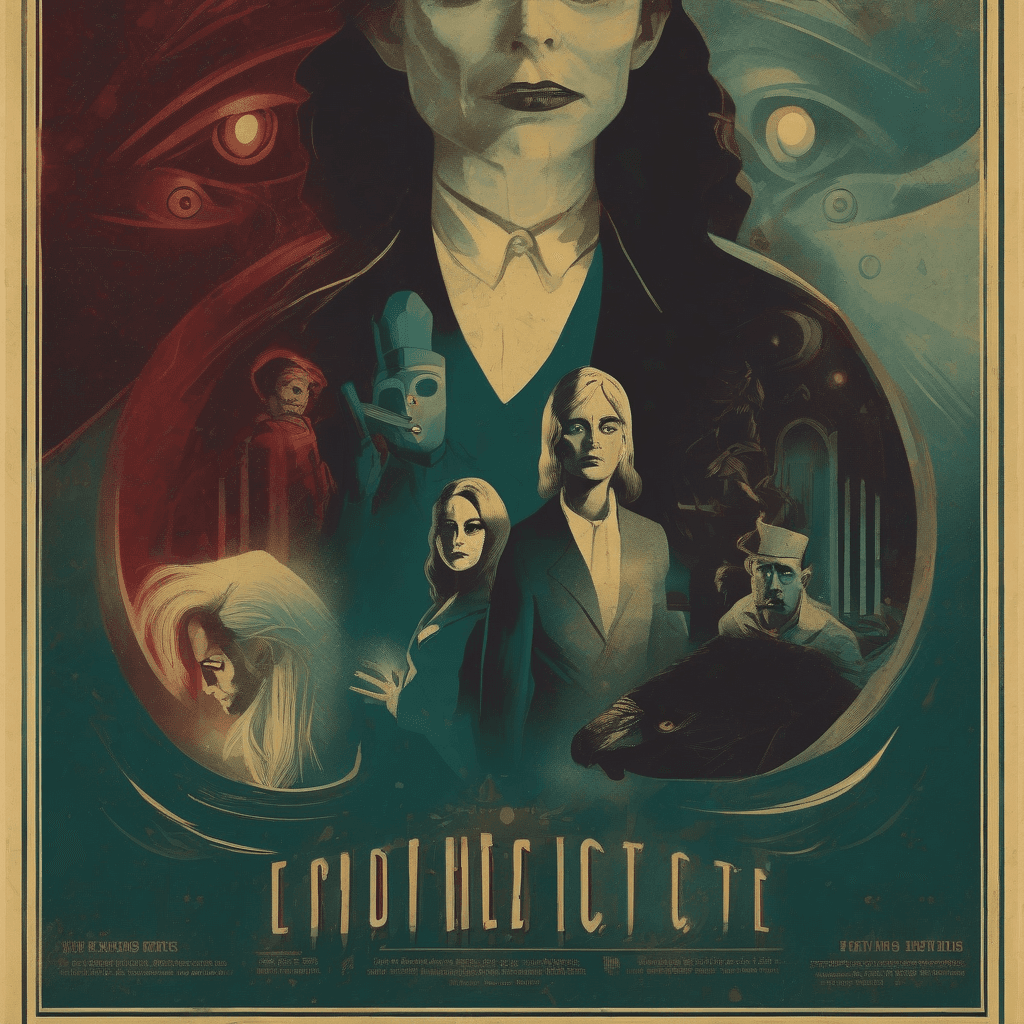
“Dive deep into the enigmatic world of cult cinema, exploring its historical roots, subversive narratives, and the passionate communities it fosters, transcending mainstream appeal to forge an enduring legacy.”
In the vast, ever-expanding universe of cinema, certain films defy easy categorization. They are not merely blockbusters or critical darlings; they are something more profound, more visceral. These are the films that form the cult cinema canon, a collection of cinematic experiences that resonate deeply with a devoted, often fervent, fanbase. From the grainy reels of early silent pictures to the audacious digital productions of today, cult films share a common thread: they challenge, provoke, and ultimately, captivate. They are the cinematic undercurrent, often overlooked upon initial release, only to rise from obscurity to achieve legendary status, carving out a unique space in the hearts of their audiences.
The allure of cult cinema lies not in its universal appeal, but in its profound specificity. These aren’t films designed for the masses; they are crafted for the discerning, the curious, the rebels. They speak to a niche, a sensibility, an unspoken yearning for something different, something transgressive. This article delves into the enduring power of these cinematic rebels, exploring the characteristics that define them, the historical context that shaped their genesis, and the vibrant communities that ensure their perpetual midnight screenings and passionate discussions.
The Genesis of the Maverick Vision: Early Cinema's Bold Experiments
To understand the modern cult phenomenon, one must journey back to cinema's nascent stages. The very idea of a film challenging norms or presenting unconventional narratives is not a recent innovation. Even in the early 20th century, filmmakers, unburdened by rigid studio systems, experimented with storytelling, pushing boundaries that, in hindsight, laid the groundwork for future cult classics. Consider the psychological depth, moral ambiguities, and genre defiance found in films from the silent and early sound eras. These early works, though often forgotten by mainstream history, were vital in establishing a cinematic language that embraced the peculiar and the profound.
Films that explored darker human emotions, intricate criminal masterminds, or forbidden romances, even in their nascent forms, offered audiences something beyond simple escapism. Narratives that delved into themes of vengeance, obsessive love, or societal disillusionment challenged prevailing moral codes. The portrayal of characters grappling with complex ethical dilemmas, or those who simply defied societal expectations, resonated with certain viewers, forming an early, albeit unorganized, appreciation for cinema that dared to be different. This period saw the birth of cinematic archetypes that would fuel generations of underground films.
The very structure of these early films, from short comedies to multi-part thrillers, allowed for a fluidity in genre and tone that modern cinema sometimes struggles to replicate. A western might blend with comedy, an adventure might touch upon fantasy, or a drama might veer into psychological thriller territory. This genre-bending, a hallmark of many future cult films, was present from the start, showcasing an artistic freedom that prioritized imaginative storytelling over rigid classification. These were films that, by their very nature, stood apart, destined for re-discovery and re-evaluation by future generations seeking cinema's hidden gems.
Narrative Transgression and Psychological Depth
At the heart of many cult films lies a willingness to embrace narrative transgression. These films often reject traditional plot structures, character arcs, or thematic resolutions, opting instead for ambiguity, discomfort, or outright subversion. They challenge viewers to think, to question, and sometimes, to confront uncomfortable truths. This is where the psychological depth truly shines, as cult cinema frequently delves into the human psyche's more shadowy corners, exploring motivations and consequences that mainstream films might shy away from.
Whether it’s the meticulous machinations of a criminal mastermind, the intense emotional turmoil of an isolated individual, or the tragic unraveling of a love affair, cult films often prioritize the internal landscape of their characters. They explore themes of obsession, desperation, and moral compromise with an unflinching gaze. Characters are rarely purely good or evil; they are complex, flawed, and often driven by desires that defy easy judgment. This moral ambiguity is a magnetic force, drawing audiences into a deeper engagement with the story and its implications. The emotional resonance of these narratives often lingers long after the credits roll, fostering a desire for repeated viewings and intense analysis.
Furthermore, cult films are often unafraid to tackle taboo subjects or present scenarios that challenge societal norms of their time. This could manifest as explicit content, controversial themes, or simply a worldview that deviates sharply from the accepted mainstream. Such films act as cinematic mirrors, reflecting the anxieties, desires, and hidden facets of a culture. Their initial reception might be one of shock or dismissal, but over time, their boldness is recognized as a form of artistic freedom and intellectual bravery. This willingness to push boundaries ensures their longevity and their status as objects of fascination for those seeking alternative perspectives.
The Aesthetics of the Outlier: Style and Vision
Beyond narrative, the visual and sonic aesthetics of cult cinema play a crucial role in its enduring appeal. Many cult films boast a distinctive visual style, often idiosyncratic, experimental, or simply unlike anything else being produced at the time. This could range from stark, expressionistic cinematography to surreal dreamscapes, or from gritty realism to exaggerated theatricality. The deliberate choice of aesthetic serves to amplify the film's themes and create an immersive, unforgettable experience.
The early days of cinema, in particular, were ripe for visual innovation, with filmmakers experimenting with lighting, set design, and editing techniques. These early cinematic experiments often resulted in unique visual signatures that, while perhaps not universally acclaimed at the time, certainly stood out. Whether it was the dramatic use of shadows to heighten suspense in a mystery thriller or the whimsical animation in a short comedy, these films demonstrated a commitment to visual storytelling that transcended mere functionality.
Sound design, music, and performance also contribute significantly to the cult film aesthetic. Unforgettable soundtracks, iconic lines of dialogue, or performances that are either brilliantly understated or wildly over-the-top become integral to the film's identity. These elements are not just accessories; they are foundational to the film's ability to create a world, evoke an emotion, and ultimately, imprint itself onto the collective consciousness of its audience. The idiosyncratic vision of the director, often uncompromised by commercial pressures, is frequently the driving force behind these memorable aesthetic choices.
From Obscurity to Icon: The Power of Re-discovery
A defining characteristic of many cult films is their journey from obscurity or critical dismissal to iconic status. Unlike mainstream hits that enjoy immediate success, cult films often languish in relative anonymity, only to be rediscovered and championed by a dedicated few. This process of re-evaluation and re-discovery is crucial to their mythology. It highlights the subjective nature of cinematic appreciation and underscores the idea that true artistic merit can sometimes take time to be recognized.
The reasons for initial oversight are varied: perhaps the film was too avant-garde for its time, released with poor marketing, or simply misunderstood by critics. However, time has a way of revealing hidden truths. As societal attitudes shift or as new generations of cinephiles emerge, these previously hidden gems are brought back into the spotlight. What was once considered odd or inaccessible is now celebrated as visionary, daring, or deeply resonant. This delayed gratification only adds to the film's mystique, making its eventual recognition all the more satisfying for its proponents.
The rise of midnight movie screenings in the mid-20th century played a pivotal role in solidifying the concept of cult cinema. These late-night showings provided a safe haven for films that didn't fit the daytime mold, allowing them to find their audience in a communal, often participatory setting. This tradition of communal viewing and passionate advocacy continues today, albeit often digitally, ensuring that these films, regardless of their initial fate, find their rightful place in cinematic history and in the hearts of devoted fans.
The Cult of Community: Fostering Fervent Fandom
Perhaps the most compelling aspect of cult cinema is the devoted fandom it inspires. More than just viewers, cult film enthusiasts are active participants, curators, and evangelists. They form communities around these films, engaging in rituals that range from quoting dialogue verbatim to dressing up as characters, from organizing themed events to dissecting every frame for deeper meaning. This collective spirit transforms mere spectatorship into a shared experience, almost a sacred ritual.
This sense of belonging is a powerful draw. For many, cult films offer an identity, a secret handshake, a way to connect with like-minded individuals who appreciate the offbeat, the bizarre, or the profound in ways that mainstream culture might not. The shared understanding of a film's nuances, its inside jokes, or its profound philosophical questions creates a bond among fans. This community aspect is not just about consumption; it's about active engagement, interpretation, and perpetuation of the film's legacy.
The longevity of cult films is largely thanks to these passionate communities. They ensure that these films continue to be discussed, analyzed, and introduced to new generations. They are the guardians of the cinematic underground, constantly unearthing new interpretations and celebrating the enduring power of films that dared to be different. In an increasingly fragmented media landscape, the communal aspect of cult cinema remains a testament to the human desire for connection, meaning, and shared passion.
The Enduring Legacy of the Unconventional Canon
Cult cinema is more than just a genre; it's a philosophy, a testament to the power of artistic freedom and the subjective nature of taste. From the early experiments in narrative and form that hinted at future subversions to the modern era's sprawling, genre-defying spectacles, these films represent the beating heart of cinematic innovation. They remind us that the most impactful stories are not always the loudest or the most commercially successful, but often those that whisper to a particular sensibility, daring to explore the fringes of human experience.
The enduring appeal of cult cinema lies in its ability to constantly surprise, challenge, and connect. It's a world where the boundaries of storytelling are continuously pushed, where the unconventional becomes canonical, and where a film's true value is measured not by box office receipts, but by the depth of its resonance with its audience. As long as there are filmmakers willing to take risks and audiences hungry for something beyond the ordinary, the midnight revelation of cult cinema will continue to burn brightly, illuminating the vast and wondrous possibilities of the moving image. Its legacy is not just a collection of films, but a living, breathing testament to the power of shared passion and the rebel heart of cinema.
Community
Comments
Log in to comment.
Loading comments…