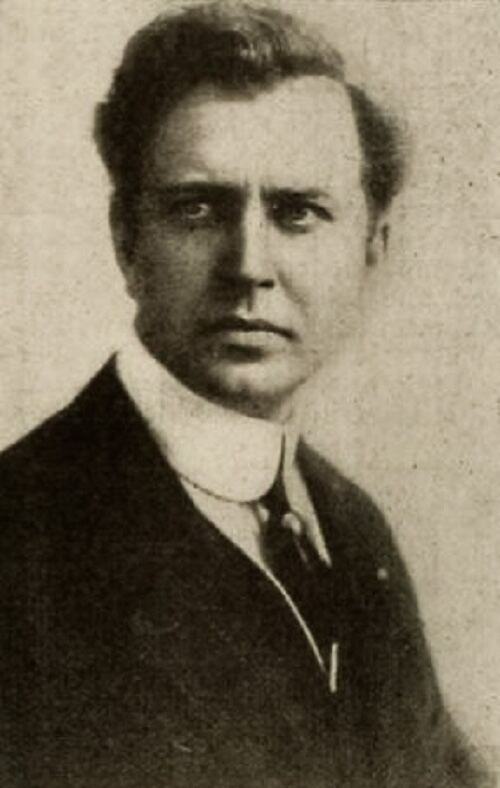
John Ince
actor, director, producer
- Birth name:
- John Edward Ince
- Born:
- 1878-08-29, New York City, New York, USA
- Died:
- 1947-04-10, Hollywood, Los Angeles, California, USA
- Professions:
- actor, director, producer
Biography
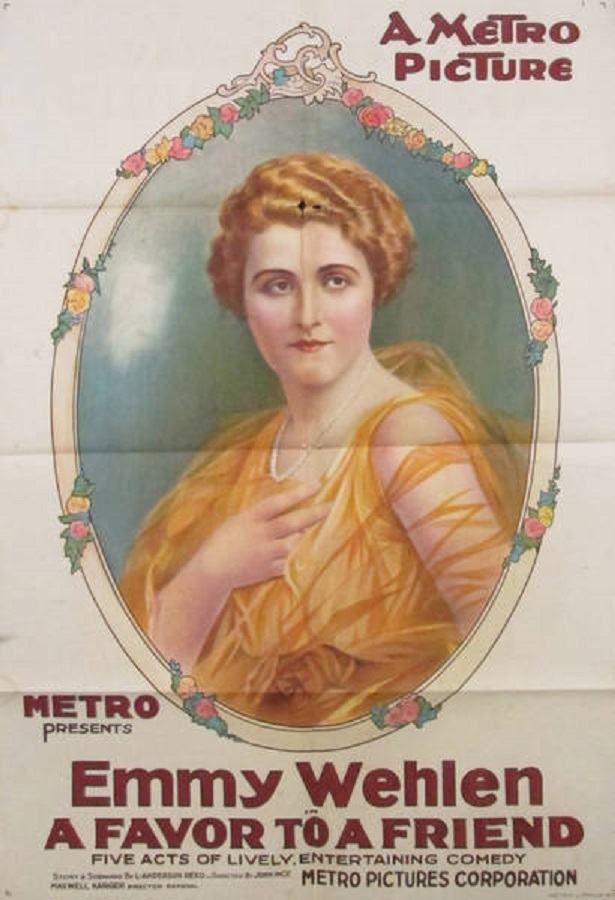
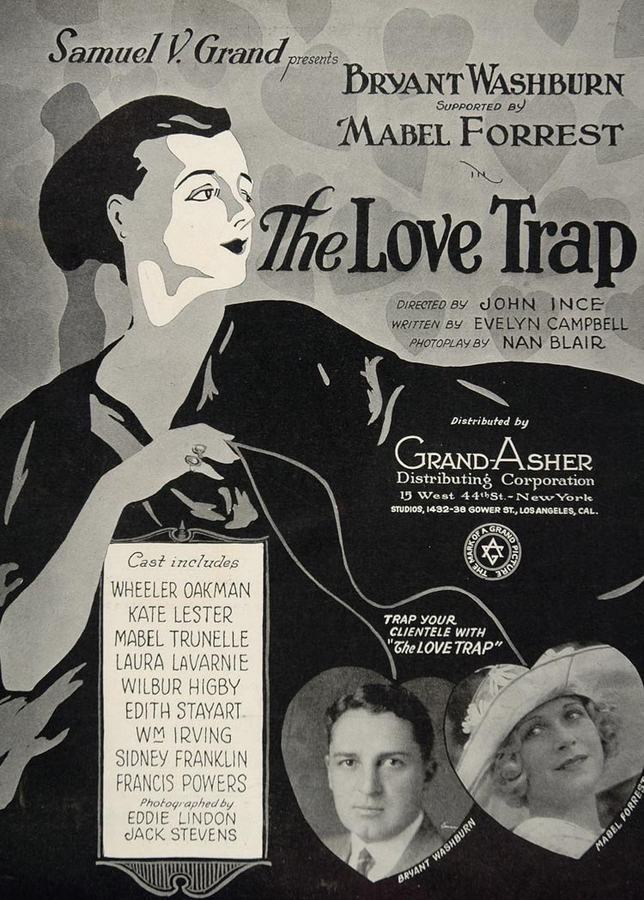
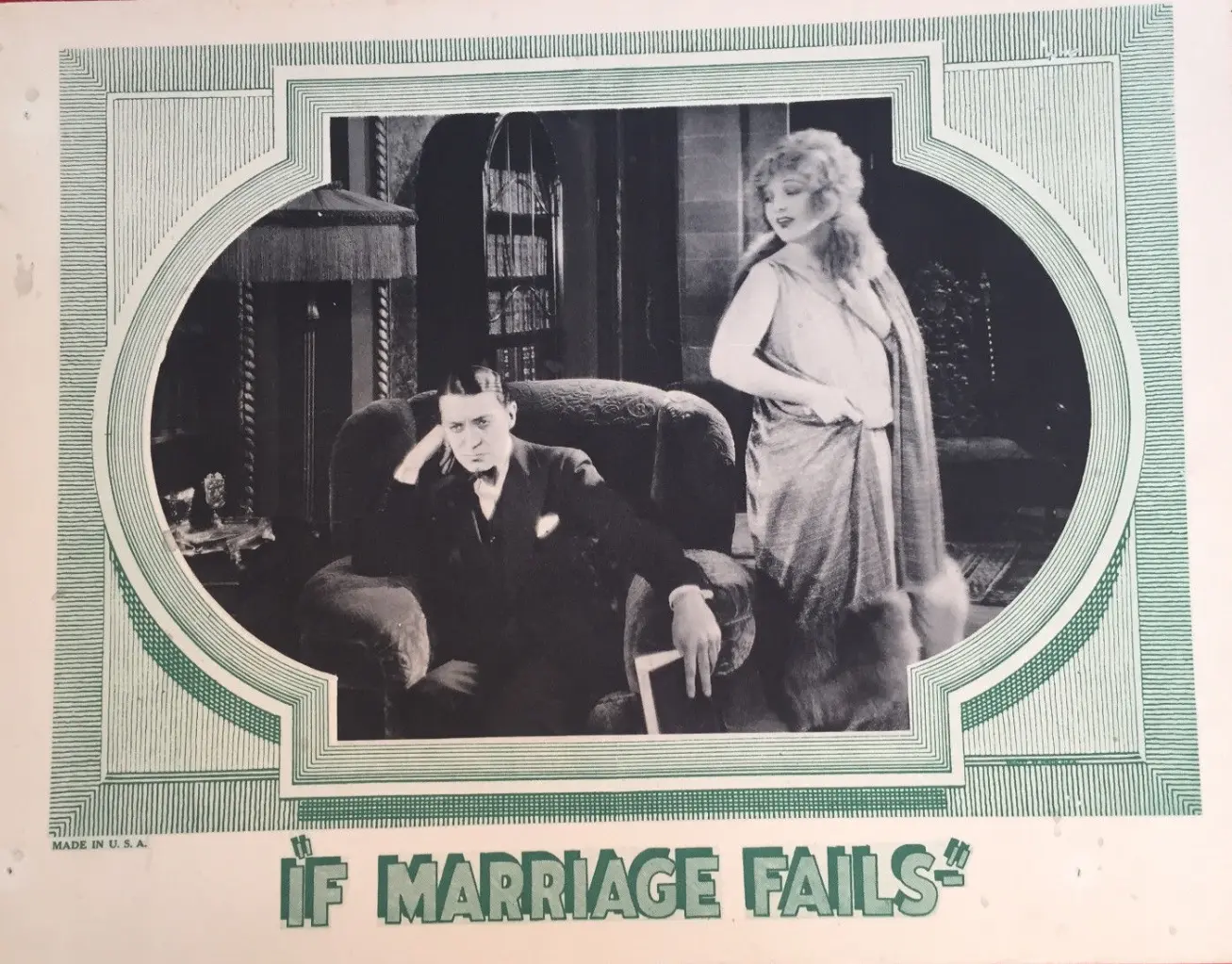
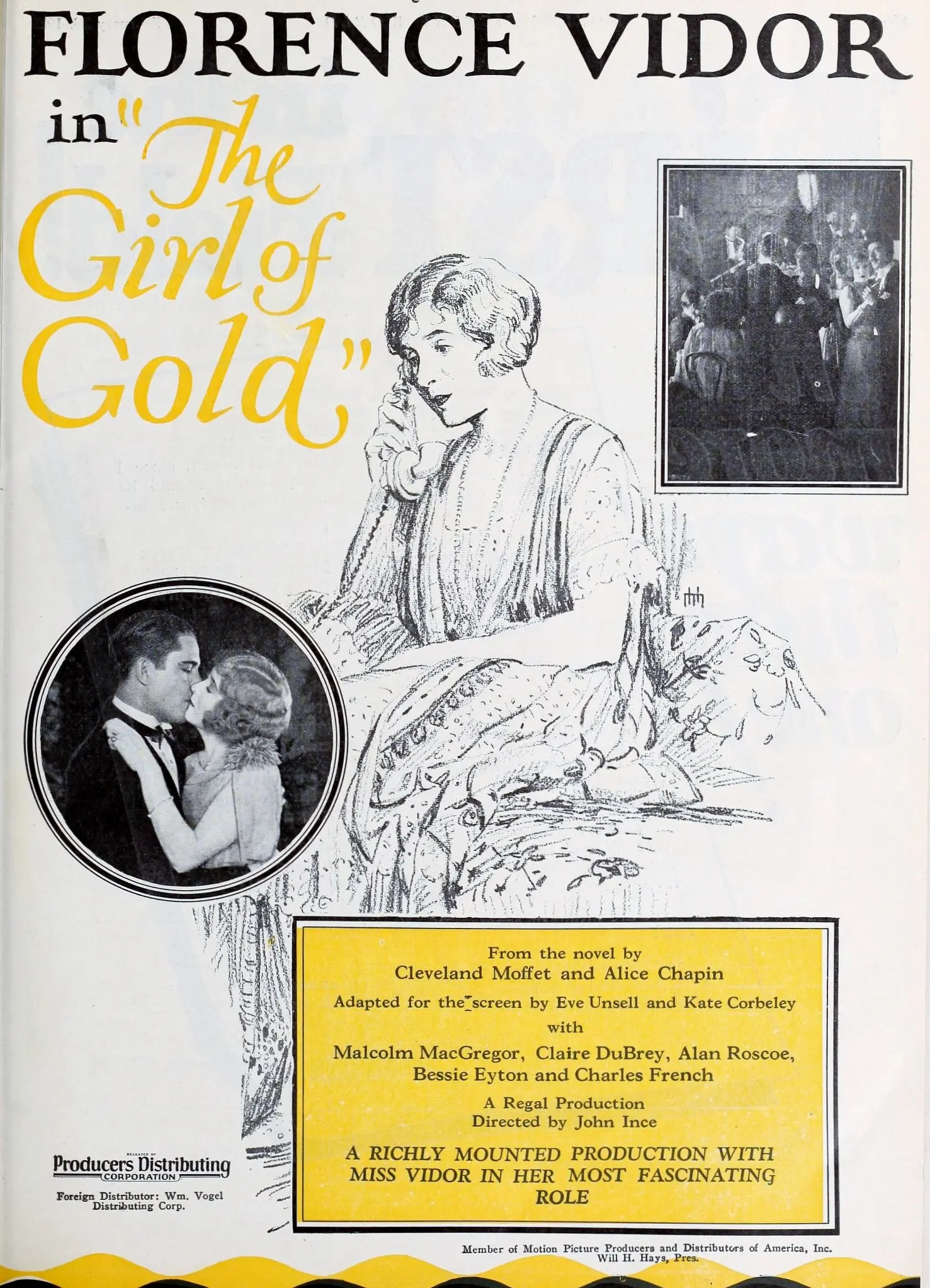
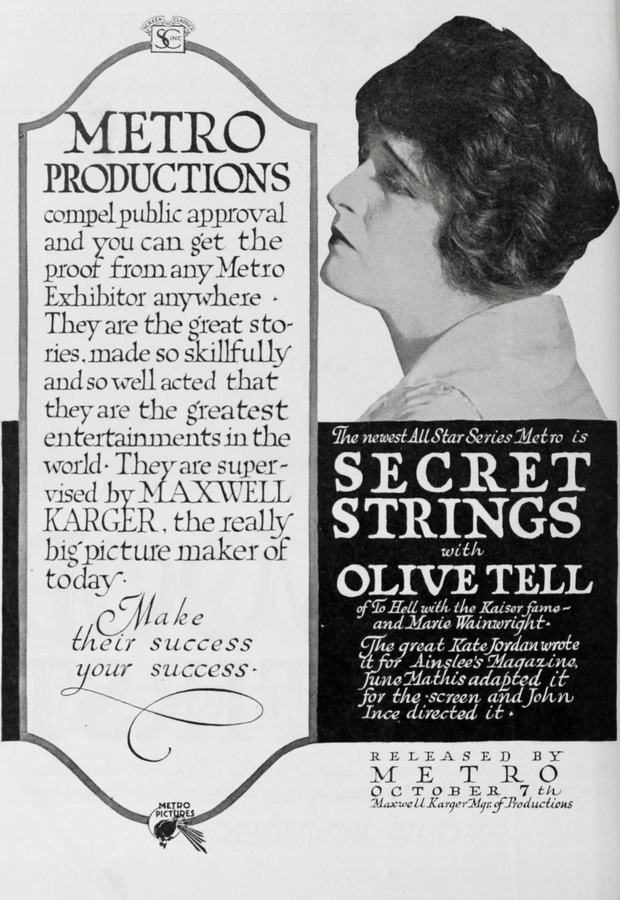
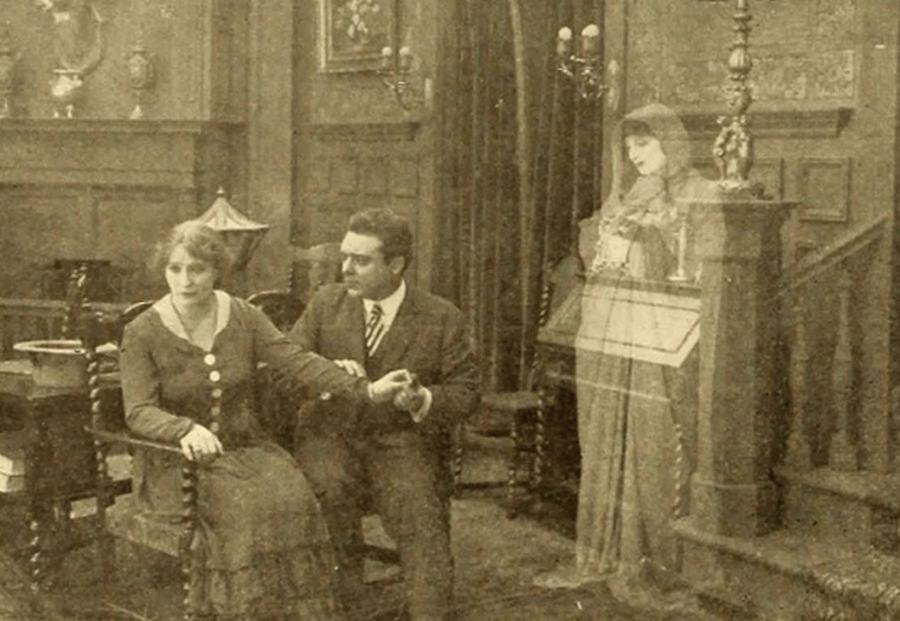
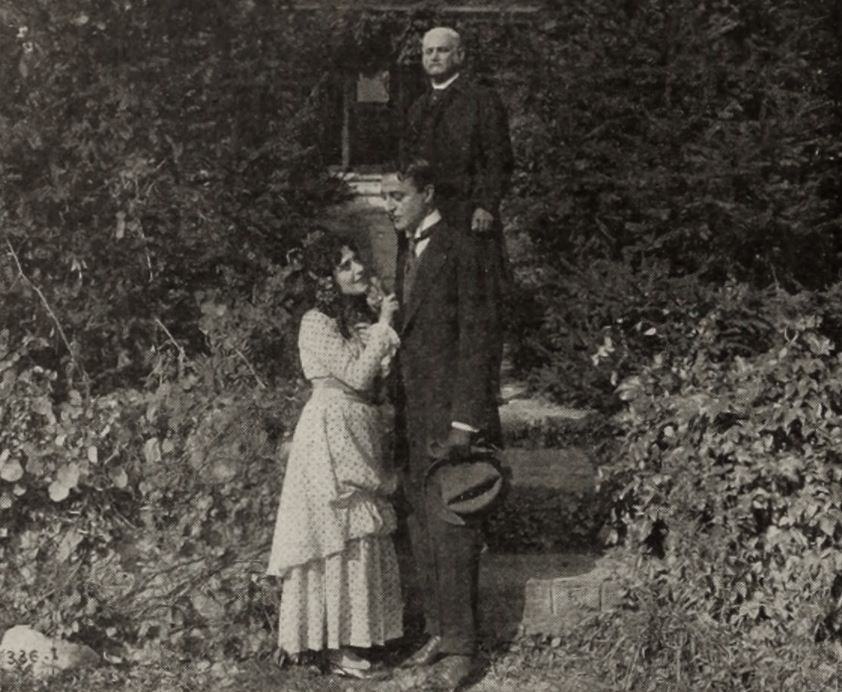
"Emerging from a New York City theatrical lineage, John Ince, an actor and director, arrived in 1878, born to a duo of vaudeville performers. He wasn't the only Ince to pursue the limelight; his younger brothers, Ralph and Thomas H. Ince, also plunged into the entertainment world. Thomas, in particular, carved out a legendary name for himself as a pioneering producer and director, his vision materializing in 'Inceville,' widely recognized as the motion picture industry's first truly comprehensive studio, a sprawling complex that boasted everything from state-of-the-art sound stages and processing labs to standing permanent sets. Ralph, too, embraced the dual role of actor and director, with some contemporary critics even hailing him as a superior director to Thomas and a finer actor than John. Yet, his off-screen notoriety frequently eclipsed his professional triumphs.\n\nJohn himself was a versatile talent, not only gracing the screen as an actor but also stepping behind the camera. He helmed numerous two-reel productions for his brother Thomas's studio, alongside a handful of features, often appearing in the very films he directed. Among his directorial credits, one stands out for its sheer audacity: a drama titled *Thomas H. Ince*, based on a sensational real-life murder, which featured the actual perpetrator, Clara Smith Hamon, chillingly portraying herself on screen.\n\nTragedy struck in 1924 with the enigmatic death of his brother Thomas. The official cause was an accident, but whispers persisted about a far more dramatic end aboard wealthy newspaper magnate William Randolph Hearst's yacht. The persistent rumor painted a scandalous scene: an enraged Hearst allegedly discovered his mistress, Marion Davies, with actor Charles Chaplin, drew a gun, and, aiming for Chaplin, fatally struck Thomas Ince instead.\n\nFollowing Thomas's death, John ventured to establish his own studio. However, this enterprise was short-lived, collapsing amidst a perfect storm of misfortune in 1929. A devastating confluence of events—his divorce, the infamous Wall Street stock market crash that wiped out his finances, and a catastrophic fire that razed his studio—effectively extinguished his promising career. Though he secured a handful of supporting roles in modest 'B' pictures, by the mid-1930s, his once-varied career had dwindled to fleeting one- or two-line speaking parts and uncredited background work. A notable, albeit minor, appearance came in 1946's *The Best Years of Our Lives*, where he played a guard at Frederic March's bank. His final screen appearance, uncredited, was in 1947, the same year he passed away. Curiously, he made a posthumous appearance in *Gun Cargo* (1941), a film shot in the late 1930s but not released until 1949."
Filmography
Directed (21)