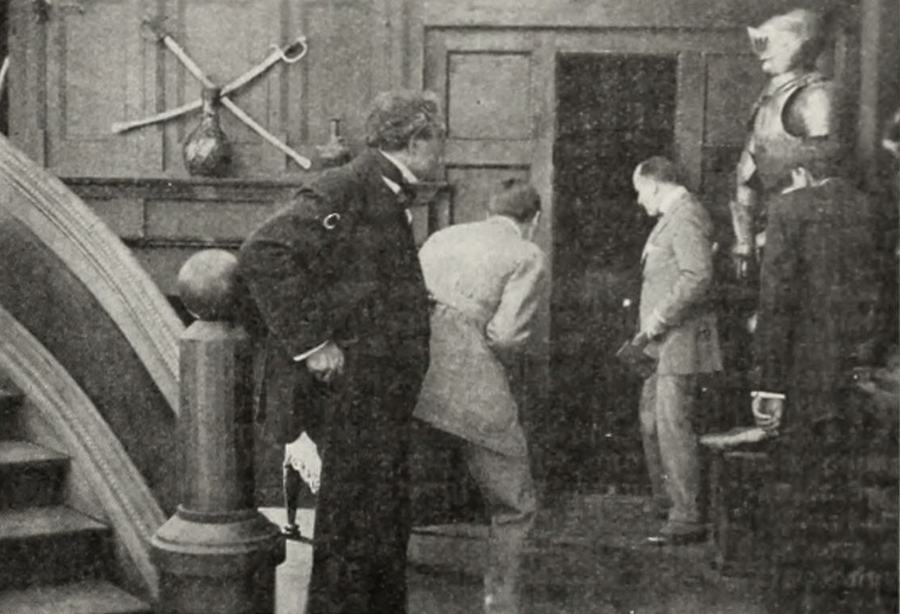
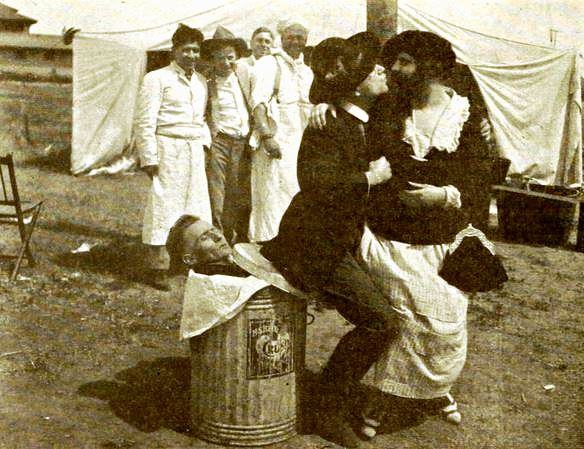
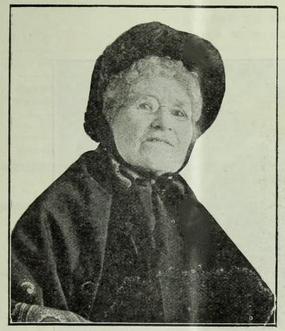
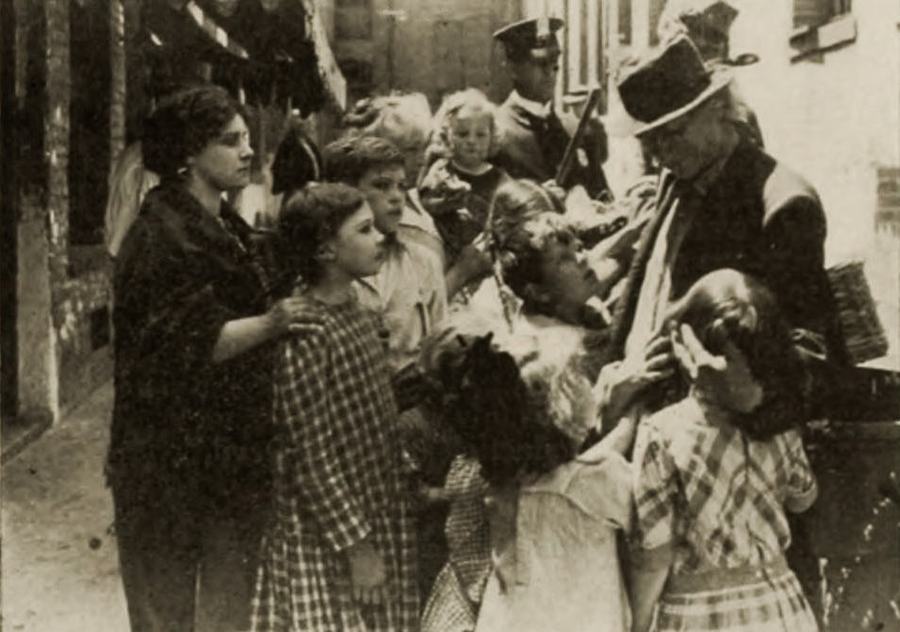
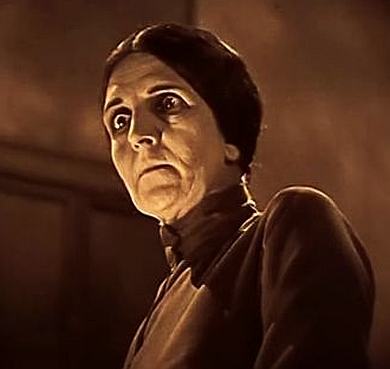
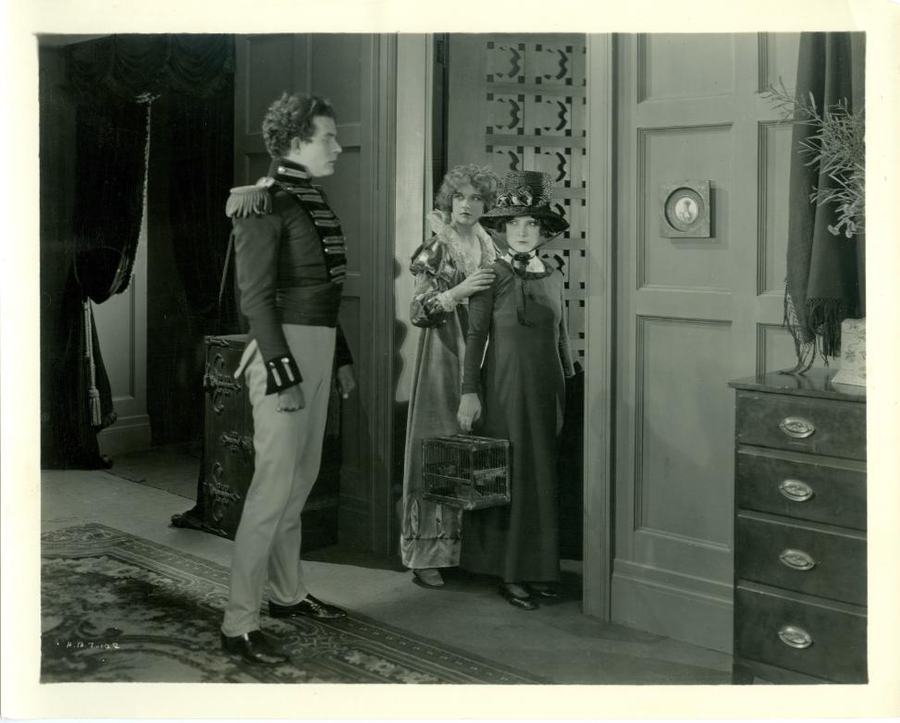
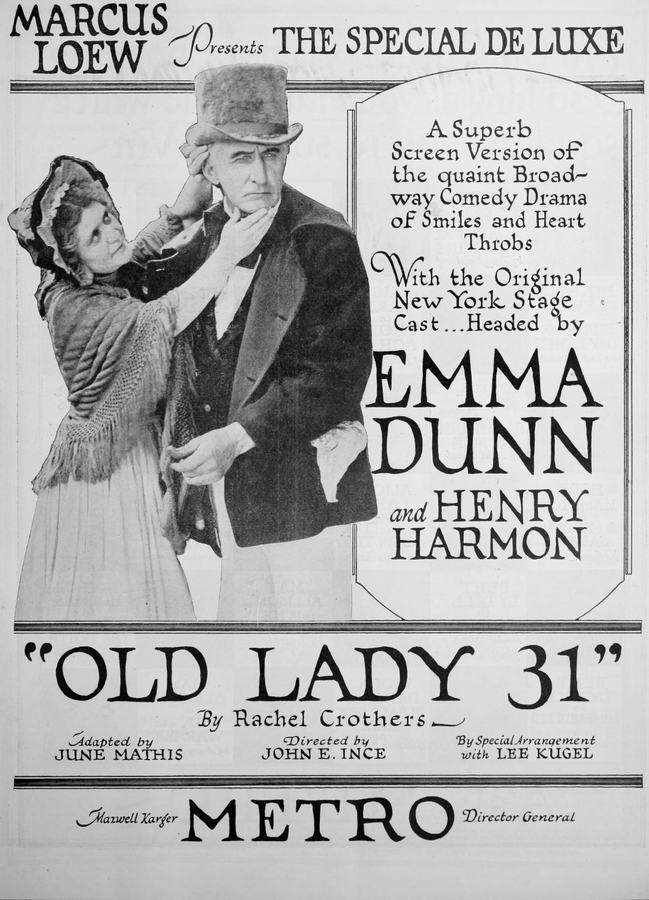
Older couple Abe and Angie Rose lose their life savings in worthless mining stock; their last $100 is for Angie to live in the Old Ladies' Home, while Abe must content himself with the poorhouse. Their parting at the gate of the institution affects the inmates so deeply that they make arrangements for Abe to remain there as "Old Lady 31.
Spoiler-rich excavation ahead; enter with hankie and hindsight. The first miracle of Old Lady 31 is that it survives at all: a 1920 Christie-Forsslund-Mathis triangulation shot on leftover sets, diced in the distribution chop-shop, dumped into regional churches for one-reel-a-night charity screenings, then presumed ...
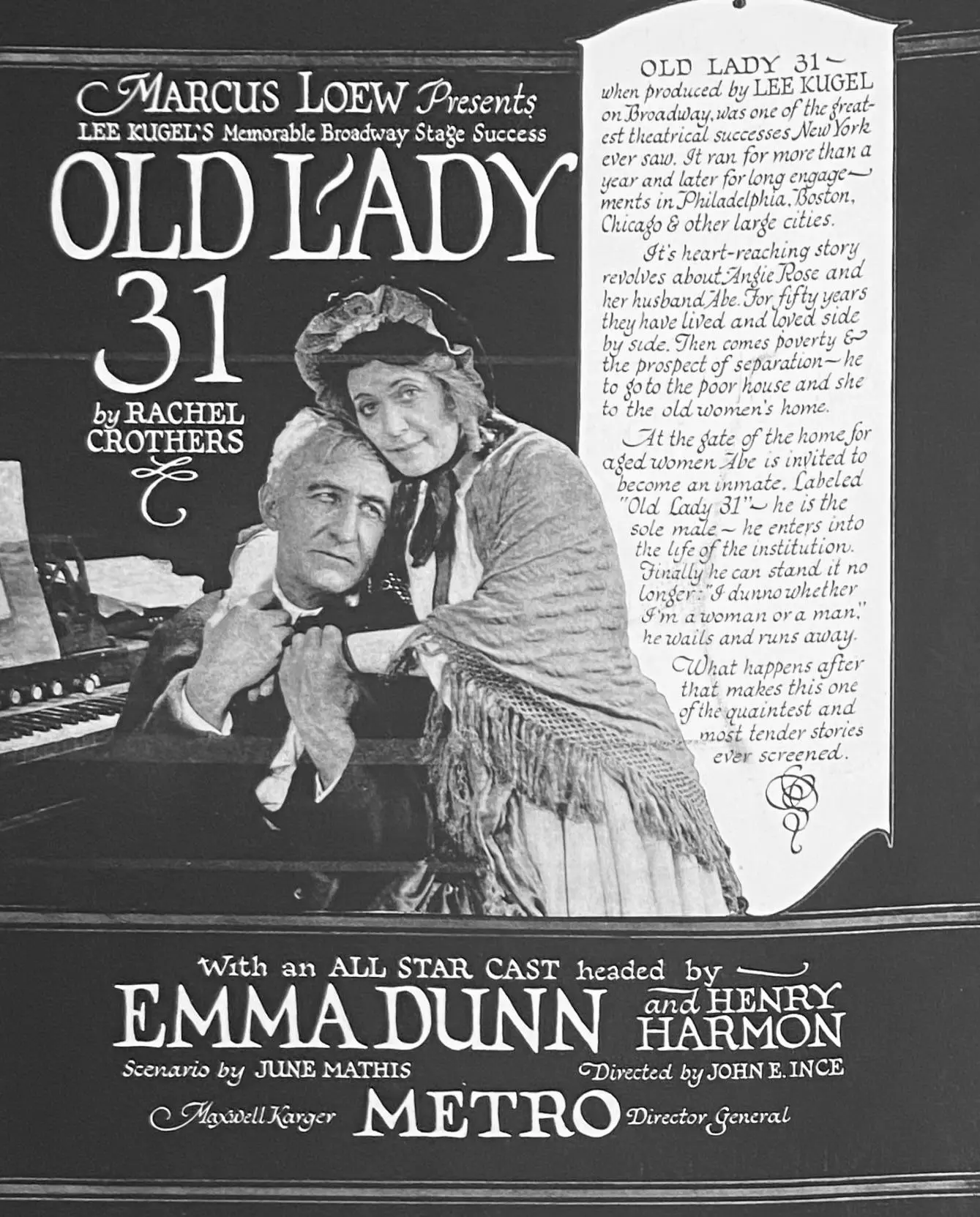
publicity
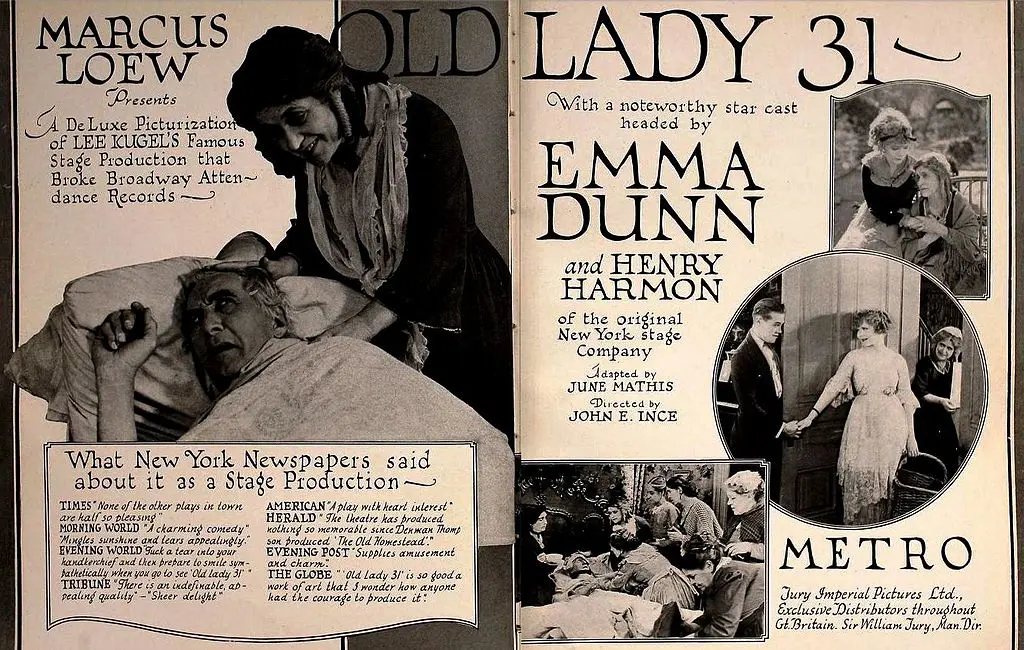
publicity
Comparing the cinematic DNA and archive impact of two defining moments in cult history.
John Ince
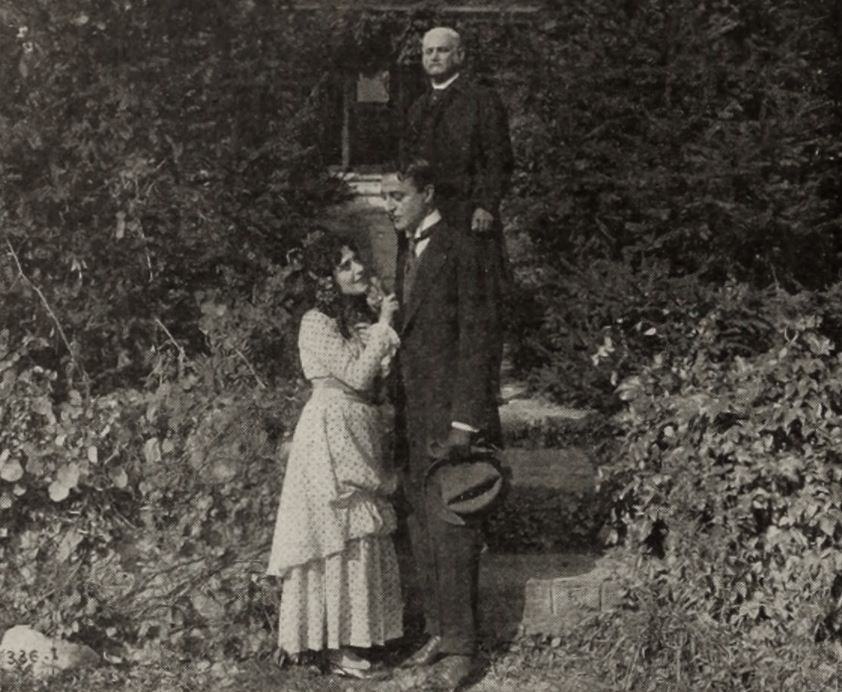
John Ince
Community
Log in to comment.
" Spoiler-rich excavation ahead; enter with hankie and hindsight. The first miracle of Old Lady 31 is that it survives at all: a 1920 Christie-Forsslund-Mathis triangulation shot on leftover sets, diced in the distribution chop-shop, dumped into regional churches for one-reel-a-night charity screenings, then presumed lost until a lone 35 mm nitrate turned up in a Masonic attic outside Duluth. Watching it today feels like eavesdropping on ghosts who know you’re listening. The Alchemy of Plot S..."
Winifred Westover
Louise Forsslund, Rachel Crothers, June Mathis
United States