Simão loves Teresa whose father wants her to marry cousin Baltazar instead. The two lovers meet secretly; Baltazar pays a thug to kill his rival, and Simão is badly wounded.
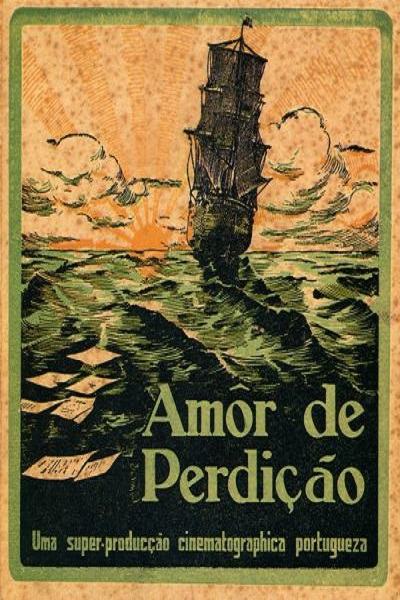
A Dance of Shadows: The Anatomy of Amor de PerdiçãoFew films encapsulate the visceral agony of unfulfilled desire as potently as Amor de Perdição. This 1941 Portuguese masterpiece, adapted from Camilo Castelo Branco’s 1862 novel, is a masterclass in tragic realism, where every character’s choices are inescapably tether...
Comparing the cinematic DNA and archive impact of two defining moments in cult history.
George Pallu
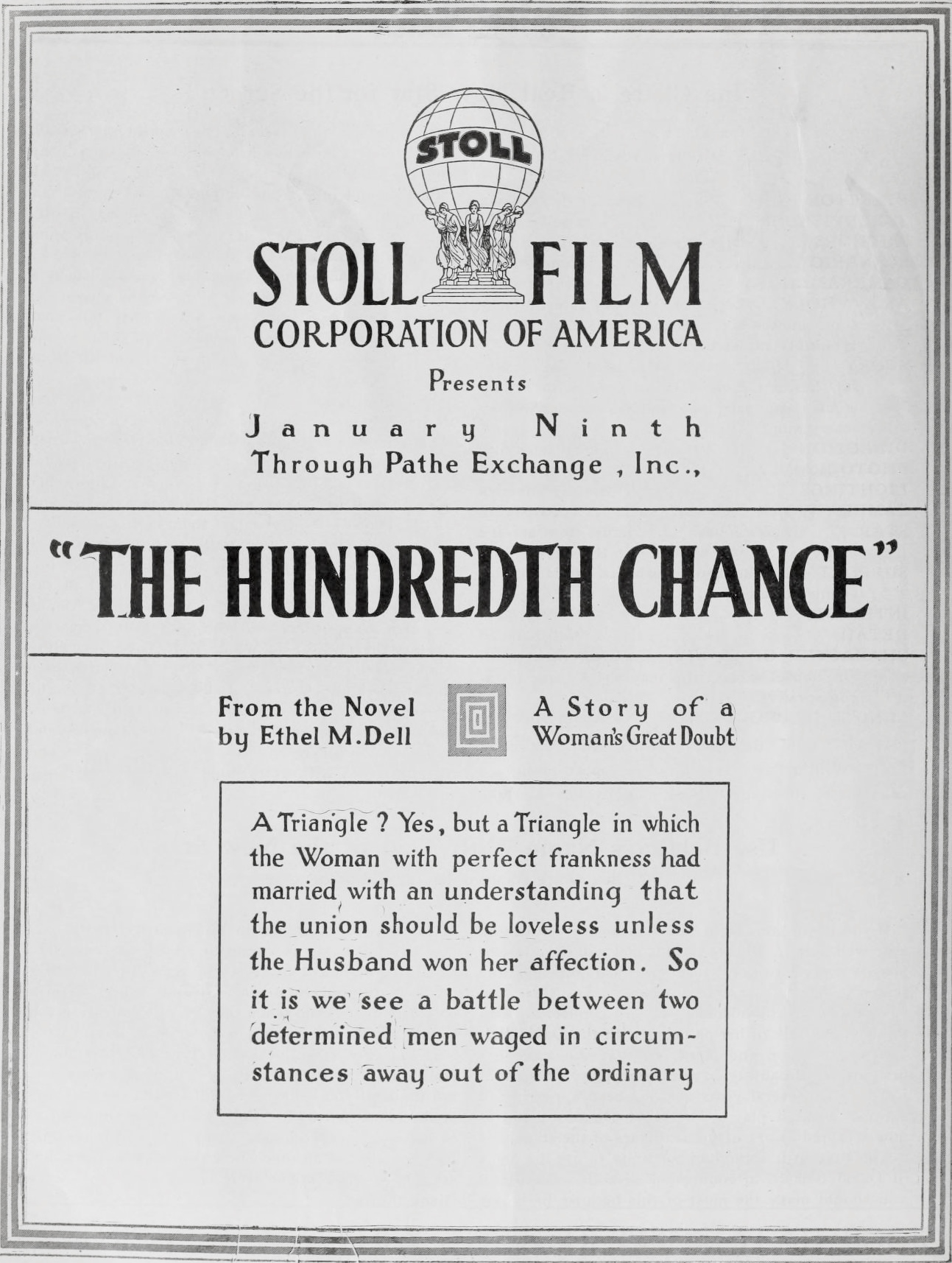
Maurice Elvey
Community
Log in to comment.
"A Dance of Shadows: The Anatomy of Amor de PerdiçãoFew films encapsulate the visceral agony of unfulfilled desire as potently as Amor de Perdição. This 1941 Portuguese masterpiece, adapted from Camilo Castelo Branco’s 1862 novel, is a masterclass in tragic realism, where every character’s choices are inescapably tethered to the gravitational pull of their own emotions and societal constraints. Director Guedes de Oliveira, alongside co-writers Sergio Miranda and Castelo Branco, crafts a narrative..."
Alfredo Ruas
Guedes de Oliveira, Sergio Miranda, Camilo Castelo Branco
Portugal
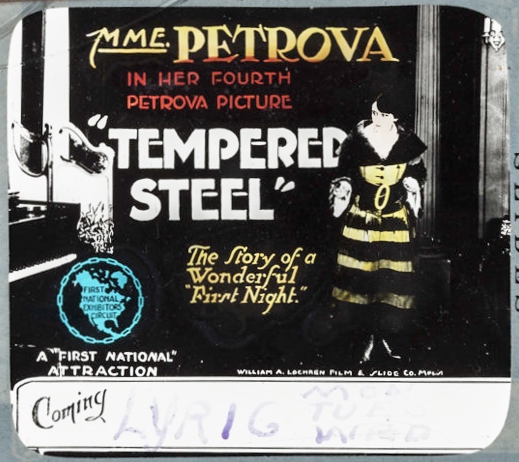
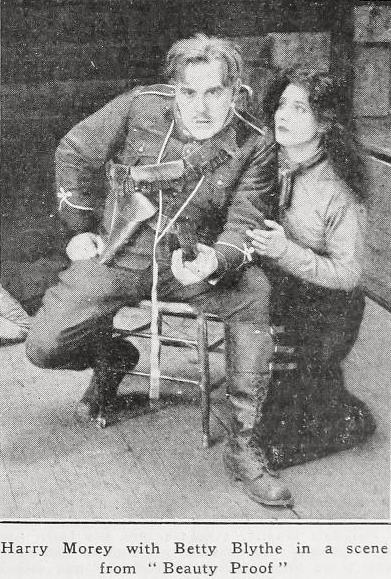
Deep dive into the cult classic
Discover similar cinematic experiences
A Directorial Spotlight on George Pallu